

 Vietnamese
A major blow for Pelicans and fans alike
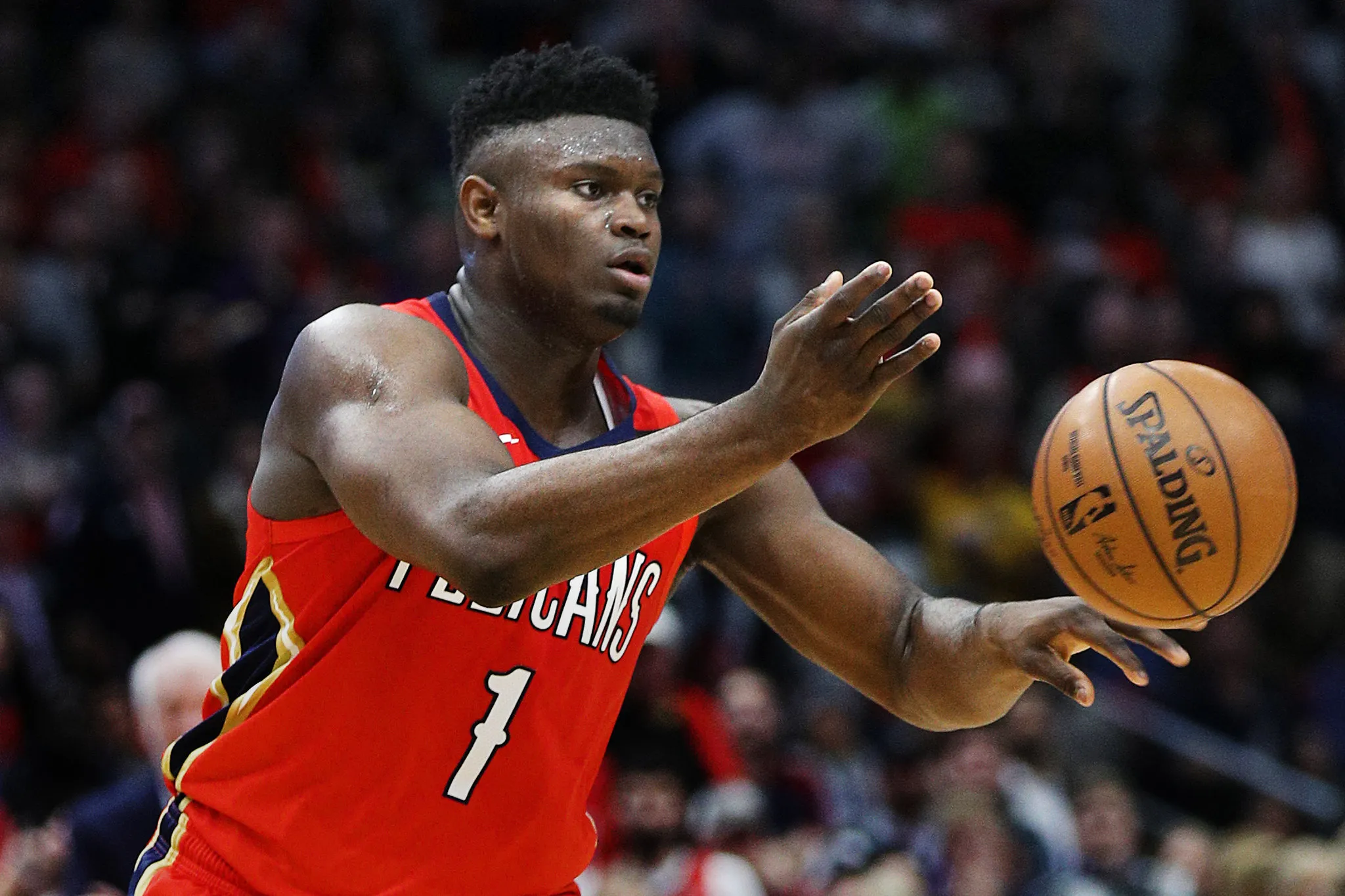
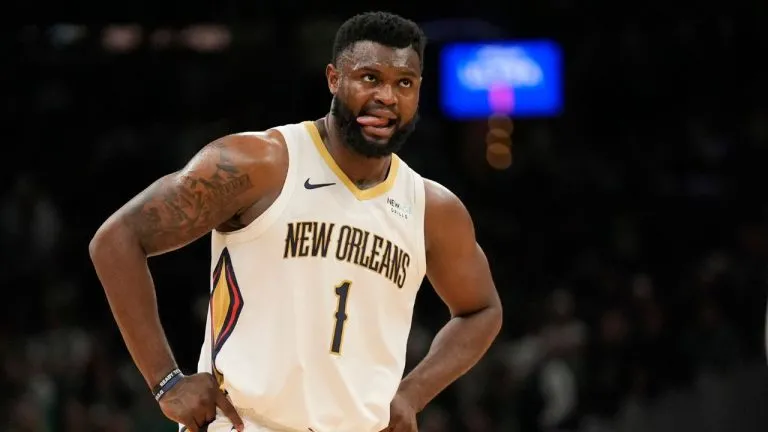
The 2025 to 2026 season just took a sharp turn for the worse for the New Orleans Pelicans and their supporters when star forward Zion Williamson was confirmed to have a right hip adductor strain. Medical imaging revealed a grade two injury to the adductor on his right side. The organization labeled his status as out indefinitely and announced that he will be re-evaluated in roughly three weeks.
For a player regarded as the cornerstone of the franchise, this news is particularly painful. At 25 years old and still viewed as the face of the Pelicans, Williamson’s explosive athleticism and inside presence were central to the team’s hopes this season. That status remains uncertain now.
Injury timeline and context
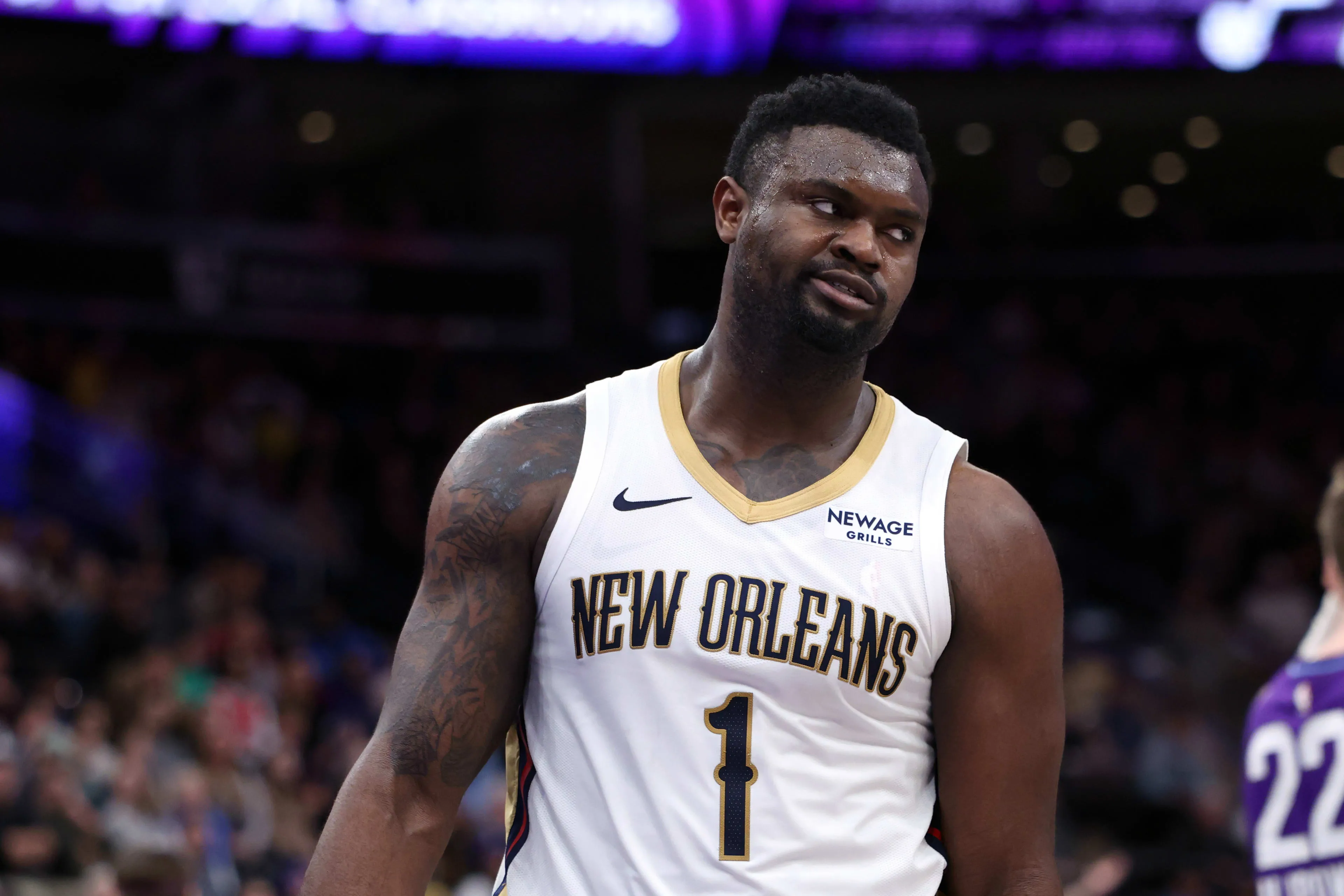
Earlier this season Williamson missed eight consecutive games because of a hamstring issue. He returned on November 19 and played in five of the last seven games before being sidelined again. After the game on November 29 against the Golden State Warriors no longer listed him as available, warning signs began to appear.
His absence was confirmed officially on December 2 when team officials announced the adductor strain. In the same announcement they clarified that further updates will follow only when appropriate. Coach James Borrego acknowledged that he learned of the diagnosis the same morning and emphasized that the club would take things day by day in hopes of careful and complete recovery.
At the time of the announcement the Pelicans had played 22 games this season. Williamson had appeared in only 10 games. Through those appearances he was averaging 22.1 points and 5.6 rebounds per game, a strong output that few teammates could match.
Why the injury matters so much
For a player like Williamson his game relies heavily on hip strength, explosiveness, lateral mobility and burst off the floor. The adductor muscle plays a central role in stabilizing the hip and enabling quick changes in direction and explosive drives to the basket. A strain to that muscle threatens not only his ability to jump and change direction but also risks reinjury if returned too soon.
Given how the Pelicans are already struggling this season, losing their best inside scoring threat and athletic presence is a major blow. The club is already dealing with multiple injuries among its key players and had slim expectations of contending. Williamson’s absence deepens the challenge for a team that needs all available talent just to stay competitive.
Coach Borrego described this as a tough moment but emphasized solidarity within the roster. He called the team a family and urged everyone to lean on each other during this difficult stretch.
What the short-term future looks like
Recovery timeline
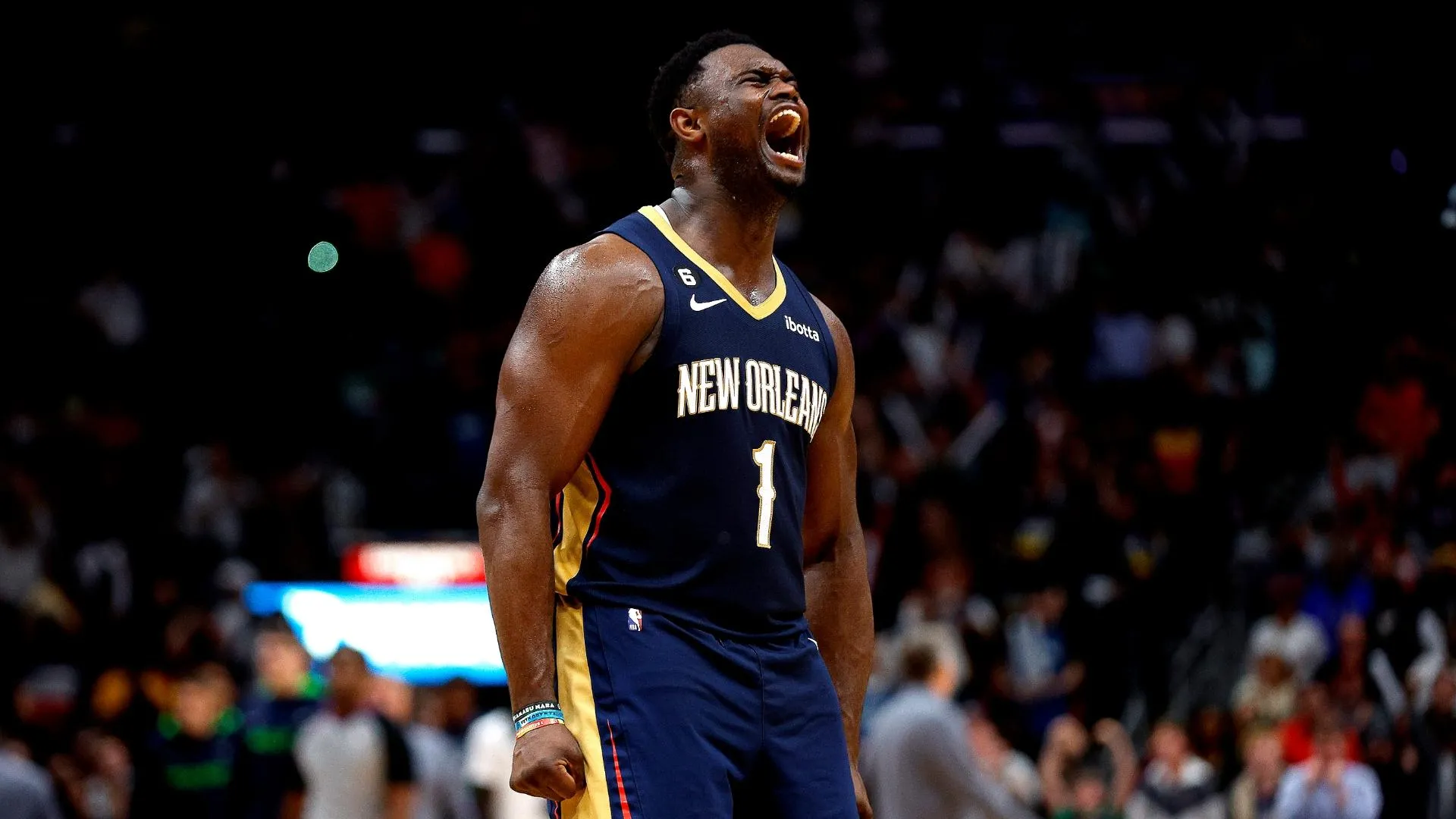
The official diagnosis mentioned re-evaluation in three weeks. That sets a tentative earliest possible return around late December. More likely, if recovery proceeds cautiously, a return might only be possible in early January or later. Both the medical team and coaching staff are avoiding firm return dates for now.
While grade two adductor strains do not always result in season-long absences, the risk of aggravation makes a conservative approach necessary. Pelicans management appears ready to give Williamson time to heal properly rather than rush him back.
Impact on team rotation and performance
In Williamson’s absence perimeter players and younger front court members will see increased minutes and heavier responsibilities. Names such as Saddiq Bey and prospects like Derik Queen could see more action as the Pelicans search for ways to compensate for lost inside scoring and rim protection.
Expectations are modest. No one on the roster currently offers the combination of athleticism, finishing ability and court presence that Williamson does. As a result the Pelicans’ offense and defense likely will suffer. The team’s net rating with and without him underscores that reality.
Playoff hopes and team morale
Before the injury the Pelicans were already having a rough season. They began 2025-26 with just three wins in over twenty games. With Williamson out, the likelihood of a postseason push becomes even more remote. The front office may need to shift focus from a playoff run to development of younger talent or long-term planning.
Morale could become another issue. Williamson is viewed as the franchise cornerstone. His repeated absences over the years have already tested patience among fans and teammates. Now another setback might push the team to rely heavily on mental strength, chemistry and coaching leadership to stay competitive. Borrego’s public vow to support Zion and his teammates suggests a focus on solidarity and long term mindset.
A career overshadowed by physical setbacks
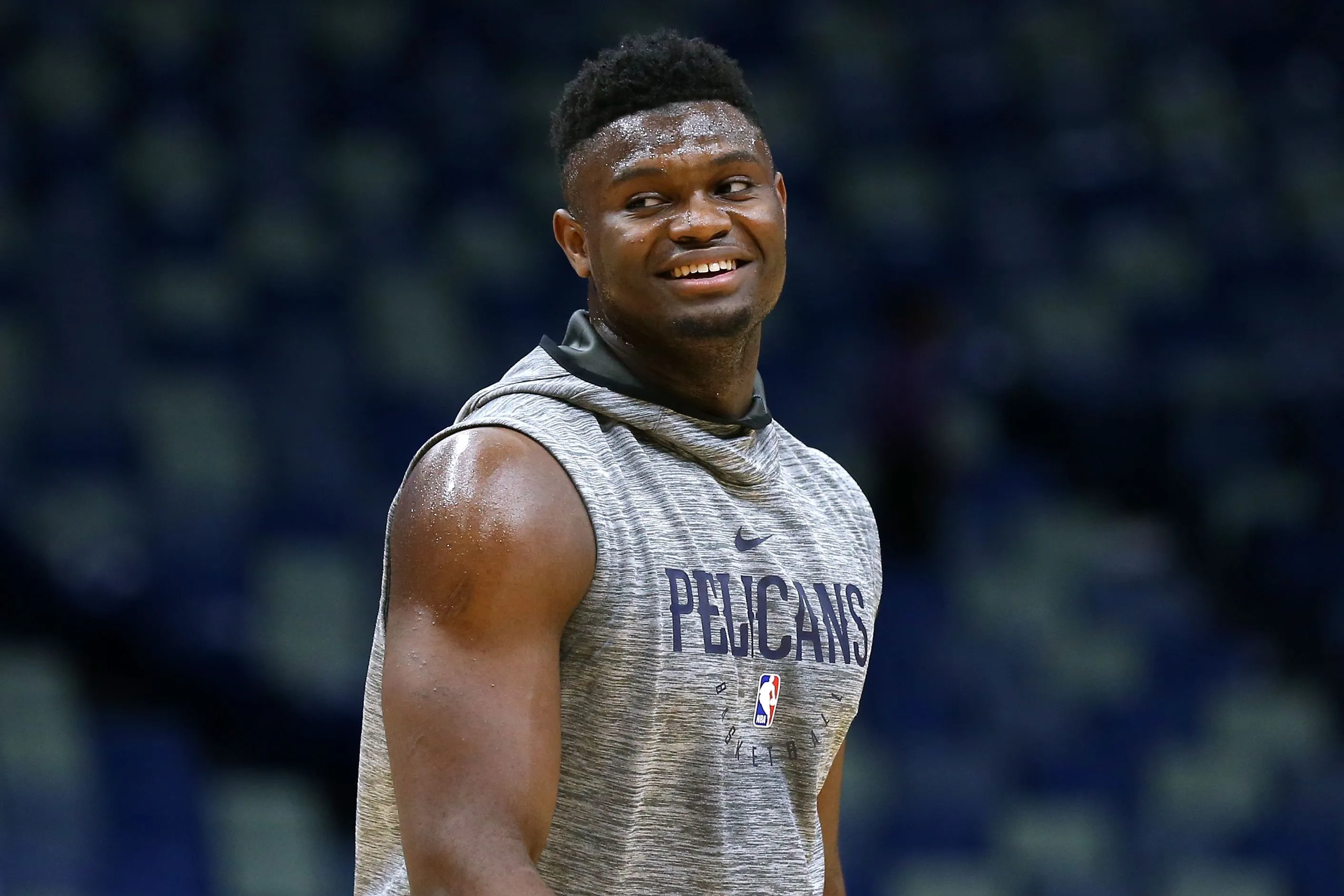
Zion’s latest injury adds to a pattern of frequent health issues that have marked his professional life. Since being selected first overall in 2019 the former college standout has often been unavailable more than present. Through the current season, he has appeared in only a minority of possible games for his team.
Last season he played just thirty games. Over his NBA tenure he has surpassed sixty games in a season only a handful of times. His inability to stay healthy consistently has grown into a major concern among league observers and fans alike.
This history colours every new injury in the eyes of the public and the franchise. Even when he steps on the court he plays under scrutiny, as many wonder whether this will be another flash of brilliance followed by another long absence. That burden places additional pressure on Williamson as he works toward recovery.
What to watch for in the coming weeks
Several developments will chart the next chapter for Zion and the Pelicans.
First the re-evaluation in about three weeks will be crucial. The medical staff will assess healing, strength and readiness to return. Progress or setbacks at that point will determine whether Zion can aim for late December or early January.
Second the performance of the team in his absence will matter. If the Pelicans struggle badly, pressure may build to rush him back. If remaining players step up and display cohesion the organization may be more inclined to wait for a full recovery before reintegrating him.
Third the medical and training staff will need to manage load carefully once he returns. There is a strong incentive to protect him from reinjury. Minutes may be restricted and back to back games avoided for some time.
Finally fan and media reaction will play a role. Repeated injuries have eroded trust among some fans. How the team communicates updates and manages expectations could influence public perception and internal morale.
Balancing hope and realism
Despite the recurring setbacks, Zion remains one of the most dynamic players in the league when healthy. His combination of size, athleticism and skill is rare. The Pelicans drafted him with long term hopes. His flashes of dominance over the years confirm that potential remains real.
That said, durability has become the central question. For New Orleans to build something sustainable the franchise may need to consider contingency plans. Relying on one fragile star carries risk. Developing depth, cultivating young prospects and preserving cap flexibility may become more valuable than ever.
From the perspective of fans there is still room for hope. Recovery from an adductor strain is not necessarily career threatening. If rehabilitation goes well and returns are handled carefully Zion could very well return this season and make a meaningful impact.
But the lessons of history urge caution. This season may prove to be a test of patience and long term strategy rather than a pursuit of immediate success.