

 Vietnamese
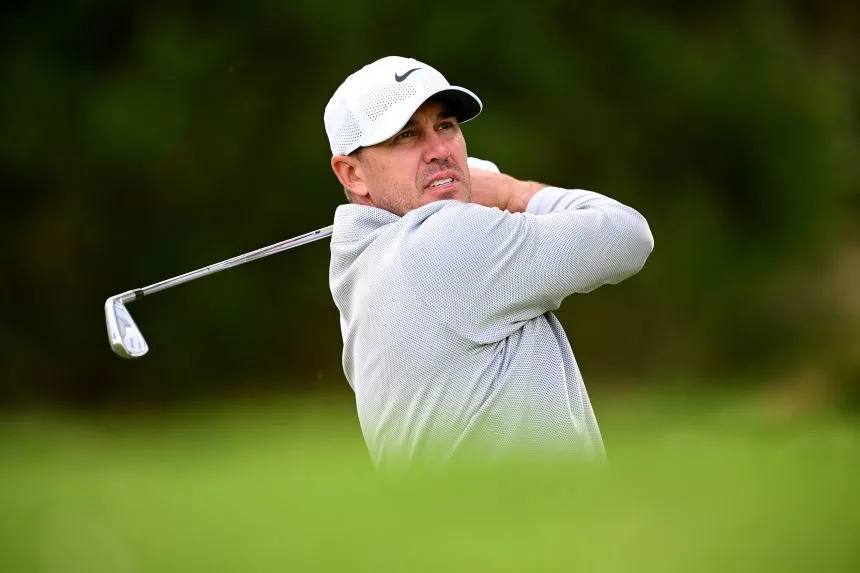
Professional golf has rarely been quiet in recent years, but the latest comments from Wyndham Clark have once again thrust the sport’s ongoing internal conflict into the spotlight. As Brooks Koepka inches closer to a high-profile return that intersects with the PGA Tour, Clark’s candid remarks underscore just how unresolved—and emotional—the divide in men’s golf remains.
At the heart of the conversation is not just Koepka’s presence, but what it represents: lingering resentment, questions of loyalty, and a sport still wrestling with the fallout from the rise of LIV Golf.
This is more than a return. It’s a reckoning.
A Return That Reopens Old Wounds
When Brooks Koepka left the PGA Tour for LIV Golf, the move symbolized a broader shift in professional golf. Star players were no longer bound by tradition alone; financial incentives, scheduling flexibility, and long-term security became central to career decisions.
Now, with Koepka’s name once again intertwined with PGA Tour competition and relevance, emotions have resurfaced—especially among those who stayed.
Wyndham Clark’s comments didn’t come across as carefully filtered PR responses. Instead, they reflected a raw honesty shared by many players who feel they bore the brunt of the Tour’s most turbulent period.
Wyndham Clark: From Rising Star to Vocal Leader
Clark’s rise on the PGA Tour has been defined by consistency, confidence, and an unshakeable belief in his own path. Unlike some of his peers, Clark remained loyal to the PGA Tour during the LIV exodus—a decision that now shapes how he views returning figures.
His remarks reflect a sentiment shared quietly across locker rooms:
-
Staying came with sacrifice
-
Loyalty wasn’t always rewarded immediately
-
Those who left didn’t face the same scrutiny
Clark didn’t accuse Koepka outright, but his tone suggested frustration with the idea that past decisions can simply be brushed aside.
Brooks Koepka’s Complicated Legacy

Koepka’s resume speaks for itself. Multiple major championships. A reputation as one of the fiercest competitors of his generation. When healthy and motivated, Koepka remains a force capable of dominating the biggest stages.
But his move to LIV Golf changed how many within the PGA Tour ecosystem perceive him. For some:
-
He chased financial security over legacy
-
He contributed to the Tour’s instability
-
He distanced himself from peers who stayed
For others, Koepka simply exercised his right to choose.
That dichotomy sits at the core of today’s tension.
Why This Moment Feels Different
Golf insiders have long predicted that returning narratives would spark controversy—but the intensity of Clark’s reaction highlights how little closure the sport has achieved.
Several factors amplify the situation:
-
Ongoing negotiations between the PGA Tour and LIV Golf backers
-
Unclear long-term structure of elite professional golf
-
Uneven consequences for players who left versus those who stayed
Koepka’s return isn’t happening in a vacuum. It’s unfolding amid unresolved institutional and personal conflicts.
The Loyalty Debate: Who Paid the Price?
One of the most divisive themes in Clark’s comments centers on loyalty.
Players who stayed on the PGA Tour endured:
-
Reduced fields
-
Weakened events during peak LIV departures
-
Fan criticism and uncertainty
Many believe they held the Tour together during its most fragile phase.
Clark’s frustration appears rooted in a simple question:
If everyone can come back without consequence, what was the point of staying?
That question has no easy answer—and the PGA Tour hasn’t provided one yet.
PGA Tour’s Tightrope Walk


From an organizational standpoint, the PGA Tour faces a near-impossible balancing act.
On one side:
-
Reintegrating star power strengthens competition
-
Fans want to see the best players together
On the other:
-
Alienating loyal members risks internal fracture
-
Perceived favoritism damages credibility
Clark’s comments highlight the Tour’s vulnerability. Every decision moving forward risks pleasing one group while angering another.
Fans Are Split—And Vocal
Public reaction to the situation mirrors the division among players.
Some fans argue:
-
Golf should prioritize talent over politics
-
Koepka earned his place through performance
-
The past should stay in the past
Others side with Clark:
-
Loyalty matters
-
Choices should have consequences
-
Integrity outweighs entertainment
Social media has become a battleground, with Clark’s remarks fueling heated debate across golf communities.
LIV Golf’s Lingering Influence
Even as the conversation centers on Koepka and Clark, LIV Golf remains the invisible force shaping every narrative.
The league’s impact:
-
Reshaped player leverage
-
Challenged the PGA Tour’s authority
-
Forced structural reform discussions
Clark’s frustration isn’t just about Koepka—it’s about a system that allowed disruption without clear resolution.
A Locker Room Divided?


While no one expects open hostility on the course, insiders suggest underlying tension remains palpable.
Some players quietly support Clark’s stance. Others remain neutral, eager to move forward. A few welcome Koepka’s return with open arms.
What’s clear is this:
-
Trust hasn’t fully returned
-
Unity is fragile
-
Leadership matters more than ever
The PGA Tour’s next steps will either heal these divisions—or deepen them.
The Competitive Impact
From a purely sporting perspective, Koepka’s presence raises the bar.
Benefits include:
-
Stronger fields
-
More compelling major storylines
-
Increased global interest
For players like Clark, however, competition is only part of the equation. Respect, fairness, and accountability carry equal weight.
Can Golf Truly Move On?
The sport stands at a crossroads.
To move forward, professional golf must address:
-
Clear reintegration standards
-
Transparent communication
-
Equal treatment for all players
Without these, tensions like the one highlighted by Clark will continue to surface—again and again.
What This Means for Wyndham Clark
Clark’s willingness to speak openly may redefine his role beyond performance alone. He’s emerging as:
-
A voice for loyalists
-
A representative of player frustration
-
A leader unafraid of controversy
Whether this stance helps or hinders his career remains to be seen, but it undeniably cements his presence in golf’s broader narrative.
What This Means for Brooks Koepka
For Koepka, the road ahead requires more than strong finishes. It demands:
-
Rebuilding relationships
-
Navigating scrutiny
-
Proving commitment beyond contracts
His talent was never in question. His integration now is.
Final Thoughts: A Sport Still in Transition
Wyndham Clark’s unfiltered comments have reignited a conversation golf hasn’t finished having. Brooks Koepka’s return, while exciting on paper, exposes unresolved fractures beneath the surface of professional golf.
This moment isn’t just about two players—it’s about identity, values, and the future of the sport.
Until golf defines what loyalty, choice, and consequence truly mean in the modern era, tensions like these will continue to shape headlines—and the game itself.
One thing is certain: the era of quiet compromise in professional golf is over.







