

 Vietnamese

With the countdown to the Winter Olympics intensifying, organizers are now confronting one of the most critical challenges facing the Games: an unfinished ice hockey venue racing against the clock.
Ice hockey, one of the Winter Olympics’ most-watched and prestigious events, sits at the center of growing concern after reports confirmed that the primary arena intended to host the tournament remains incomplete. With global attention mounting, the situation has sparked questions about preparedness, athlete safety, and whether contingency plans may soon be required.
Why Ice Hockey Is Central to the Winter Olympics


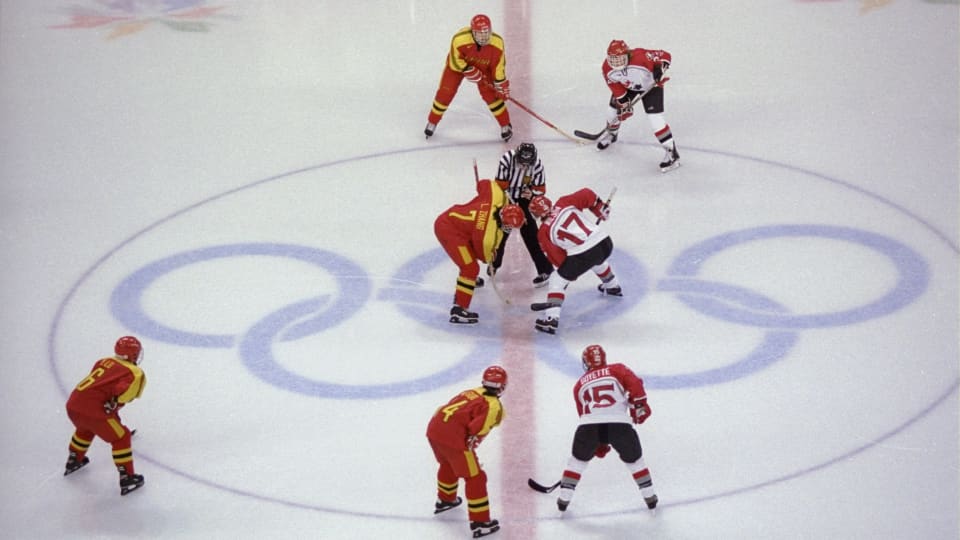
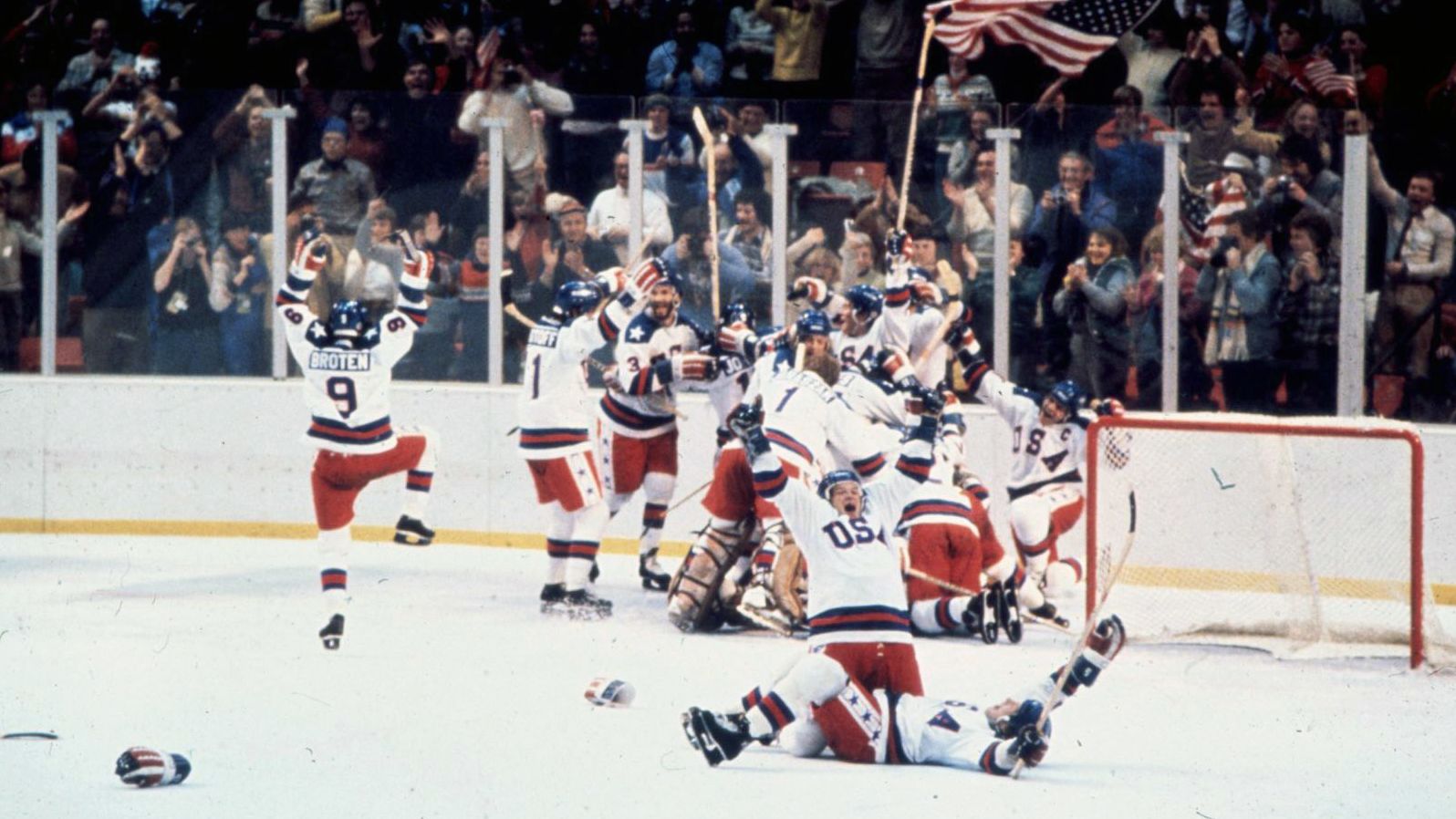
Ice hockey isn’t just another Olympic sport—it’s a flagship event.
Historically, Olympic hockey:
-
Draws millions of global viewers
-
Showcases elite international rivalries
-
Serves as a stage for NHL-level talent
-
Defines national pride for powerhouse hockey nations
Any disruption to this event threatens to overshadow the broader success of the Games themselves.
The Venue Problem: What’s Going Wrong?


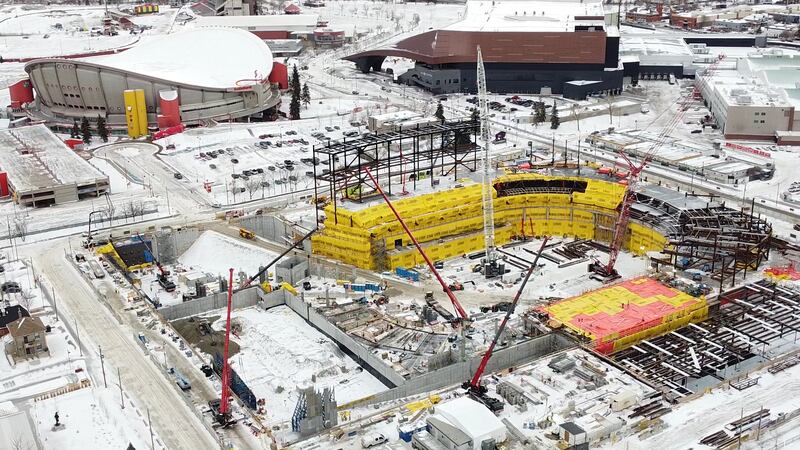
According to reports highlighted by EssentiallySports, the hockey venue’s construction timeline has fallen behind schedule due to a combination of:
-
Delays in infrastructure development
-
Supply chain disruptions
-
Weather-related setbacks
-
Complex technical requirements for ice quality and seating
Unlike standard arenas, Olympic hockey venues must meet strict international standards, including ice consistency, broadcast infrastructure, and athlete facilities.
Why Timing Matters More Than Ever
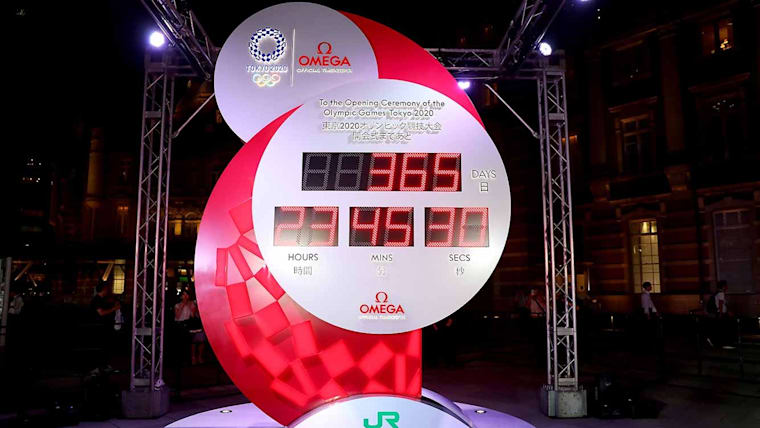



Olympic venues aren’t finished the week before opening ceremonies.
They require:
-
Months of test events
-
Ice quality trials
-
Security rehearsals
-
Broadcast and lighting calibration
With the Games approaching, every missed construction milestone compresses preparation time—raising the risk of last-minute complications.
The NHL Factor: Why This Delay Has Bigger Implications




The venue delay arrives at a sensitive moment for international hockey.
The National Hockey League has long debated player participation in the Olympics, with logistics and safety being key sticking points.
An unfinished venue:
-
Complicates negotiations
-
Raises concerns about player readiness
-
Adds risk to an already complex decision
For NHL officials, certainty and stability are non-negotiable.
What Happens If the Venue Isn’t Ready in Time?
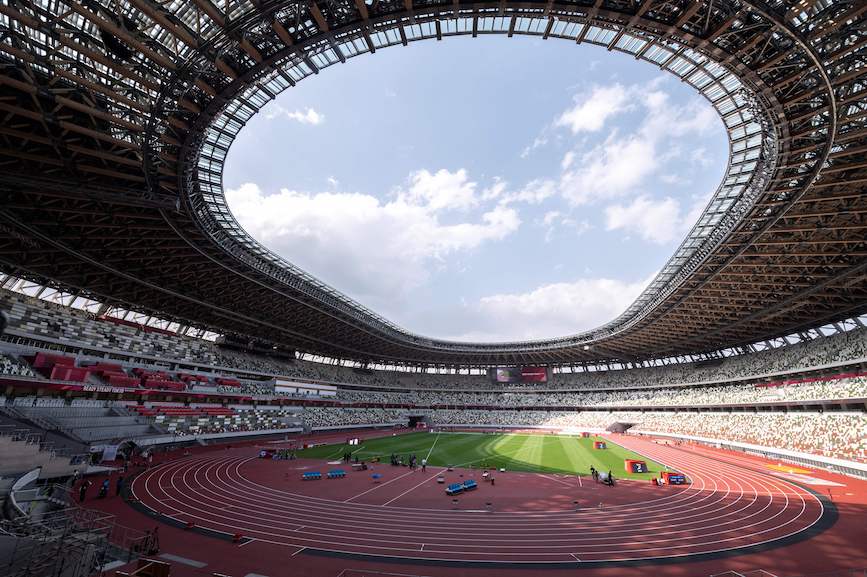


Organizers have several unappealing options if delays persist:
-
Accelerated construction at increased cost
-
Relocating games to secondary arenas
-
Reducing test-event schedules
-
Implementing temporary infrastructure solutions
Each option carries financial, logistical, and reputational risks.
Lessons From Past Olympic Construction Delays

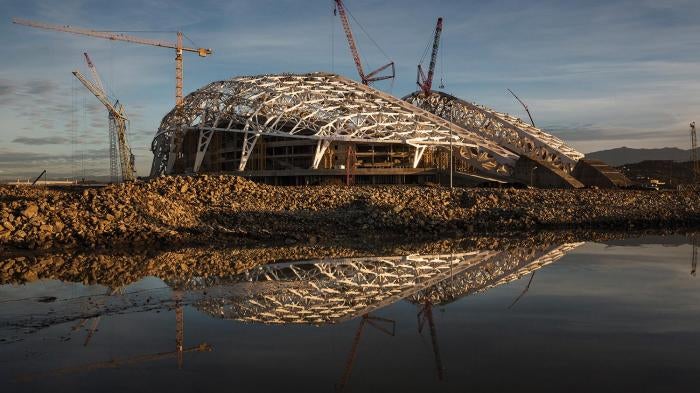
Olympic history offers cautionary tales.
Previous Games have faced:
-
Late-night construction before opening ceremonies
-
Incomplete athlete villages
-
Last-minute safety approvals
While most Games ultimately proceed, the stress placed on athletes, organizers, and broadcasters is immense—and often avoidable.
Athlete Concerns: Safety, Ice Quality, and Preparation


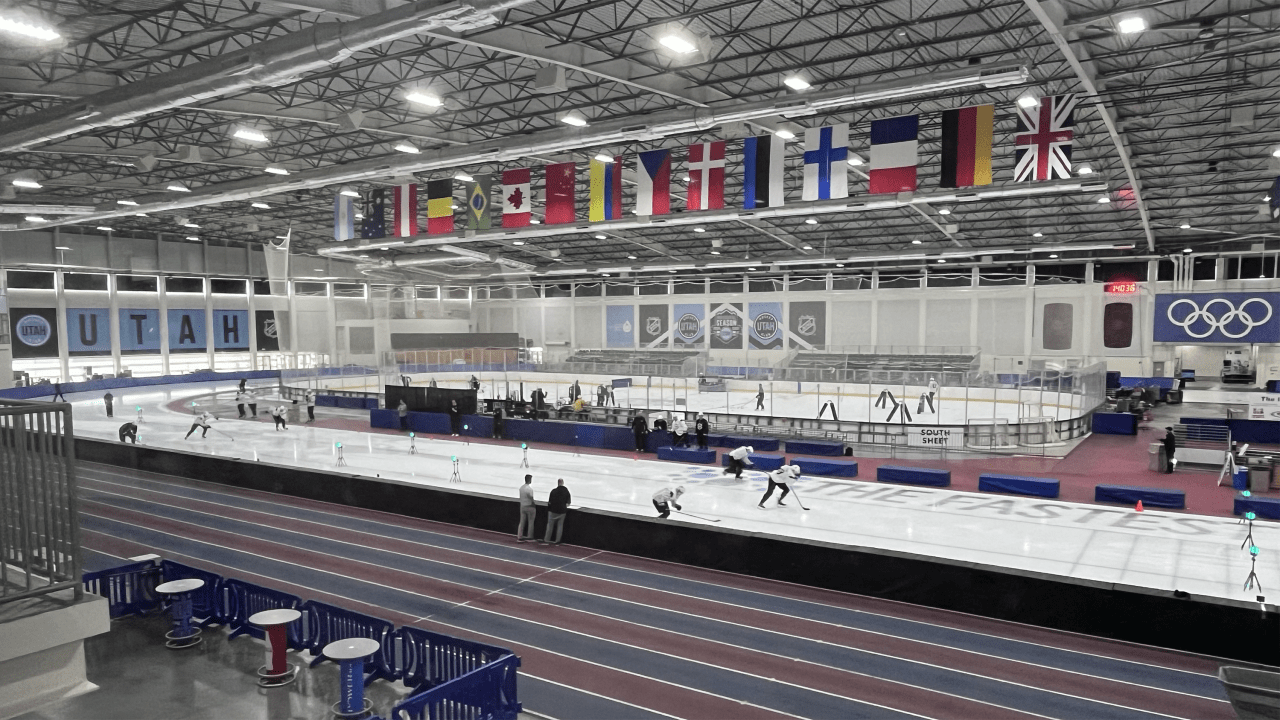

For players, the biggest worries include:
-
Ice quality consistency
-
Locker room and medical facilities
-
Practice availability before competition
Elite hockey relies on predictable ice conditions. Even minor inconsistencies can increase injury risk.
Broadcast and Global Viewership at Stake



Ice hockey is a broadcast centerpiece.
Incomplete venues complicate:
-
Camera placement
-
Lighting calibration
-
Audio setup
-
Fan seating logistics
Broadcasters require weeks—not days—to prepare seamless global coverage.
Financial Pressure Mounts on Organizers




Every delay costs money.
Accelerated construction schedules often lead to:
-
Overtime labor expenses
-
Emergency procurement
-
Reduced quality control
These costs can ripple across other Olympic projects, forcing difficult trade-offs.
Public Perception and Political Pressure




Olympic hosts operate under intense public scrutiny.
A delayed hockey venue:
-
Invites international criticism
-
Fuels social media backlash
-
Places political pressure on local officials
Perception matters—especially for an event built on global prestige.
Can the Venue Still Be Finished on Time?
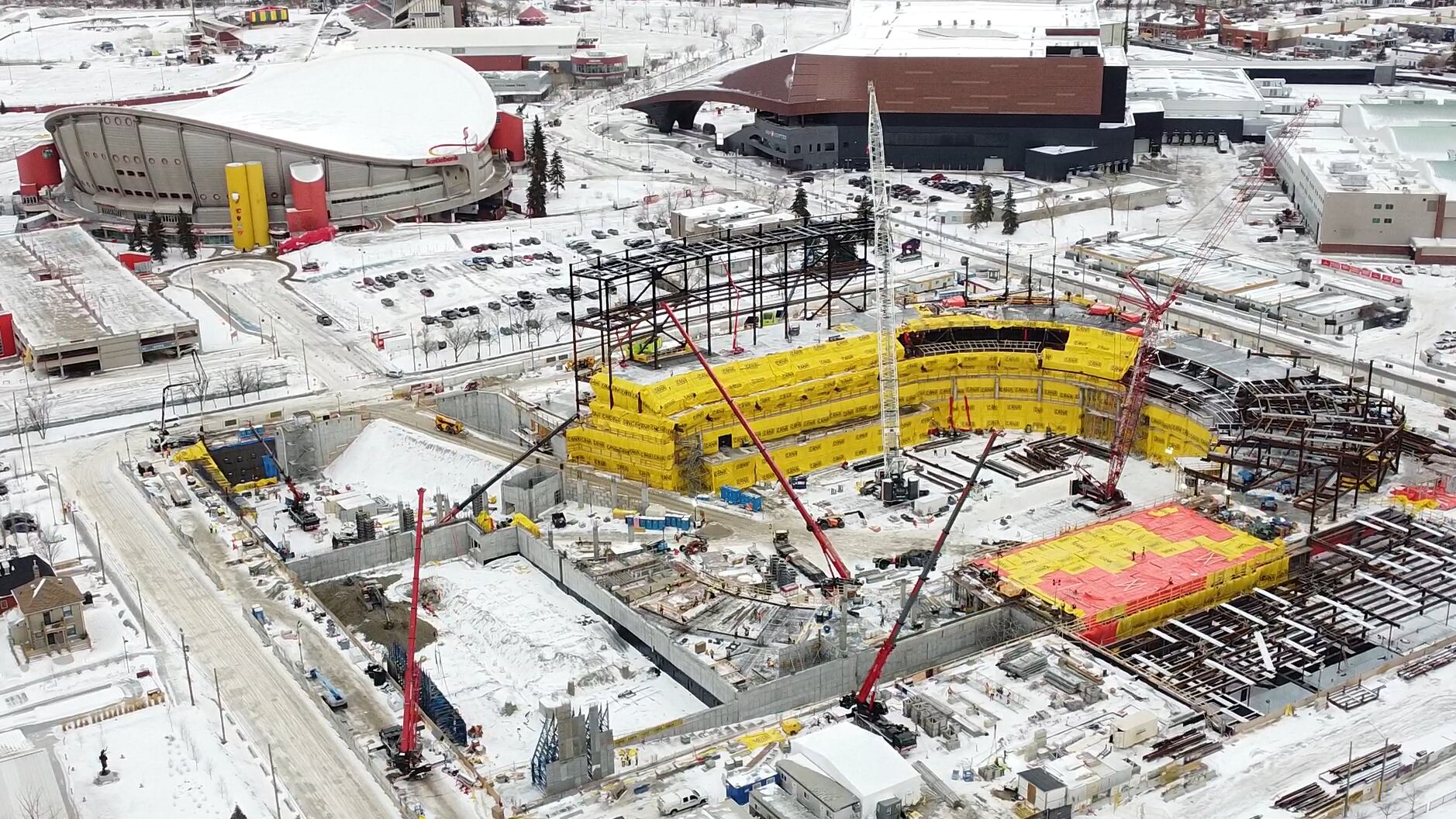


Despite concerns, organizers remain publicly optimistic.
Historically:
-
Olympic construction often accelerates dramatically near deadlines
-
Round-the-clock work schedules are implemented
-
Final inspections are compressed
While risky, this approach has succeeded before—though not without stress.
What Hockey Fans Should Watch Closely



Key developments to monitor:
-
Official progress updates from organizers
-
NHL statements regarding player participation
-
Test-event confirmations
-
Construction milestone announcements
Each update will signal whether confidence is rising—or eroding.
Why This Moment Matters for Olympic Hockey’s Future


The stakes extend beyond a single tournament.
A successful Olympic hockey event:
-
Strengthens international cooperation
-
Encourages NHL participation in future Games
-
Preserves hockey’s status as a Winter Olympics cornerstone
Failure, however, could reshape how elite hockey engages with the Olympic movement.
Final Takeaway
The Winter Olympics ice hockey event now stands at a crossroads.
With its primary venue still incomplete, organizers face mounting pressure to deliver—on time, on budget, and at the world-class standard the Games demand. While optimism remains, the margin for error is shrinking fast.
For players, fans, broadcasters, and governing bodies alike, the next few months will determine whether Olympic hockey shines once again—or becomes overshadowed by logistical setbacks.
One thing is certain: the clock is ticking, and the hockey world is watching.







