

 Vietnamese
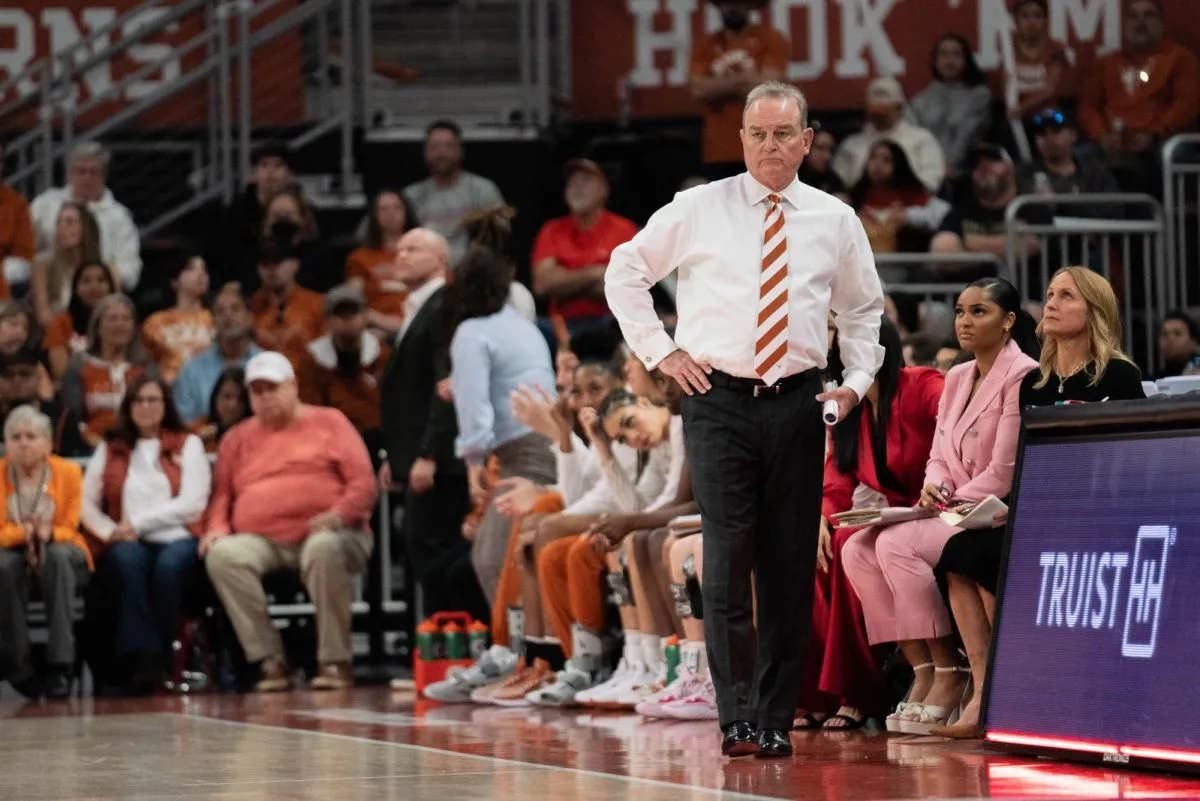
The Texas Longhorns’ perfect season came to a sudden halt at the hands of the LSU Tigers, and in the aftermath of the highly anticipated showdown, head coach Vic Schaefer was quick to address the narratives forming around his team. Rather than allowing speculation about locker room chemistry or internal tension to dominate the conversation, Schaefer firmly shifted the focus back to execution, preparation, and the realities of elite-level competition.
The loss—Texas’ first of the season—came against a powerhouse LSU squad led by the ever-polarizing Kim Mulkey, a coach well-versed in turning marquee games into statement wins.
A Clash of Heavyweights in Women’s College Basketball



Few regular-season matchups carried more weight than Texas vs. LSU. The Longhorns entered the game undefeated, riding momentum built on disciplined defense, depth, and composure. LSU, meanwhile, arrived battle-tested, physical, and eager to reassert itself among the nation’s elite.
From the opening tip, the game delivered on its billing:
-
Physical half-court defense
-
Emotional momentum swings
-
High-level coaching adjustments
Ultimately, LSU’s ability to control tempo and win key moments proved decisive.
Texas’ First Loss: Why the Locker Room Became a Talking Point
Whenever an undefeated team stumbles, speculation follows. In Texas’ case, questions quickly emerged:
-
Was complacency setting in?
-
Did pressure finally crack the group?
-
Were there internal issues behind the scenes?
Schaefer wasted no time shutting those ideas down.
Vic Schaefer’s Message: Accountability Over Excuses
Schaefer made it clear that the loss was not the result of locker room discord. Instead, he emphasized fundamentals:
-
Missed defensive rotations
-
Second-chance points allowed
-
Failure to execute late
In his view, attributing the defeat to chemistry issues undermines both the opponent’s excellence and his own team’s professionalism.
At this level, Schaefer suggested, games are decided by details—not drama.
Credit Where It’s Due: LSU’s Winning Formula



LSU’s performance reflected a team comfortable in big moments. Kim Mulkey’s squad:
-
Controlled the glass
-
Forced Texas into difficult shots
-
Played with visible edge and confidence
Mulkey’s teams have long thrived on emotional intensity, and this game was no exception. Her ability to prepare players for pressure situations once again proved decisive.
Kim Mulkey vs. Vic Schaefer: A Coaching Chess Match
This matchup was as much about coaching philosophies as player execution.
-
Schaefer is known for structure, discipline, and defense-first basketball
-
Mulkey thrives on energy, adaptability, and psychological pressure
The contrast created a compelling narrative—and a game that felt like a postseason preview rather than a regular-season contest.
Why Schaefer Rejected the “Distraction” Narrative


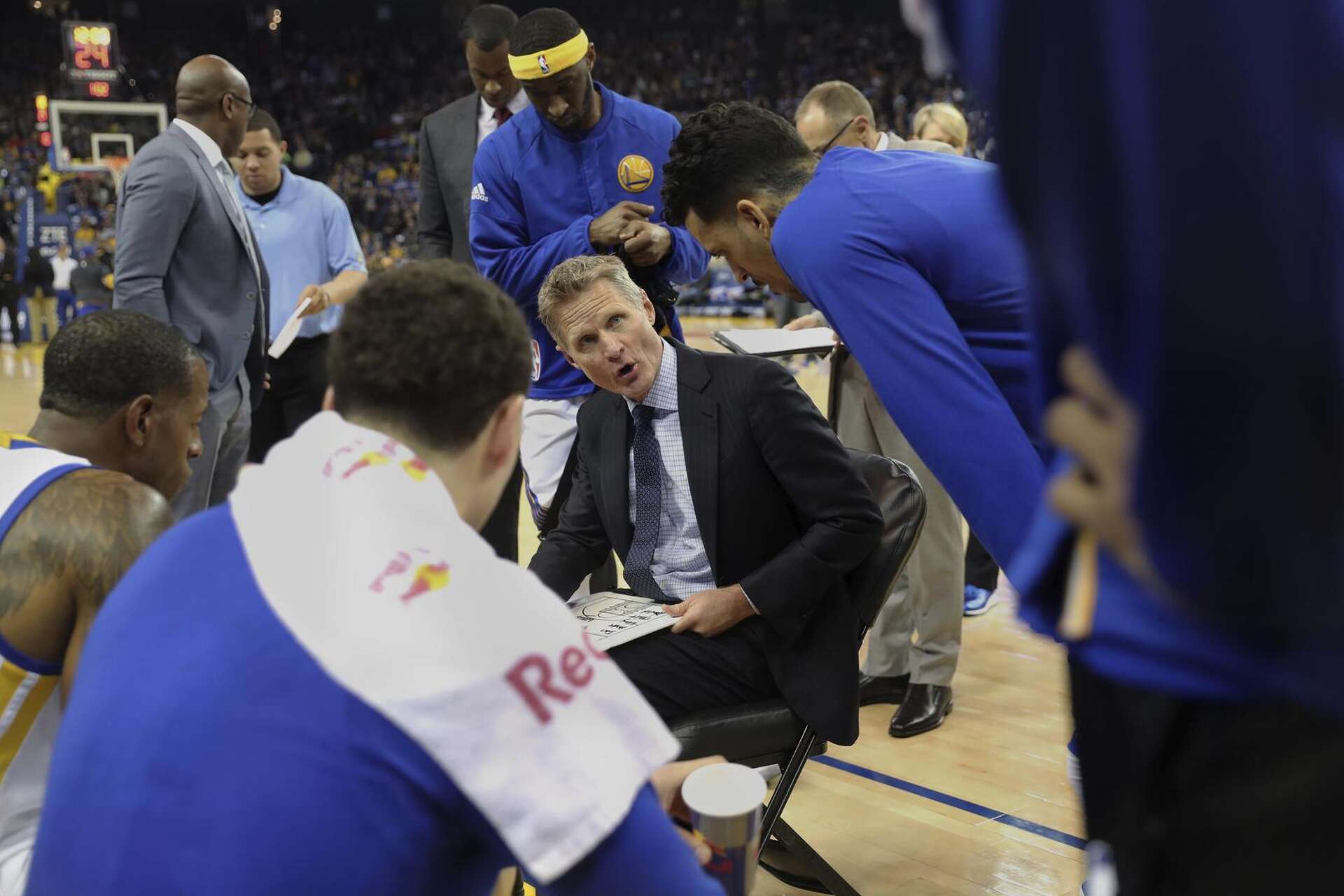
By redirecting attention away from the locker room, Schaefer protected his players from unnecessary scrutiny. His stance reinforces:
-
Trust in team culture
-
Confidence in leadership structure
-
Focus on growth rather than blame
For veteran coaches, controlling the post-loss narrative is almost as important as game planning itself.
What the Loss Reveals About Texas
Despite the defeat, Texas remains one of the most complete teams in the country. The loss exposed areas for improvement, including:
-
Handling physical pressure
-
Scoring consistency against elite defenses
-
Adjusting when Plan A stalls
These lessons, while painful, often become invaluable in March.
The Bigger Picture: Losses as Long-Term Assets
In college basketball, especially at the top, losses are often reframed as opportunities. Schaefer’s approach suggests he views this setback as:
-
A recalibration point
-
A reminder of margins at the elite level
-
A chance to reinforce standards
Teams that navigate adversity well in January often peak at the right time.
How This Impacts Rankings and Postseason Outlook


Texas’ loss will undoubtedly affect rankings, but not expectations. Analysts widely agree:
-
Texas remains a Final Four contender
-
LSU strengthened its résumé significantly
-
A rematch in the postseason is very possible
In that sense, the loss may add intrigue rather than diminish confidence.
Leadership Styles Under the Microscope
This game also reignited discussion around leadership in women’s college basketball:
-
Mulkey’s fiery, confrontational style
-
Schaefer’s steady, controlled demeanor
Both have produced championships and consistent success, reinforcing the idea that there’s no single blueprint for winning at the highest level.
Fan and Media Reaction
Fan reactions were swift and polarized:
-
Texas supporters largely echoed Schaefer’s calm assessment
-
LSU fans celebrated the statement win
-
Neutral observers praised the quality of play
Importantly, few questioned Texas’ long-term credibility—an indication of how strong the program’s foundation has become.
What Texas Must Do Next
Looking ahead, Texas’ priorities are clear:
-
Recommit to defensive identity
-
Sharpen late-game execution
-
Use film to address breakdowns
Schaefer’s confidence suggests internal belief remains intact.
Final Thoughts: A Loss Without a Crisis
Vic Schaefer’s refusal to blame the locker room after Texas’ first loss sends a powerful message. In an era where narratives often overshadow nuance, his response underscored maturity, leadership, and trust in process.
LSU earned the win. Texas absorbed the lesson. And women’s college basketball gained yet another reminder of why its top-tier matchups are must-watch events.
If anything, this result didn’t weaken Texas—it revealed just how high the bar has become.







