

 Vietnamese
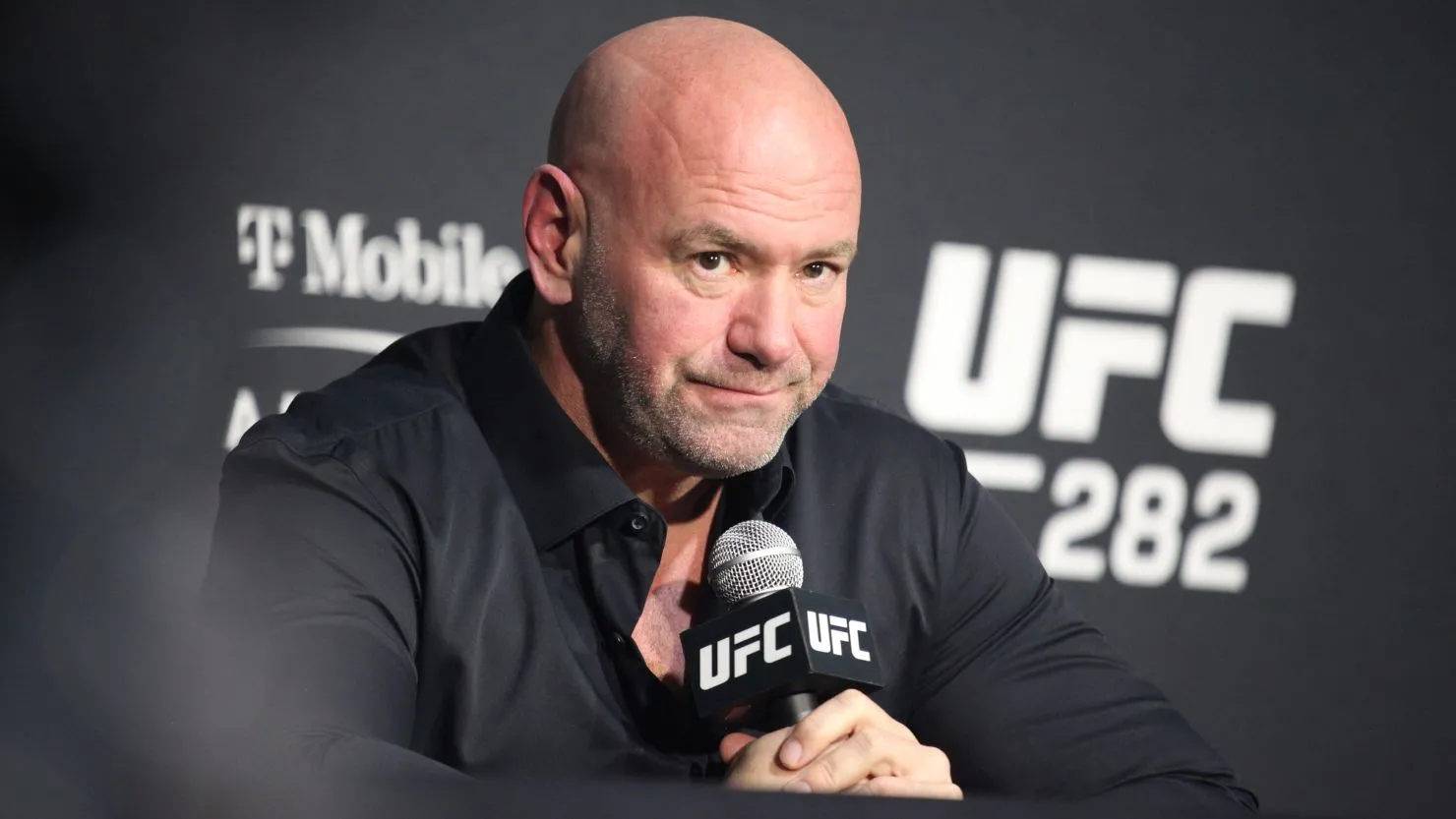
The UFC rankings have long been a source of debate among fighters, fans, and analysts. But rarely does the criticism come so openly from the top. In a recent moment of unfiltered honesty, Dana White, the outspoken president of the Ultimate Fighting Championship, admitted that the rankings “make no sense” once you get past the top 15.
The comment, reported by EssentiallySports, sent shockwaves through the MMA community. If even the UFC boss doesn’t fully believe in the system, what does that say about rankings that influence title shots, contracts, and fighter legacies?
This article breaks down what Dana White said, why fighters are questioning their placements, how the UFC rankings work, and whether meaningful reform could finally be on the horizon.
What Dana White Actually Said
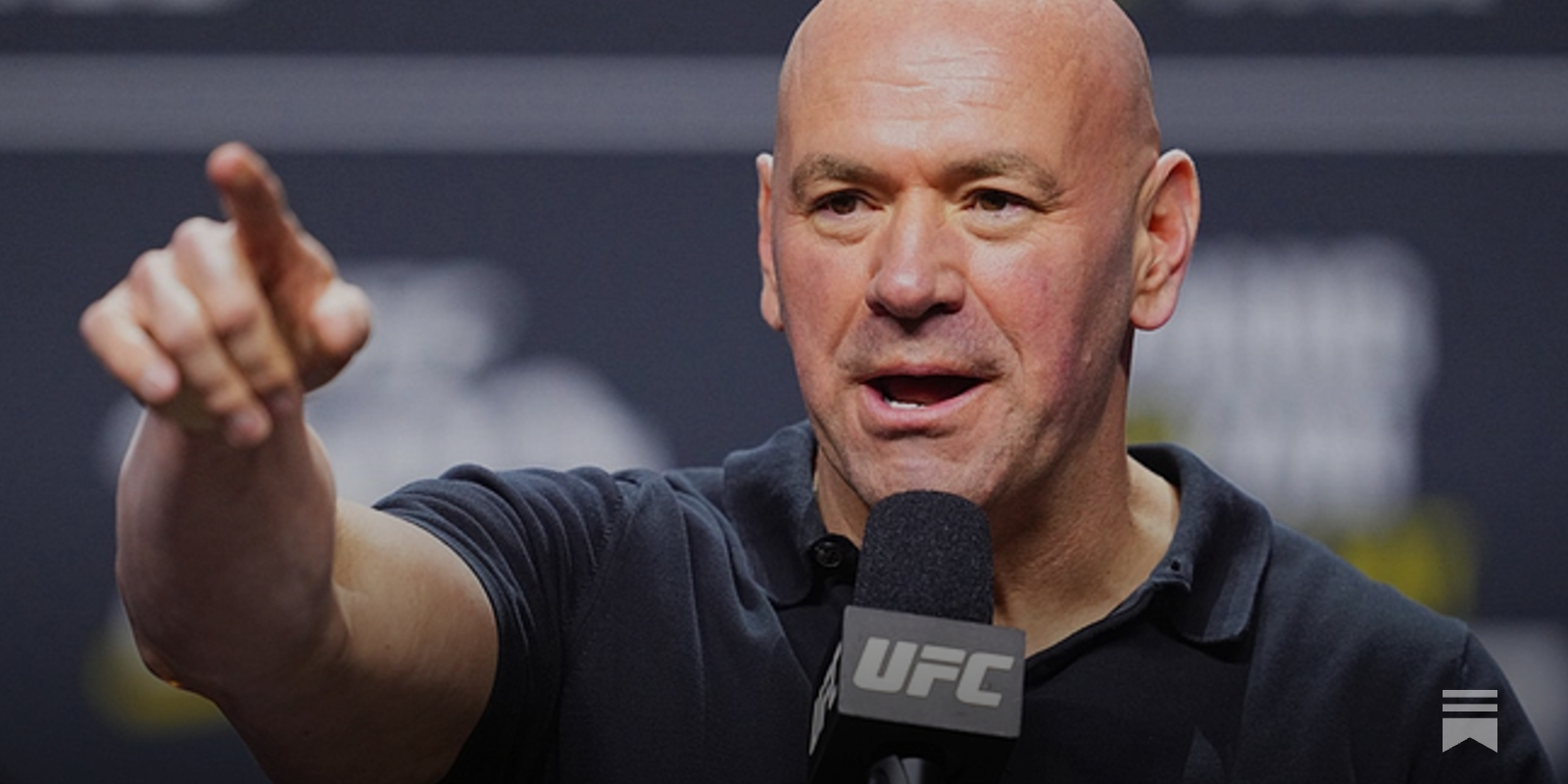


Dana White is known for blunt takes, but this one stood out.
When discussing fighter placement and fan criticism, White openly acknowledged that:
-
The UFC rankings beyond the top 15 are confusing
-
Fighters often question how placements are decided
-
Rankings don’t always reflect momentum or performance
In essence, White confirmed what fans have argued for years: rankings aren’t always logical, consistent, or transparent.
How the UFC Rankings System Works


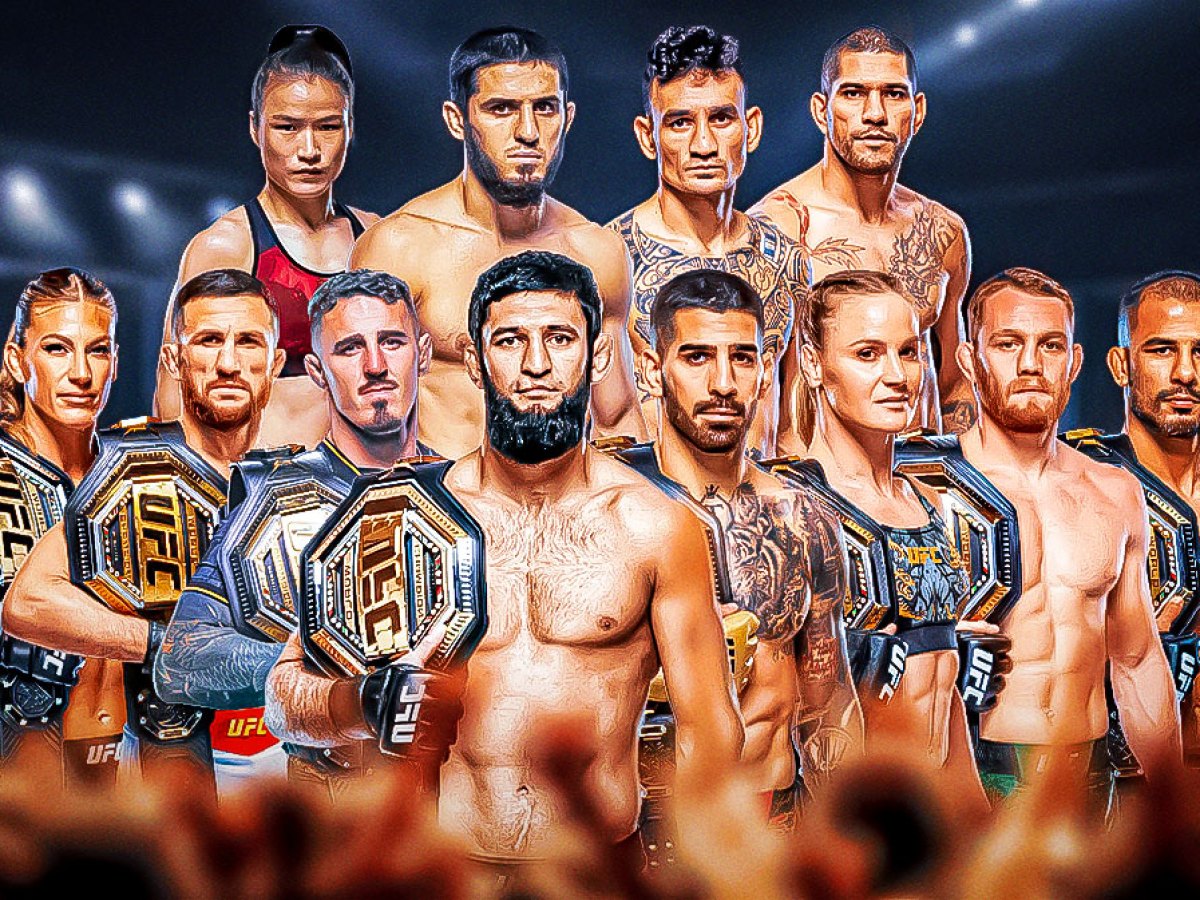

Officially, UFC rankings are determined by:
-
A panel of media members
-
Votes submitted after each event
-
Evaluations of wins, losses, and competition level
The UFC itself claims it does not directly control the rankings—though critics argue the promotion still benefits from them.
Each weight class lists:
-
A champion
-
Top 15 contenders
But what happens outside those top 15 is where confusion explodes.
Why Rankings Matter So Much in the UFC



Rankings aren’t just bragging rights. They influence:
-
Title shot eligibility
-
Main event and co-main event opportunities
-
Sponsorship appeal
-
Contract leverage
A few ranking spots can mean the difference between:
-
Fighting for gold
-
Being stuck on preliminary cards
That’s why fighters scrutinize every update.
Fighters Questioning “Questionable” Placements




Many fighters have publicly questioned:
-
Why wins don’t always lead to ranking jumps
-
How inactivity sometimes isn’t penalized
-
Why losses don’t always cause drops
Some athletes with multiple wins remain unranked, while others hold spots despite long layoffs.
Dana White’s admission validated these frustrations.
The Top 15: Where Structure Ends
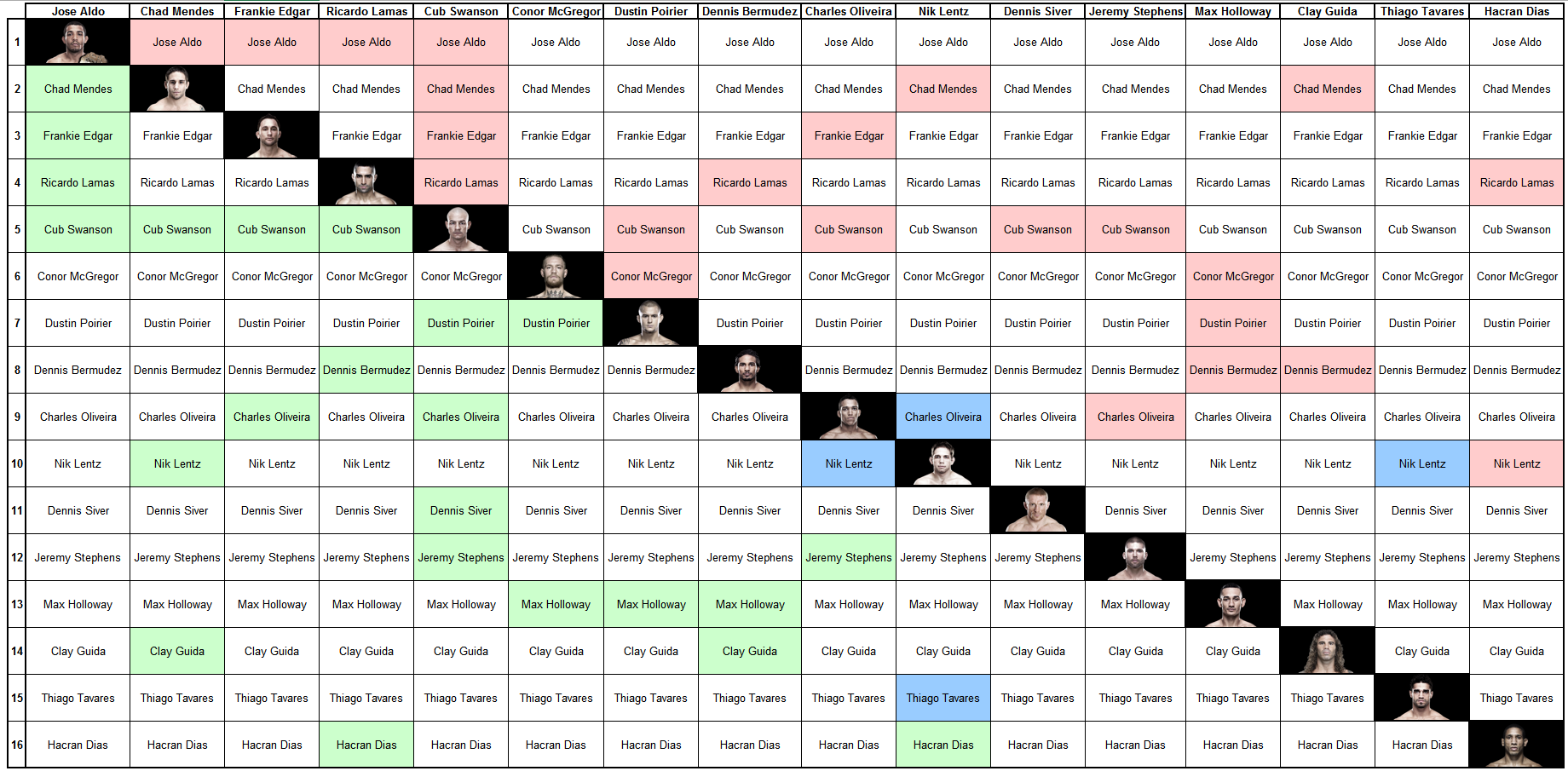


White specifically noted that once you move past the top 15, the structure breaks down.
Why?
-
There is no official ranking beyond that cutoff
-
Fighters just outside the top 15 are essentially invisible
-
Momentum and performance are harder to track
For rising contenders, this creates a bottleneck.
Entertainment vs. Sporting Merit



One uncomfortable truth: the UFC is both a sport and an entertainment business.
That means:
-
Big names often get opportunities faster
-
Marketability can outweigh rankings
-
Storylines sometimes trump statistics
White has never hidden this reality, but it clashes with the idea of a pure merit-based system.
Why Dana White’s Admission Is a Big Deal
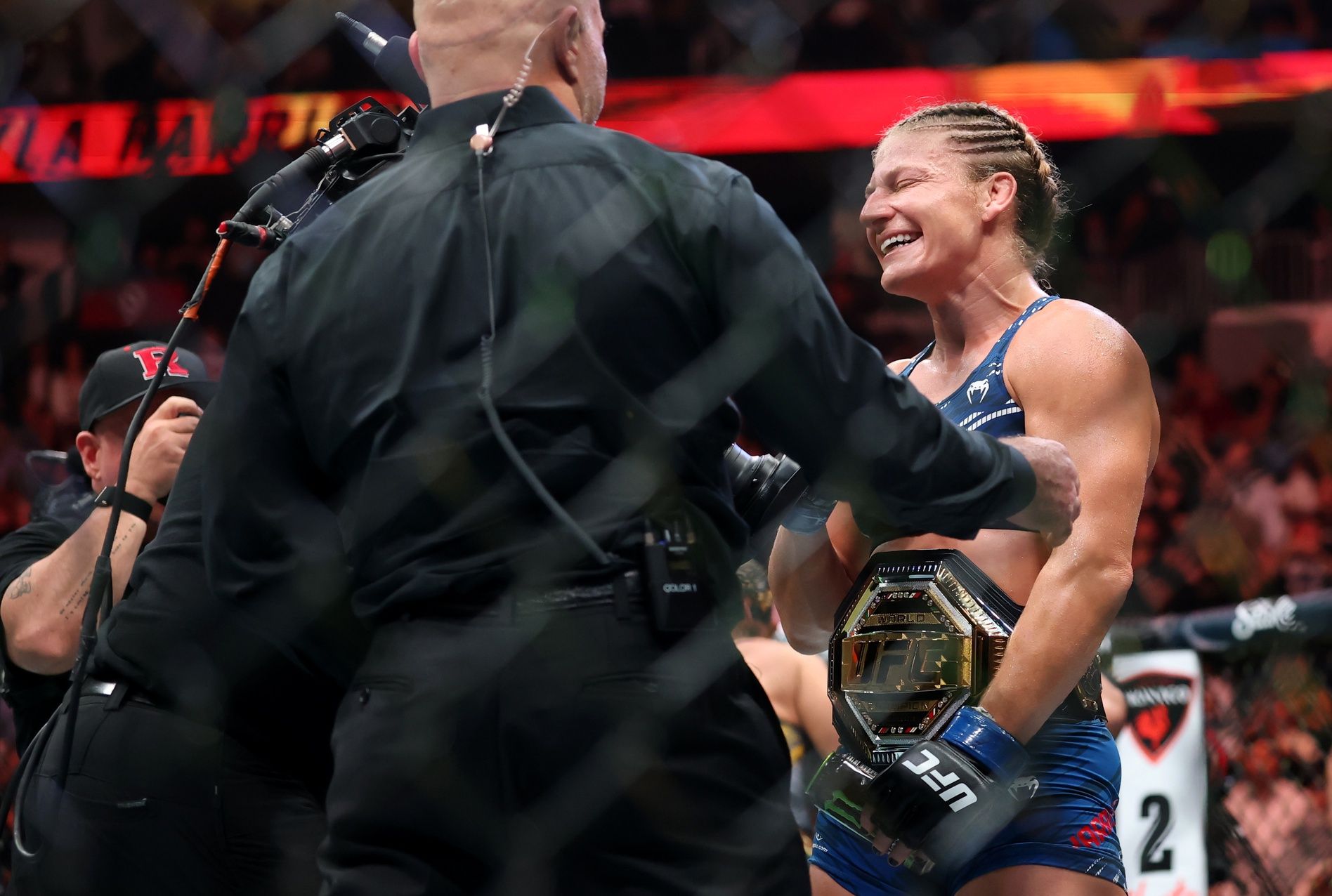


When fighters complain, it’s often dismissed as sour grapes. When fans complain, it’s expected.
But when the UFC president admits flaws, it:
-
Confirms systemic issues
-
Opens the door to reform discussions
-
Undermines the authority of rankings
White’s honesty shifts the conversation from denial to accountability.
Historical Ranking Controversies
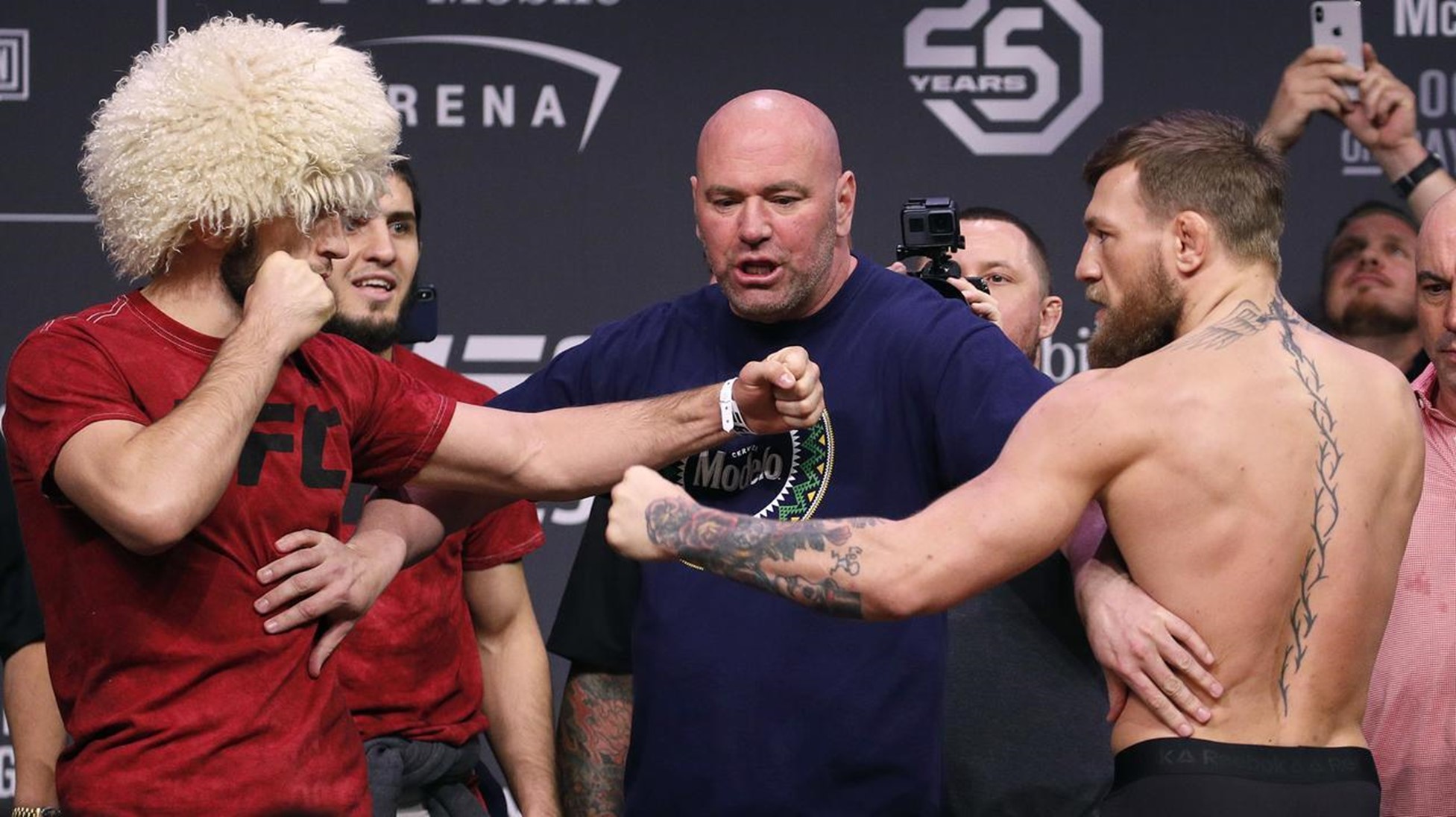


The UFC has seen plenty of ranking debates:
-
Fighters jumping straight to title shots
-
Champs losing once and staying near the top
-
Veterans retaining spots after inactivity
These inconsistencies have long fueled skepticism.
Do Other Combat Sports Do It Better?


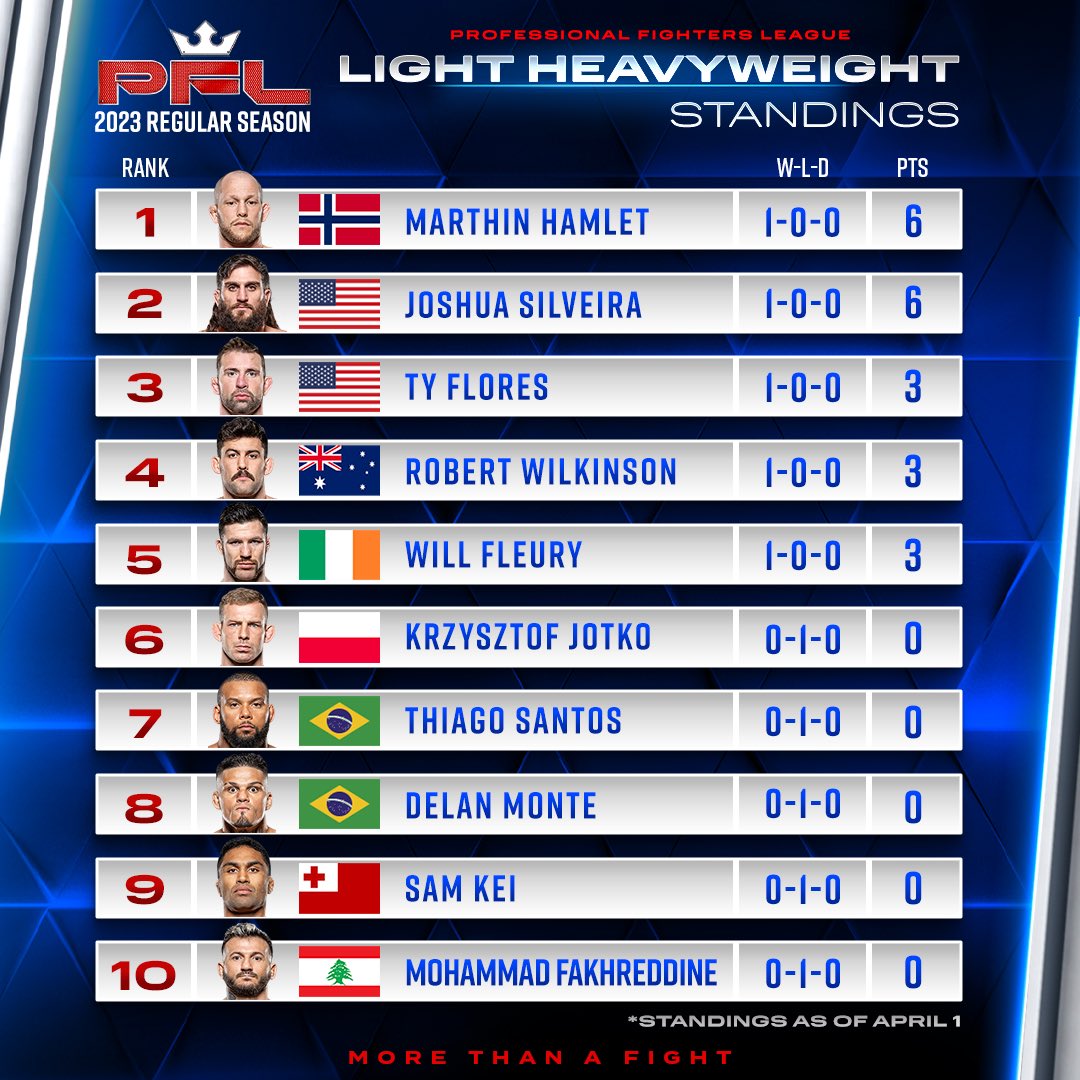
Even outside the UFC:
-
Boxing rankings are fragmented
-
Other MMA promotions experiment with season formats
No system is perfect—but the UFC’s influence makes its flaws more visible.
Could the UFC Fix the Rankings?

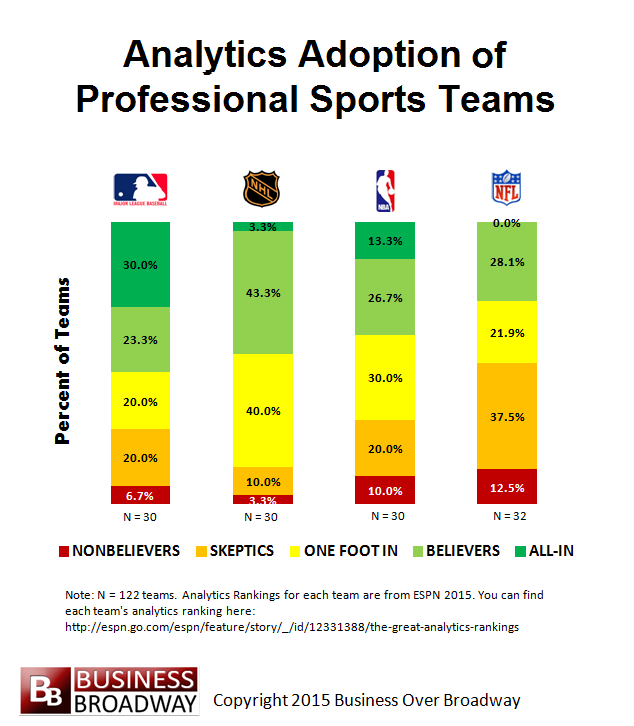


Possible improvements include:
-
Clear ranking criteria
-
Greater transparency from voters
-
Expanded rankings beyond top 15
-
Incorporating analytics and activity metrics
White hasn’t announced changes—but acknowledgment is often the first step.
Why the UFC Might Not Want Full Reform



Ironically, imperfect rankings give the UFC flexibility:
-
Easier matchmaking
-
Faster promotion of stars
-
Less restriction on business decisions
A rigid system could limit promotional creativity.
How Fans Are Reacting




Fan response has ranged from:
-
“Finally, honesty”
-
To “Then why have rankings at all?”
Many appreciate White’s candor, even if solutions remain unclear.
What This Means for Fighters’ Careers


For fighters, the takeaway is sobering:
-
Rankings are helpful, but not definitive
-
Performance, timing, and popularity still rule
-
Advocacy matters
Understanding the system may be as important as winning inside the cage.
Is the UFC Ranking System Broken—or Just Honest?


Some argue the rankings aren’t broken—they simply reflect MMA’s chaotic nature.
Fighting styles clash, injuries happen, and one punch can change everything. A perfectly logical ranking may be impossible.
Final Takeaway
Dana White’s admission that UFC rankings “make no sense” beyond the top 15 is one of the most candid acknowledgments the promotion has ever seen.
It validates fighter frustration, fuels fan debate, and highlights the tension between sport and spectacle in MMA. Whether reform follows remains uncertain—but the conversation has officially shifted.
In a sport built on controlled chaos, perhaps the rankings were never meant to be perfectly ordered. Still, transparency and clarity could go a long way toward restoring trust.







