

 Vietnamese
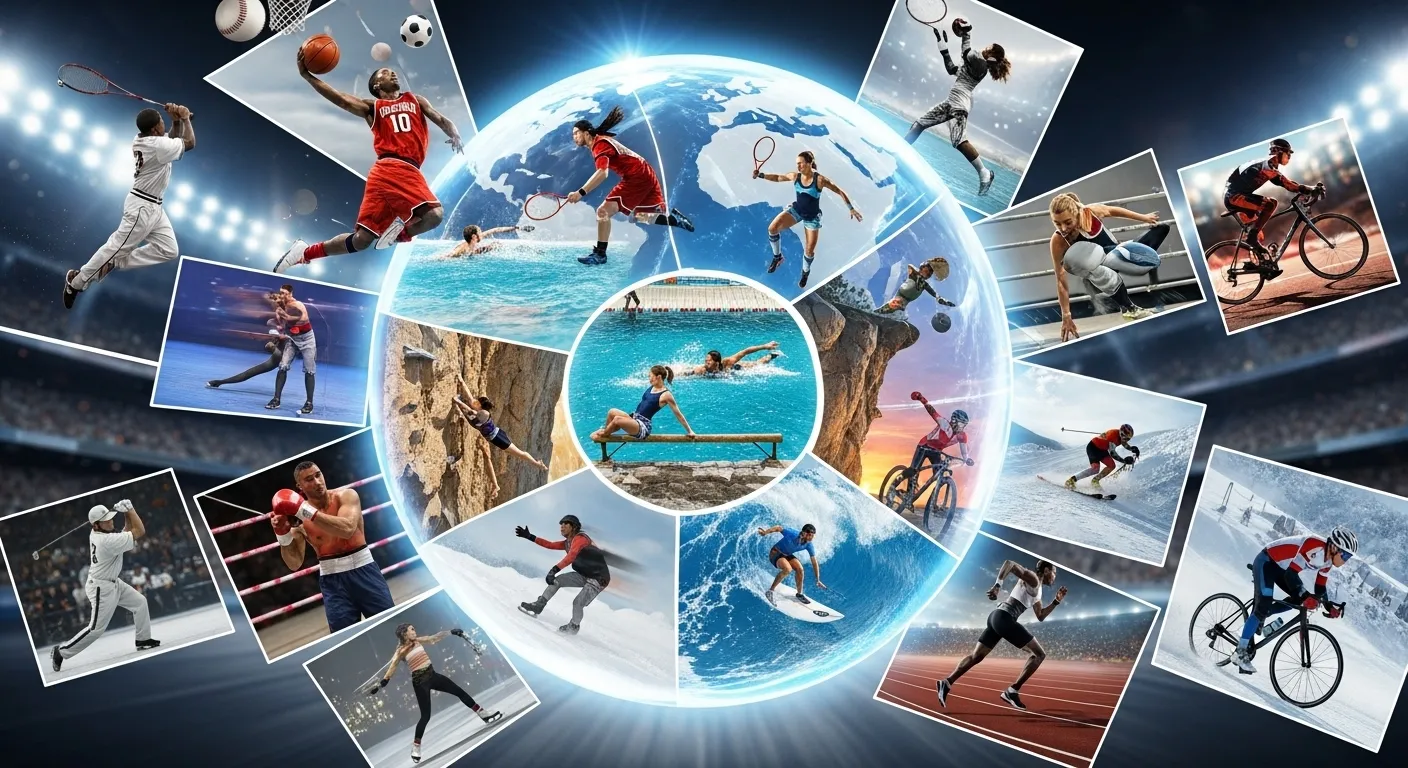
The Evolution of Modern Sports in 2026: From Global Expansion to Athlete-Driven Narratives
Introduction
Sports in 2026 are no longer confined to stadiums, scoreboards, or even national boundaries. What we’re witnessing today is a seismic shift in how sports are played, consumed, and monetized. From international expansion to athlete-led storytelling, the modern sports landscape is evolving at a pace never seen before.
Publications like EssentiallySports have captured this transformation by focusing not just on scores, but on narratives—stories that humanize athletes, amplify controversies, and connect fans emotionally to the game.
In this article, we dive deep into the defining trends shaping sports in 2026 and beyond.
The Globalization of Sports: A Borderless Arena
One of the most defining features of modern sports is its rapid globalization. Major leagues and organizations are actively pushing beyond traditional markets, targeting new audiences across Asia, the Middle East, and Africa.
A striking example comes from American football legend Tom Brady, who recently made headlines by participating in an international flag football event in Saudi Arabia. This move reflects a broader effort to globalize American football and introduce it to new demographics.
This trend isn’t limited to football. The upcoming 2026 FIFA World Cup will feature 48 teams, marking the largest expansion in the tournament’s history.
Similarly, multi-sport events like the 2026 Asian Games are introducing newer disciplines such as mixed martial arts and surfing, appealing to younger, global audiences.
Why Global Expansion Matters
-
New Revenue Streams: Broadcasting rights and sponsorship deals are skyrocketing.
-
Fan Base Growth: Emerging markets bring millions of new fans.
-
Cultural Exchange: Sports become a universal language bridging cultures.
The takeaway? Sports are no longer local—they’re global ecosystems.

Athlete Empowerment: More Than Just Players
Today’s athletes are not just competitors—they are brands, influencers, and entrepreneurs.
Take Iga Swiatek, for example. With millions in endorsements and global recognition, she represents a new generation of athletes who leverage both performance and personality to build powerful personal brands.
Athletes now control their narratives through social media, podcasts, and direct fan engagement. This shift has reduced reliance on traditional media while increasing authenticity.
Key Drivers of Athlete Empowerment
-
Social Media Platforms: Direct communication with fans
-
Brand Partnerships: Multi-million-dollar endorsement deals
-
Content Creation: Athletes becoming storytellers
Even sports media platforms like EssentiallySports are adapting by collaborating with athletes for exclusive behind-the-scenes content, further blurring the line between journalism and personal storytelling.
The Rise of Narrative-Driven Sports Media
Gone are the days when sports coverage was limited to match reports and statistics. Today, storytelling is king.
Modern fans crave:
-
Drama
-
Rivalries
-
Personal journeys
-
Off-field controversies
Platforms like EssentiallySports have mastered this approach by focusing on emotional storytelling and viral moments.
Why Storytelling Works
-
Emotional Connection: Fans relate to athletes’ struggles and triumphs
-
Viral Potential: Stories spread faster than stats
-
Fan Retention: Engaging narratives keep audiences coming back
For example, trending stories around athletes like Caitlin Clark or Dak Prescott often gain traction not just for performance, but for the narratives surrounding them.

Technology Reshaping the Fan Experience
Technology is playing a pivotal role in redefining how fans interact with sports.
Key Innovations in 2026
-
AI-Driven Analytics: Real-time performance insights
-
Augmented Reality (AR): Immersive viewing experiences
-
Streaming Platforms: Personalized content delivery
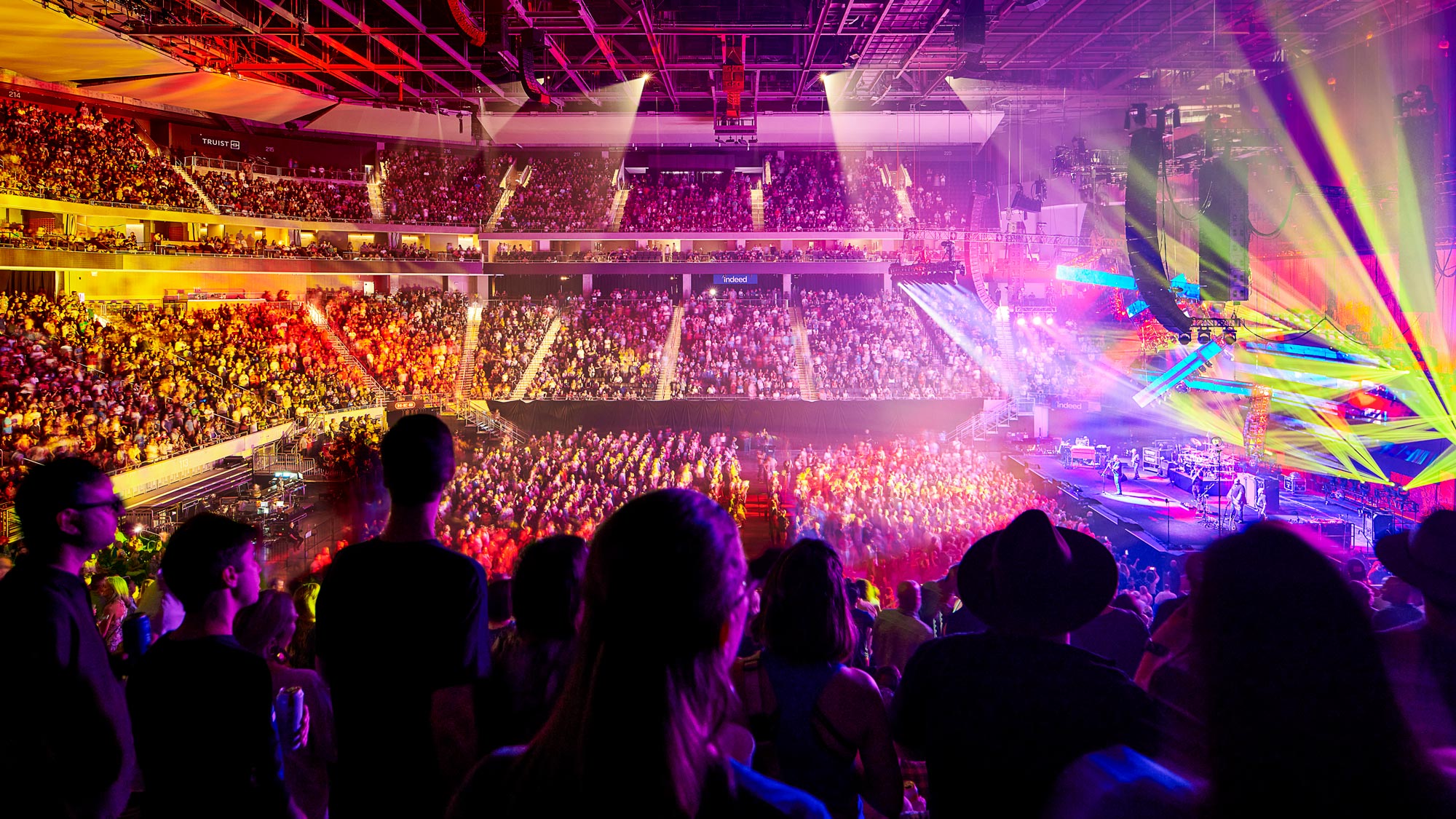
Fans can now watch games from multiple camera angles, access live stats, and even interact with digital avatars of athletes.
Moreover, broadcasting deals in leagues like Major League Baseball are evolving rapidly, with new partnerships expanding how games are delivered to audiences.
The Impact
-
Enhanced engagement
-
Increased accessibility
-
Personalized fan journeys
Youth Movement and Emerging Talent
Another defining trend in 2026 is the rise of young talent across all sports.
In American football, prospects like Malik Muhammad are gaining attention ahead of the NFL Draft, showcasing how quickly new stars can emerge.
Why Youth Matters
-
Fresh Energy: New playing styles and innovation
-
Digital Savviness: Younger athletes connect better with Gen Z fans
-
Long-Term Marketability: Brands invest early in rising stars
This youth movement ensures that sports remain dynamic and continuously evolving.
The Changing Structure of Competitions
Sports leagues and tournaments are undergoing structural transformations to remain competitive and relevant.
For instance, the 2026 Commonwealth Games will feature a reduced number of sports but a stronger focus on inclusivity and para-sports.
Similarly, cricket’s 2026 T20 Blast continues to refine its format to maintain audience interest with fast-paced matches.
Key Trends in Competition Formats
-
Shorter, more exciting matches
-
Inclusion of new sports
-
Focus on diversity and accessibility
These changes reflect a broader shift toward entertainment-driven sports.
The Business of Sports: Bigger Than Ever
Sports in 2026 are a multi-billion-dollar industry driven by:
-
Sponsorships
-
Media rights
-
Merchandise
-
Digital platforms
The integration of business and sports has never been stronger.
Key Revenue Drivers
-
Broadcasting Deals
-
Global Sponsorships
-
Digital Content Monetization
Organizations are increasingly viewing sports as entertainment products, competing with streaming platforms and social media for attention.

Challenges Facing Modern Sports
Despite its growth, the sports industry faces several challenges:
1. Overcommercialization
Fans often criticize the excessive focus on profit over passion.
2. Athlete Burnout
Increased schedules and expectations are taking a toll on players.
3. Integrity Issues
From doping scandals to match-fixing, maintaining trust remains crucial.
4. Fan Fragmentation
With countless platforms available, retaining audience attention is harder than ever.
The Future of Sports: What Lies Ahead
Looking forward, the future of sports will likely be shaped by:
-
Further Global Expansion
-
Increased Athlete Influence
-
Advanced Technology Integration
-
Hybrid Entertainment Models
Events like the 2026 FIFA World Cup will serve as benchmarks for how global sports can evolve and adapt.
Meanwhile, media platforms will continue to innovate, blending journalism, entertainment, and athlete-driven content into a single experience.
Conclusion
The sports world in 2026 is a dynamic, fast-evolving ecosystem where boundaries are blurred, and opportunities are limitless. From global expansion to athlete empowerment and technological innovation, the industry is undergoing a transformation that is redefining what it means to be a fan.
As platforms like EssentiallySports continue to push narrative-driven storytelling, one thing is clear: sports are no longer just about the game—they’re about the stories, the people, and the global community they create.
The future of sports isn’t just being played on the field—it’s being written in real time, across screens, platforms, and cultures worldwide.







