

 Vietnamese

Tennis in 2026: Rising Stars, Shocking Upsets, and a New Era Taking Shape
The 2026 tennis season is already delivering everything fans could hope for—intensity, unpredictability, and a clear shift in power across both the ATP and WTA tours. From dominant champions to unexpected losses and rising teenage sensations, the sport is undergoing one of its most exciting transitions in decades.
With tournaments like the Miami Open capturing headlines and new rivalries forming every week, tennis is no longer just about legacy players—it’s about a new generation redefining greatness.
A New King of Tennis: Carlos Alcaraz Leads the Charge
At just 22 years old, Carlos Alcaraz has firmly established himself as the face of modern tennis. Fresh off his 2026 Australian Open triumph, the young Spaniard continues to dominate with a blend of power, agility, and mental toughness rarely seen at his age.
What sets Alcaraz apart isn’t just his on-court brilliance—it’s his growing legacy off it. His unique tradition of commemorating Grand Slam victories with symbolic tattoos has become a talking point among fans and media alike.
But beyond the headlines, Alcaraz represents something bigger: the arrival of a generation unafraid to challenge history. With multiple Grand Slam titles already under his belt, he’s not chasing greatness—he’s defining it.
Aryna Sabalenka’s Dominance Signals WTA Stability
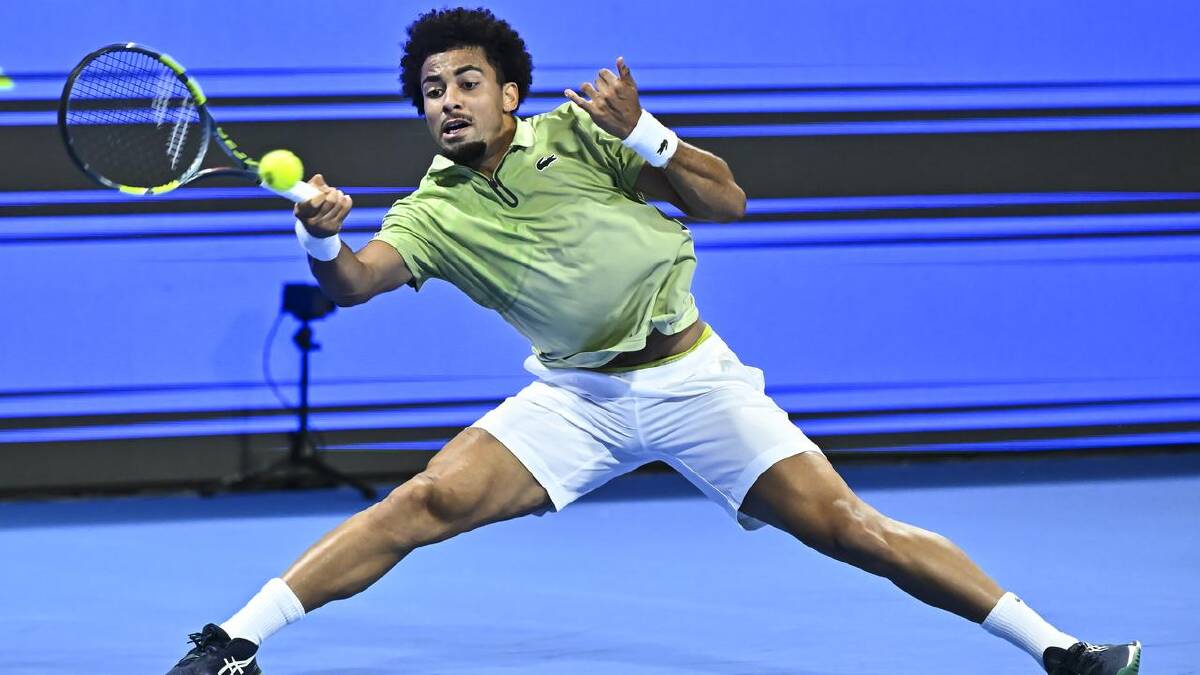
On the women’s side, Aryna Sabalenka continues to prove why she’s the player to beat in 2026. Her recent victory at Indian Wells showcased resilience, especially after a tough start against Elena Rybakina.
Sabalenka’s aggressive baseline play and improved consistency have made her a dominant force. More importantly, her rivalry with Rybakina is quickly becoming one of the defining matchups in women’s tennis.
This rivalry isn’t just about titles—it’s about contrasting styles, mental battles, and the emergence of a new golden era in the WTA.
Miami Open Chaos: Weather, Withdrawals, and Surprises
The 2026 Miami Open has been anything but predictable. From weather disruptions to shocking upsets, the tournament has embodied the unpredictable nature of modern tennis.
According to coverage trends, matches have faced delays due to adverse conditions, while scheduling issues have caused frustration among players and fans alike.
Adding to the drama, Novak Djokovic withdrew from the event due to a shoulder injury, raising concerns about his long-term fitness and ranking stability.
Meanwhile, younger players have seized the opportunity to shine, proving that the gap between veterans and newcomers is closing faster than ever.
Iga Swiatek’s Struggles Highlight the Pressure of Greatness
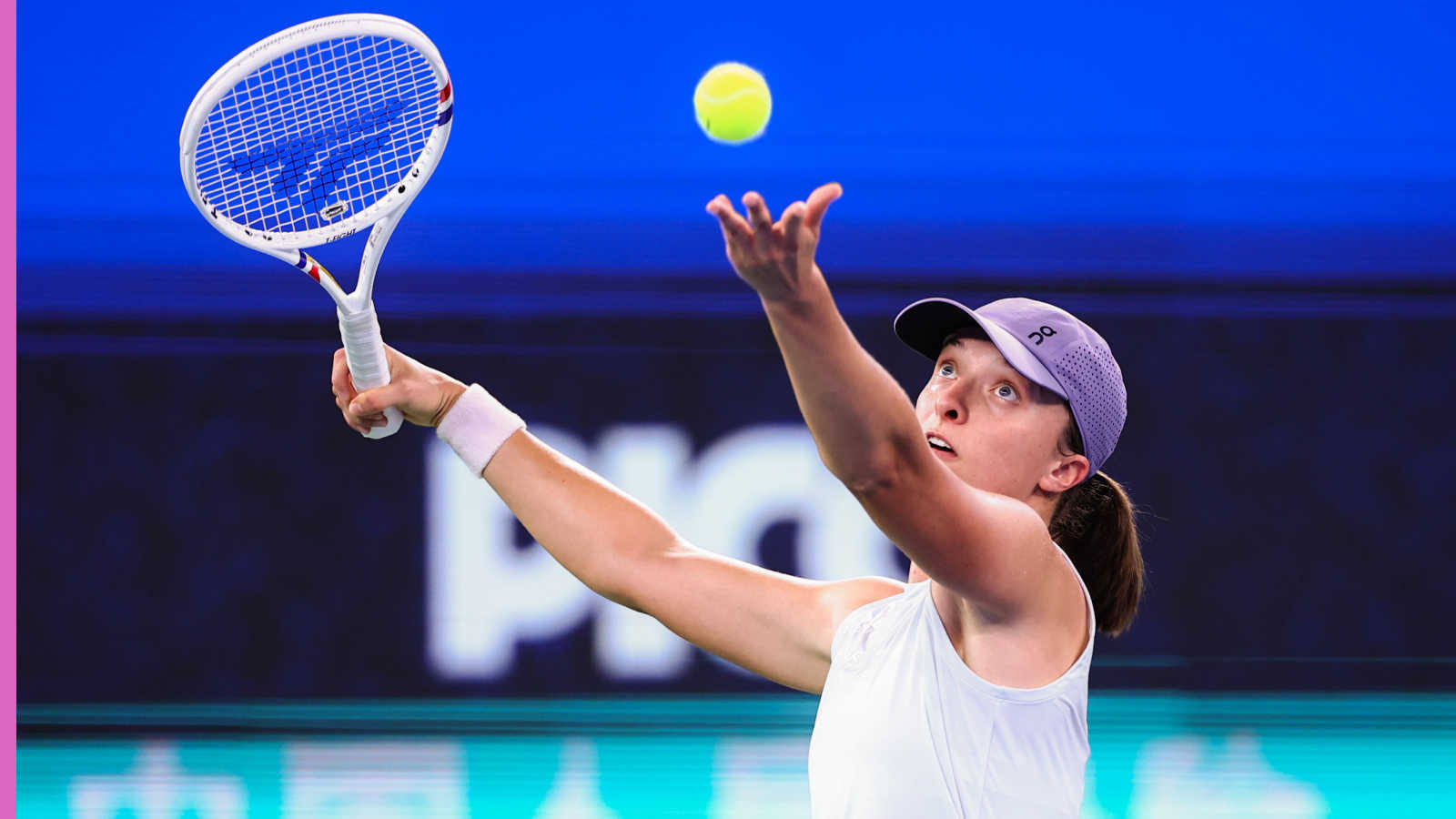
Even the best are not immune to setbacks. Iga Świątek, one of the most consistent players in recent years, has faced a surprising dip in form.
Her early exit at the Miami Open shocked fans, especially given her dominant history in opening matches.
Świątek herself admitted to feeling mentally challenged, describing her situation as one of the toughest phases of her career. This highlights a critical truth in modern tennis: the mental game is just as important as physical ability.
As competition intensifies, even top-ranked players must constantly adapt—or risk being overtaken.
Daniil Medvedev’s Comeback Adds Depth to ATP
While younger stars dominate headlines, experienced players are far from finished. Daniil Medvedev is making a strong case for his return to the elite tier.
Experts believe he’s reestablishing himself as one of the top contenders, just behind Alcaraz and emerging star Jannik Sinner.
Medvedev’s tactical intelligence and unique playing style make him a dangerous opponent for anyone. His resurgence adds depth to the ATP Tour, ensuring that competition remains fierce at the top.
The Rise of Teenage Sensations
One of the most exciting developments in 2026 is the emergence of young talent ready to challenge established stars.
Among them, João Fonseca has quickly become a fan favorite. At just 19, he’s already competing at a high level and pushing top-ranked players to their limits.
His performance against elite opponents shows not only skill but maturity—a rare combination that suggests a bright future.
This trend isn’t isolated. Across both ATP and WTA tours, young players are breaking into the spotlight, signaling a generational shift that could redefine tennis over the next decade.
The Emotional Side of Tennis: More Visible Than Ever
Modern tennis isn’t just about physical endurance—it’s about emotional resilience.
From on-court breakdowns to candid interviews, players are increasingly open about their struggles. Stories of frustration, pressure, and mental fatigue are becoming more common, offering fans a deeper understanding of what it takes to compete at the highest level.
This shift is helping humanize athletes, making the sport more relatable and engaging for a global audience.
Veteran Legends Facing Harsh Realities
As new stars rise, veteran players are facing difficult decisions about their future.
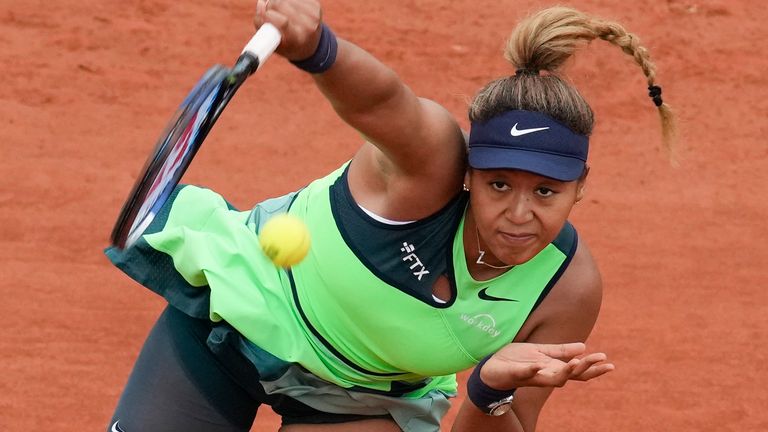
Venus Williams, a legend of the sport, has recently struggled with form, sparking debates about retirement.
While her legacy is unquestionable, the competitive nature of modern tennis makes it increasingly challenging for older players to keep up.
This contrast between past and present highlights the relentless evolution of the sport.
What Defines Tennis in 2026?
Several key trends are shaping tennis this year:
1. Speed and Power Are Dominating
Players are hitting harder and moving faster than ever before, making matches more intense and physically demanding.
2. Mental Strength Is Crucial
With tighter competition, psychological resilience often determines the outcome of matches.
3. Younger Players Are Taking Over
Teenagers and early-20s players are no longer future prospects—they’re current contenders.
4. Rivalries Are Driving Interest
Matchups like Sabalenka vs. Rybakina and Alcaraz vs. Sinner are defining the sport’s narrative.

The Road Ahead: A Golden Era in the Making
If the early months of 2026 are any indication, tennis is entering a golden era.
The combination of established champions, resurgent veterans, and fearless newcomers is creating a perfect storm of competition. Every tournament feels unpredictable, every match carries weight, and every player has something to prove.
Fans can expect more drama, more breakthroughs, and more unforgettable moments as the season unfolds.
Conclusion
Tennis in 2026 is not just evolving—it’s transforming. The sport is witnessing a generational shift where young stars like Carlos Alcaraz lead the charge, while players like Aryna Sabalenka dominate their fields and veterans fight to stay relevant.
With tournaments like the Miami Open delivering nonstop excitement and new talents emerging every month, tennis has never been more dynamic.
One thing is certain: the future of tennis is already here—and it’s faster, fiercer, and more thrilling than ever before.







