

 Vietnamese
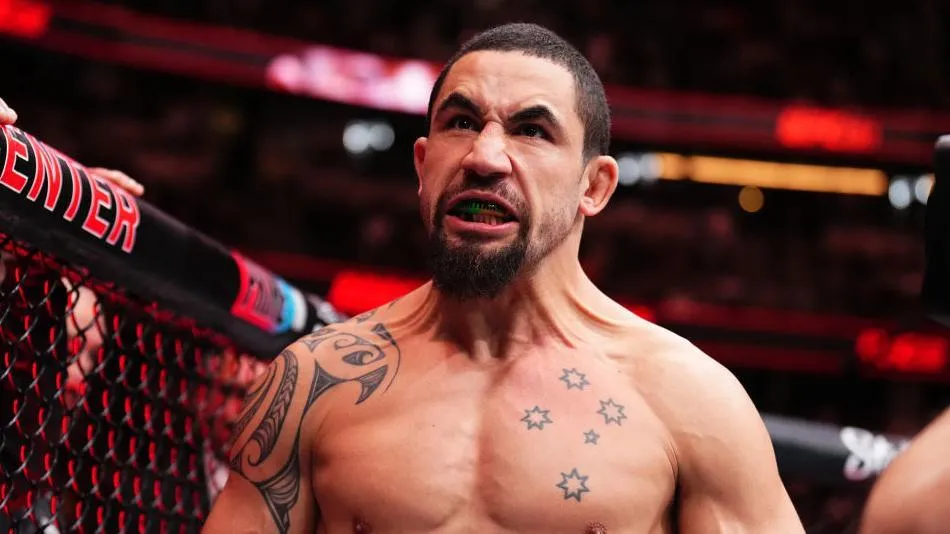
In the UFC, fight choices are rarely accidental—and when Sean Strickland speaks, the MMA world listens.
Ahead of UFC Houston, Strickland made waves by explaining why he would rather face Khamzat Chimaev—whom he famously dubbed “American Chimaev”—instead of the far more established former champion Robert Whittaker.
At first glance, the logic might seem counterintuitive. Whittaker is battle-tested, technically refined, and proven at the highest level. Chimaev, while terrifying, is still surrounded by questions at middleweight. But in Strickland’s brutally honest worldview, danger doesn’t equal difficulty—and reputation doesn’t equal the worst matchup.
Here’s a deeper look at Strickland’s reasoning, what it reveals about his mindset, and why this choice speaks volumes about modern UFC matchmaking.
Strickland’s Philosophy: Real Fights Over Resume Fights


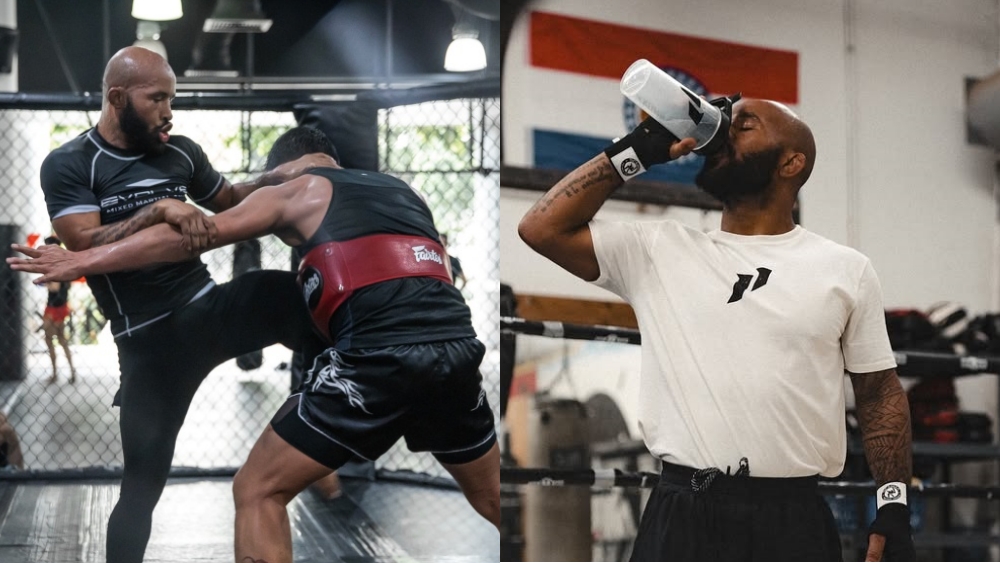

Sean Strickland has never been a fighter who hides behind rankings or narratives. His approach is blunt:
-
Fight the man in front of you
-
Don’t fear hype
-
Don’t overrespect legacy
In explaining his preference, Strickland made it clear that styles and realities matter more than names. To him, Whittaker represents a polished, disciplined puzzle—while Chimaev represents chaos that can be weathered.
Why Robert Whittaker Is the More Dangerous Fight (To Strickland)

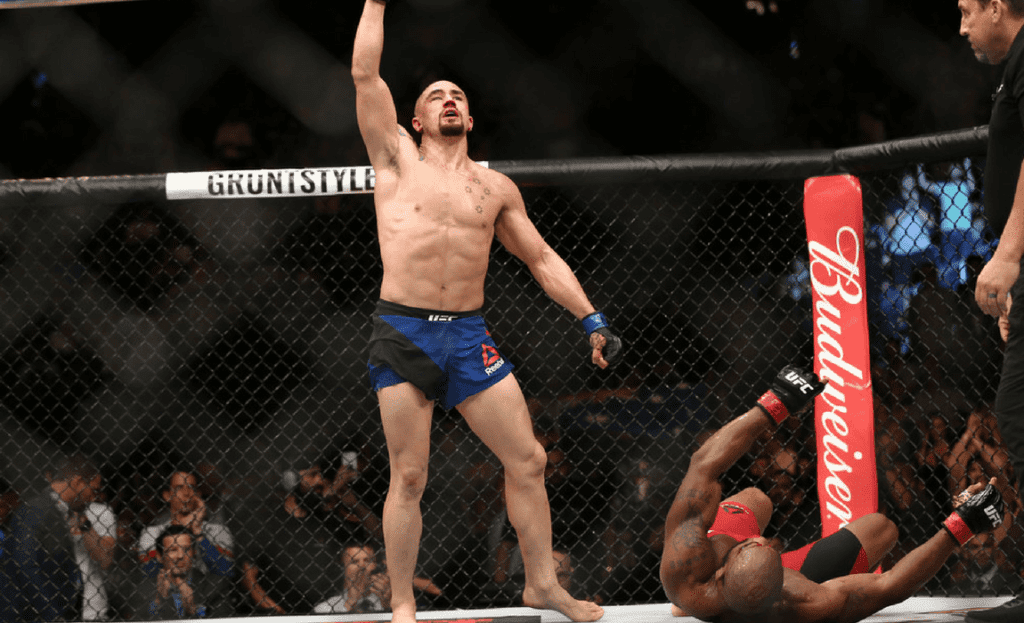

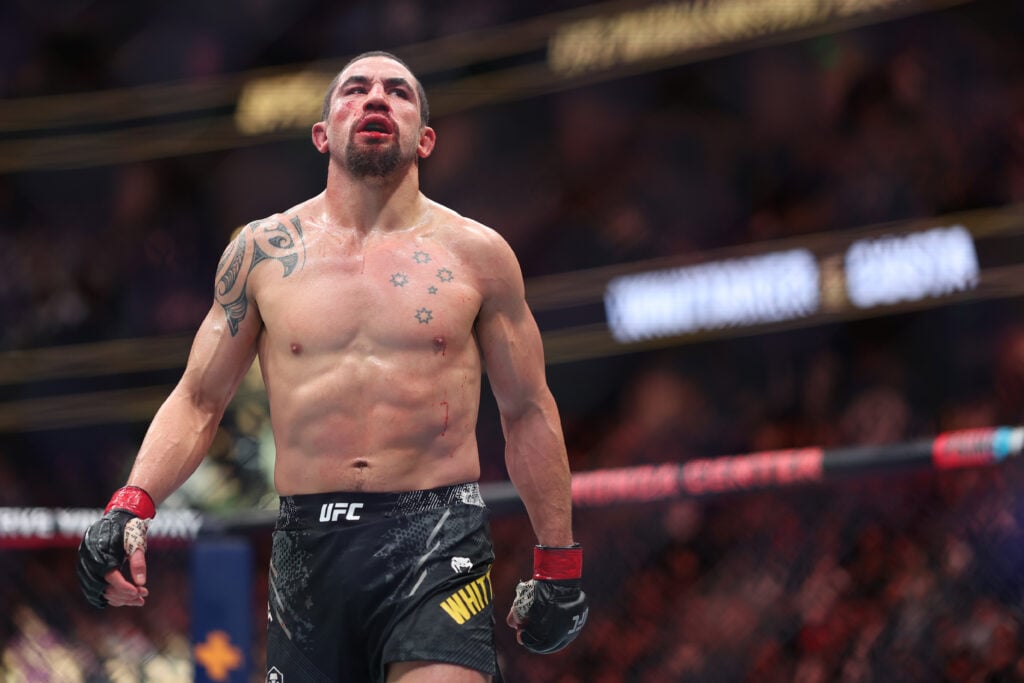
Strickland has immense respect for Whittaker’s skill set—and that respect is exactly why he views him as the tougher matchup.
From Strickland’s perspective, Whittaker:
-
Maintains elite distance control
-
Rarely overcommits
-
Blends wrestling defense with clean striking
-
Excels in five-round chess matches
Whittaker doesn’t panic. He doesn’t gas early. And he doesn’t give opponents obvious mistakes to exploit.
For a pressure-based fighter like Strickland, that composure is dangerous.
Why Chimaev Feels Like a Manageable Risk


By contrast, Strickland sees Chimaev as explosive—but predictable.
Despite Chimaev’s terrifying reputation, Strickland believes:
-
His game is built on early dominance
-
He relies heavily on overwhelming opponents quickly
-
Extended fights introduce uncertainty
Strickland has long claimed confidence in his ability to survive early storms, absorb pressure, and drag opponents into uncomfortable territory.
In his view, Chimaev’s danger is front-loaded—while Whittaker’s danger compounds over time.
The “American Chimaev” Comment Explained
Strickland’s now-viral “American Chimaev” remark wasn’t just trash talk—it was psychological framing.
By labeling Chimaev that way, Strickland:
-
Strips away mystique
-
Frames him as a known archetype
-
Reduces fear through familiarity
It’s classic Strickland: turn hype into something ordinary, then walk straight into it.
Styles Make Fights—and Strickland Knows His Own


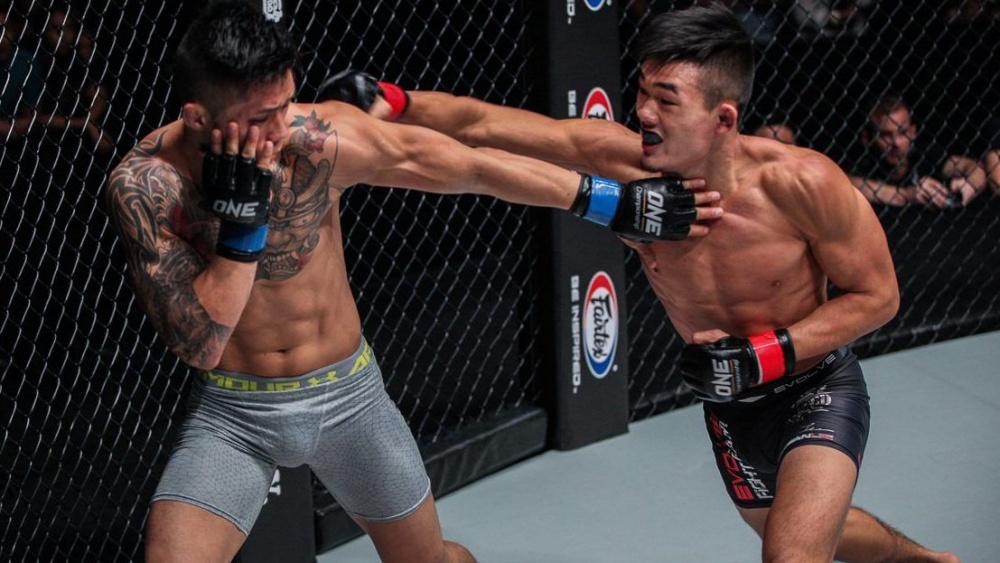
Strickland’s entire career is built on:
-
Relentless forward pressure
-
High-volume jabs
-
Defensive awareness
-
Mental endurance
Against someone like Whittaker, that style can be neutralized. Against someone like Chimaev, Strickland believes it can disrupt rhythm and force mistakes.
This isn’t bravado—it’s a calculated stylistic judgment.
The Risk-Reward Equation at UFC Houston


From a career standpoint, the choice also makes sense.
Beating Chimaev:
-
Silences massive hype
-
Generates headlines
-
Reinforces Strickland’s reputation as fearless
Losing to Whittaker:
-
Reinforces the gatekeeper narrative
-
Offers little upside
-
Risks quiet stagnation
In the UFC’s attention economy, who you fight matters almost as much as how you fight.
What This Says About the Middleweight Division


Strickland’s comments highlight a broader truth: the middleweight division is no longer just about resumes.
It’s about:
-
Matchup volatility
-
Marketability
-
Momentum
Fighters are increasingly forced to choose between:
-
Technical purity
-
Promotional impact
Strickland, as always, chooses confrontation over caution.
Fan Reaction: Divided but Engaged



Fans have been split:
-
Some applaud Strickland’s honesty and courage
-
Others accuse him of underestimating Whittaker
-
Many simply want to see chaos
But engagement is exactly the point—and Strickland understands that better than most.
Final Takeaway
Sean Strickland’s explanation isn’t about disrespecting Robert Whittaker or dismissing Khamzat Chimaev’s danger.
It’s about self-awareness.
Strickland knows who he is as a fighter, what styles give him problems, and where chaos favors him. In choosing Chimaev over Whittaker for UFC Houston, he’s betting on pressure, durability, and psychology over polish and patience.
In a sport where hesitation gets punished, Strickland’s choice reflects exactly why he remains one of the UFC’s most compelling—and polarizing—figures.







