

 Vietnamese
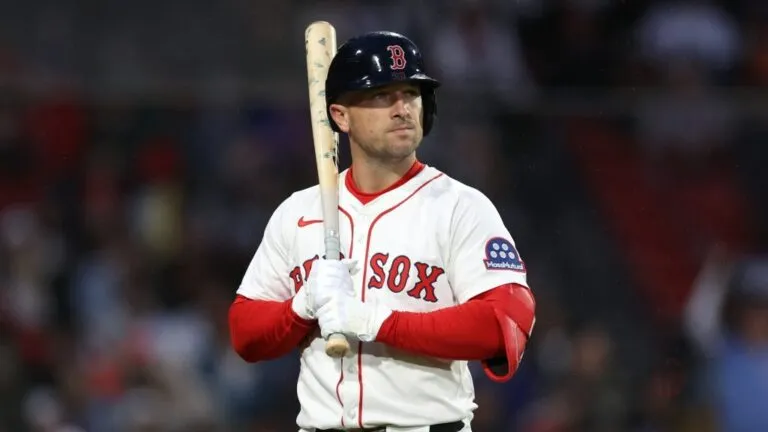
Scott Boras Under Fire As Alex Bregman’s Free Agency Market Stalls
In the landscape of Major League Baseball, very few figures attract as much offseason attention as Scott Boras. For decades, he has been the architect behind some of the most monumental contracts in the sport. His name has become synonymous with maximizing value, manipulating market dynamics and pushing front offices to stretch their financial limits in pursuit of elite talent. However this offseason has unfolded differently. One of his major clients, star third baseman Alex Bregman, has not drawn the intense bidding war that many expected. Instead the narrative has shifted toward concerns that a significant miscalculation may have placed both Boras and Bregman in a challenging position.
Bregman entered free agency with impressive credentials. He is a World Series champion, a veteran leader and a player with a track record of consistency at one of the most valuable infield positions. Given his career accomplishments, it seemed almost certain that multiple teams would aggressively pursue him the moment he hit the market. Yet as the offseason has progressed, the expected frenzy has not materialized. Rumors suggest that rather than fending off offers from interested clubs, Boras has taken the unusual step of reaching out to teams in an attempt to generate momentum.

This reversal of roles has sparked considerable debate among baseball insiders. Normally teams line up to inquire about Boras clients, especially those with Bregman’s pedigree. This time however the silence from front offices has been loud enough to push Boras into action, prompting him to contact organizations such as the Seattle Mariners to gauge potential interest.
Why The Mariners Inquiry Raised Eyebrows
News that Boras reached out to the Seattle Mariners quickly circulated among league observers. The Mariners are not typically known to be a franchise that spends freely on long term deals for aging stars. Exceptions exist, but historically their offseason spending has been more conservative compared with other American League contenders. Their roster construction strategy favors developing young talent and supplementing it with targeted signings rather than committing major financial resources to veterans past their prime years.
Additionally the Mariners already have internal infield options they are eager to explore. Their player development system has produced multiple infield prospects, reducing the urgency to pursue a multi year contract for a veteran third baseman nearing his mid thirties. Because of this context, Boras contacting Seattle was interpreted as a sign that Bregman’s market was weaker than anticipated.
Under normal circumstances, a player of Bregman’s caliber would have front offices competing for meetings, flying out to his camp and presenting aggressive pitches to secure his services. The fact that his agent reached out preemptively signaled a shift in negotiation power. It appears the market is not operating as Boras had projected, and that has raised questions about his handling of the timeline and expectations.
The Impact of Declining Houston’s Long Term Offer
One of the central discussion points of this saga revolves around a decision made before free agency officially began. Bregman reportedly turned down a substantial offer from the Houston Astros, a deal estimated at five years and worth over one hundred fifty million dollars. At the time many considered that choice a calculated bet on himself. With another strong season he could hit free agency positioned to command an even more lucrative contract. Boras believed the market would rise along with overall spending for elite infielders.
But that prediction has not lined up with reality. The current offseason environment has been far more conservative than previous years. Many clubs are tightening payrolls, reassessing long term risk and prioritizing roster flexibility. The era of massive long term deals for players entering their mid thirties appears to be slowing, especially for positions where younger options remain plentiful.
As a result, the contract Bregman declined now looms over the negotiation landscape. What once seemed like a reasonable decision is now being revisited by analysts who wonder whether Boras should have encouraged his client to accept the stability and financial security presented by Houston. Instead, Bregman finds himself seeking a deal that may no longer be attainable.
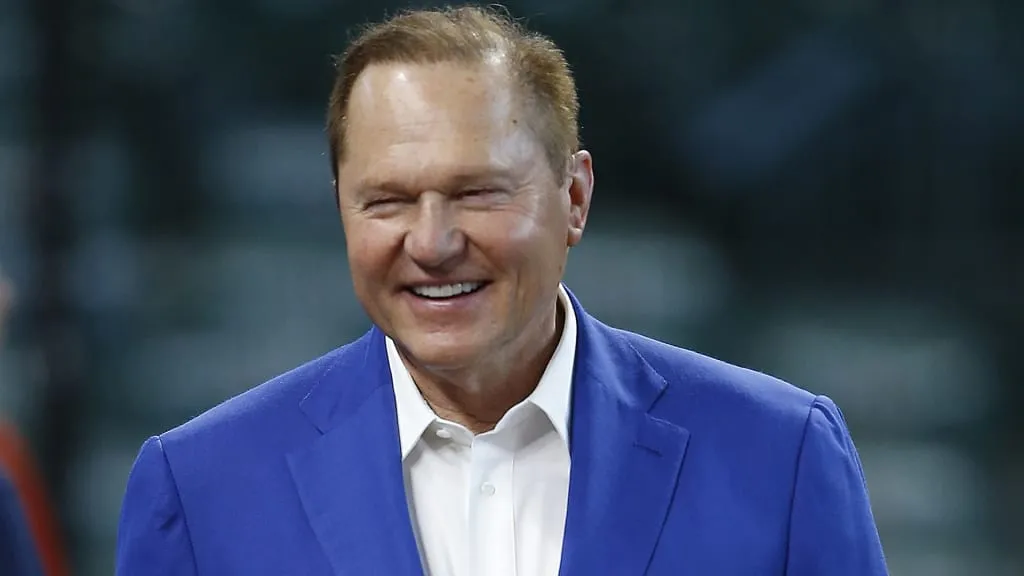
Boras’ Strategy Faces New Levels of Scrutiny
Scott Boras has built his reputation on patience, leverage and strict adherence to maximizing value. His typical pattern involves allowing the market to play out slowly while front offices grow anxious and eventually increase their offers. This approach has worked repeatedly with stars such as Gerrit Cole, Bryce Harper and Corey Seager.
However Bregman’s situation reflects a different set of variables. Teams are more cautious, analytics departments are more involved in long term financial decisions and the market is flooded with younger infield talent. This is not the ideal environment for a veteran seeking nine figure guarantees.
The optics of Boras pursuing teams rather than managing inbound interest have led to speculation that the traditional Boras strategy may be losing effectiveness in a more disciplined, data driven league. It is not that Boras has lost his influence, but rather that the dynamics have shifted and certain methods must evolve with them.
Red Sox Remain A Possible Landing Spot But Uncertainty Looms
Bregman’s time with the Boston Red Sox showcased both his reliability and his value as a veteran leader. His presence was praised inside the clubhouse and he established a strong relationship with the organization. Some insiders believed that Boston would be the ultimate destination for Bregman once free agency opened.
However Boston’s internal priorities have also shifted. The club views itself at a critical developmental stage where investments must align with long term sustainability. While they admire Bregman as a player and leader, the front office appears cautious about committing to a contract that would extend deep into his late thirties. Their willingness to re sign him likely depends on whether his market remains stagnant, potentially allowing them to negotiate more favorable terms.
As the offseason continues, Boston remains in the mix, but the enthusiasm initially projected for a reunion has cooled somewhat. The club is exploring other options at third base, including affordable alternatives or short term veterans who would not require the same financial commitment.
Other Teams Previously Mentioned Have Shown Limited Interest
Throughout the early weeks of free agency, several franchises were mentioned as potential destinations for Bregman. These included the Detroit Tigers and Chicago Cubs, both of which were thought to be logical fits due to positional needs and available payroll flexibility. Yet reports suggest that neither organization has made an aggressive move.
The Tigers have shown a growing preference for developing young talent rather than spending heavily on older position players. Their rebuilding strategy emphasizes internal growth and targeted acquisitions rather than high priced deals.
The Cubs, while open to adding star power, appear to be focusing their resources on pitching and outfield upgrades. Third base remains a need, but not one they appear willing to fill with a top dollar veteran at this moment.
As a result Bregman’s list of suitors remains small and his path to a major contract uncertain.

Changing Market Conditions Shape Front Office Decisions
Free agency markets across baseball evolve with shifting economic realities. Club owners and front office executives analyze large volumes of data before deciding on long term commitments. This offseason is shaping up as one defined by caution rather than ambition.
Teams have embraced the idea that depth, flexibility and player development can be more valuable than signing aging stars to oversized contracts. Many organizations now rely heavily on internal analytics departments that measure projected future value based on aging curves, injury risk, contract efficiency and roster balance. These tools often reduce the market appeal of players near or past thirty years old.
In this environment, even talented veterans like Bregman face challenges. It is not that teams doubt his ability or his leadership, but rather that the financial risk outweighs the projected reward in the eyes of many front offices.
A Rare Miscalculation For Scott Boras
For a figure as experienced as Scott Boras, this moment stands out. His strategies typically influence league wide negotiation trends, but this time analysts believe he may have misread the speed and direction of the market. Boras has always expected teams to eventually meet his demands, yet clubs appear more unified in their restraint than in past years.
If Bregman ultimately signs a contract significantly smaller than expected, questions will arise about whether the advice to decline Houston’s earlier offer was in his best interest. Such reflections may shape how Boras approaches negotiations for aging stars in future offseasons.
Possible Paths Forward As Negotiations Continue
Despite the challenges, Bregman still holds value around the league. He is respected as a proven hitter, a reliable defender and a player who brings professionalism to any clubhouse. Even if nine figure offers do not emerge, several scenarios remain possible.
One option is a shorter contract with a higher annual salary, giving Bregman flexibility to re enter the market sooner. Another is returning to a familiar setting such as Boston where he has established relationships and credibility. It is also possible that a surprise team steps forward later in the offseason if negotiations with other targets fall through.
Regardless of the outcome, this saga serves as a case study in how unpredictable free agency can be, even for top players with elite representation.
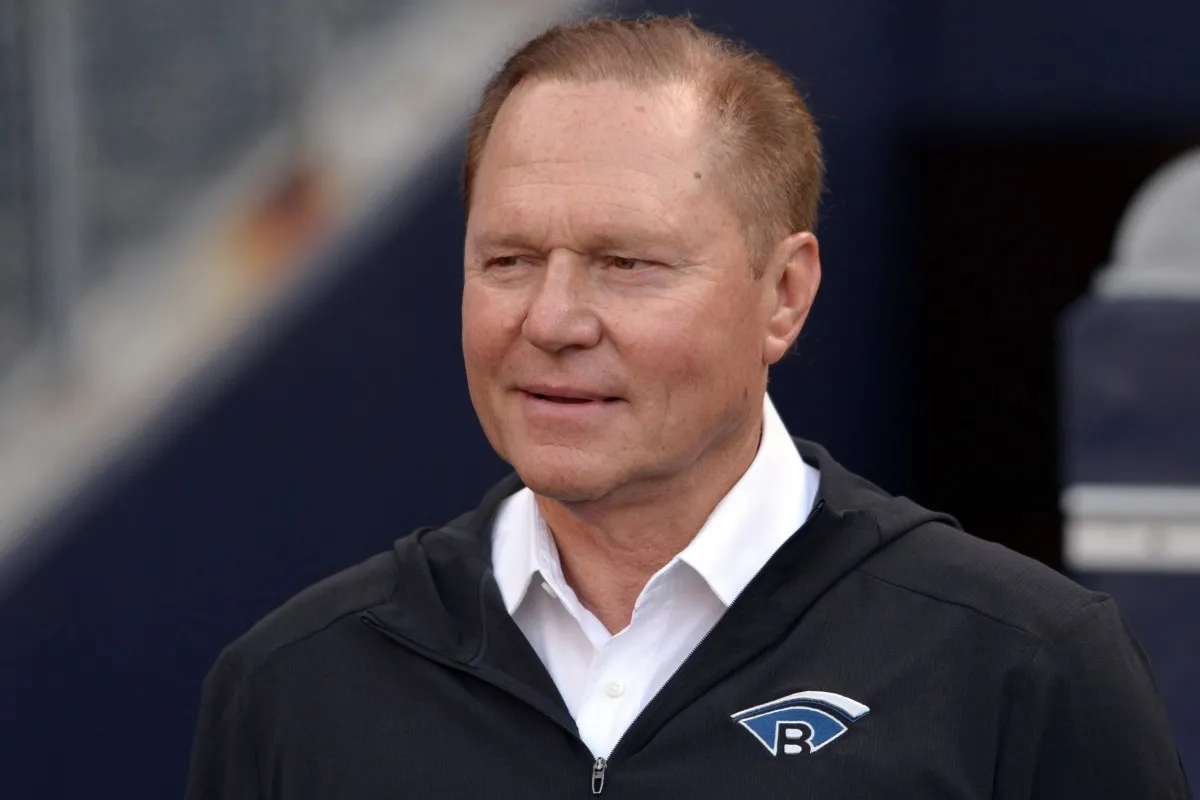
The dynamic between Scott Boras, Alex Bregman and the evolving MLB free agency market offers one of the most intriguing storylines of the offseason. What began as a high expectation negotiation period has transformed into a situation full of uncertainty, reevaluation and pressure. Boras remains one of the most powerful agents in sports, but this experience highlights how shifting market conditions can challenge even the most seasoned negotiators.
As fans, analysts and teams monitor the final outcome, it is clear that the future of free agency for aging stars may look different than in years past. For now both Boras and Bregman must navigate this complex landscape as they search for a landing spot that aligns with both financial and competitive priorities.







