

 Vietnamese
A Franchise Entering a Defining Phase
The New Orleans Saints are no strangers to competitive football, but the franchise is now staring down a pivotal stretch. As veteran contracts age and salary-cap flexibility remains tight, New Orleans faces a familiar NFL reality: reload smartly or risk falling behind.
A recent three-round 2026 mock draft has reignited discussion around the Saints’ biggest roster needs—most notably on the defensive front—projecting New Orleans to select a defensive lineman from Auburn Tigers as a cornerstone of its next phase.
The projection isn’t just about one player. It’s about a philosophy shift.
Why the Saints’ Roster Needs Are Coming Into Focus
For much of the past decade, the Saints thrived on continuity. That luxury is fading.
Key Challenges Facing New Orleans
-
Aging defensive leaders
-
Inconsistent pass rush production
-
Cap-driven roster turnover
-
A need for younger, cost-controlled talent
While the Saints have patched holes in recent years, the mock draft suggests 2026 could mark a true turning point, particularly on defense.
Defensive Line: The Biggest Priority on the Board
A Strength That Needs Reinforcement
Historically, the Saints’ defense has been built in the trenches. Dominant interior linemen and edge pressure once defined New Orleans’ identity. But recent seasons have exposed cracks.
Issues include:
-
Declining snap counts from veterans
-
Reduced interior pressure on passing downs
-
Limited depth behind starters
The mock draft’s focus on an Auburn defensive lineman reflects a belief that rebuilding the defensive line is non-negotiable.
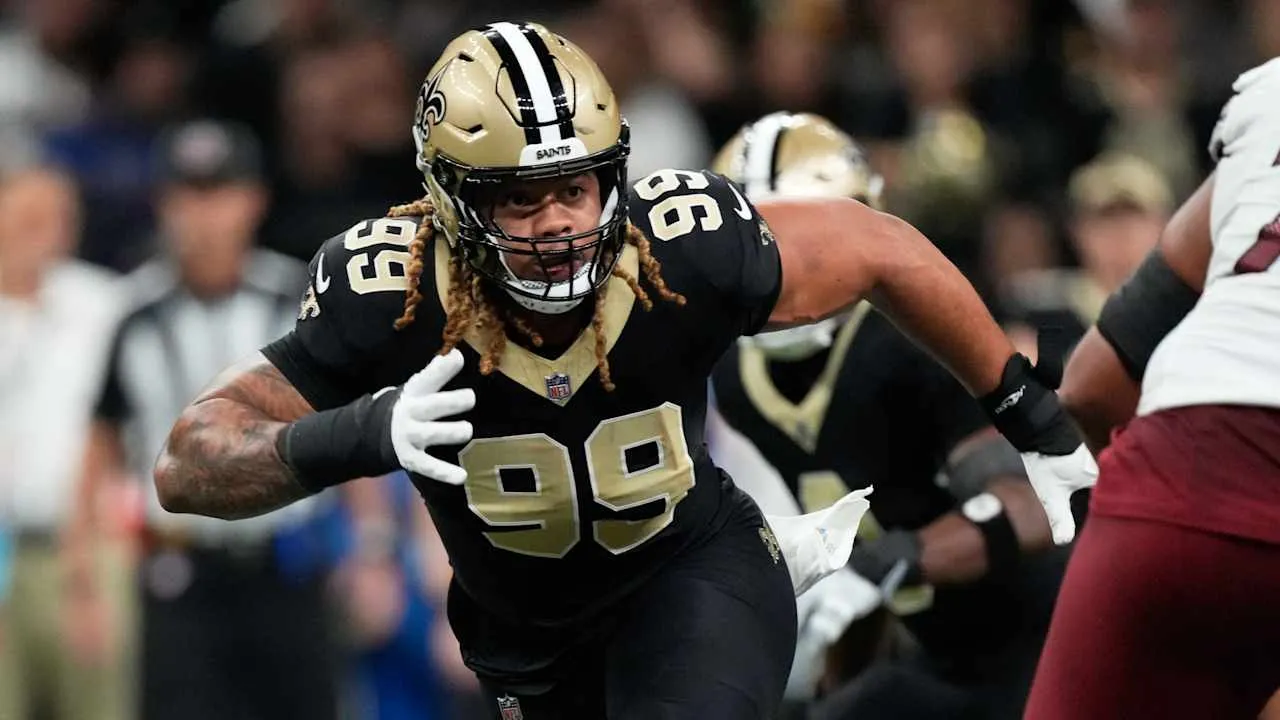
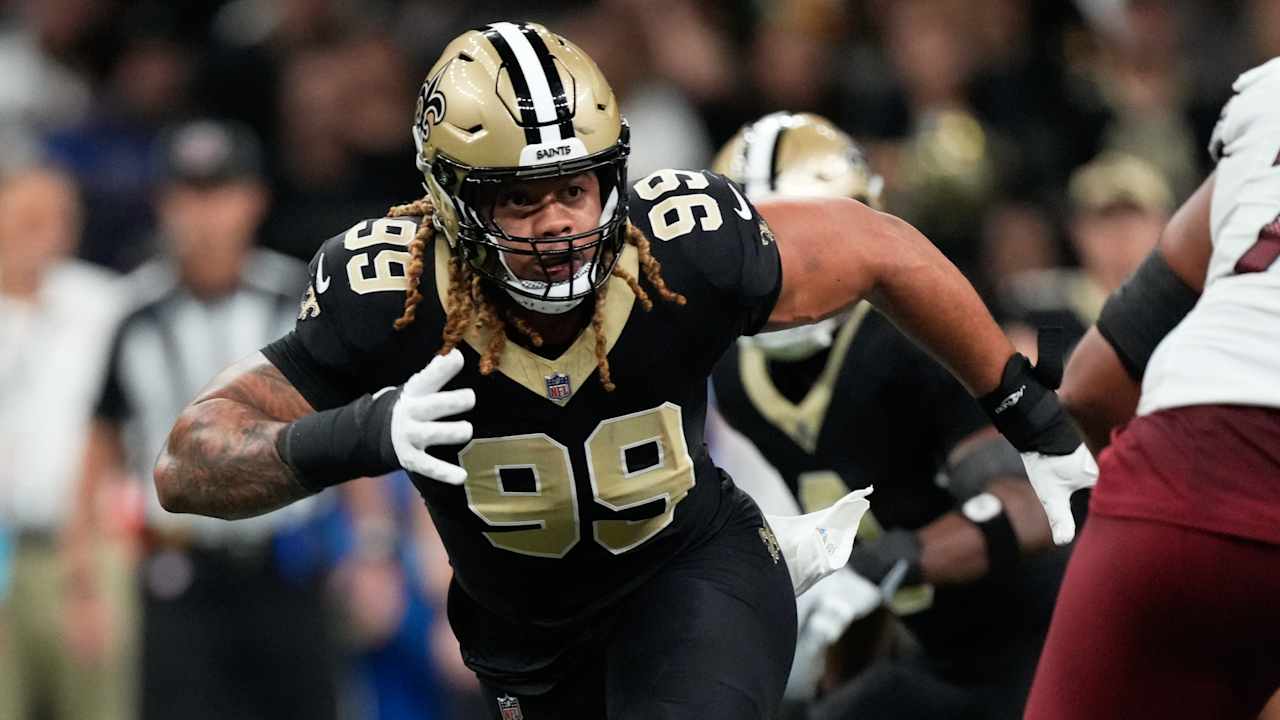
Image: New Orleans Saints defensive line in action

Why Auburn Defensive Linemen Are Highly Valued
Auburn has earned a reputation as an NFL pipeline, especially on defense.
What Scouts Love About Auburn DL Prospects
-
SEC-tested physicality
-
Experience against elite offensive lines
-
Pro-ready strength and technique
-
High motor and versatility
NFL evaluators often view Auburn defenders as low-risk, high-upside investments, particularly for teams prioritizing immediate rotational impact.
The Mock Draft Pick: What It Signals
While the mock draft does not lock in a specific name, it projects the Saints using an early-round pick on an Auburn defensive lineman—suggesting urgency.
This signals:
-
A desire to rebuild from the inside out
-
Recognition that pressure wins games
-
A shift toward younger defensive leadership
It’s less about splash and more about sustainability.
How This Fits the Saints’ Long-Term Strategy
Building Cheap, Building Smart
With salary cap constraints unlikely to disappear overnight, the Saints must lean into the draft.
Drafting a defensive lineman early offers:
-
Four to five years of cost-controlled production
-
Flexibility to move on from expensive veterans
-
A chance to reset the defensive identity
This aligns with how successful franchises maintain relevance—even during transitional years.
Comparing Defense vs. Other Needs
The Saints also face questions at:
-
Offensive line depth
-
Wide receiver consistency
-
Quarterback succession planning
So why defense first?
League insiders argue:
-
Defensive line impacts every snap
-
Pressure can mask secondary issues
-
Games are still won in the trenches, especially in the NFC
In other words, fixing the front seven makes everything else easier.
What an Auburn DL Brings to New Orleans
Immediate Role
-
Rotational snaps in year one
-
Early-down run support
-
Pass-rush flashes on third down
Long-Term Upside
-
Potential every-down starter
-
Scheme flexibility in multiple fronts
-
Leadership anchor for a younger defense
For a Saints team balancing competitiveness with transition, that profile is ideal.
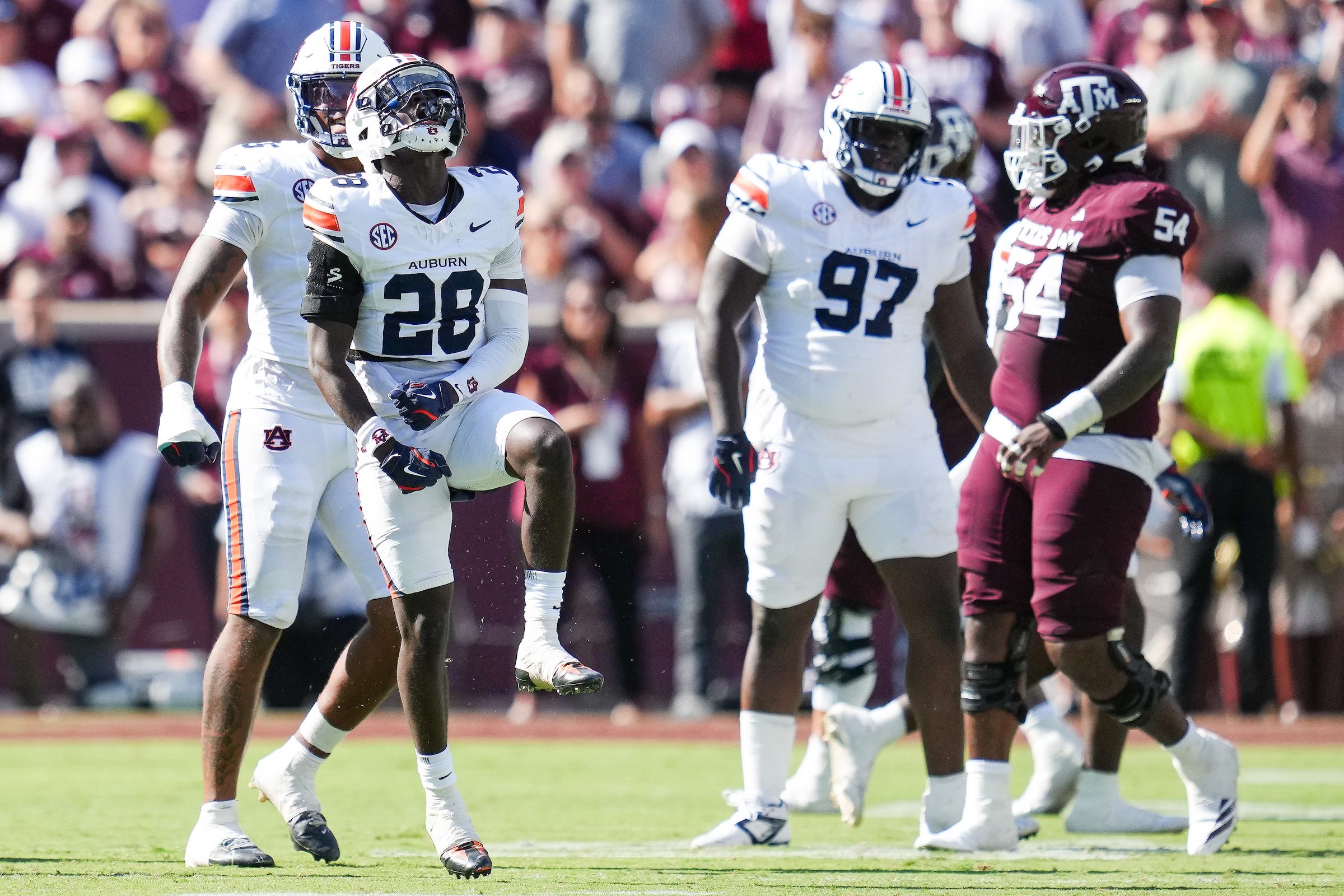
Image: Auburn Tigers defensive lineman celebrating a play


NFC South Context: Why Defense Matters Even More
The NFC South remains one of the NFL’s most fluid divisions. With no clear long-term powerhouse, New Orleans has an opportunity to reassert control—but only if it fixes foundational issues.
Strong defensive line play helps:
-
Neutralize division rivals’ run games
-
Disrupt developing quarterbacks
-
Control tempo in close, low-scoring matchups
In that context, the mock draft pick looks less like speculation and more like strategic alignment.
What Fans Are Saying
Saints fans have responded positively to the projection, especially those calling for a more patient rebuild.
Common reactions include:
-
“Finally addressing the trenches.”
-
“We need youth on defense.”
-
“Defense first—that’s Saints football.”
While mock drafts are far from guarantees, they often reflect league-wide perceptions of team direction.
Could the Saints Go Defense Again After 2026?
If this projection becomes reality, it could signal a multi-year defensive investment strategy.
Possible future trends:
-
Back-to-back defensive picks
-
Emphasis on speed and versatility
-
Gradual transition away from veteran-heavy units
This approach mirrors how several recent contenders rebuilt without bottoming out.
The Risk Factor: Why the Pick Must Hit
Drafting defensive linemen early comes with pressure.
Risks include:
-
Scheme mismatch
-
Developmental timelines
-
Injury concerns
But Auburn prospects historically carry strong floors, which reduces the chance of a total miss.
Mock Drafts as a Window Into Thinking
While mock drafts don’t predict the future, they reveal how analysts view:
-
Team needs
-
Positional value
-
Organizational philosophy
This projection suggests the Saints are widely seen as a team preparing for measured change—not a full teardown.
Image: NFL Draft stage with team logos


Final Thoughts: Defense as the Saints’ North Star
The 2026 mock draft projection of the Saints selecting an Auburn defensive lineman isn’t flashy—but it’s telling.
It reflects a belief that:
-
The Saints’ next era starts in the trenches
-
Youth and physicality must replace aging production
-
Smart drafting is the path forward
If New Orleans gets this pick right, it could stabilize the roster, redefine the defense, and quietly position the Saints as a threat in a wide-open NFC.
Sometimes, the most important rebuilds don’t begin with quarterbacks or headlines—they begin with winning the line of scrimmage.







