

 Vietnamese
Texas Left Fuming as Rangers’ Cold-Blooded Call Sends Adolis García to a Phillies Contender
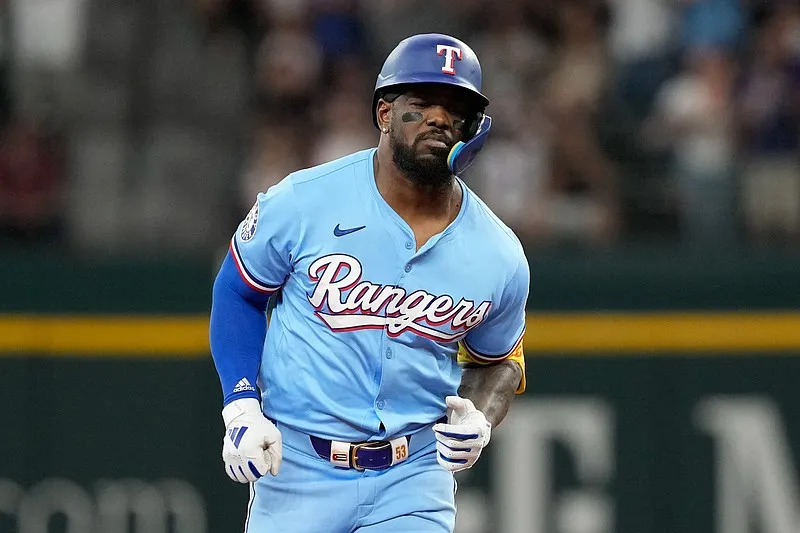
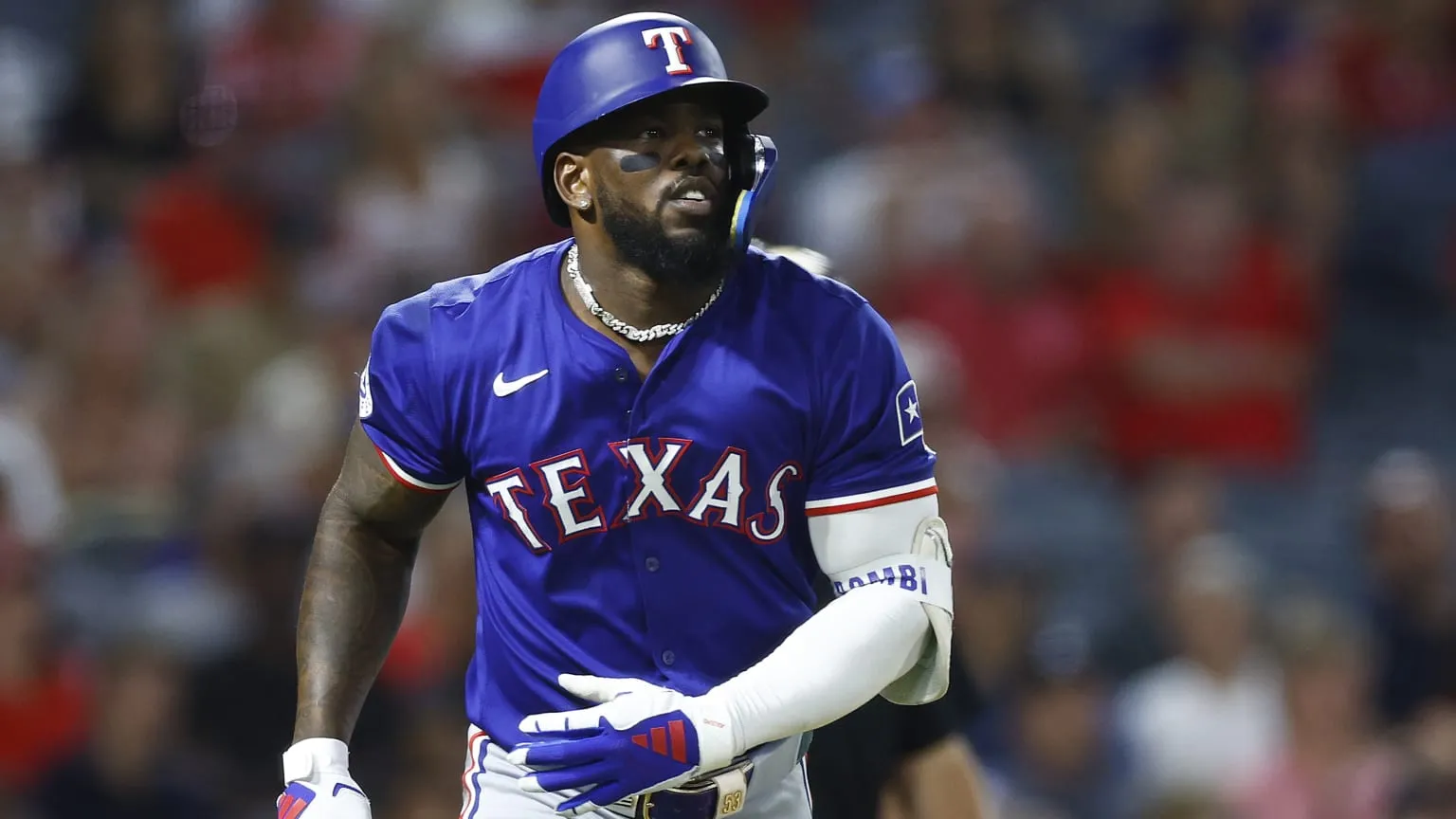
After six seasons in Arlington, the end came quietly, but the impact has been anything but. Adolis García, the heartbeat of the Texas Rangers’ championship era, is officially gone. On Monday, the 33-year-old slugger agreed to a one-year, $10 million deal with the Philadelphia Phillies, closing the chapter on one of the most emotionally charged relationships in recent Rangers history. For Texas, this was a business decision rooted in numbers, projections, and payroll trimming. For fans, it felt like watching a franchise pillar walk directly into the arms of a contender.
Just months ago, the Rangers declined to tender García a contract, avoiding a projected $12.1 million arbitration salary. The logic was clear: an offense that struggled to get on base, a desire to rebalance the lineup, and concerns over García’s swing-and-miss profile as he moves deeper into his 30s. But logic doesn’t soften the blow of seeing “El Bombi” put on another uniform, especially one belonging to a team built to win now.
A Calculated Decision That Still Feels Brutal in Arlington
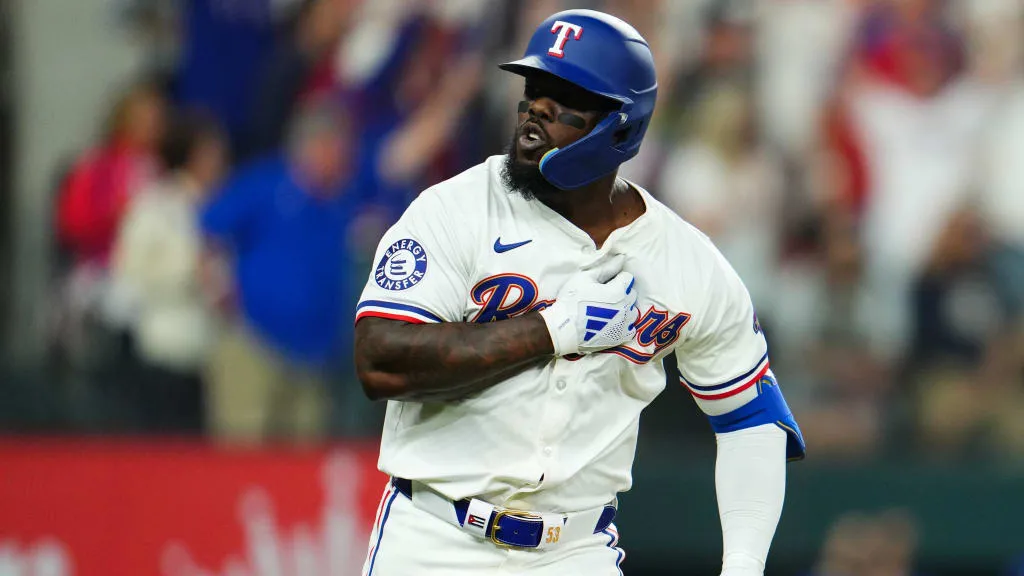
From the front office perspective, this was about timing. Texas had to decide whether to pay for García’s past production or pivot before decline became irreversible. They chose the latter, believing that reallocating resources would better serve a roster trying to rebound from an uneven 2025 campaign. The Rangers’ offense lacked consistency, struggled with on-base percentage, and leaned too heavily on power without enough table-setters.
Yet even with all the rationale, letting go of García was never going to feel clean. The organization acknowledged as much in its farewell message. “Thank you, Adolis, for providing endless energy, enthusiasm, and passion to our club over the past six seasons,” the Rangers wrote. “You gave us the greatest postseason performance of all time, and now, the history of our organization can’t be told without El Bombi.”
That message was classy. The timing, however, reopened wounds. Fans weren’t just reacting to García leaving. They were reacting to where he landed.
Why Philadelphia Was the Perfect Landing Spot for Adolis García
In Philadelphia, García steps into a far more forgiving environment. Unlike Texas, he won’t be asked to carry an offense on his shoulders. Kyle Schwarber already occupies that role, and Nick Castellanos provides another established bat in the outfield. Phillies president of baseball operations Dave Dombrowski has openly stated that the outfield is essentially set, which signals confidence in García as a key everyday piece rather than a stopgap.
For García, this matters. His production has always thrived when he’s not the lone focal point. In Philadelphia, pitchers can’t simply pitch around him without consequence. The lineup protection is real, and the expectations are narrower: hit the ball hard, play elite defense, and bring energy to a clubhouse already chasing October.
The Emotional Whiplash for Rangers Fans
Rangers fans didn’t hold back. One reaction captured the frustration perfectly: “Thanking Adonis AFTER trading him is extremely classless. Do better.” Others pushed back, calling the farewell respectful, but the underlying emotion was universal. Losing García hurt.
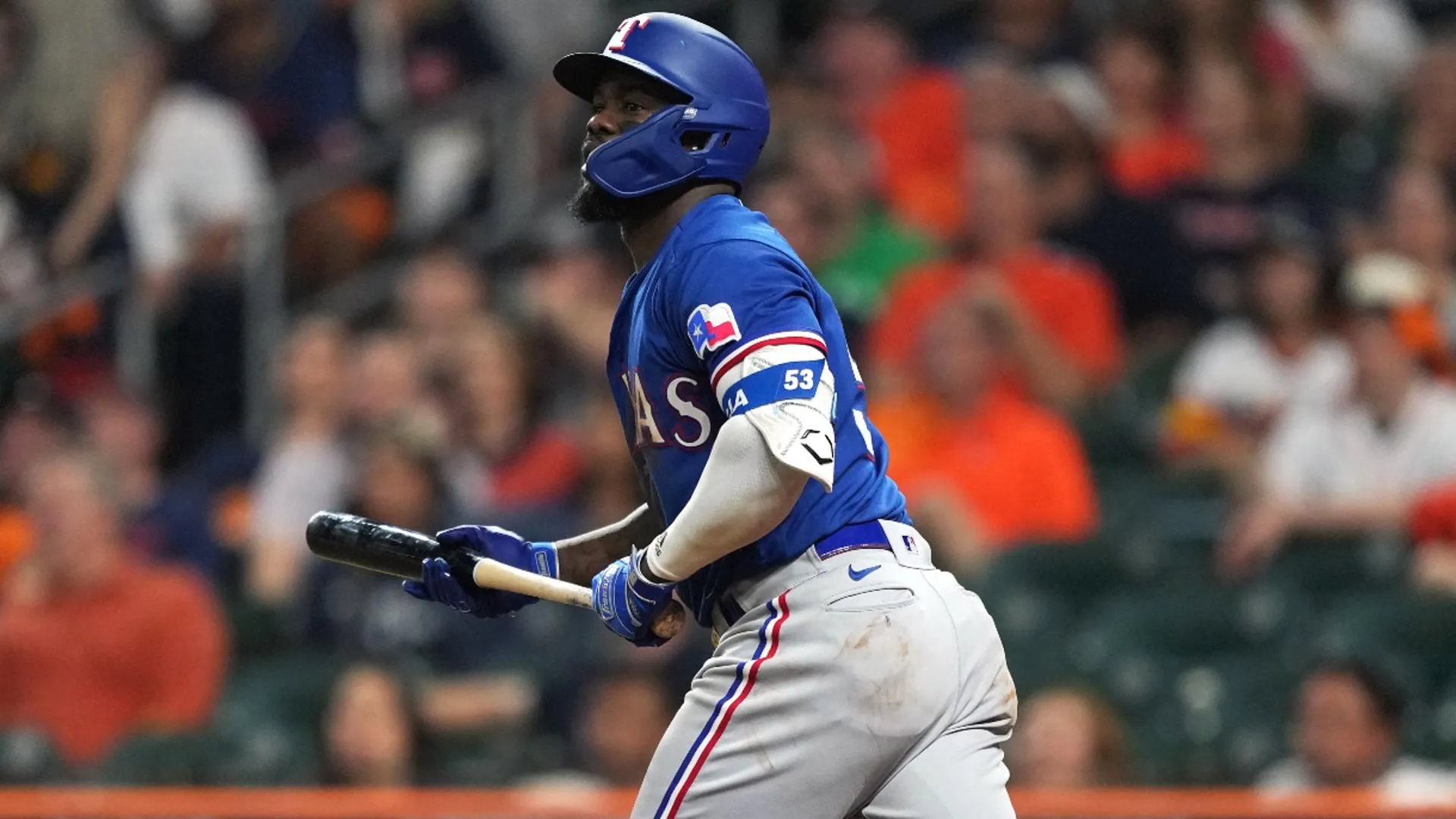
Over 745 games in Texas, García hit 141 home runs, drove in 459 RBIs, earned two All-Star selections, and helped deliver the franchise’s first World Series title. His 2025 season may not have sparkled—19 home runs and 75 RBIs—but context matters. García’s value to Texas was never just about one regular season.
Back in 2023, he authored one of the greatest postseason runs in MLB history, smashing 39 home runs during the season and terrorizing pitching staffs in October. The Rangers simply do not win that championship without him. Fans know it. Players know it. History knows it.
One fan put it bluntly: “We don’t win that World Series without him—especially in the ALCS. Thank you, Adolis!”
El Bombi’s Legacy Still Looms Over Texas
What makes this move sting even more is García’s identity in Arlington. He wasn’t a top prospect. He wasn’t a guaranteed star. He was claimed off waivers, designated for assignment, and written off elsewhere before becoming the emotional engine of a title team. His story mirrored the Rangers’ own rise from irrelevance to champions.
He also brought elite defense. Last season, García led all right fielders with 16 defensive runs saved. That kind of two-way impact is rare, especially at his position. Replacing his bat might be possible on paper. Replacing his presence is another matter entirely.
One fan summed it up with resignation: “I wasn’t ready for this today either.” And that sentiment echoed throughout Rangers circles. This wasn’t just roster churn. It was the end of an era.
Why the Phillies See a Market Inefficiency
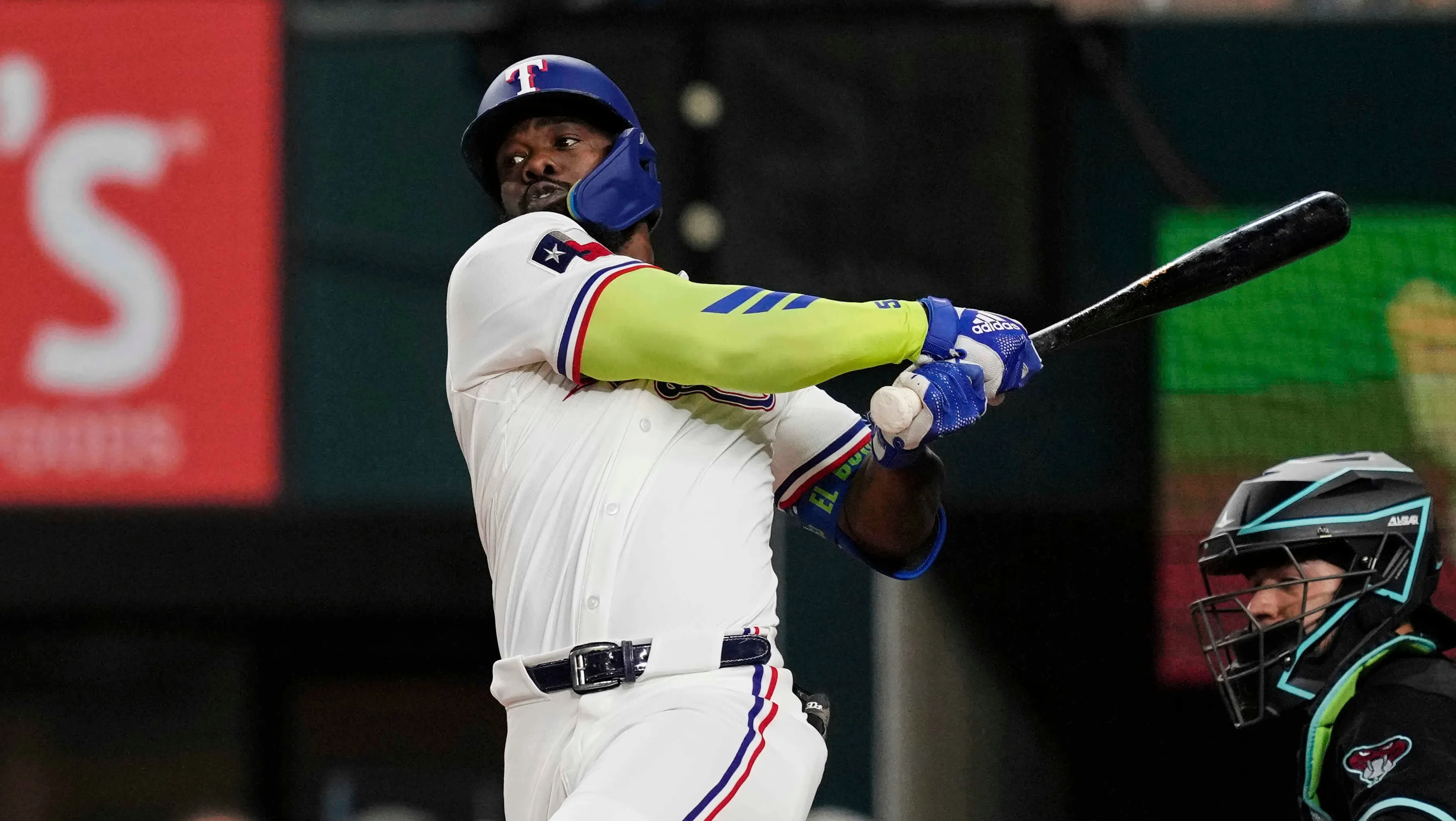
From Philadelphia’s perspective, this move looks opportunistic. García’s underlying metrics still jump off the page. His average exit velocity sits at 92.1 mph, and his hard-hit rate remains strong at 46.7 percent. When he squares the ball up, the damage is undeniable.
Yes, the strikeouts are part of the package. But the Phillies are betting that Kevin Long and the hitting infrastructure can help García refine his approach just enough to maximize his strengths. They don’t need him to be perfect. They need him to be dangerous.
And with depth pieces like Brandon Marsh, Johan Rojas, Pedro León, Gabriel Rincones Jr., and Weston Wilson backing him up, Philadelphia has flexibility. They can manage García’s workload, optimize matchups, and keep him fresh for the stretch run.
The Uncomfortable Truth for Texas Moving Forward
For Texas, the discomfort isn’t about the $10 million García signed for. It’s about optics and timing. Watching a franchise icon walk straight into a contender’s clubhouse forces uncomfortable questions. Did the Rangers move on too early? Will the retooled offense actually be better without his swing-and-miss tendencies? And most importantly, who fills the emotional void?
One fan didn’t mince words: “Should have re-signed him—we’re gonna regret this big time.” That fear lingers because while García is aging, he’s far from finished. In the right environment, his bat can still swing playoff series.
A Move That Will Be Judged in October, Not March
Ultimately, this decision will be evaluated where García made his name: under October lights. If the Phillies make a deep postseason run and García delivers even a fraction of his Texas heroics, the criticism toward the Rangers will only intensify. Every home run, every diving catch, every moment of postseason swagger will reopen old wounds in Arlington.
Meanwhile, Texas must prove that this was more than just payroll trimming. They must show that their vision for a more balanced, disciplined offense can replace not only García’s production but his leadership and edge.
For now, both sides move forward. García gets a fresh start with a contender. The Phillies add a high-upside piece without long-term risk. And the Rangers are left hoping that cold logic wins out over emotional memory.
But one thing is certain: watching El Bombi in red pinstripes will never feel right in Texas.







