

 Vietnamese
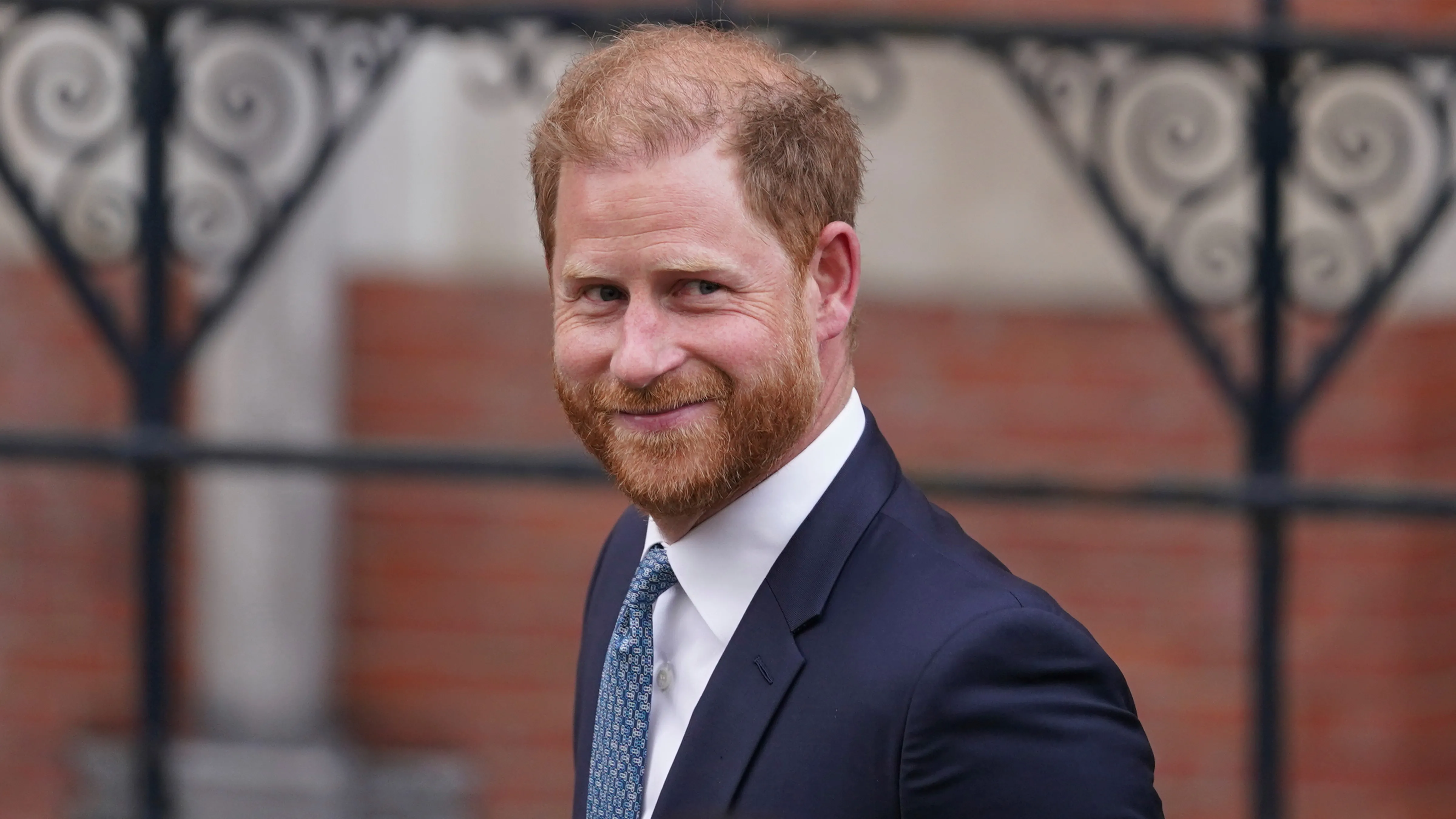
During a recent gathering in Los Angeles the Duke of Sussex, Prince Harry made a surprising remark that stirred attention worldwide. As the keynote speaker at the annual lunch of the British American Business Council (BABC), he compared his experiences growing up inside the British Royal Family to living in the iconic television series Downton Abbey. He joked that only one of those worlds featured drama, intrigue, grand banquets and marriages to Americans and that the other was just a TV show.
The quip was met with laughter and applause among business leaders and attendees, but at the same time it underscored a deeper narrative about the difficult and often complicated realities of being born into royalty. Through humor Harry delivered a message about tradition, expectation, identity and the tension between private life and public spectacle.
A Different Stage Far from London
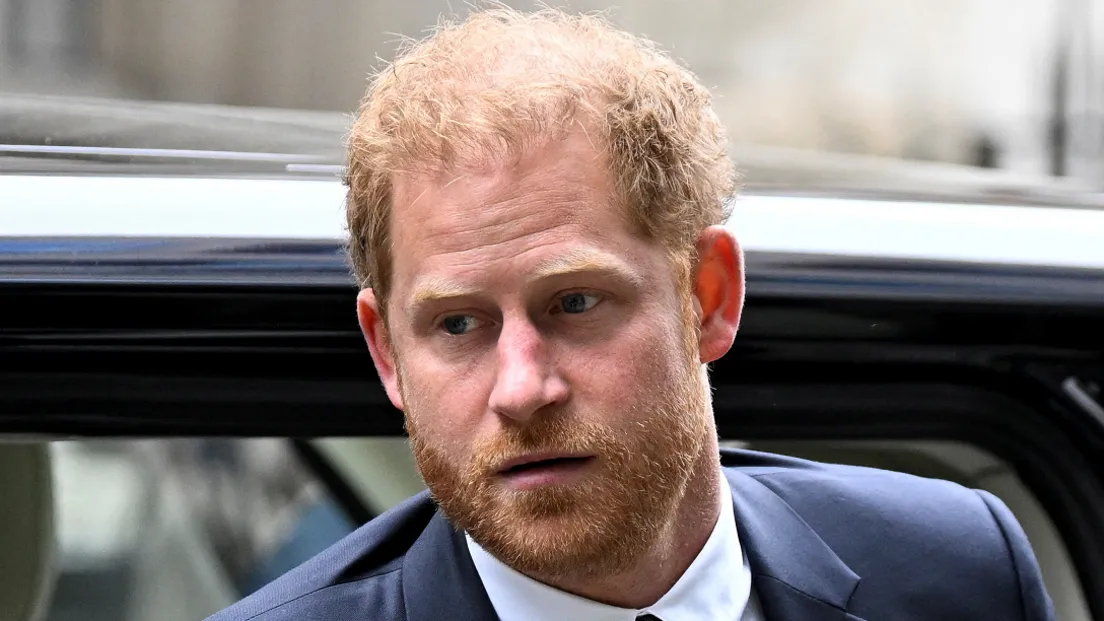
The BABC lunch, held in Los Angeles, was intended to celebrate United Kingdom – United States relations. For Prince Harry, now a US resident living in California with his family, the event offered an opportunity to reflect on his British roots and his current life in America. Speaking to leaders from both sides of the Atlantic he touched on cultural differences, heritage and identity. He also made jokes about wearing kilts and the contrast between British tradition and American customs.
During his speech he remarked on the Fourth of July, humorously referencing it as “independence from my great, great, great, great, great, great grandfather.” That quip underscored his distance from the royal pedigree while highlighting how far removed his life has become from the traditions into which he was born.
He touched on the drama and intrigue he experienced while growing up — an existence many view as glamorous. By comparing it to Downton Abbey, Harry offered both a critique and a wry commentary: what might look like pageantry, heritage, pomp and ceremony from outside can also involve pressures, scrutiny and emotional burdens behind closed doors.
Why the Downtown Abbey Comparison Resonates
At first glance comparing real royalty with a TV drama seems bold, but for many the comparison rang true. The series Downton Abbey is known for lavish dinners, rigid protocols, class dynamics, secret romances, family expectations and generational drama. It projects an image of old-world aristocracy balanced with interpersonal conflict.
Harry played on exactly those themes. Through his words he acknowledged that behind the sparkle of royal events and centuries-old traditions lay a reality full of constraints, expectations and often emotional strain. The contrast between public grandeur and private tension is something many growing up in royal settings understand.
By voicing this during an international business lunch, Harry transformed personal history into social commentary. He reminded the audience that titles and heritage can carry heavy personal cost.
From Royal Upbringing to American Life
After stepping back from royal duties in 2020 and relocating to California with his wife and children, Harry’s life changed dramatically. The move allowed him to embrace a new identity far from UK protocol and public scrutiny. In America he navigates a different world — one where his past may open doors but does not define every interaction.
At the same time he remains publicly tied to his royal origins. His jokes at the luncheon underscored that tension: he is both insider and outsider. He retains his title, a heritage, a story but he also lives in a culture of relative anonymity compared with life in London-palace corridors.
That duality was central to his comments. He leveraged humor to bridge both worlds and yet subtly questioned what royal life meant behind the facade. For him the relocation was not just geographic. It was, in part, a choice to step away from expectations and to reclaim agency over his identity.
Reactions from Royal Observers and Media
As expected, Harry’s remarks generated immediate reactions. Analysts and royal watchers interpreted his comments as a pointed critique rather than lighthearted banter. Some suggested that his jokes reveal ongoing resentment about his upbringing while others praised the moment as honest reflection about privilege and pressure.
Several media outlets covered the speech, quoting his comparison and highlighting the “drama and intrigue” angle. The context — a mixture of business, culture and identity — amplified the significance, making the remarks not only about personal history but about the evolving relevance of royalty in a globalized world.
For many fans around the world the comment sparked reflection. On one hand there was glamour, history and nostalgia. On the other hand, his words opened a window into the cost of tradition, the weight of legacy, and the challenge of forging one’s own path after leaving an institution as ancient and powerful as the British monarchy.
What the Episode Reveals About Royal Life Today
The comparison to Downton Abbey invites broader questions about whether royalty remains relevant in contemporary society. Is the allure of tradition and legacy worth the psychological burden placed on those born into it? Does involvement in a “family business” as antiquated as monarchy make sense in a world of shifting values and international mobility?
Harry’s remarks touched on this dilemma without directly criticizing the institution. By using humor he created space for nuance and reflection. He neither condemned nor glorified the Royal Family. Instead he pointed out the human dimension behind the crowns and ceremonies.
Many readers interpreted his statements as a way to highlight the contrast between appearance and reality. The glitter and grandeur often associated with royalty may mask internal struggles. The pressure to fulfill public expectations, maintain image, follow protocols, and constantly negotiate personal identity can be immense.
The Balance Between Public Role and Private Self
For public figures especially those born into legacy institutions, maintaining a balance between the public role and private self can be hard. For Harry this balance has been even more complicated. His decision to step back from royal duties, move abroad, and pursue a life with greater freedom may reflect a search for authenticity.
His journey reflects broader themes relevant in modern life. Many people struggle with expectations—whether from family, community, or society at large. Some choose to stay within tradition, others step away and carve a new path. Harry’s story captures both experiences: the weight of heritage and the pull of self-determination.
By comparing his upbringing to a drama series, he brought to light the challenge of living a scripted life designed by expectation rather than by personal desire.
The Impact on Public Perception of the Royal Family
The Duke’s comments could influence how people view royalty today. For some, they may reinforce skepticism about monarchy — as a system steeped in pageantry but out of step with everyday reality for most. For others, they humanize a figure often placed on a pedestal.
His remarks may also influence younger generations who question tradition, privilege, and the value of hereditary institutions. In a world where identity and autonomy are increasingly emphasized, Harry’s departure from royal life and his willingness to speak openly may resonate widely.
On the other hand, traditionalists and royal loyalists might view his words as disrespectful or as airing private matters in public. The balance between respect for heritage and honest reflection can be delicate.
Why the Timing Matters
This speech comes at a moment when conversation around royalty, identity and personal freedom is particularly relevant. The global landscape has changed significantly. Cross-cultural mobility, global migration and shifting social values mean that heritage and tradition no longer dictate every aspect of life.
For someone like Harry, who straddles two worlds — British heritage and American lifestyle — the ability to comment on royal legacy from an outsider vantage gives his words weight. The fact that he made this comment at a diplomatic-business event rather than a tabloid interview adds to the gravity: this was not a sensational headline grab but an attempt to frame a conversation about identity, culture and legacy in a setting of transatlantic relations.
What Comes Next for Prince Harry and the Royal Conversation
It remains to be seen whether the comments will trigger deeper changes in how the public perceives royalty. Harry could choose to expand on his ideas — perhaps in interviews, memoirs, public appearances. Alternatively he may continue focusing on his life in the United States, his family and his causes without further addressing the tension between past and present identity.
What is likely is that his words will continue sparking discussion — about what it means to be royal, about the human cost of legacy, and about the right to choose one’s own life path even if it means leaving tradition behind.
Regardless of where the conversation goes, the Downton Abbey comparison will remain a vivid metaphor: it represents a world of elegance and ceremony but also hidden complexities, expectations and personal burden.
Prince Harry’s comparison of his upbringing to Downton Abbey, delivered with humor and subtle critique, reveals much about the modern struggle between heritage and self-determination. His words remind us that behind royal titles and historic institutions are individuals with emotions, doubts and desires for freedom.
In a world that increasingly values authenticity and personal agency, his remarks highlight a profound question: is legacy a blessing or a burden?
Whether one views him as undermining tradition or speaking truth to power, Prince Harry has framed a conversation many might otherwise avoid. Through a joke about kilts and royal dinners he has opened the door to reflection about identity, privilege and the right to choose one’s own story beyond history.
As global citizens we might not all understand what it means to be royal, but we can recognize the tension between legacy and freedom. And in that recognition lies the power of his simple yet bold comment.