Vietnamese
The Australian Open has long been known as the Grand Slam that tests everything—physical endurance, mental resilience, and tactical intelligence. Under the unforgiving Melbourne sun, even the most accomplished players can unravel. Yet in this year’s tournament, two names have stood tall above the chaos: Aryna Sabalenka and Iga Swiatek.
Both women have powered through brutal draws, fending off elite opponents, hostile conditions, and the weight of expectation. Now, with the final rounds approaching, tennis fans around the world are holding their breath as the sport’s most compelling rivalry edges closer to a defining Australian Open final showdown.
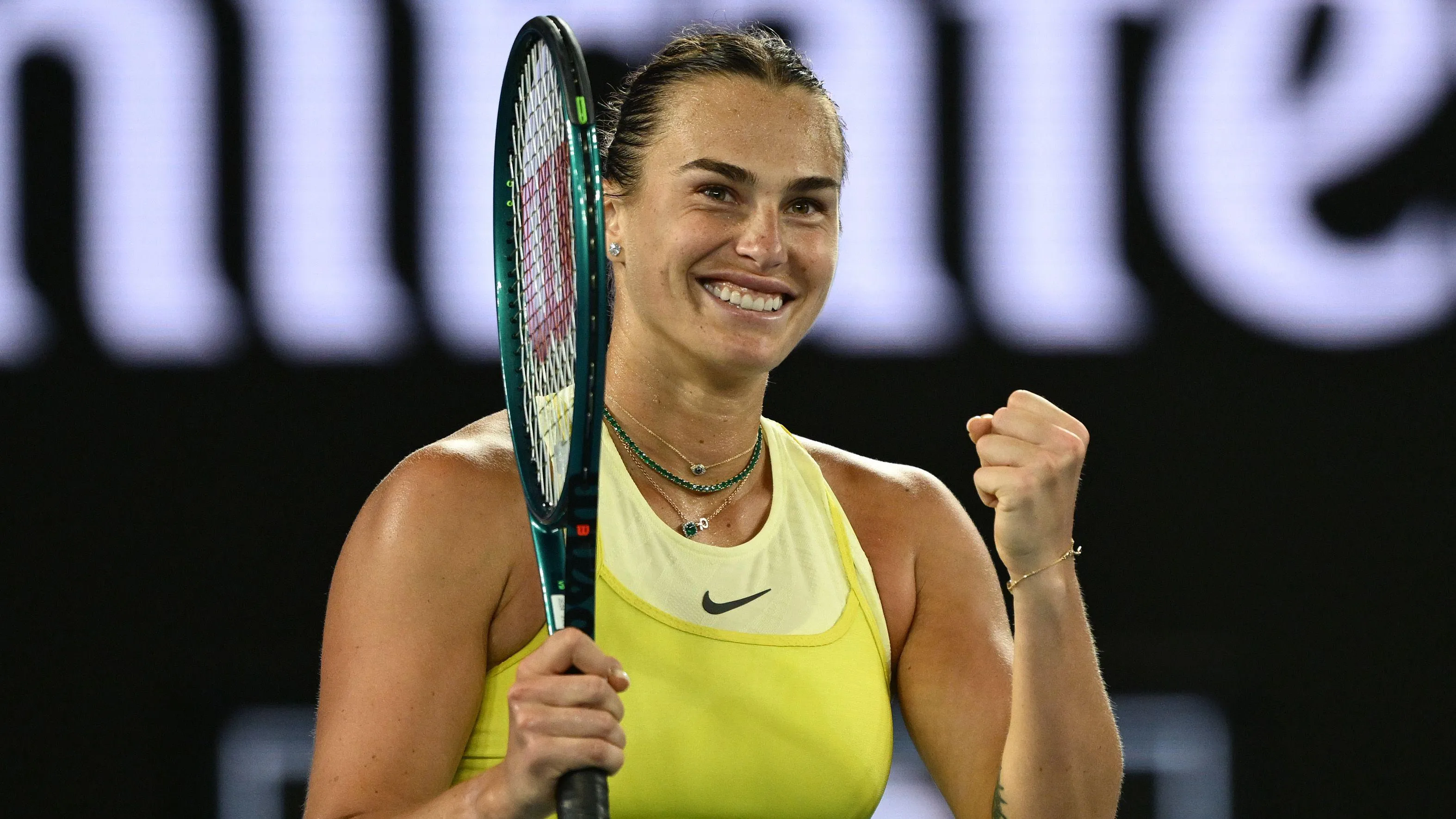
Image: Aryna Sabalenka roaring after a decisive winner on Rod Laver Arena
A Tournament That Has Demanded Everything
This year’s Australian Open has been anything but forgiving. From the opening rounds, the women’s draw resembled a minefield rather than a pathway to glory. Former champions, rising stars, and dangerous floaters were scattered throughout the bracket, leaving no room for complacency.
For Sabalenka and Swiatek, the journey has required:
-
Navigating multiple Top 20 opponents
-
Adapting to contrasting playing styles
-
Managing physical fatigue across long, punishing matches
-
Withstanding immense psychological pressure
Survival alone has been an achievement. Dominance has been something else entirely.
Aryna Sabalenka: Power Refined Under Pressure
Aryna Sabalenka arrived in Melbourne carrying both confidence and scrutiny. Known for her explosive power, she has often been labeled as unstoppable on her day—and vulnerable when her margins slip. This tournament, however, has showcased a more complete version of the Belarusian star.
Sabalenka’s Australian Open journey highlights:
-
Crushing baseline aggression paired with improved shot selection
-
Sharper serving under pressure moments
-
Greater emotional control during momentum swings
Her matches have not been straightforward. Several opponents pushed her to physical and mental limits, forcing Sabalenka to find solutions beyond sheer force.
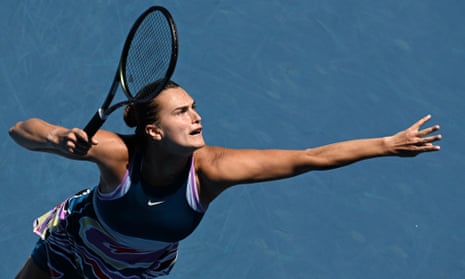
Image: Sabalenka serving at full extension during a night session
Mental Growth: Sabalenka’s Quiet Transformation
Perhaps the most striking aspect of Sabalenka’s run has been her composure. In past Grand Slams, moments of frustration sometimes derailed her rhythm. In Melbourne this year, those moments have been fewer—and shorter.
Observers have noted:
-
Reduced unforced errors in key games
-
Smarter point construction in long rallies
-
A willingness to reset rather than react emotionally
This evolution has turned Sabalenka from a dangerous contender into a genuine favorite.
Iga Swiatek: Precision Meets Relentless Consistency
If Sabalenka represents raw power refined, Iga Swiatek embodies controlled dominance. The world No. 1 entered the Australian Open with expectations sky-high—and a target firmly on her back.
Swiatek’s path, however, has been just as grueling.
Swiatek’s defining strengths in Melbourne:
-
Exceptional footwork and court coverage
-
Heavy topspin forehand that breaks opponents’ timing
-
Tactical adaptability against varied playing styles
Rather than overwhelming opponents in flashy fashion, Swiatek has suffocated them—point by point, game by game.
Image: Iga Swiatek sliding into a forehand on the hard court
Handling the Pressure of Being No. 1
Being the top seed at a Grand Slam brings a unique psychological challenge. Every opponent plays with nothing to lose. Every crowd expects perfection. Swiatek has handled that pressure with remarkable maturity.
Her ability to:
-
Stay patient during long baseline exchanges
-
Neutralize power hitters with depth and spin
-
Maintain intensity even when leading
has been a masterclass in elite-level consistency.
The Brutality of the Draw: No Easy Matches
What makes this potential final so compelling is the road both players have traveled. Neither benefited from an easy section of the draw.
The draw’s challenges included:
-
Early-round matchups against dangerous unseeded players
-
Mid-tournament clashes with seasoned Grand Slam contenders
-
Styles ranging from flat hitters to defensive counterpunchers
Each round demanded adjustment, resilience, and peak physical conditioning.
Image: Packed stadium crowd during a tense Australian Open match
A Rivalry Defined by Contrast
The prospect of a Sabalenka vs Swiatek final is tennis theater at its finest because of the contrast in styles.
Sabalenka brings:
-
Flat, powerful groundstrokes
-
Shortened points when in control
-
An aggressive mindset that can overwhelm
Swiatek counters with:
-
Heavy topspin and depth
-
Exceptional movement and defense
-
Tactical patience that draws errors
Their encounters are not just matches—they are chess battles played at full speed.
Head-to-Head: What History Tells Us
Past meetings between Sabalenka and Swiatek have been closely contested, often swinging on fine margins. Momentum shifts, tactical adjustments, and mental resilience have all played decisive roles.
Key themes from their rivalry include:
-
Swiatek’s ability to absorb pace
-
Sabalenka’s success when dictating early
-
Matches decided by handling pressure points
An Australian Open final would add a new, monumental chapter.
Physical Endurance: The Hidden Battle
Melbourne’s heat is legendary, and this year has been no exception. Long rallies, extended matches, and back-to-back days on court have tested both players’ conditioning.
So far:
-
Sabalenka’s improved fitness has allowed her to maintain power late
-
Swiatek’s efficient movement has conserved energy
In a potential final, endurance could be as decisive as shot-making.
Image: Players cooling down with ice towels during a changeover
The Stakes: More Than Just a Trophy
While the Australian Open title is the immediate prize, the implications go further.
What’s on the line:
-
Grand Slam legacy positioning
-
Psychological edge for the rest of the season
-
Momentum heading into upcoming WTA events
For Sabalenka, victory would further validate her evolution into a complete champion. For Swiatek, it would reinforce her status as the era’s defining player.
Fans and Analysts Are Buzzing
Across social media and tennis broadcasts, anticipation is building. Analysts are already dissecting:
-
Serve patterns
-
Return positioning
-
Net play tendencies
Fans, meanwhile, are preparing for what many believe could be the match of the tournament.
Tactical Keys to a Potential Final
If the showdown materializes, several factors may decide the outcome:
For Sabalenka:
-
First-serve percentage
-
Managing unforced errors
-
Attacking Swiatek’s second serve
For Swiatek:
-
Extending rallies
-
Targeting Sabalenka’s movement
-
Maintaining depth under pressure
Neither player can afford lapses.
The Bigger Picture for Women’s Tennis
Beyond individual glory, this matchup symbolizes the strength of the modern WTA. Power, precision, athleticism, and intelligence are all on display at the highest level.
A Sabalenka–Swiatek final would:
-
Highlight contrasting pathways to success
-
Showcase the depth of women’s tennis
-
Deliver a global spectacle worthy of a Grand Slam stage
Image: Australian Open trophy displayed courtside
Final Thoughts: A Collision Course Toward History
Aryna Sabalenka and Iga Swiatek have not simply advanced through the Australian Open—they have endured it. Every match has demanded growth, resilience, and belief. Now, with the final rounds approaching, destiny seems to be drawing them together.
If the final showdown arrives, it will not just crown a champion. It will tell a story of power versus precision, emotion versus calculation, and two athletes at the peak of their abilities refusing to yield.
For tennis fans, this is more than a match.
It is the moment the Australian Open has been building toward all along.