

 Vietnamese
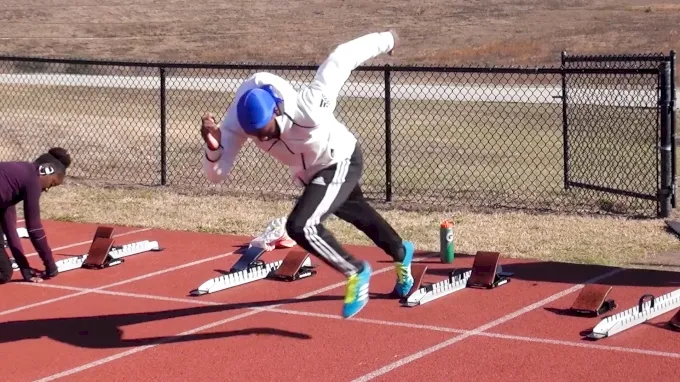
Just weeks before his highly anticipated return to professional competition, Noah Lyles has once again captured the attention of the global track and field community—not with bold words, but with an unexpected training surprise that has fans, analysts, and rivals buzzing.
Known as much for his personality as his blistering speed, Lyles has never followed a conventional path. This latest move reinforces a familiar theme in his career: when the spotlight fades, he evolves.
Why Noah Lyles’ Training Always Matters
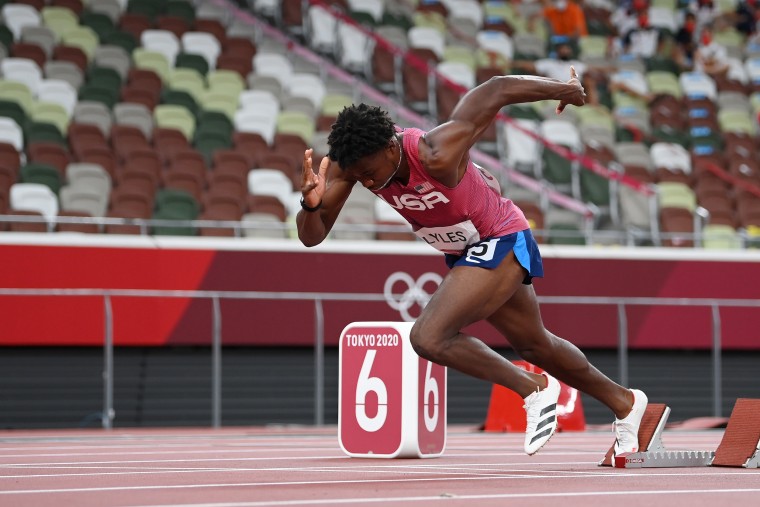


In modern track and field, few athletes generate anticipation like Noah Lyles. As a multiple-time world champion and Olympic gold medalist, his preparation phases are watched almost as closely as his races.
Lyles represents more than podium finishes:
-
He is the face of American sprinting
-
A global ambassador for the sport
-
A symbol of innovation in athlete preparation
So when he changes something in his routine, people notice.
The Unexpected Training Surprise Explained
Reports indicate that Lyles has incorporated non-traditional elements into his training block—methods rarely emphasized so close to a professional return.
While full details remain closely guarded, sources point to:
-
Unusual cross-training components
-
Modified sprint mechanics sessions
-
A sharper focus on rhythm and efficiency over raw power
For an athlete renowned for explosive finishes, this pivot has sparked intrigue.
Why This Move Is Raising Eyebrows
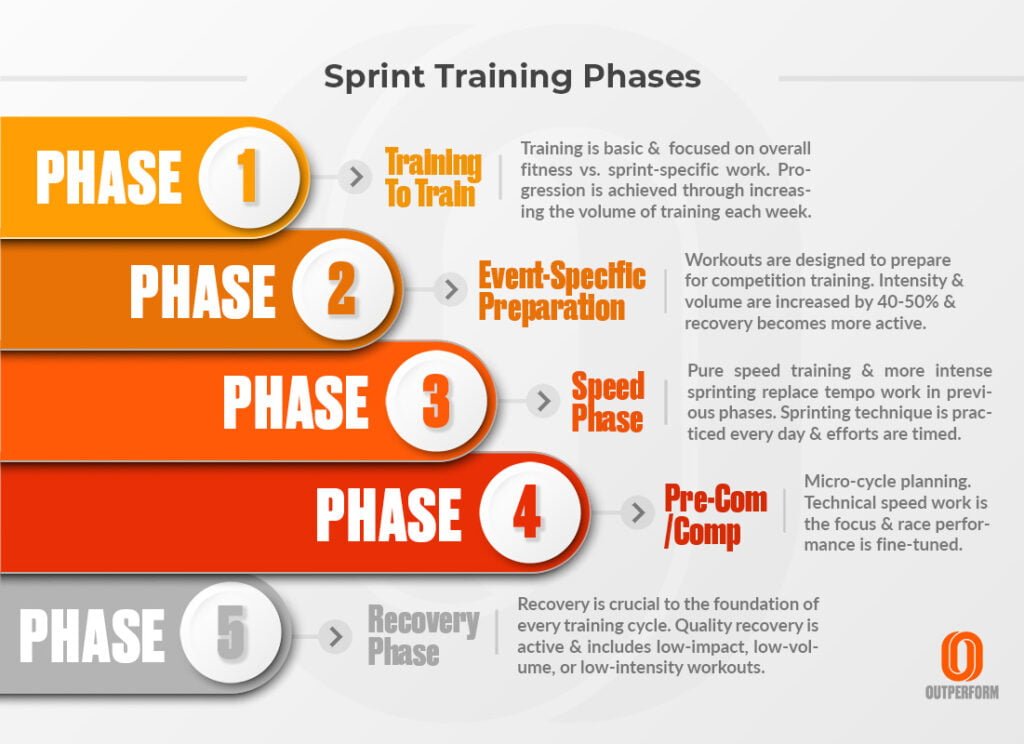
Traditional sprint preparation often follows a predictable arc:
-
Base conditioning
-
Speed development
-
Race modeling
-
Competition sharpening
Lyles’ current approach appears to invert expectations, prioritizing adaptability and neurological readiness rather than peak force output.
In elite sprinting, that’s a bold gamble.
The Timing: Weeks Before a Pro Return
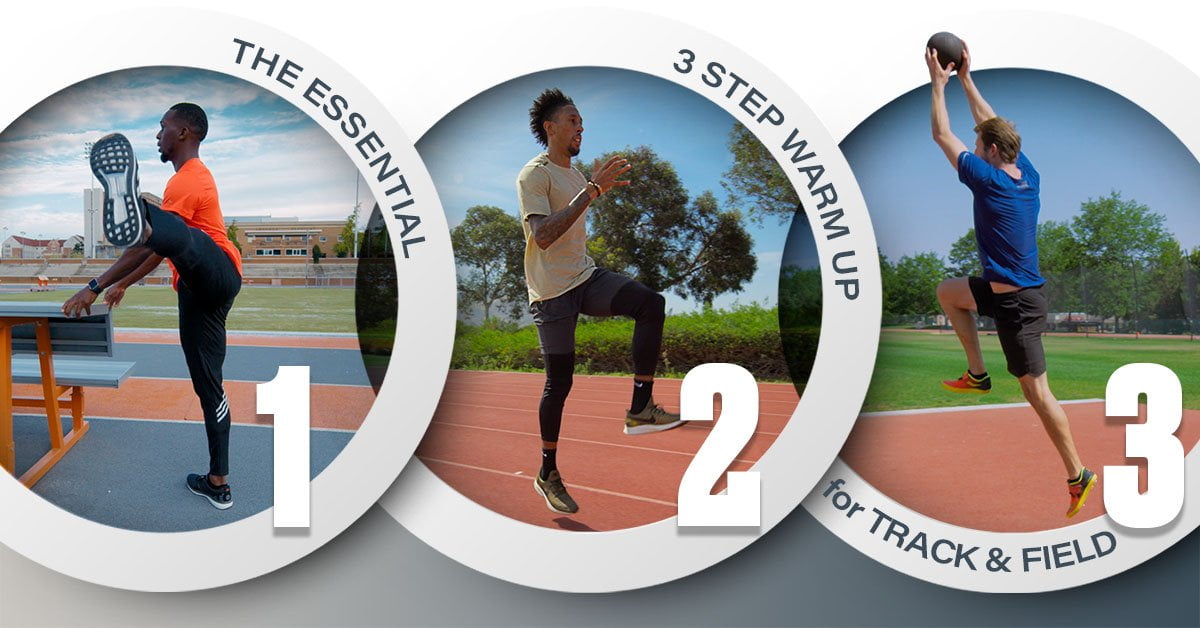
What makes this decision even more fascinating is the timing. With competition looming, most sprinters lock into familiar routines. Lyles, however, seems comfortable embracing uncertainty.
This suggests:
-
Deep confidence in his physical base
-
A long-term vision extending beyond a single race
-
Willingness to experiment when margins are smallest
It’s a mindset few athletes possess at the highest level.
A Career Built on Reinvention
Noah Lyles’ career has never followed a straight line.
From his early breakout years to world championship dominance, he has repeatedly:
-
Adjusted training environments
-
Tweaked technical elements
-
Reframed mental preparation
This adaptability has allowed him to remain relevant in a sport where fractions of a second define legacies.
Mental Edge: Training the Brain as Much as the Body


One theory gaining traction is that Lyles’ new approach emphasizes neural efficiency—training the nervous system to fire more economically under pressure.
This can lead to:
-
Faster reaction times
-
Smoother transitions
-
Reduced late-race tension
At elite speeds, relaxation can be more powerful than brute strength.
What Coaches and Experts Are Saying
Within coaching circles, reactions have ranged from admiration to skepticism.
Supporters Say
-
Lyles is ahead of the curve
-
Modern sprinting requires innovation
-
Longevity depends on adaptation
Critics Argue
-
Late changes invite unnecessary risk
-
Proven systems exist for a reason
-
Competition isn’t the time to experiment
Both sides agree on one thing: Lyles is fearless.
How This Fits the Broader Track and Field Trend


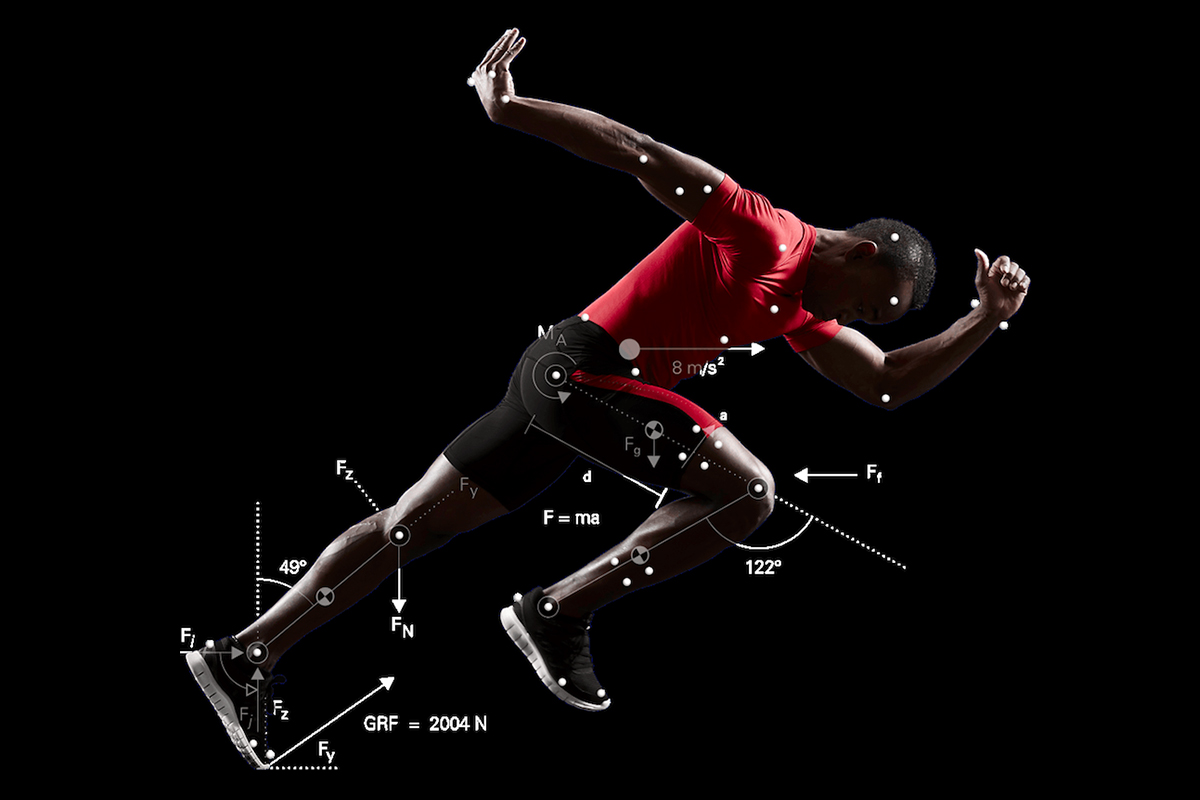
Across global athletics, top athletes are increasingly:
-
Blending disciplines
-
Using biomechanical data
-
Emphasizing recovery and efficiency
Lyles’ training surprise may simply reflect the next evolution of elite preparation—one where adaptability outweighs tradition.
Pressure, Expectations, and Public Scrutiny
Few athletes train under the microscope like Noah Lyles. Every move is analyzed, every quote dissected.
Yet Lyles thrives in this environment. His confidence suggests:
-
Trust in his team
-
Belief in the process
-
Comfort with being unconventional
Pressure, for him, is fuel.
What This Means for His Professional Return
When Lyles steps back onto the track, expectations will be immense.
Fans will watch for:
-
Acceleration patterns
-
Mid-race composure
-
Closing speed
If the training surprise pays off, it could redefine how elite sprinters prepare for competition.
Implications for Rivals
Lyles’ competitors are paying attention.
An athlete willing to innovate:
-
Forces others to adapt
-
Creates psychological uncertainty
-
Shifts competitive dynamics
Sometimes, the real advantage is making rivals question their own preparation.
A Message Beyond the Stopwatch


Beyond medals and times, Lyles’ approach sends a broader message:
-
Growth requires risk
-
Comfort zones limit greatness
-
Evolution is essential at the top
For younger athletes, it’s a powerful lesson in courage and curiosity.
Could This Redefine Late-Stage Training?
If successful, Lyles’ approach may inspire:
-
Coaches to rethink taper phases
-
Athletes to personalize preparation
-
Federations to embrace innovation
Track and field has long balanced tradition with progress. Moments like this tilt the scale toward change.
The Olympic Context
With the Olympic Games always looming in the background, every season carries long-term implications.
Lyles’ willingness to adapt now may be about more than one comeback—it may be about extending dominance into the next Olympic cycle.
What Happens If It Doesn’t Work?
Even failure would reinforce something important:
-
That elite sport rewards courage
-
That innovation requires vulnerability
-
That legacy is built on bold choices
For Lyles, standing still has never been an option.
Final Thoughts: Evolution in Motion
Noah Lyles’ unexpected training surprise is more than a curiosity—it’s a statement.
It says that even at the pinnacle of sprinting, reinvention matters. That preparation is not static. And that greatness is not just about speed, but about the willingness to evolve.
When Lyles returns to the track, the stopwatch will tell one story.
But his preparation already tells another: the future of sprinting belongs to those brave enough to rethink it.
All eyes will be watching.







