

 Vietnamese

Winning NFL Coach of the Year should be the ultimate validation—proof that a coach has mastered leadership, strategy, and adversity at the highest level of football.
Instead, it has quietly become one of the deadliest awards in professional sports.
From 2018 through 2026, a startling pattern has emerged: many Coach of the Year winners either lose their jobs shortly afterward or see their tenures unravel under impossible expectations. What should be a career milestone has instead become a warning label.
This is the story of how the NFL’s most prestigious coaching honor turned into a ticking clock.
Why Coach of the Year Sets a Trap
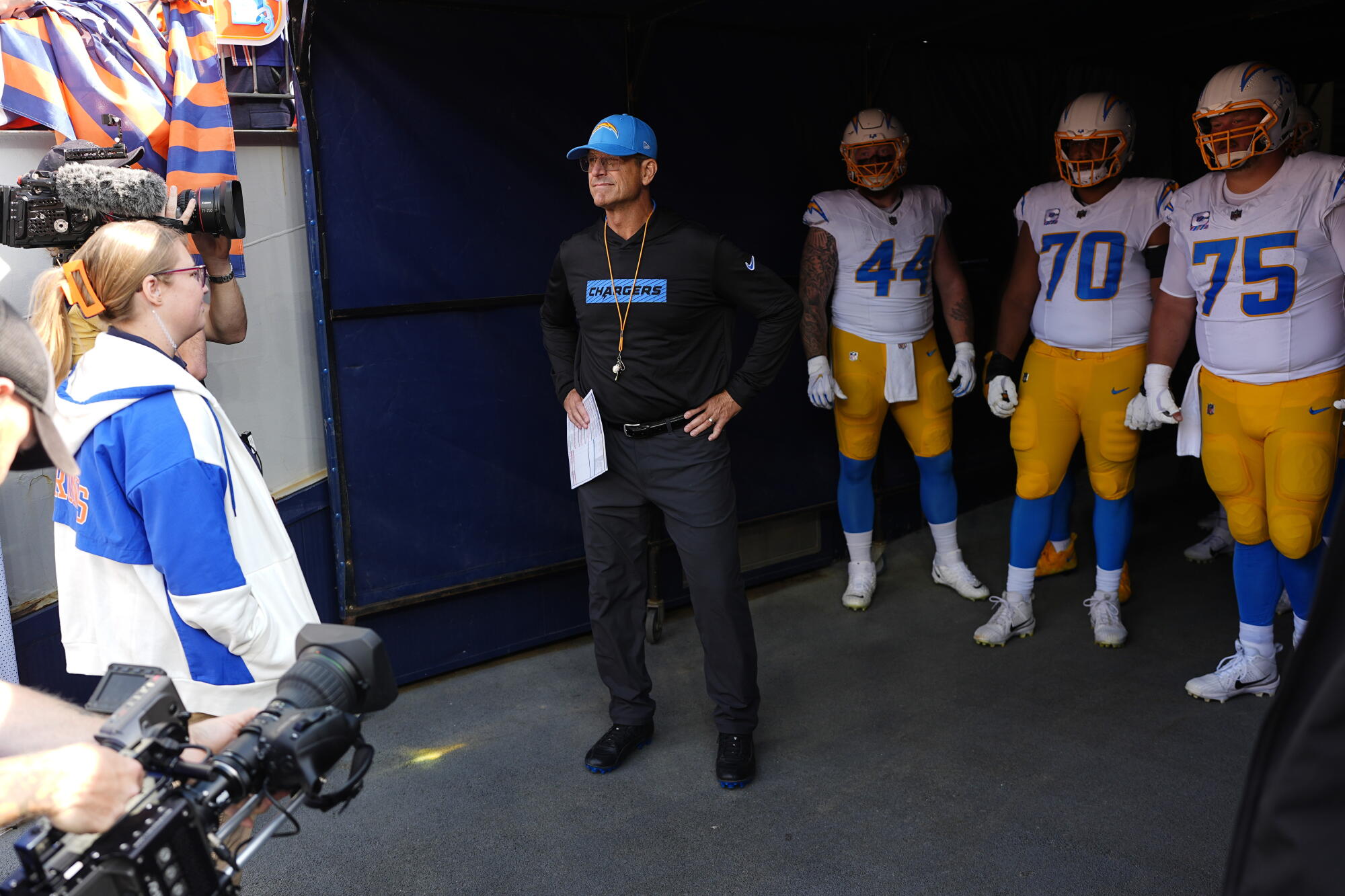
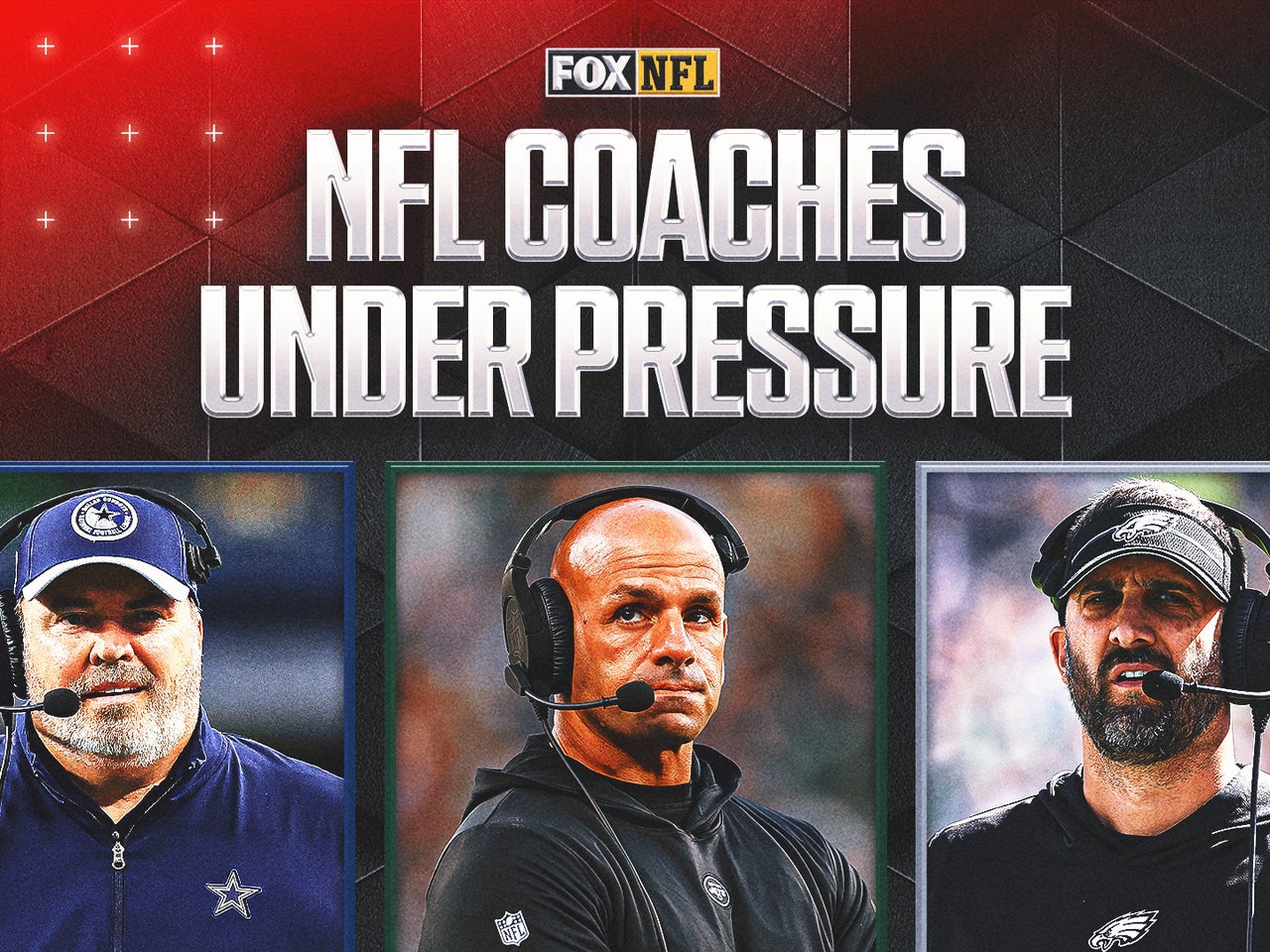
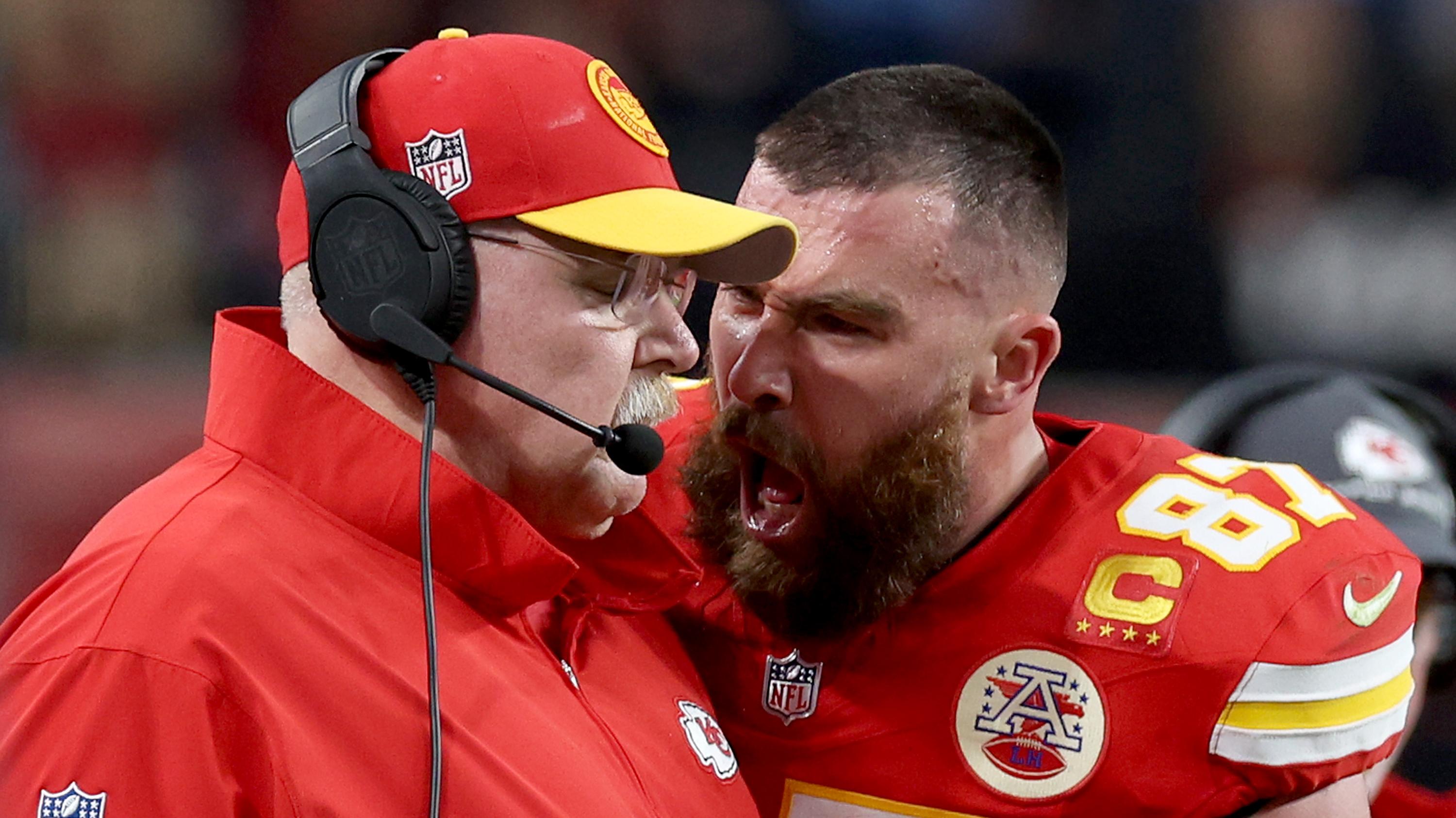
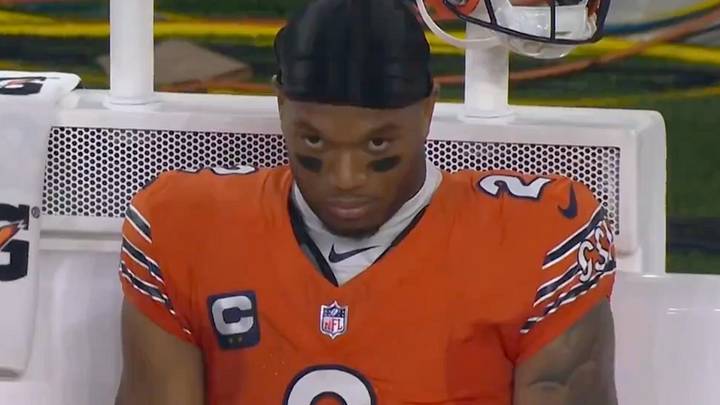
Coach of the Year is often awarded not for sustained dominance—but for overachievement.
Typically, winners are coaches who:
-
Turn around struggling franchises
-
Exceed preseason expectations dramatically
-
Win with flawed or transitional rosters
-
Catch lightning in a bottle
The problem? Overachievement resets expectations overnight.
What was once a rebuilding team is suddenly expected to contend every single year—often without roster upgrades or long-term structural stability.
2018–2026: A Pattern Too Loud to Ignore
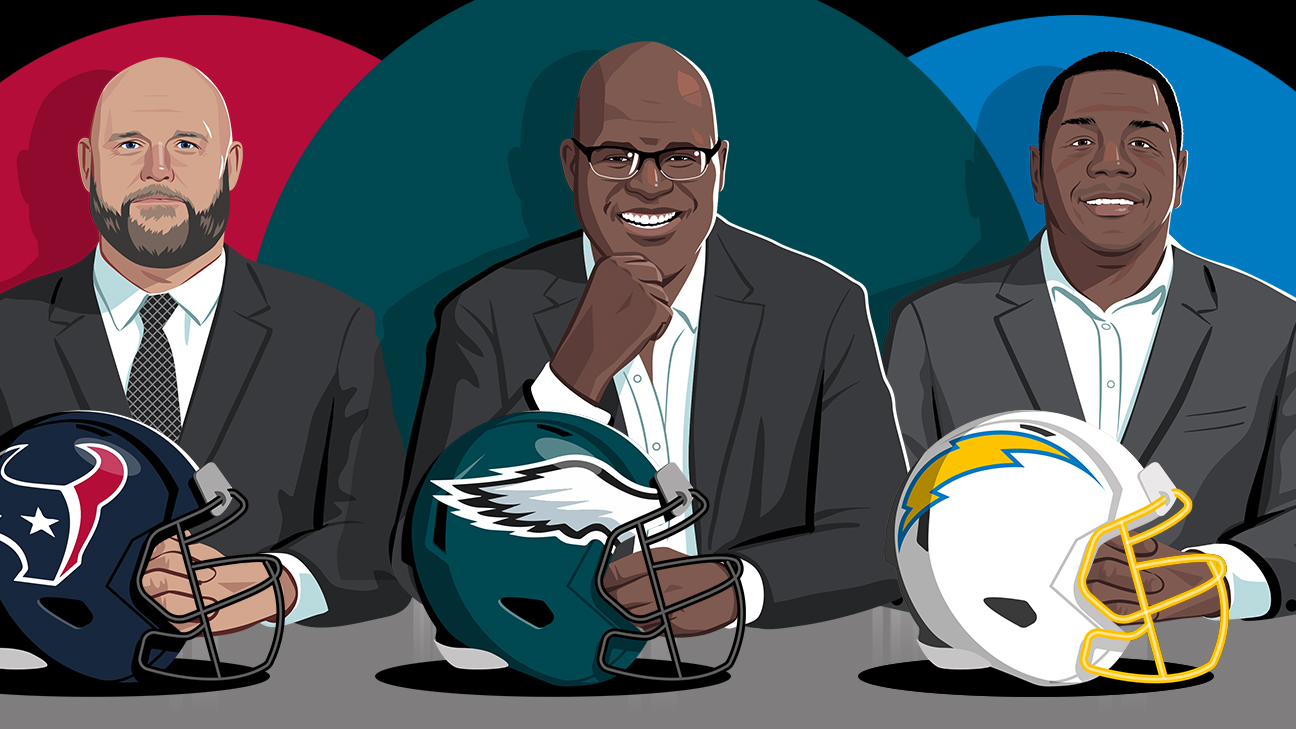


Over the past eight years, multiple Coach of the Year winners have faced:
-
Rapid regression
-
Ownership impatience
-
Front-office conflict
-
Shortened job security
In many cases, the award accelerated the coach’s downfall rather than securing longevity.
Case Study: The Boom-and-Bust Coach



A familiar cycle repeats itself:
Year 1–2
-
New coach inherits chaos
-
Low expectations create freedom
-
Aggressive decisions pay off
Coach of the Year Season
-
Team overperforms
-
Media praise explodes
-
Ownership confidence peaks
The Aftermath
-
Schedule gets harder
-
Injuries expose roster holes
-
Regression looks like failure
-
Coach becomes expendable
Success becomes the benchmark—and survival becomes harder.
Why Owners Lose Patience Faster Than Ever


Modern NFL ownership is driven by:
-
Instant results
-
Revenue pressure
-
Fan impatience
-
Media narratives
Winning Coach of the Year elevates a coach into a short-term investment rather than a long-term project. Once expectations spike, tolerance evaporates.
A 9–8 season after a 12–5 breakout is no longer progress—it’s seen as decline.
When the Award Masks Structural Problems

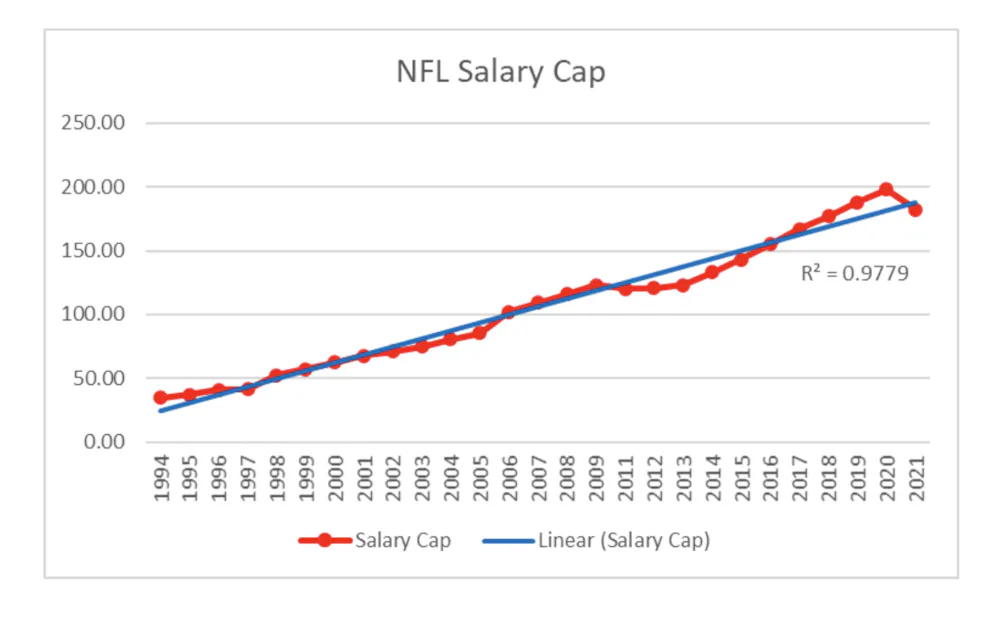

Many Coach of the Year seasons cover up deeper issues:
-
Aging rosters
-
Salary cap traps
-
Temporary quarterback success
-
Unsustainable turnover luck
When reality reasserts itself, the coach—now a high-profile figure—absorbs the blame.
The award doesn’t fix the foundation. It just raises the ceiling expectations.
The Quarterback Factor
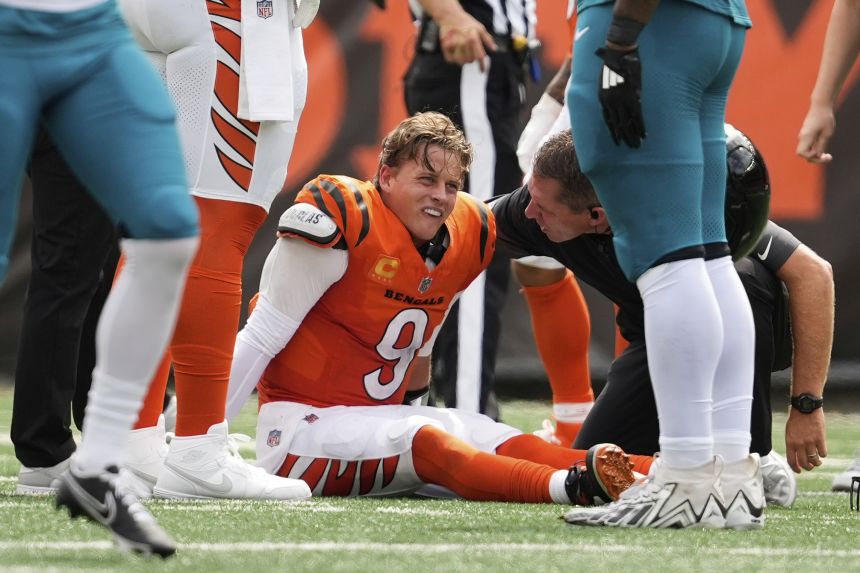
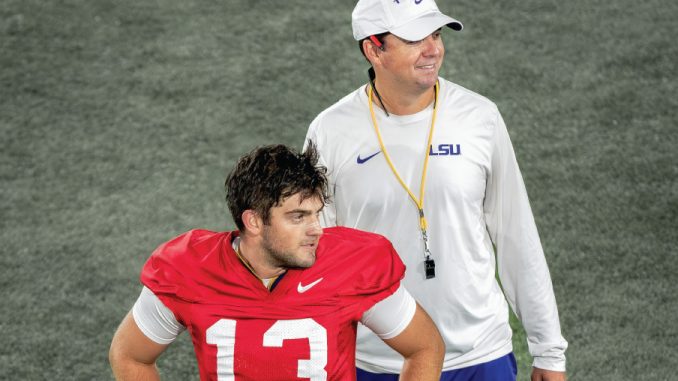

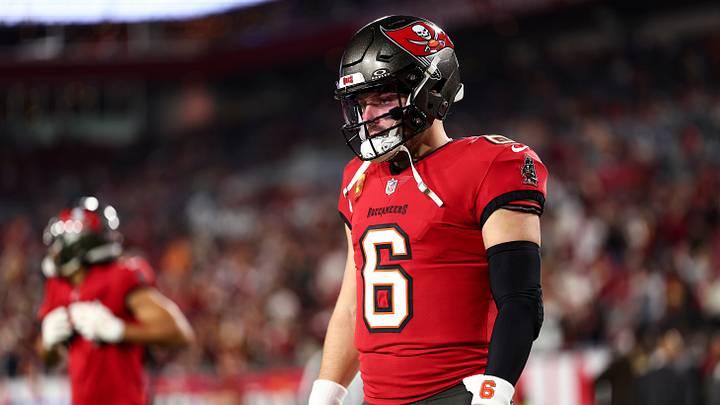
Coach of the Year winners often benefit from:
-
Career-year quarterback play
-
Unexpected QB health
-
Favorable matchups
When that quarterback regresses, gets injured, or leaves:
-
Schemes look predictable
-
Coaches appear exposed
-
Front offices pivot quickly
In the NFL, coaches without elite quarterbacks rarely survive expectation spikes.
Why Sustained Excellence Rarely Wins the Award


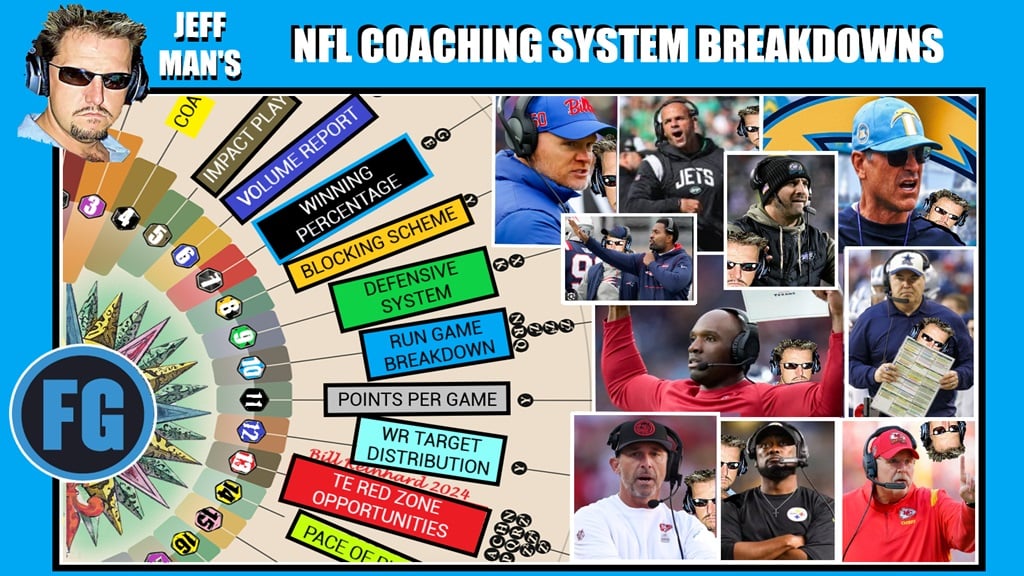
Ironically, the safest coaches rarely win Coach of the Year.
Consistent contenders—dynasties built on stability—are often overlooked because:
-
Success feels “expected”
-
Dominance lacks novelty
-
Media rewards surprise over structure
The award celebrates exceptional seasons, not sustainable programs—and that distinction matters.
Media Praise, Then Media Pressure


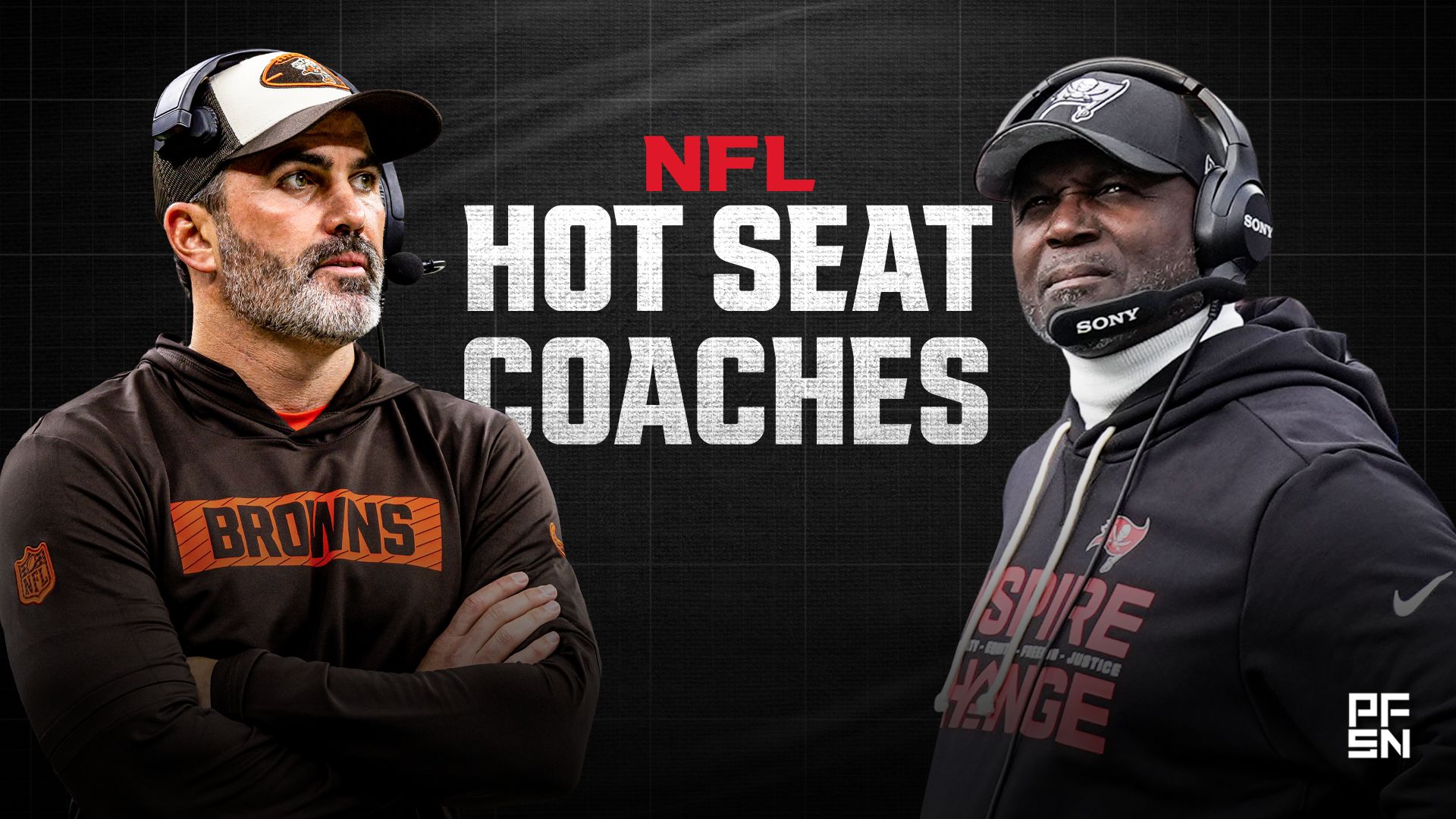
Coach of the Year winners become media fixtures:
-
Weekly analysis
-
Scheme breakdowns
-
Leadership narratives
But praise flips quickly.
Once struggles appear, the same visibility amplifies criticism—creating a pressure cooker that few survive.
Is the Award Actually a Warning Sign?


From 2018 to 2026, Coach of the Year has increasingly signaled:
-
A peak rather than a platform
-
A turning point, not a foundation
-
Visibility without protection
It’s not a curse—it’s a signal of unsustainable success.
What Needs to Change




If the league wants coaching stability, it requires:
-
Owners separating performance from trajectory
-
Media rewarding long-term building
-
Front offices protecting coaches from short-term noise
Until then, Coach of the Year will remain less a shield—and more a spotlight.
Final Takeaway
The NFL Coach of the Year award was meant to honor excellence. Instead, it has become one of the league’s most dangerous distinctions.
From 2018 through 2026, history shows a sobering truth: overachievement creates expectations faster than infrastructure can support them. When regression arrives—as it always does—the award winner becomes the first casualty.
In today’s NFL, the safest coaches aren’t the most celebrated ones.
They’re the ones who never needed the trophy in the first place.







