

 Vietnamese

Introduction: A Turning Point for College Basketball Transfers



The NCAA has officially announced a major overhaul of the transfer windows for both men’s and women’s college basketball, a move that could significantly reshape how programs build rosters and how student-athletes navigate their careers.
In an era already defined by rapid player movement, NIL deals, and increased athlete autonomy, this latest policy shift signals that the NCAA is attempting to bring order, balance, and clarity to an increasingly complex transfer landscape.
What Exactly Did the NCAA Change?


At the core of the announcement is a restructuring of the transfer portal windows, including:
-
Adjusted opening and closing dates for transfer entry
-
Clearer alignment with the academic calendar
-
Greater consistency between men’s and women’s basketball
The NCAA’s goal is to reduce chaos during the offseason while still preserving player freedom.
Why the Transfer Portal Needed Reform



Over the last few seasons, the transfer portal has exploded:
-
Thousands of players entering annually
-
Coaches rebuilding rosters almost entirely through transfers
-
Fans struggling to recognize teams year-to-year
While the portal empowered athletes, it also created instability, with some programs facing roster uncertainty deep into the summer.
Key Details of the New Transfer Windows


Shorter, More Defined Windows
The revised windows are:
-
More compact
-
Strategically timed around the postseason
-
Designed to limit prolonged roster turnover
Alignment With Academics
By syncing transfer periods more closely with academic deadlines, the NCAA hopes to:
-
Protect student-athlete academic progress
-
Reduce mid-semester disruptions
Impact on Men’s College Basketball



For men’s programs, the changes could be transformative:
-
Coaches gain clearer timelines for roster decisions
-
Fewer late-summer surprises
-
Increased emphasis on early evaluations and retention
Programs that relied heavily on last-minute portal additions may need to rethink their strategies.
What This Means for Women’s College Basketball



Women’s basketball, which has seen rapid growth and visibility, also stands to benefit:
-
More predictable offseason planning
-
Improved competitive balance
-
Stronger emphasis on player development over constant turnover
The NCAA’s effort to standardize rules across genders is widely viewed as a positive step.
How Coaches Are Expected to Adapt
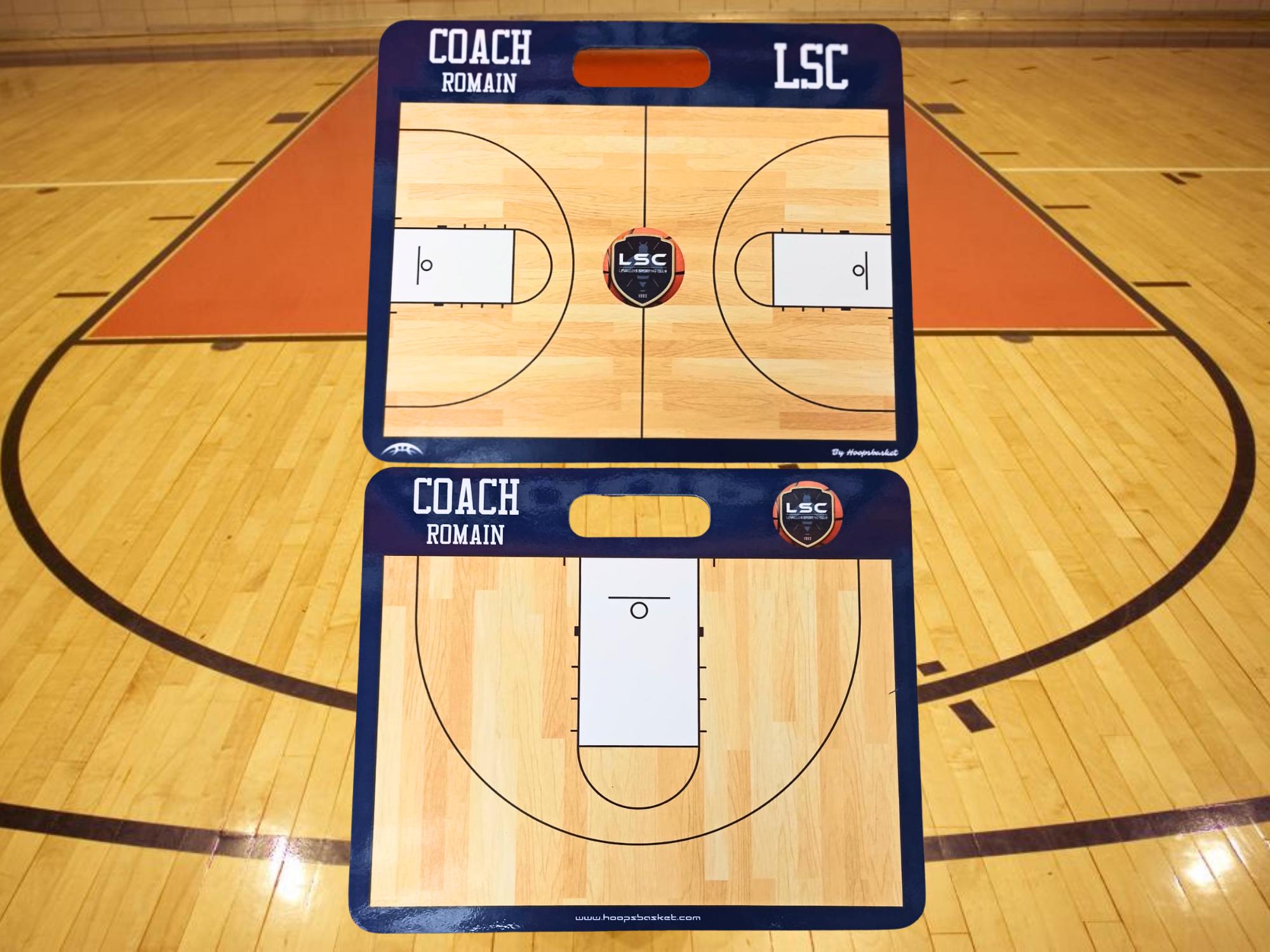


With tighter windows, coaching staffs must:
-
Accelerate scouting and evaluations
-
Prioritize roster continuity
-
Build deeper relationships to reduce transfer losses
Recruiting departments will increasingly resemble front offices, blending analytics with relationship management.
The Player Perspective: More Structure, Less Chaos?


For players, the new rules present both opportunities and challenges:
Pros
-
Clearer timelines
-
Less prolonged uncertainty
-
Better academic alignment
Cons
-
Less time to explore options
-
Pressure to make quicker decisions
Still, many athletes may welcome a system that feels more organized and less overwhelming.
Transfer Portal + NIL: A New Balancing Act
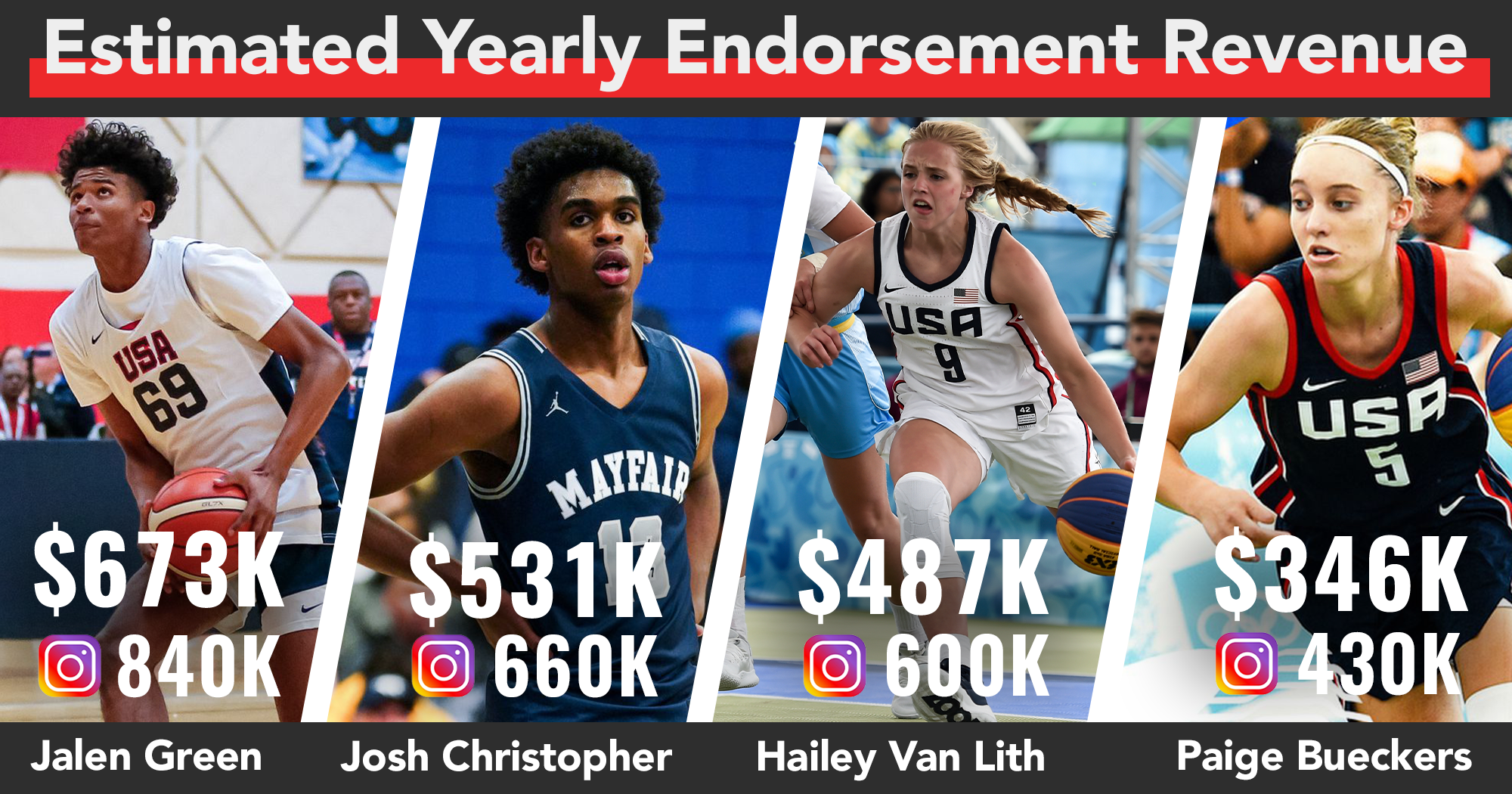


The transfer portal does not exist in isolation. With Name, Image, and Likeness (NIL) deals now deeply intertwined with player movement:
-
Shorter windows may stabilize NIL negotiations
-
Schools gain more time to structure compliant offers
-
Athletes can make decisions with clearer financial expectations
This policy shift could quietly reshape NIL dynamics across college basketball.
Competitive Balance: Leveling the Playing Field?


One of the NCAA’s stated goals is to improve competitive balance:
-
Elite programs can no longer endlessly reload late
-
Mid-majors may retain stars more effectively
-
Continuity becomes a competitive advantage
Whether this leads to greater parity remains to be seen, but the intent is clear.
Potential Unintended Consequences



No rule change is without risk. Critics warn of:
-
Rushed decisions harming player fit
-
Increased reliance on agents and advisors
-
Possible legal challenges if athletes feel restricted
The NCAA will likely need to monitor and refine the system in coming years.
Reaction Across the College Basketball World


Early reactions have been mixed but largely constructive:
-
Administrators praise clarity and structure
-
Coaches appreciate defined timelines
-
Players remain cautiously optimistic
The consensus: change was inevitable, and this may be a step in the right direction.
How This Could Shape the Future of the Sport



Long-term, these changes may encourage:
-
Greater investment in player development
-
More stable team identities
-
Reduced offseason volatility
College basketball could slowly return to a model where continuity and culture matter as much as talent acquisition.
What Fans Should Expect Next Season


For fans, the impact may be subtle but meaningful:
-
Fewer unfamiliar rosters
-
More recognizable lineups year-to-year
-
Stronger team chemistry early in the season
In short, a more coherent product on the court.
Final Thoughts: Order in a Chaotic Era


The NCAA’s decision to revamp transfer windows for men’s and women’s basketball reflects a broader effort to adapt to a rapidly changing collegiate sports landscape.
While the transfer portal remains a powerful tool for athlete empowerment, this move signals a push toward balance—between freedom and fairness, flexibility and stability.
Whether these changes fully achieve their goals will unfold over the next few seasons. But one thing is clear: college basketball is entering a new, more structured chapter—one that could redefine how the game is built, played, and followed for years to come.







