

 Vietnamese
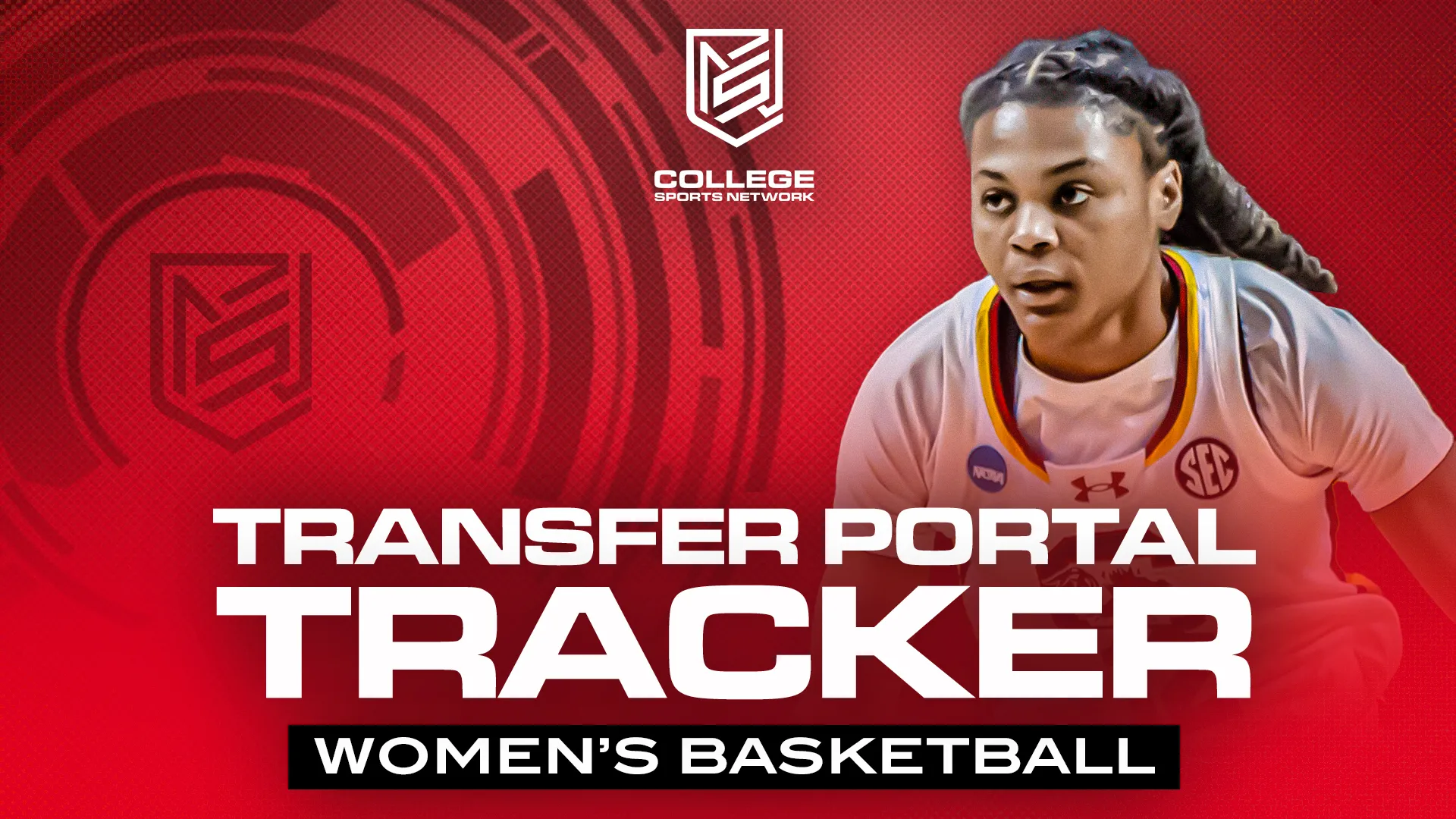
The landscape of college basketball is once again undergoing a fundamental shift. In a move that could redefine how rosters are built, careers are managed, and programs plan for the future, the National Collegiate Athletic Association has officially announced major changes to the transfer windows for both men’s and women’s college basketball.
For years, the transfer portal has been both a lifeline and a lightning rod—empowering athletes with freedom while challenging coaches to adapt to constant roster volatility. With these new adjustments, the NCAA is signaling that the era of unchecked transfer chaos may be evolving into something more structured, more predictable, and potentially more fair.
But what exactly has changed—and who benefits most?
What Are Transfer Windows—and Why Do They Matter?
At its core, the transfer window defines when student-athletes are allowed to enter the transfer portal and begin conversations with other programs. These windows are not just administrative dates; they dictate the rhythm of the entire offseason.
For players, transfer windows determine:
-
When they can explore new opportunities
-
How quickly they must make life-changing decisions
-
Whether they can align transfers with academic calendars
For coaches, transfer windows affect:
-
Recruiting timelines
-
Roster continuity
-
Scholarship management
And for programs, they shape competitive balance across conferences and divisions.
The NCAA’s Newly Announced Changes Explained
Under the updated policy, the NCAA has restructured the transfer windows for men’s and women’s basketball to better align with the realities of the modern game.
Key Highlights of the Change
-
More clearly defined windows rather than elongated open periods
-
Improved alignment with postseason timelines, including conference tournaments and the NCAA Tournament
-
Greater consistency between men’s and women’s basketball, reducing disparities between the two
The goal is simple on paper: reduce chaos while preserving player autonomy.
Why the NCAA Decided to Act Now
The transfer portal has grown at an unprecedented rate. In recent seasons, thousands of men’s and women’s basketball players entered the portal annually, leading to:
-
Midseason roster uncertainty
-
Recruiting overlaps with high school prospects
-
Increased mental and emotional stress on athletes
Coaches have long argued that unrestricted transfer periods made long-term program building nearly impossible. Meanwhile, athletes voiced concerns about being rushed into decisions without adequate support.
The NCAA’s move reflects mounting pressure from:
-
Athletic directors
-
Conference commissioners
-
Coaching associations
-
Player advocacy groups
How the New Transfer Windows Work
Men’s College Basketball
For men’s basketball, the transfer window will now be more tightly connected to the conclusion of the season, ensuring that players are not entering the portal while teams are still competing at the highest level.
This adjustment:
-
Preserves competitive integrity during March Madness
-
Allows players to reflect after the season ends
-
Gives coaching staffs a clearer offseason roadmap
Women’s College Basketball
Women’s basketball, which has seen explosive growth in visibility and talent movement, receives similar structural clarity.
The revised window:
-
Accounts for longer postseason runs
-
Helps prevent overlap with the Women’s NCAA Tournament
-
Promotes fairness across conferences and divisions
What This Means for Student-Athletes
From a player’s perspective, the changes bring both opportunity and responsibility.
Potential Benefits
-
Clearer decision-making timelines
-
Less pressure to rush into portal entry
-
Better coordination with academic schedules
Potential Challenges
-
Narrower windows mean less margin for hesitation
-
Players must be more prepared before entering the portal
-
Late bloomers may face tighter competition
Still, many athlete advocates view the changes as a step toward sustainable player empowerment, rather than restriction.
How Coaches and Programs Are Affected
For coaches, this is a double-edged sword.
Positives for Coaches
-
More predictable roster planning
-
Reduced midseason distractions
-
Clearer recruiting cycles
Ongoing Concerns
-
High turnover still remains a reality
-
Top programs may continue to attract portal-heavy talent
-
Smaller schools risk becoming feeder systems
In short, the chaos isn’t gone—but it’s becoming organized chaos.
The Impact on Recruiting and High School Prospects
One of the biggest criticisms of the transfer portal era has been its effect on high school recruiting. As coaches prioritized experienced transfers, many prep prospects saw scholarship opportunities shrink.
The new transfer windows may:
-
Encourage earlier clarity on roster needs
-
Rebalance attention between portal players and high school recruits
-
Reduce last-minute recruiting scrambles
This could restore some equilibrium between development and immediate results.
Competitive Balance: Will It Improve?


The million-dollar question: Will these changes level the playing field?
Optimists believe:
-
Better structure reduces talent hoarding
-
Mid-major programs gain more stability
-
Roster continuity improves team chemistry
Skeptics argue:
-
Power conferences will still dominate
-
NIL opportunities continue to skew decisions
-
Elite programs remain portal magnets
The truth likely lies somewhere in between.
The NIL Factor Still Looms Large
Name, Image, and Likeness (NIL) deals remain a powerful driver of transfer decisions. While transfer windows regulate when players move, they do not regulate why.
Until NIL policies become more standardized:
-
Top-tier programs retain financial advantages
-
Transfer windows alone can’t solve imbalance
-
Player value remains market-driven
The NCAA’s latest move addresses structure—not economics.
What Fans Should Expect Moving Forward
For fans, these changes may subtly—but meaningfully—alter the offseason experience.
Expect:
-
Fewer surprise mid-tournament transfer announcements
-
More concentrated bursts of portal news
-
Greater clarity around roster announcements
In other words, the transfer portal season may feel shorter, louder, and more intense.
A Broader Trend in College Sports Reform
This announcement doesn’t exist in isolation. It’s part of a wider trend where the NCAA is:
-
Responding more rapidly to criticism
-
Adapting policies to modern athlete realities
-
Trying to balance freedom with structure
Whether these reforms arrive too late—or just in time—remains to be seen.
Final Thoughts: A Defining Moment for College Basketball
The NCAA’s decision to overhaul transfer windows for men’s and women’s basketball marks a pivotal moment in the sport’s evolution.
It acknowledges a simple truth:
Player movement is here to stay—but it needs guardrails.
By refining the transfer timeline, the NCAA is attempting to protect:
-
Competitive integrity
-
Athlete well-being
-
Long-term program stability
Success will depend not just on rules, but on how athletes, coaches, and institutions adapt.
One thing is certain: college basketball’s offseason will never look the same again—and the ripple effects of this decision will be felt for years to come.







