

 Vietnamese
A Stunning Collapse Turns Into an Officiating Firestorm
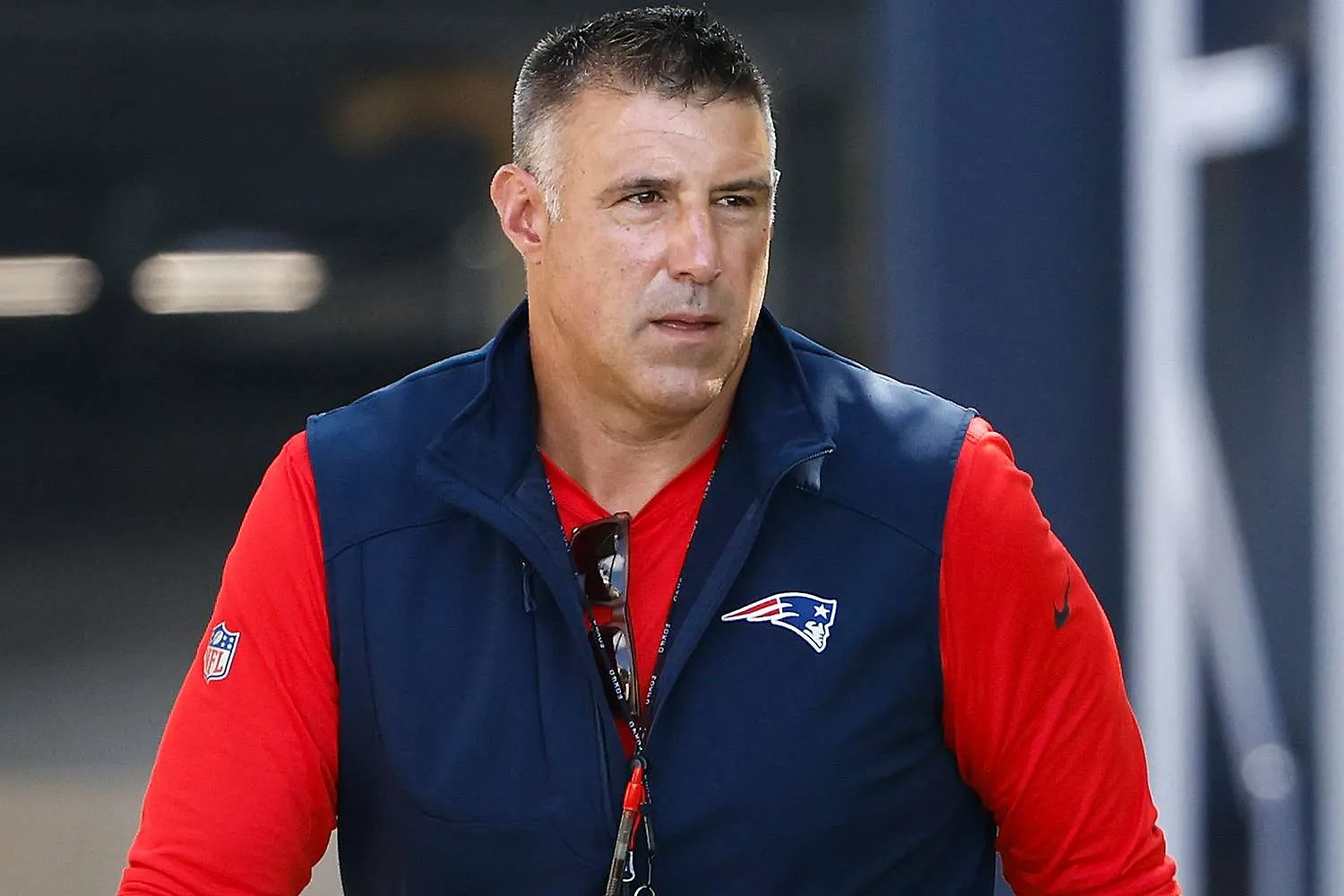
The New England Patriots watched a dominant night unravel in ways that felt painfully familiar. After building a commanding 17-point lead, they walked off the field with a 35–31 loss to the Buffalo Bills, a defeat that not only snapped a long winning streak but also reignited an uncomfortable conversation about NFL officiating consistency. For head coach Mike Vrabel, the scoreboard told only part of the story. What lingered long after the final whistle was a sense that the rules, or at least their enforcement, shifted when it mattered most.
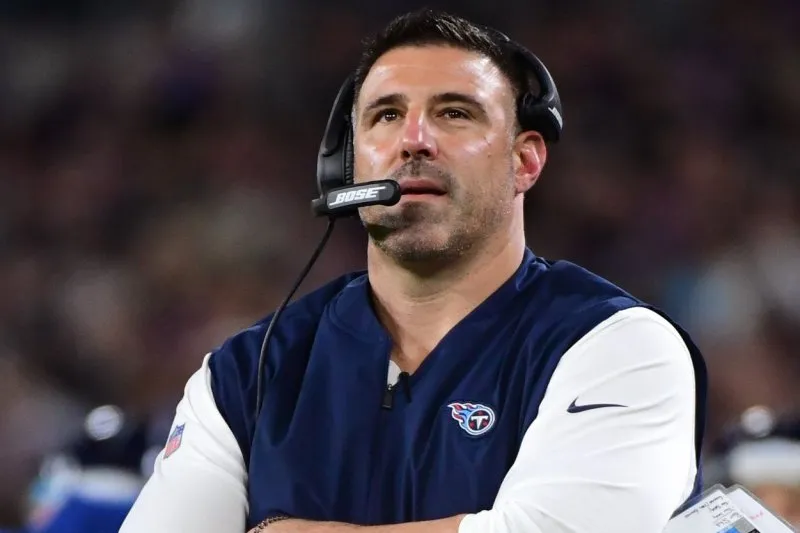
This was not just another divisional loss. With AFC seeding implications hanging in the balance, the Patriots’ collapse reshaped the playoff picture. Buffalo closed the gap in the standings, denied New England a clear path to the top seed, and walked away with momentum. Yet Vrabel’s postgame comments made it clear that the Patriots’ frustration extended beyond missed tackles or stalled drives. In his view, the officiating tilted the margins in a game decided by inches.
Mike Vrabel’s Carefully Chosen Words Carry Weight
Appearing on The Greg Hill Show on December 15, Vrabel walked a delicate line. He acknowledged the difficulty of officiating in today’s NFL while still delivering a pointed critique that resonated across the league. His frustration centered on one glaring statistic: the Buffalo Bills entered the matchup leading the NFL in offensive holding penalties, yet walked away without a single call against them.
Vrabel stopped short of accusing officials of favoritism, but his message was unmistakable. Consistency, not perfection, is what coaches and players demand. When a team known for penalties suddenly plays a “clean” game in a high-stakes matchup, questions naturally follow. Vrabel’s tone suggested disbelief more than anger, which only amplified the impact of his words. In a league where coaches are often fined for less, his restraint made the criticism harder to ignore.
The Holding Calls That Never Came
One sequence in the third quarter became a focal point of the controversy. Bills left tackle Dion Dawkins appeared to grab and pull with his left hand while keeping his right hand raised, almost theatrically, as if to signal innocence. Commentators noted the hold in real time. Social media erupted seconds later. Yet no flag followed.
For Patriots defenders, moments like that are deflating. Pass rushers fight through contact on every snap, trusting that obvious infractions will be penalized. When they are not, frustration compounds, and discipline begins to slip. Vrabel’s concern was not just about a single missed call, but about how those moments accumulate and subtly alter the rhythm of a game.
Pass Interference, Judgment Calls, and Gray Areas
The frustration did not stop with holding penalties. A pass interference call involving Marcus Jones further fueled Vrabel’s dissatisfaction. Officials flagged the play, but the Patriots’ sideline believed it was marginal at best. These are the gray-area decisions that define modern football, where split-second judgments can swing momentum.
What troubled Vrabel most was the contrast. Some plays drew flags immediately, while others, seemingly more obvious, went unpunished. That imbalance, in his view, undermines trust in the system. Players adapt quickly to how games are being called. When standards appear to shift mid-game, execution suffers.
Josh Allen and the Bills Capitalize on Every Opening
Lost amid the officiating debate is the reality that Josh Allen and the Bills still had to execute. Allen was relentless, extending plays, attacking mismatches, and keeping Buffalo alive when the Patriots seemed firmly in control. He did not create the controversy, but he certainly benefited from it.
Buffalo’s offense found its rhythm precisely when New England’s defense grew most frustrated. Whether by design or coincidence, the Bills’ clean penalty sheet allowed drives to continue and pressure to mount. Allen’s poise under pressure was undeniable, and the comeback reinforced his reputation as one of the league’s most dangerous quarterbacks when momentum swings his way.
A Patriots Team Searching for Answers After a Painful Loss
For New England, blowing a 17-point lead cut deep. The Patriots had controlled the game early, dictating tempo and forcing Buffalo into uncomfortable situations. Then, almost suddenly, that control vanished. Defensive lapses, offensive stagnation, and questionable calls combined into a perfect storm.
Vrabel was clear that officiating was not the sole reason for the loss. His message to the team emphasized accountability and growth. Blaming referees might satisfy fans in the short term, but it does little to prepare a team for January football. The Patriots’ head coach framed the defeat as a lesson, albeit a painful one.
Turning Frustration Into Motivation
According to reports shared by Taylor Kyles, Vrabel addressed his team with a focus on improvement rather than resentment. Losses like this, he suggested, reveal weaknesses that must be corrected before the postseason. With a record still among the best in the AFC, New England remains firmly in the playoff hunt.
The Patriots’ margin for error, however, has narrowed. At 11–3, they can feel the Bills breathing down their necks. One more slip could cost them home-field advantage, making games like this even harder to swallow. Vrabel’s challenge is to ensure that frustration sharpens focus instead of eroding confidence.
The Broader NFL Officiating Debate Resurfaces
This game became another chapter in the league-wide debate over officiating standards. Fans, analysts, and former players have long criticized the NFL for inconsistent enforcement, especially in high-profile matchups. When star quarterbacks and playoff contenders are involved, scrutiny intensifies.
Vrabel’s comments resonated because they echoed sentiments shared quietly across locker rooms. Coaches understand that officials are human, but they also expect patterns to hold. If holding is emphasized one week and ignored the next, preparation becomes guesswork. That uncertainty undermines competitive balance, something the league insists it prioritizes.
Why Consistency Matters More Than Perfection
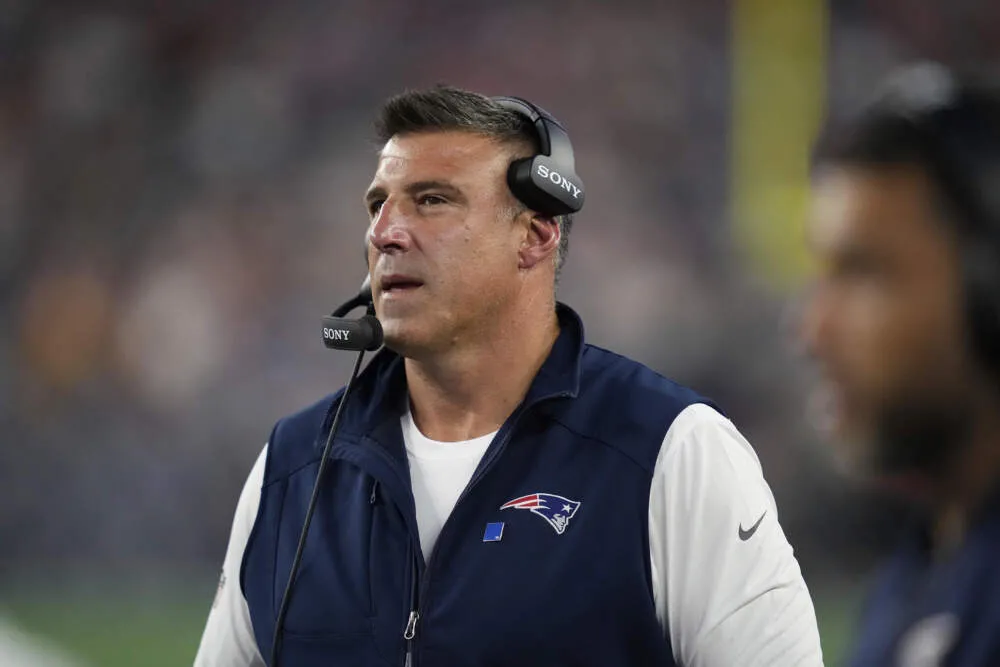
No coach expects flawless officiating. Football is too fast, too complex, and too physical for that. What teams ask for is consistency, both within a game and across the season. Vrabel’s critique was rooted in that principle.
When players know how a game will be called, they adjust techniques accordingly. Offensive linemen modify hand placement. Defensive backs adjust coverage depth. When rules appear fluid, players push boundaries, and chaos follows. In close games, those margins decide outcomes.
AFC Implications Stretch Beyond One Night
The ripple effects of the Bills’ win extend beyond New England. Buffalo’s victory tightened the AFC race, injecting new life into a division that once looked settled. The Bills remain dangerous, especially if Allen continues to capitalize on opportunities.
For the Patriots, the loss complicates their path to the top seed. Road games in January are unforgiving, and every advantage matters. Vrabel understands that reality, which explains why this defeat, and the way it unfolded, struck such a nerve.
Preparing for Baltimore With No Room for Distraction
New England’s schedule offers no time to dwell on controversy. A road matchup against the Baltimore Ravens looms in Week 16, presenting another physical, high-stakes test. The Ravens are fighting their own battles in the AFC North, making the contest critical for both sides.
Vrabel’s task is to refocus his team, emphasizing execution over external factors. Baltimore will challenge the Patriots in different ways, and lingering frustration from the Bills loss cannot be allowed to carry over. Championship teams absorb adversity and respond with precision.
Josh Allen’s Bills Continue to Walk a Fine Line
While Buffalo celebrates the comeback, questions remain about sustainability. Close wins fueled by momentum swings are thrilling, but they often expose underlying issues. The Bills’ penalty profile will remain under scrutiny, especially after Vrabel’s remarks.
Allen thrives in chaos, but playoff football demands discipline. If Buffalo hopes to make a deep run, maintaining composure and avoiding controversial moments will be just as important as explosive plays.
A Loss That May Shape the Patriots’ Identity
Sometimes, defining moments arrive in defeat. This loss, painful as it was, could sharpen New England’s edge heading into the postseason. Vrabel’s teams have historically responded well to adversity, using setbacks as fuel rather than excuses.
The Patriots still control much of their destiny. How they respond in Baltimore and beyond will determine whether this game becomes a footnote or a turning point.
Beyond the Flags and the Final Score
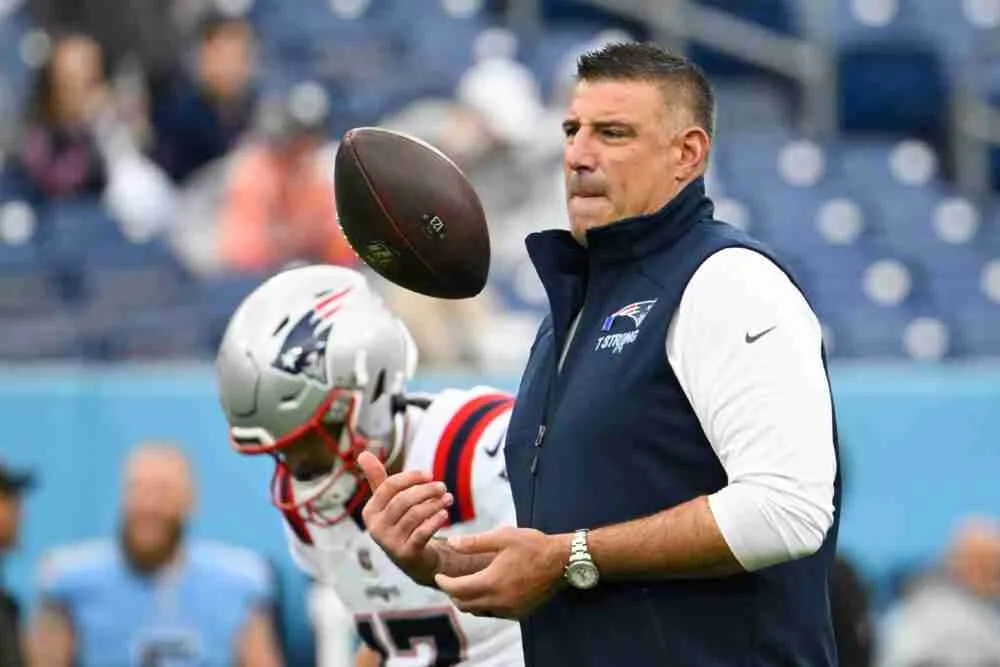
Mike Vrabel’s concerns struck a chord because they touched on a truth every NFL team understands. Games are decided not only by talent and preparation but by how consistently the rules are applied. While the Bills earned their comeback with execution, the Patriots were left questioning the framework in which the game was decided.
As the playoff race tightens, scrutiny on officiating will only intensify. For now, New England must channel frustration into focus, Buffalo must prove its resilience, and the NFL must confront yet another reminder that consistency, more than controversy, is what the league owes its teams.







