

 Vietnamese
The Mets’ Problems Extend Beyond the Roster
The New York Mets are once again staring at uncomfortable questions, and this time, the answers may not be found in the box score. While roster turnover has grabbed headlines, an increasingly troubling narrative is forming behind the scenes. The Mets are not just reshaping their lineup. They appear to be grappling with unresolved issues inside the clubhouse.
Within a matter of days, the franchise parted ways with Brandon Nimmo and watched key figures like Edwin Díaz and Pete Alonso walk out the door. The moves were jarring, not only because of the talent lost, but because of what those players represented. Nimmo, Díaz, and Alonso were widely viewed as stabilizing presences. Their departures left fans wondering whether the roster lost more than just production.
A Clubhouse Losing Its Glue
The timing of those exits has fueled speculation that the Mets’ issues run deeper than baseball decisions. Multiple reports suggest that the clubhouse environment has been strained for some time. While the front office has insisted otherwise, whispers continue to surface, pointing to fractures that may have contributed to last season’s unraveling.
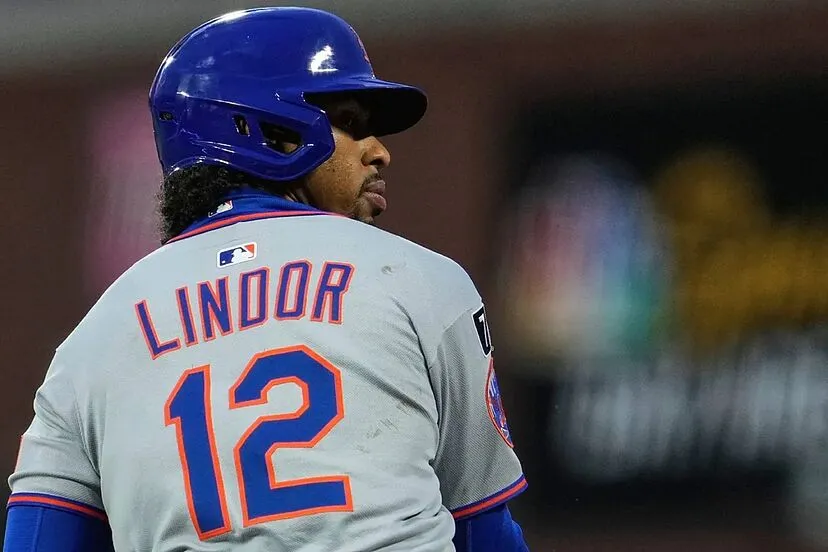
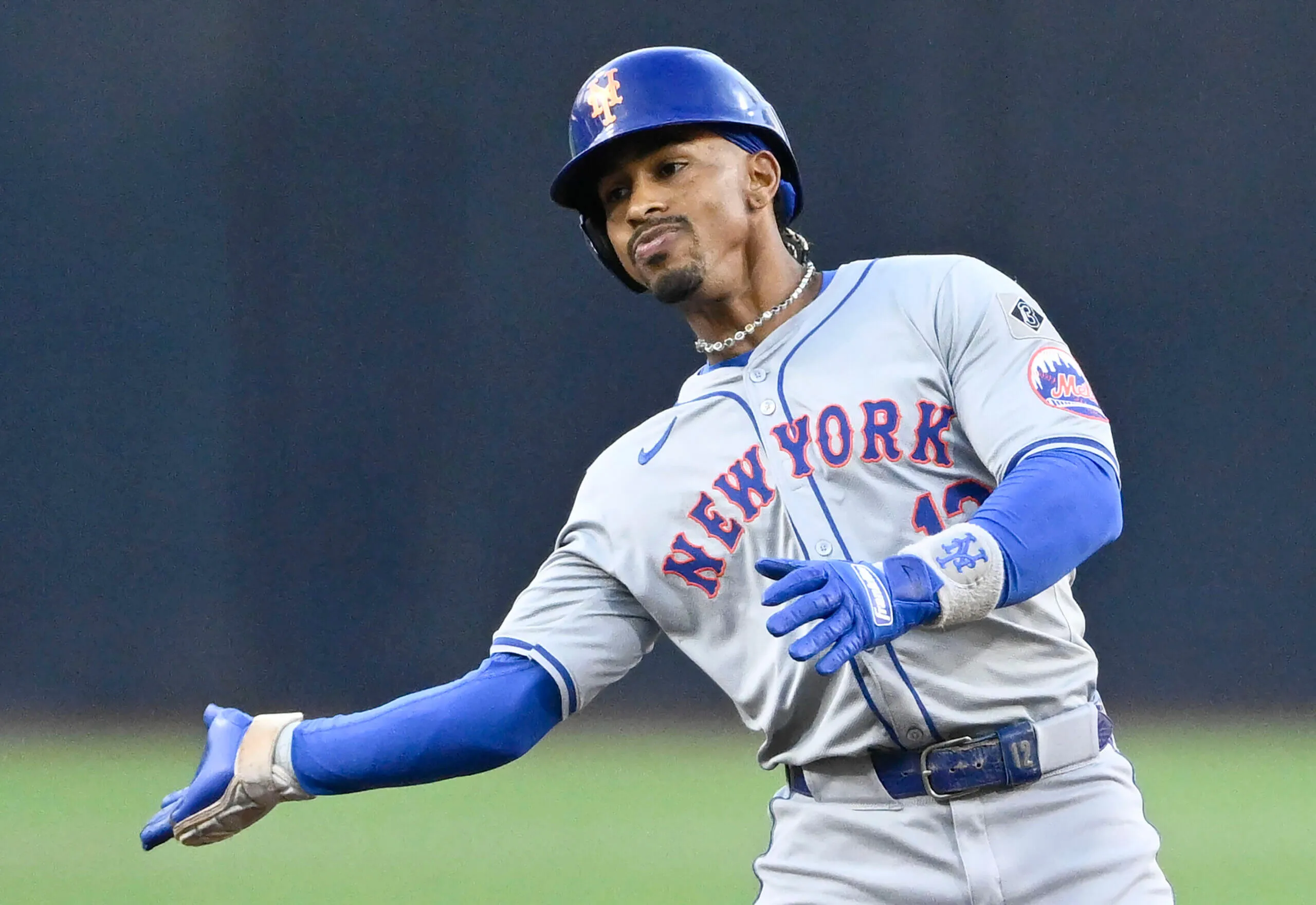
At the center of the discussion stands Francisco Lindor. As the team’s highest-profile leader, Lindor naturally draws attention when things go wrong. His relationships with teammates, fair or not, are now under a microscope.
Lindor and Juan Soto: A Relationship Under Scrutiny
The most talked-about dynamic involves Lindor and Juan Soto. Both are elite talents, yet reports indicate their connection never quite clicked. Veteran radio host Mike Francesa suggested that the two stars were never particularly close, contrasting the situation with Soto’s time in the Bronx.
According to Francesa, Soto shared a strong bond with Yankees captain Aaron Judge, who went out of his way to welcome him and establish leadership continuity. That same warmth, Francesa claimed, was absent when Soto joined the Mets.
Conflicting Narratives Cloud the Truth
Lindor, however, disputes that version of events. He has publicly stated that he reached out to Soto and congratulated him on his historic 15-year, $760 million contract. According to Lindor, Soto responded positively, suggesting no underlying tension.
So where does the truth lie? As with most clubhouse matters, the full story likely exists somewhere in the middle. What matters more than the specifics is perception. In professional sports, perception often becomes reality, especially when results on the field fail to match expectations.
Leadership Under the Microscope
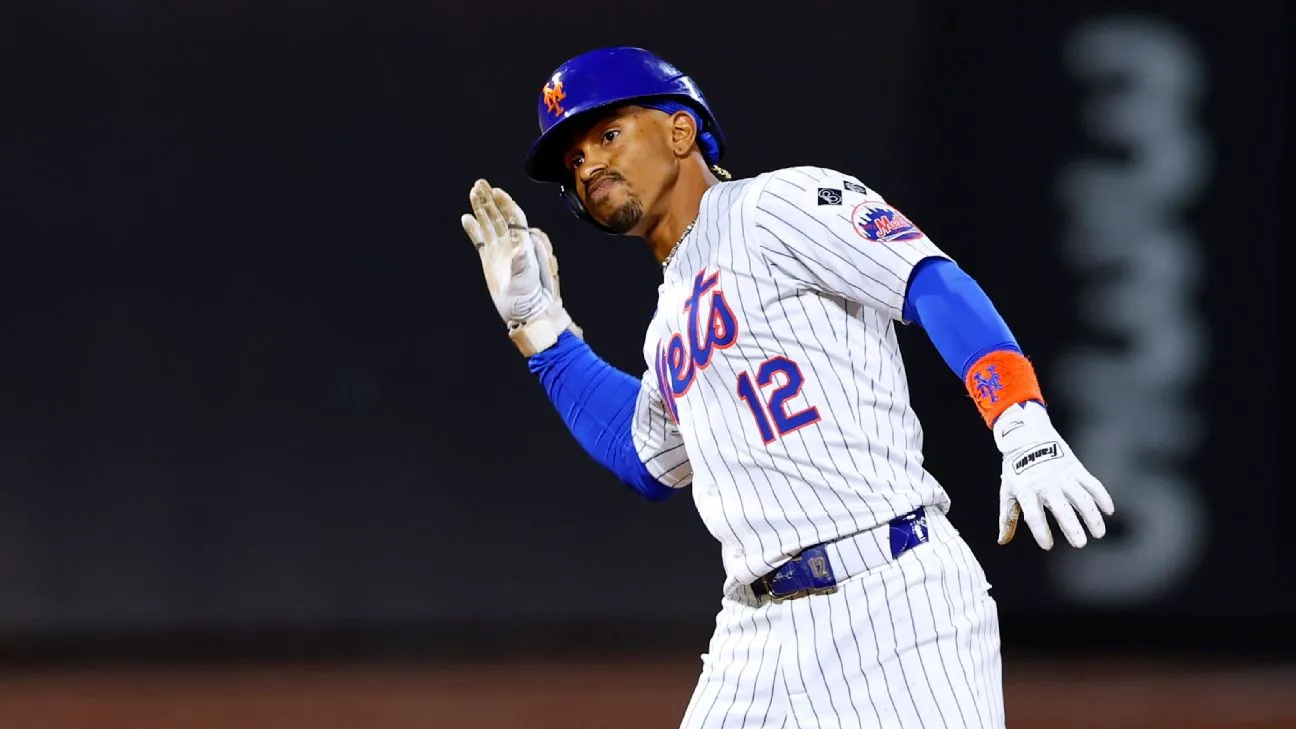
Lindor’s leadership style has long been debated. He is vocal, emotional, and demanding, traits that can inspire some teammates while rubbing others the wrong way. As the Mets struggled last season, those qualities were no longer viewed through the lens of passion but instead questioned as potential sources of friction.
Reports have even suggested past tensions between Lindor and Brandon Nimmo, allegedly stemming from political differences. Whether those claims hold weight or not, their existence adds another layer to the narrative that the Mets’ locker room was far from unified.
Carlos Mendoza’s Reassurances Ring Hollow
Manager Carlos Mendoza has repeatedly dismissed the idea of a fractured clubhouse. Publicly, the organization has stood firm in denying any internal dysfunction. Yet smoke continues to rise, and where there is smoke, questions inevitably follow.
The Mets’ late-season collapse last year has only intensified scrutiny. Fans and analysts alike are revisiting that stretch, wondering whether the unraveling was purely about injuries and underperformance or if deeper issues played a role.
Another Flashpoint Brings Lindor Back Into Focus
Additional reports have only compounded Lindor’s unwanted spotlight. According to New York Post reporter Mike Puma, tensions between Lindor and Jeff McNeil escalated during the latter part of the season. The breaking point reportedly came after a June loss to the Phillies, marking the team’s seventh straight defeat.
During that game, Lindor allegedly confronted McNeil following a defensive miscue. Sources described the exchange as heated, with emotions boiling over in a moment that symbolized the team’s collective frustration.
A Pattern That Dates Back Years
The incident was not isolated. Mets fans will remember Lindor and McNeil’s infamous dugout argument back in 2021 during Lindor’s first season with the team. That episode, initially downplayed as a disagreement over whether an animal in the dugout was a rat or a raccoon, has since taken on new significance.
What once seemed like a harmless anecdote now appears as an early sign of unresolved tension. When similar conflicts resurface years later, they suggest deeper compatibility issues rather than isolated moments of frustration.
Jeff McNeil’s Uncertain Future Raises Questions
With McNeil reportedly on the trade block, the Mets’ intentions come into question. Are they simply retooling the roster, or are they attempting to repair a fractured locker room by removing pieces that no longer fit?
Roster moves are often framed as baseball decisions, but in this case, the context matters. When multiple reports point to chemistry concerns involving the same central figure, it becomes harder to ignore.
Juan Soto’s Yankees Comparison Stings
The contrast between Soto’s experience with the Yankees and his reported dynamic with the Mets only amplifies the issue. In New York’s other borough, Soto was embraced immediately, with Judge setting a clear example of leadership and inclusion.
That comparison does not necessarily indict Lindor, but it does raise uncomfortable questions about the Mets’ internal culture. Successful teams often emphasize cohesion as much as talent, and the Yankees have long excelled in that area.
Star Power Without Synchrony
The Mets’ recent seasons serve as a reminder that star power alone does not guarantee success. Baseball clubhouses thrive on alignment, shared accountability, and trust. When those elements fracture, even the most talented rosters can collapse under pressure.
Lindor remains one of the most gifted shortstops in the league. His commitment and intensity are not in doubt. What is being questioned now is how those traits translate within a diverse clubhouse filled with strong personalities.
A Franchise at a Crossroads
As the Mets look ahead, the challenge extends beyond rebuilding the lineup. They must address the perception, and perhaps the reality, of internal discord. Whether that means redefining leadership roles or reshaping the roster entirely remains to be seen.
What is clear is that the spotlight on Francisco Lindor is not fading anytime soon. Fair or not, he has become the focal point of the Mets’ clubhouse narrative.
Can the Mets Heal From Within?
The Mets’ struggles are not solely about wins and losses. They are about identity. A team that once envisioned itself as a powerhouse now finds itself questioning its internal foundation.
If the Mets hope to avoid repeating past collapses, repairing trust inside the clubhouse may be just as important as adding talent on the field. Until then, every rumor, report, and roster move will continue to circle back to the same question: who is truly holding the room together?







