

 Vietnamese
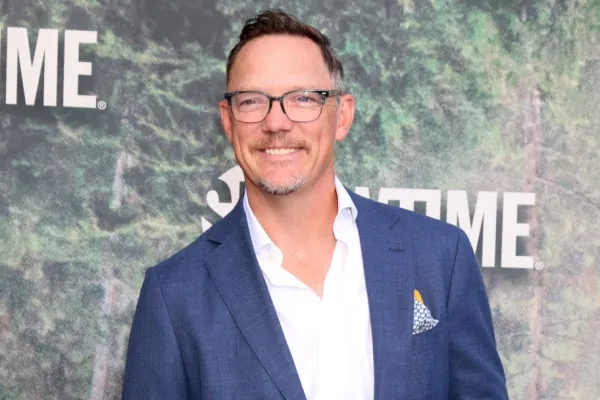
Hollywood found itself at the center of heated conversation this week after Matthew Lillard responded to sharp criticism aimed at him by acclaimed filmmaker Quentin Tarantino. The director sparked outrage after making blunt statements during a recent podcast in which he named certain actors he dislikes and questioned their talent without offering detailed explanations. The comment involving Lillard traveled quickly through social media circles, prompting a widespread debate among fans, journalists and industry insiders about the difference between honest critique and unnecessary disparagement.
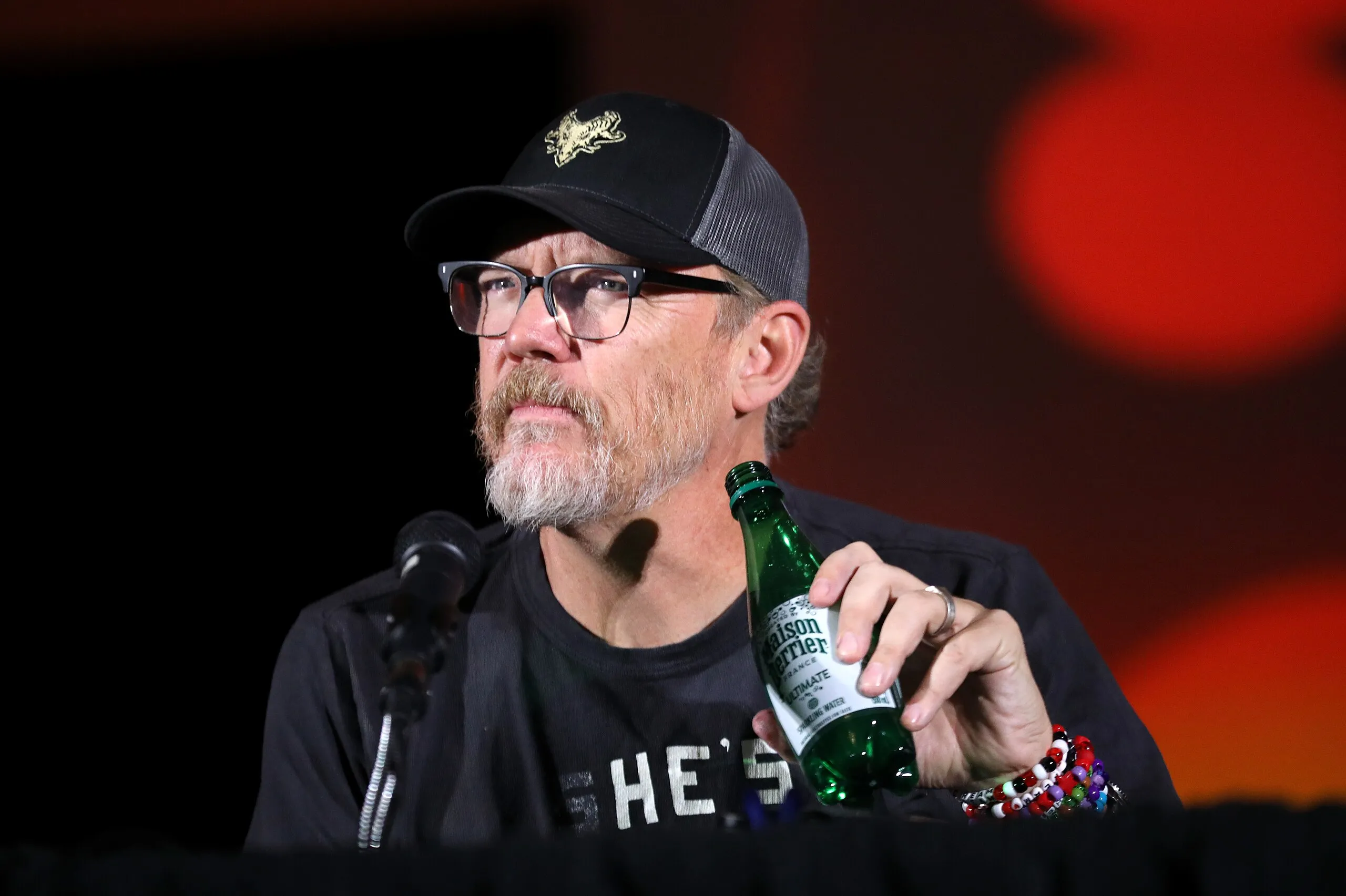
At a time when entertainment discussions often unfold publicly and instantly, the remark hit Lillard deeply. The actor addressed the situation during an appearance at a fan convention, where he offered a raw and unfiltered perspective. His honesty resonated with those who believe that criticism in Hollywood should come with respect, regardless of personal taste.
What Happened on the Podcast
During the podcast appearance Quentin Tarantino voiced negative opinions about multiple actors. His criticisms were blunt and delivered without nuance. Among those he mentioned, he singled out Matthew Lillard with the simple statement that he did not care for him as an actor. The phrasing lacked elaboration which made the comment feel less like a critique of performance and more like a dismissal of a person.
The director had also expressed disdain toward other actors, including Paul Dano and Owen Wilson. Describing Dano as weak and referring to his performance in one of his best known films as a major flaw, Tarantino offered what many perceived as unconstructive and belittling commentary. His tone toward Wilson implied that some actors simply do not meet his creative expectations even when their work is admired by fans and fellow creators.
Tarantino has a long history of speaking freely about his artistic preferences. His directness is often praised by fans who enjoy bold opinions. However in this situation it did not land well. Many felt that his words came across as needlessly harsh particularly because the actors mentioned were not part of an active debate and were not given the opportunity to respond in the moment.
Lillard Addresses the Remark in Public
Matthew Lillard attended GalaxyCon shortly after the podcast episode spread online. The event became the first public venue where he could respond to the unexpected criticism. When asked about the remarks, Lillard initially attempted to downplay the severity of the situation with a shrug. He joked about not caring while trying to brush off the issue.
But within seconds he shifted into candor. He admitted that the words had indeed hurt him. He described the feeling directly stating that it affected him more than he wanted to admit at first. His acknowledgment drew sympathy from fans in the audience who expressed their support with cheers and shouts of appreciation.
Lillard then discussed what he sees as a difference between how major Hollywood stars are treated and how mid level actors are sometimes spoken about. He pointed out that such public criticism rarely falls on top tier names and that actors at his level often receive comments that would never be directed at the most famous performers. He explained that even though he understands the industry and has developed thick skin over the years, hearing such a blunt dismissal is still painful.
The dynamic of fame and perception was also part of his reflection. He joked about being loved within the convention room but not always respected in Hollywood circles. The contrast highlighted a truth many actors feel but rarely articulate. A performer can be cherished by fans and still undervalued by people within the industry who hold influence over career opportunities.
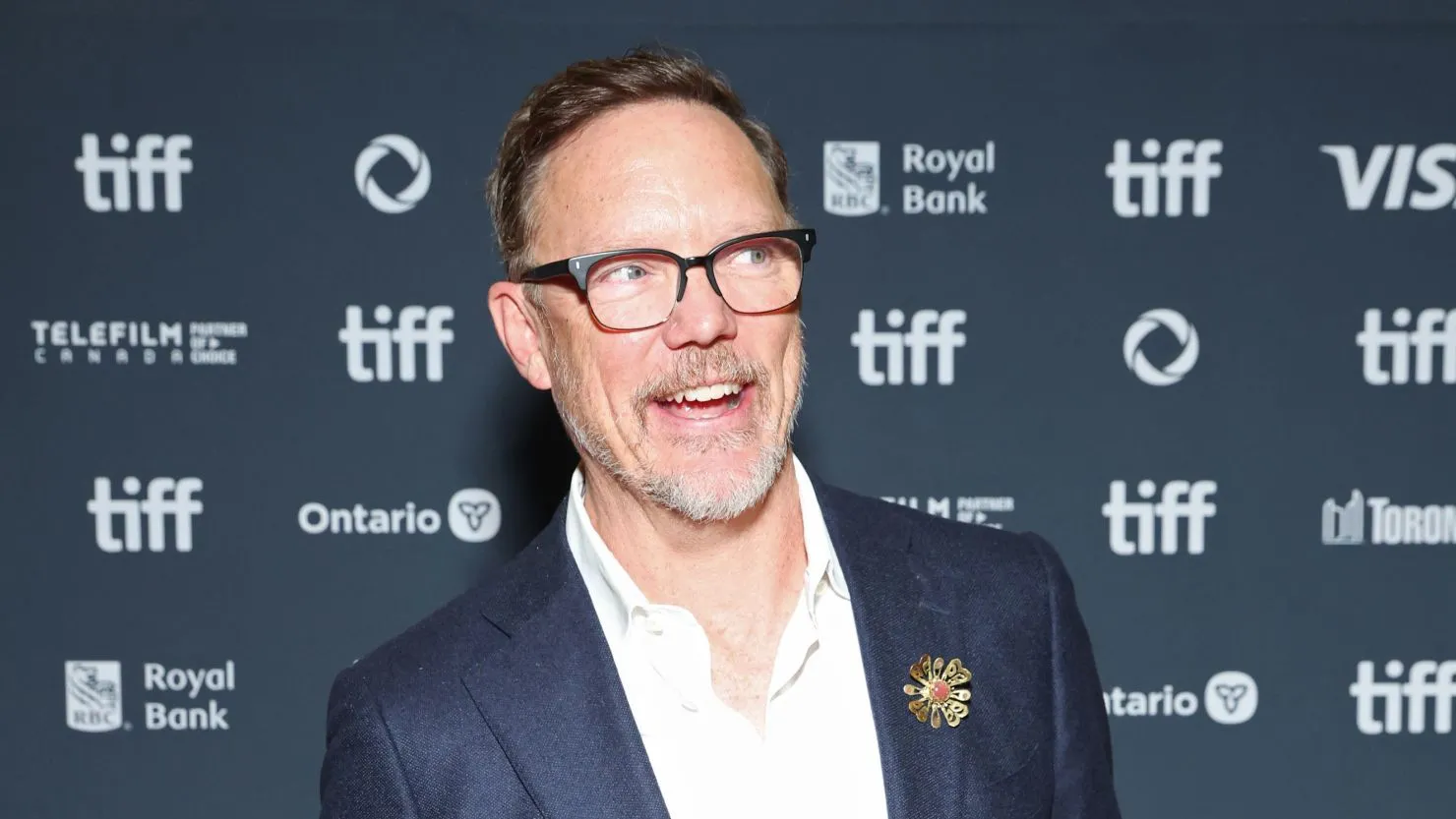
Fan Support and Emotional Impact
The atmosphere of the convention shifted noticeably as Lillard opened up. Fans responded with loud support. Someone in the crowd shouted that they loved him which brought a moment of warmth and levity to the conversation. Lillard thanked them and appeared visibly moved.
The supportive fan reaction brought attention to a broader idea. Public figures may appear confident and composed but the impact of harsh words from highly influential individuals can be far more personal than many assume. Lillard’s vulnerability demonstrated that actors are not immune to discouragement even when they have long careers and strong fanbases.
The moment also reminded the community that criticism delivered publicly carries emotional weight. A remark made on a podcast can echo for days or weeks, amplified by millions online. For actors who have spent years building their craft, such comments can feel like a blow to professional identity as well as personal dignity.
Broader Industry Reaction
Once the podcast circulated across social media, industry professionals started to weigh in. Many questioned the usefulness of sweeping negative statements. Some directors and actors defended the individuals targeted by Tarantino, emphasizing that the craft of acting is subjective and requires nuance rather than blanket judgments.
Paul Dano in particular received considerable support from past collaborators who praised his skill and dedication. Several actors expressed concern that remarks like those made by Tarantino can shape perceptions unfairly.
The controversy also reignited discussions about the responsibility of major filmmakers when speaking publicly. Some believe that a director with Tarantino’s influence should maintain a certain level of professionalism. Others argue that he has the right to express his tastes openly even if they are unkind.
Regardless of where people stand, the episode shined a spotlight on the power imbalance between directors who command public attention and actors whose reputations can be influenced by even a single negative comment.
Criticism vs Cruelty
One of the most significant conversations emerging from the incident centers around the distinction between critique and cruelty. Critique is an essential part of art. It encourages growth, conversation and exploration. Cruelty, on the other hand, closes doors. It diminishes the complexity of performance and reduces individuals to simplistic labels.
Lillard’s response highlighted this tension. He did not object to being critiqued as an actor. He objected to being dismissed outright without discussion of his work. The issue was not disagreement but disregard.
His reflection opened a wider discussion about the culture within Hollywood, where actors sometimes face harsh comments without context, reason or respect. Many performers have spoken over the years about the pressure to maintain a flawless public image while receiving criticism that can feel deeply personal.
The Divide Between Fans and Industry Insiders
Lillard’s comment about being popular among fans but not among industry insiders struck a chord. It illustrated an ongoing divide in entertainment culture. Audiences may connect emotionally with an actor’s presence and performance. They may follow an actor’s career, attend events and support their projects consistently. In contrast, decisions made by studios, agencies and directors are influenced by trends, branding and internal politics.
This divide makes it possible for an actor to become a fan favorite while still finding fewer opportunities in Hollywood than expected. Lillard suggested that even long standing appreciation from viewers does not always protect against dismissive attitudes from industry power players.
The Human Side of the Story
Beyond the headlines, the situation speaks to something fundamentally human. Rejection is painful regardless of profession or status. No amount of fame fully insulates someone from feeling belittled or misunderstood.
Lillard’s openness resonated because it reflected what many people experience in their own lives whether in workplaces, creative spaces or personal relationships. People often pretend not to care about negative remarks, only to discover that some comments linger longer than anticipated.
The moment also reminded fans and observers that actors are not just characters on screens but individuals with their own insecurities and emotional landscapes.
Will This Impact Lillard’s Career
Speculation about whether the controversy could affect Lillard’s future roles circulated briefly online. Some argued that directors who disagree with Tarantino may be more inclined to work with him. Others suggested that the comments might linger in the minds of decision makers.
In truth, Lillard has built a varied career over several decades. He has appeared in cult classics, comedies, dramas and even major franchise projects. His versatility and recognizable presence on screen have earned him a dedicated fanbase. It is unlikely that a single negative remark will overshadow all of that.
If anything, his graceful yet honest handling of the situation improved public perception of him. His willingness to share vulnerability rather than respond with hostility resonated with many who value authenticity.
Larger Lessons for the Entertainment Industry
This incident raises important questions about how the film industry engages in criticism. It encourages reflection on whether influential figures should be more mindful of the impact of their public comments. It also highlights the need for empathy and professionalism within competitive creative spaces.
The dialogue initiated by Lillard might ultimately encourage a more thoughtful approach to public commentary. Some hope that it will inspire actors to speak openly about the emotional realities behind their careers and help normalize conversations about vulnerability in an industry that often demands stoicism.
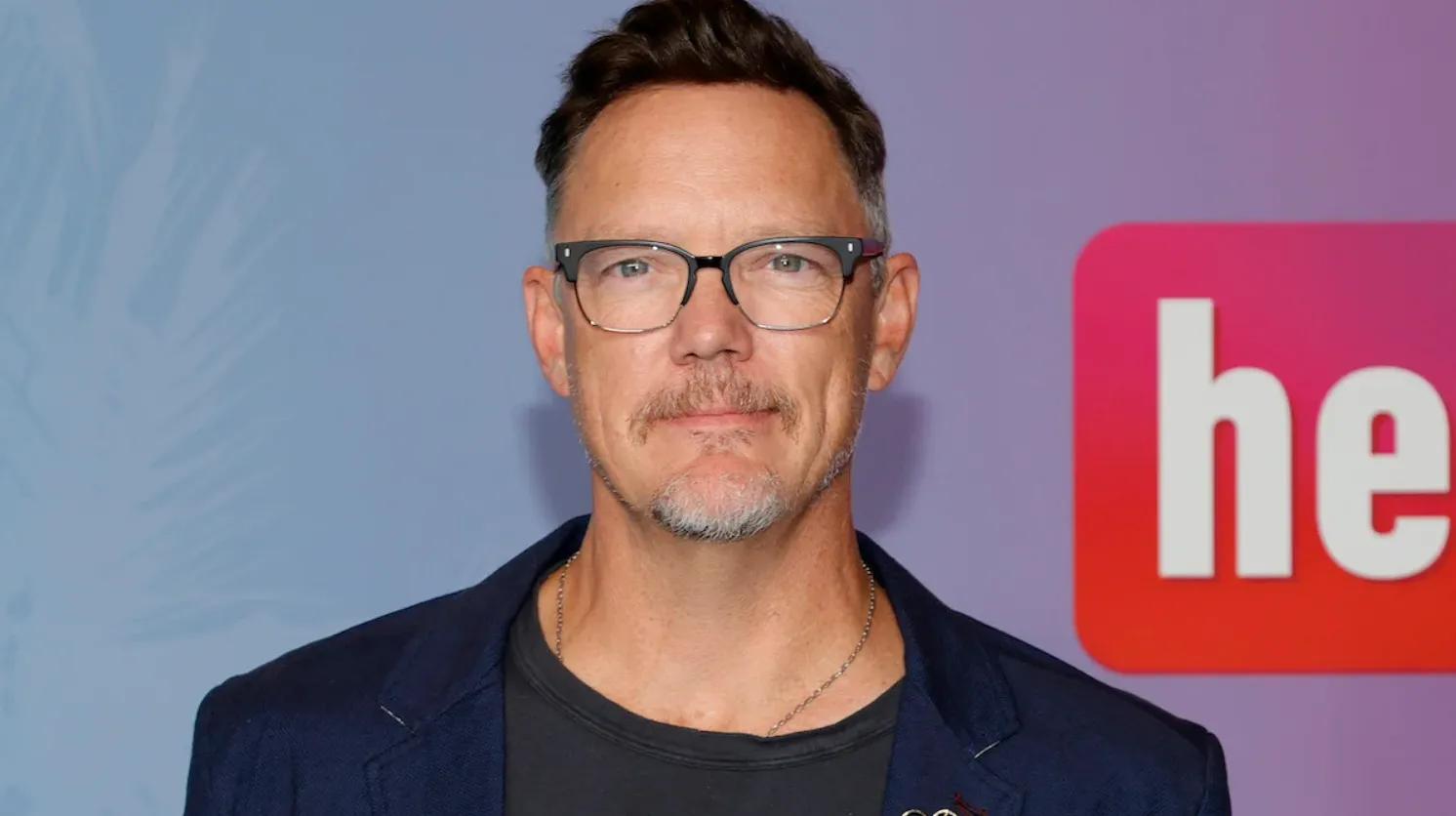
The exchange between Matthew Lillard and Quentin Tarantino has now become part of a broader conversation about respect, criticism and humanity in Hollywood. Tarantino’s blunt statement sparked controversy partly because of its tone and partly because of its potential impact. Lillard’s heartfelt response revealed how deeply such comments can affect someone.
Fans and fellow actors rallied around Lillard, offering support that softened the blow and reaffirmed his value in the eyes of many. His authenticity and willingness to acknowledge his feelings brought an unexpected depth to an otherwise tense moment in entertainment news.
Ultimately this incident serves as a reminder that words have weight. Critiques can shape reputations. Honesty can open doors to empathy. And behind every debate about cinema and performance there are individuals navigating the pressures of public life while carrying their own private struggles.