

 Vietnamese
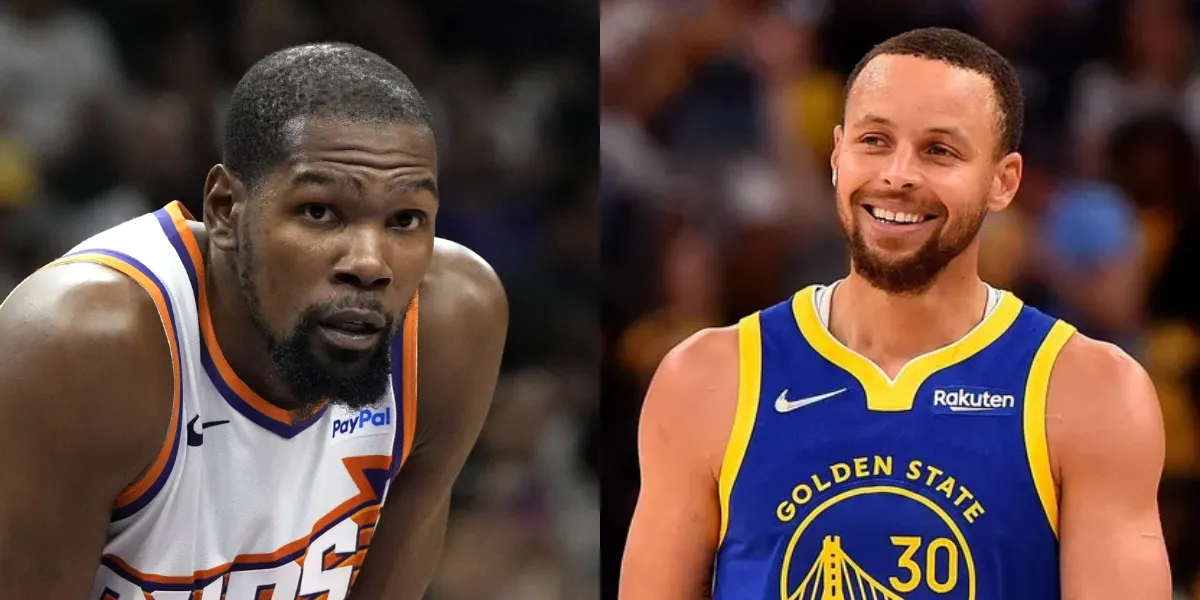
Kevin Durant’s All-Star Criticism Sparks a Familiar NBA Debate
The NBA All-Star Game has never lacked star power, but in recent years, it has struggled to maintain credibility as a competitive event. The league’s latest attempt to repackage the showcase did little to silence critics, and one of the loudest voices questioning the direction of the weekend came from a player who has seen nearly every side of the NBA spotlight.
Kevin Durant did not mince words when discussing what he believes is wrong with the All-Star Game. Appearing on teammate Fred VanVleet’s Unguarded podcast, the Houston Rockets forward pointed directly at Stephen Curry, blaming the Warriors star for embodying what the exhibition has become. Durant’s comments, delivered with humor but carrying real frustration, reignited a long-standing conversation about effort, leadership, and accountability among the league’s biggest names.
Why Stephen Curry Became the Symbol of Durant’s Frustration
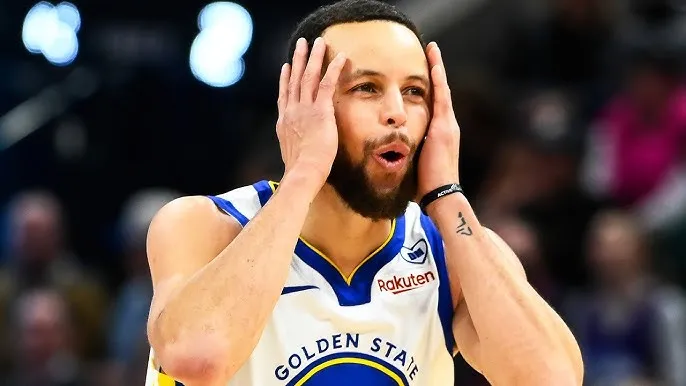
Durant’s criticism was not personal in nature, but Curry’s style made him an easy example. The Warriors guard is synonymous with deep-range shooting, logo threes, and redefining what constitutes a good shot. In meaningful games, that skill reshaped modern basketball. In the All-Star Game, however, Durant views it as part of the problem.
By launching shots from half court during what is supposed to be the league’s premier showcase, Curry represents the casual approach that now defines All-Star Weekend. Durant’s message was clear: when superstars treat the game like a shootaround, the entire event follows suit. Fans tune in expecting competition and instead receive a highlight reel devoid of resistance.
The All-Star Game’s Identity Crisis
The NBA has spent years tinkering with the All-Star format in search of relevance. Rule changes, draft-style team selections, target scores, and now a planned USA vs. World setup for 2026 all reflect a league searching for answers. Yet Durant’s critique suggests the issue goes deeper than structure.
According to Durant, no format can fix an All-Star Game where veterans fail to set the tone. The absence of intensity is not a design flaw but a behavioral one. When leaders treat the event as a novelty, younger players follow that example. The result is a game that feels disconnected from the competitive spirit the NBA sells throughout the regular season and playoffs.
Veterans, Not Rules, Shape the Game’s Meaning
Durant’s argument centers on responsibility. The All-Star Game, in his view, mirrors the priorities of the league’s most influential players. When veterans approach it seriously, the game carries weight. When they don’t, it becomes an empty spectacle.
That perspective reframes the conversation. Instead of asking how the NBA should redesign the event, Durant asks whether the stars are willing to care. His comments implicitly challenge players of Curry’s stature to consider how their approach shapes the league’s image.
A Lighthearted Jab With Deeper Implications
Although Durant’s comments about Curry carried humor, the underlying message was unmistakable. The NBA’s most recognizable figures wield enormous influence, and how they conduct themselves matters. Curry, as one of the league’s most celebrated icons, sets trends whether he intends to or not.
Durant’s frustration reflects a broader tension within the NBA: balancing entertainment with competition. The All-Star Game sits at that crossroads, and the league’s stars often determine which direction it leans.
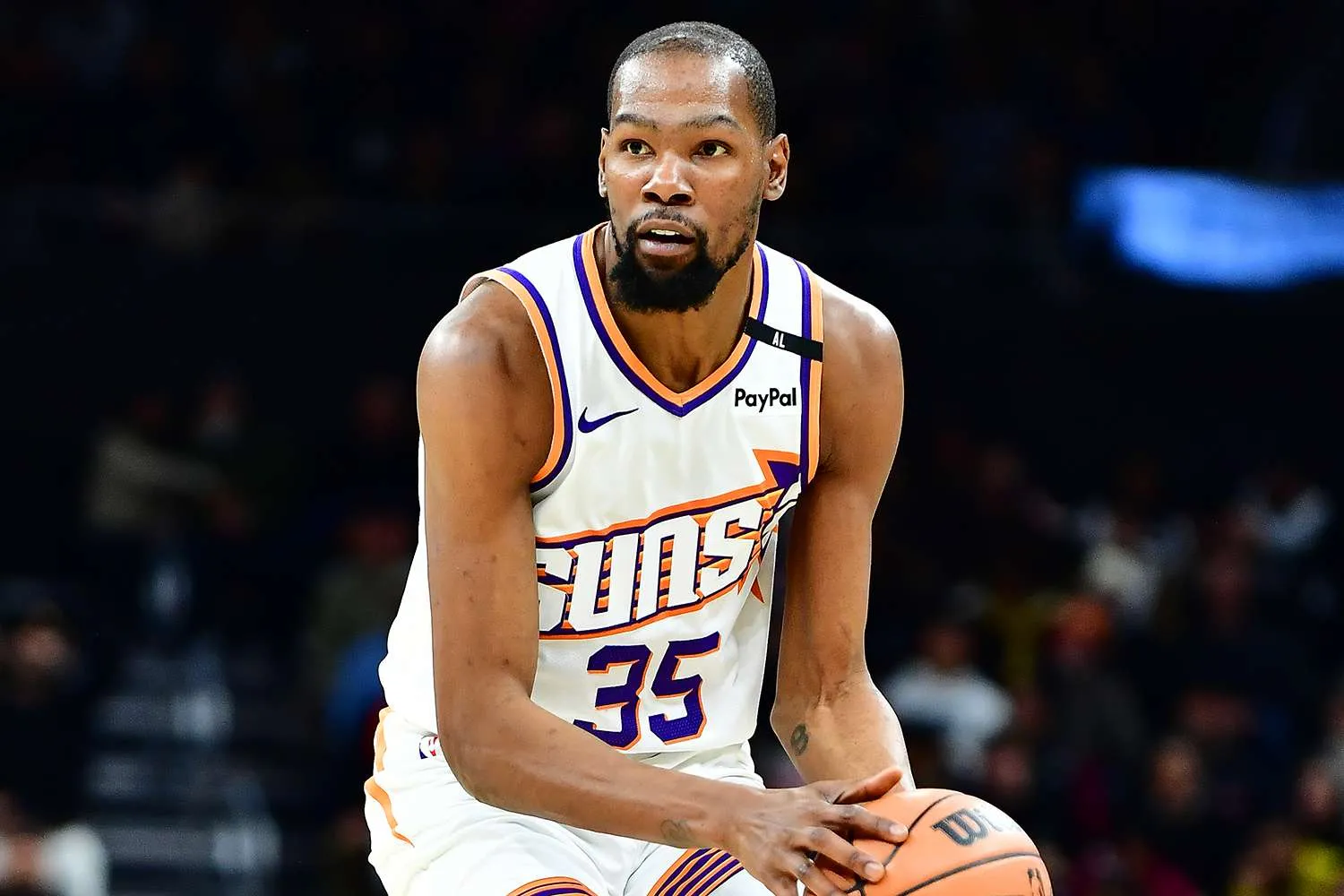
Durant’s Words Reignite His Complicated Warriors Chapter
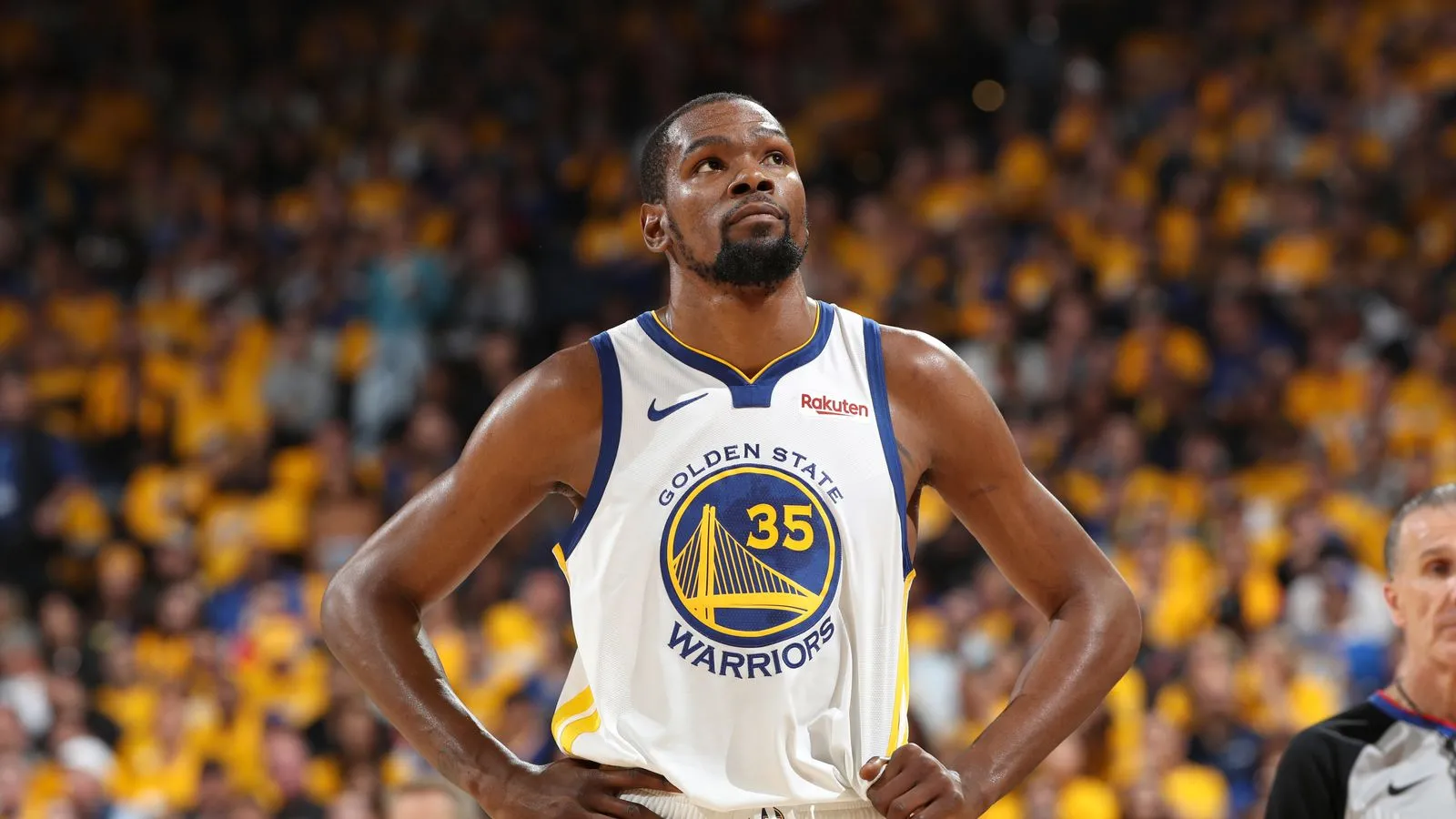
The conversation did not stop with All-Star Weekend. Durant’s appearance on Unguarded also reopened unresolved chapters from his time with the Golden State Warriors, particularly the 2019 Finals and the Achilles injury that altered his career trajectory.
Durant revealed that he was never fully informed about the risks associated with returning from a calf strain during the Finals. According to him, the possibility of an Achilles rupture was never clearly communicated by the Warriors’ medical staff. That omission, he believes, changed everything.
The Injury That Changed Kevin Durant’s Career
Game 5 of the 2019 NBA Finals marked a turning point. Durant returned after missing weeks, hoping to help Golden State extend the series against Toronto. Instead, he suffered a catastrophic Achilles tear, ending not only his season but his tenure with the Warriors.
Durant’s reflection adds emotional weight to that moment. He believes that with full transparency, he may have chosen differently. The injury cost him an entire season and reshaped perceptions of his durability, despite his eventual return to elite form.
Trust Between Players and Medical Staff Under the Microscope
Durant’s comments highlight a recurring issue in professional sports: trust. Players rely on team medical staffs for guidance, yet the pressure of championships can blur lines between caution and urgency.
The NBA has seen similar situations before. Kawhi Leonard’s fallout with the San Antonio Spurs over injury management remains one of the league’s most prominent examples. In both cases, disagreements over diagnosis and risk assessment led to fractures that extended beyond health into organizational trust.
Golden State’s Dynasty and Its Hidden Costs
Durant’s Warriors era delivered historic success: two championships and three consecutive Finals appearances. Yet beneath the trophies lay tensions that only surfaced later. His injury became the defining moment of that run’s collapse.
While Golden State moved on, Durant carried the physical and emotional weight of that decision. His recent comments suggest those feelings never fully faded, adding context to his willingness to speak openly now.
Accountability as a Central Theme in Durant’s Criticism
Whether discussing the All-Star Game or his injury history, Durant consistently returns to accountability. He believes players deserve full transparency and responsibility from those in power, whether it’s league leadership or team staff.
That theme connects his critique of Curry to his reflections on the Warriors. In both cases, Durant challenges institutions and individuals to acknowledge their influence and the consequences of their decisions.
Stephen Curry’s Role in NBA Culture
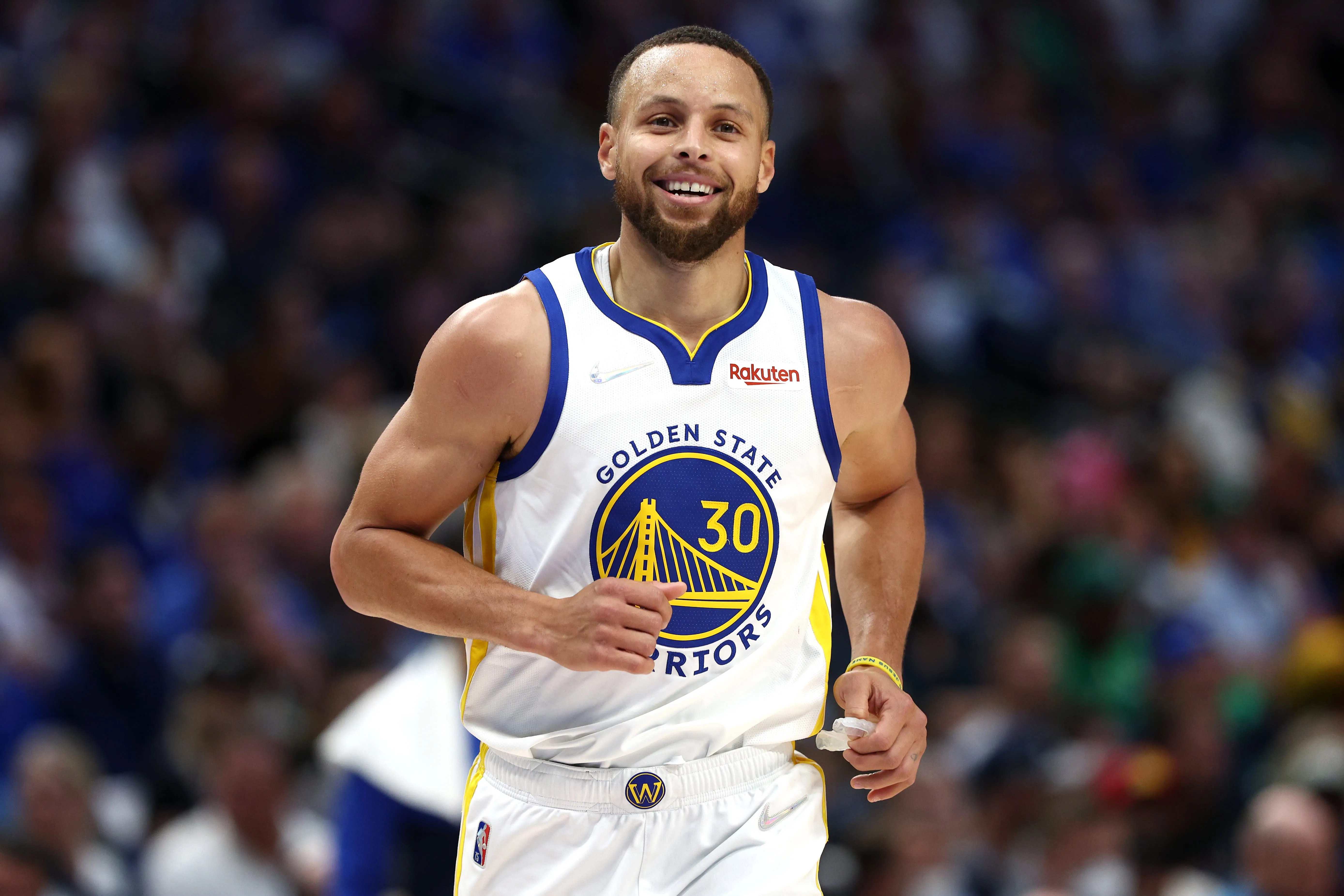
Curry remains one of the most beloved figures in basketball. His impact on the game is undeniable, and his approach to basketball has inspired a generation. Durant’s comments do not diminish that legacy, but they do question how it translates to league-wide events like the All-Star Game.
Curry’s casual brilliance often blurs the line between competition and entertainment. Durant’s critique suggests that at certain moments, that balance tips too far toward spectacle.
The League’s 2026 Reset and Unanswered Questions
The NBA’s planned USA vs. World All-Star format in 2026 represents another attempt to reignite interest. Shorter games and international intrigue may help, but Durant remains skeptical that structural changes alone can solve the problem.
Without genuine buy-in from stars, any format risks becoming another variation of the same issue. The league’s challenge is convincing its biggest names that the All-Star Game still matters.
Durant’s Willingness to Speak Freely
At this stage of his career, Durant appears more comfortable sharing unfiltered opinions. His candidness reflects a veteran unafraid of backlash, confident in his legacy, and focused on long-term impact rather than public approval.
That openness resonates with fans who crave honesty from athletes often constrained by media training. Durant’s comments, while controversial, feel authentic.
A Broader NBA Conversation Begins Again
Durant’s remarks have reopened discussions that never truly disappeared. What should the All-Star Game represent? Who bears responsibility when it falls flat? And how much influence do superstars wield over the league’s culture?
By naming Curry, Durant ensured those questions would dominate headlines. But the underlying issue extends beyond any single player.
Criticism Rooted in Care
Kevin Durant’s statements should not be viewed simply as shots at Stephen Curry or the Warriors. They reflect a deeper concern for the league he helped shape. His criticism stems from care, not resentment.
As the NBA continues to evolve, voices like Durant’s play a crucial role in shaping its future. Whether the league listens remains to be seen. What is certain is that the conversation about accountability, effort, and authenticity is far from over.







