

 Vietnamese
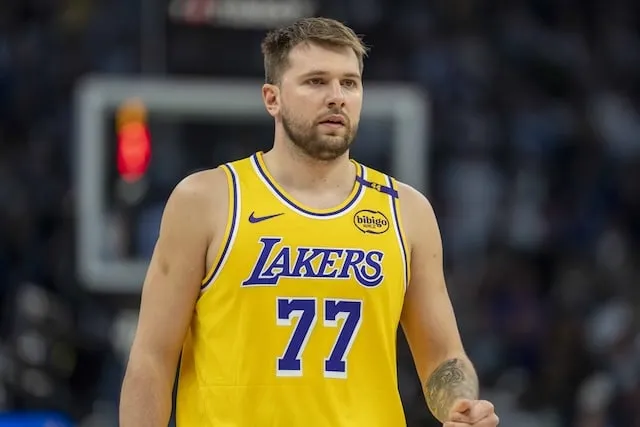
Lakers Shorthanded Against Suns as Luka Dončić Remains Sidelined
The Los Angeles Lakers entered their matchup against the Phoenix Suns already walking a tightrope, but the absence of Luka Dončić made the challenge even steeper. With the team missing several key contributors, the burden on the remaining starters grew heavier by the minute. At the center of that concern stood Dončić, the engine of the Lakers’ offense, whose injury status has now become one of the most closely monitored storylines in the NBA.
Head coach JJ Redick addressed the situation shortly before tipoff, offering cautious optimism while stopping well short of a firm timetable. According to ESPN Lakers insider Dave McMenamin, Redick told reporters that Dončić is “doing fine,” but emphasized that the superstar guard remains day-to-day as he continues to manage a left calf contusion.
While the phrasing sounded reassuring on the surface, the reality underneath was more complicated. For a Lakers team already without Austin Reaves and Rui Hachimura, Dončić’s absence leaves the roster dangerously thin and exposes just how fragile the balance has become.
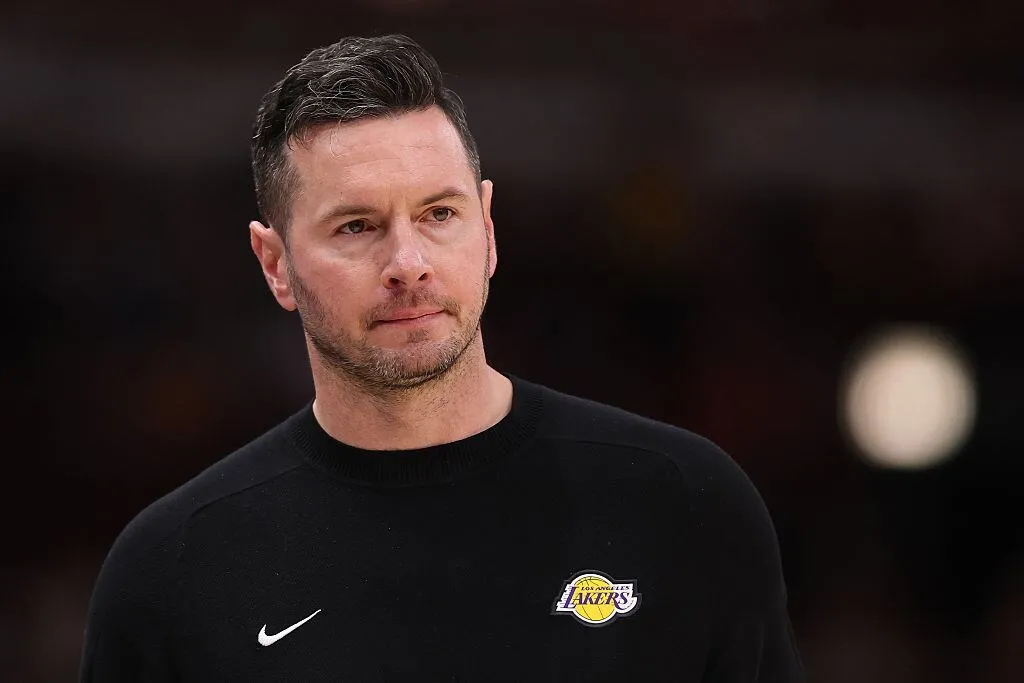
JJ Redick’s Measured Tone Reflects a Delicate Situation
Redick’s update was careful, deliberate, and telling. Rather than offering a confident return date, he leaned into caution, underscoring the unpredictable nature of contusion-related injuries. According to the coach, this is not a new issue for Dončić, but rather a recurring one that has followed him throughout the season.
Redick noted that the upcoming game against Phoenix marked the fourth time Dončić has missed action due to a contusion in the same leg. That detail alone raised red flags. While bruises are often viewed as minor, repeated trauma to the same area can complicate recovery and increase risk.
By labeling Dončić as day-to-day, Redick signaled that the medical staff is prioritizing long-term availability over short-term urgency. In the context of an NBA season that stretches deep into spring, that approach makes sense. Still, it leaves the Lakers navigating immediate challenges without their primary playmaker.
How the Injury Happened and Why It Lingers
Dončić’s latest setback traces back to Saturday’s matchup against the Los Angeles Clippers. Midway through the game, he collided with a defender while attacking the lane. The contact forced an awkward landing, and cameras quickly caught him limping as he made his way up the floor.
At the time, the play did not appear catastrophic. Dončić remained in the game briefly before exiting, but postgame evaluations revealed enough discomfort to warrant caution. Redick later explained that similar incidents have occurred “a bunch this season,” highlighting the cumulative nature of the problem rather than a single traumatic moment.
Contusions can be deceptive. While they lack the structural damage of ligament tears, deep bruises can limit mobility, sap explosiveness, and make even basic movements uncomfortable—especially for a player whose game relies on sudden changes of pace and direction.
Insider Intel Offers Hope for a Quicker Return
Despite the uncertainty, there is reason for optimism. McMenamin previously reported on ESPN that Dončić’s injury is considered more of a bruise than a strain or tear, which opens the door for a faster turnaround. The Lakers are reportedly experimenting with additional padding designed to protect the affected area and reduce further impact.
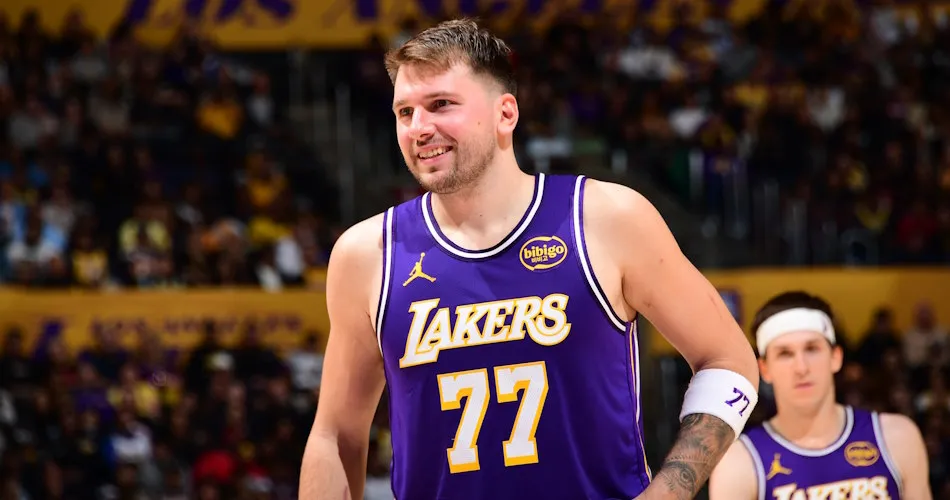
More importantly, there remains what McMenamin described as “a very real possibility” that Dončić could feel well enough to return as soon as Thursday against the Houston Rockets. That timeline, while far from guaranteed, has major implications.
A return against Houston would not only stabilize the Lakers’ rotation but also clarify his availability for the highly anticipated Christmas Day games. Those matchups carry both symbolic and practical weight, serving as marquee events and potential momentum-shifters for the season.
Christmas Day Games Hang in the Balance
The NBA’s Christmas slate is more than just another date on the calendar. It’s a showcase, a measuring stick, and a moment when stars define narratives. For the Lakers, having Dončić available on that stage could mean the difference between relevance and vulnerability.
Without him, the offense becomes easier to predict and far less dynamic. The loss to the Clippers underscored that reality, as LeBron James was forced into a high-usage role that stretched both his stamina and efficiency. While James remains capable of brilliance, asking him to carry the entire offense night after night is not a sustainable plan.
Dončić’s potential return before or during the Christmas stretch would alleviate pressure across the lineup, allowing the Lakers to recalibrate rather than scramble.
LeBron James and Deandre Ayton Shoulder the Load
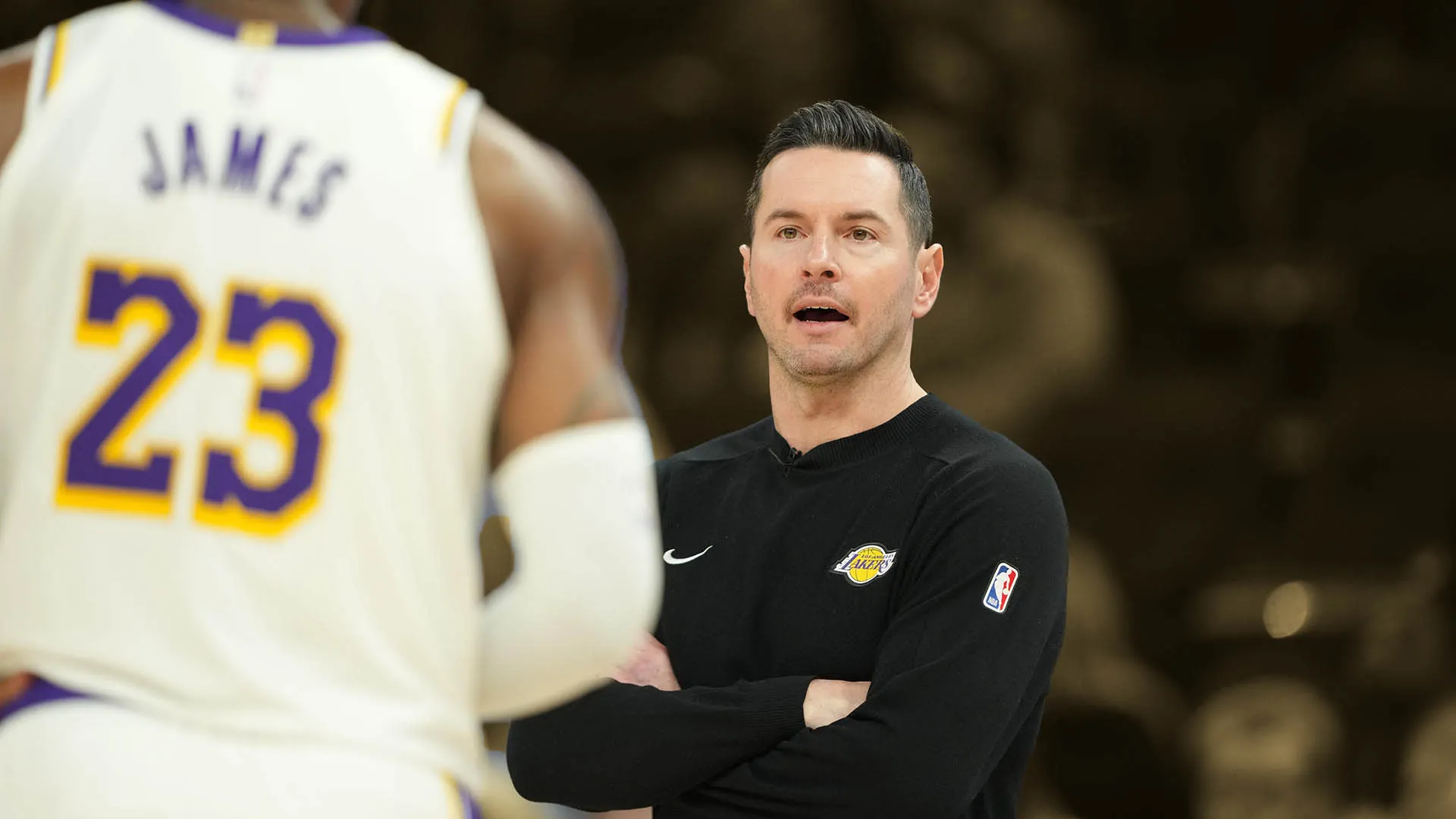
In Dončić’s absence, the Lakers have leaned heavily on LeBron James and Deandre Ayton, the only regular starters currently available. James has responded with leadership and effort, but the strain is evident. Defenses key in on him, forcing tough shots and challenging him to create late in possessions.
Ayton, meanwhile, has been tasked with anchoring both ends of the floor. While his interior presence provides stability, the lack of perimeter creators makes his job more difficult. Pick-and-roll opportunities shrink, and spacing suffers without Dončić orchestrating the offense.
Against a Suns team loaded with scoring options, this imbalance becomes even more pronounced. The margin for error narrows, and execution must be nearly flawless.
Deandre Ayton Explains the Hidden Toll on Luka Dončić
Following the Clippers game, Ayton offered a revealing perspective on what Dončić has been dealing with physically. His comments reframed the injury as more than an isolated incident.
“It’s almost like in spurts,” Ayton said. “You feel very tired, and your ligaments and muscles are just really worn out.”
That description points to fatigue as a central factor. For Dončić, the physical toll isn’t accidental—it’s structural. Night after night, he is the focal point of defensive game plans designed to wear him down.
Why Defenses Target Dončić Relentlessly
Opposing teams rarely guard Dončić one-on-one. Instead, they blitz him with double teams, bump him off his spots, and force him into contact whenever possible. The goal isn’t just to contest shots but to disrupt rhythm and drain energy.
Ayton emphasized that this constant pressure compounds over time. Every drive invites contact. Every possession demands strength. Over weeks and months, that accumulation becomes visible in the form of soreness, bruises, and missed games.
For the Lakers, this reality raises deeper concerns. Dončić isn’t just dealing with a single bruise; he’s absorbing the physical cost of carrying the offense, especially in games where secondary ball-handlers like Reaves are unavailable.
A Bigger Question for the Lakers’ Strategy
Ayton’s insight points toward a larger issue: sustainability. Even the league’s most gifted superstars have limits. When one player shoulders too much responsibility, injuries become more likely—not because of fragility, but because of inevitability.
The Lakers must decide whether their current approach is viable. Without adequate support, Dončić’s brilliance becomes both a weapon and a liability. The challenge lies in finding balance before wear-and-tear escalates into something more serious.
This makes the decision to hold him out, even for a bruising injury, more understandable. Short-term caution may be the price of long-term stability.
What Comes Next for Luka Dončić and the Lakers
For now, Dončić remains day-to-day, his status hovering between optimism and uncertainty. The upcoming days will be critical, not just in terms of pain management but in how his body responds to movement, contact, and workload.
If he returns against Houston, the Lakers can breathe easier heading into Christmas. If not, they will once again lean on resilience, improvisation, and leadership from James and Ayton.
Either way, this moment has exposed how thin the margin truly is. The Lakers’ ambitions hinge on health as much as talent, and Luka Dončić sits squarely at the center of that equation.
As the season moves forward, one thing is clear: the question isn’t just when Dončić will return—but how the Lakers can protect him once he does







