

 Vietnamese
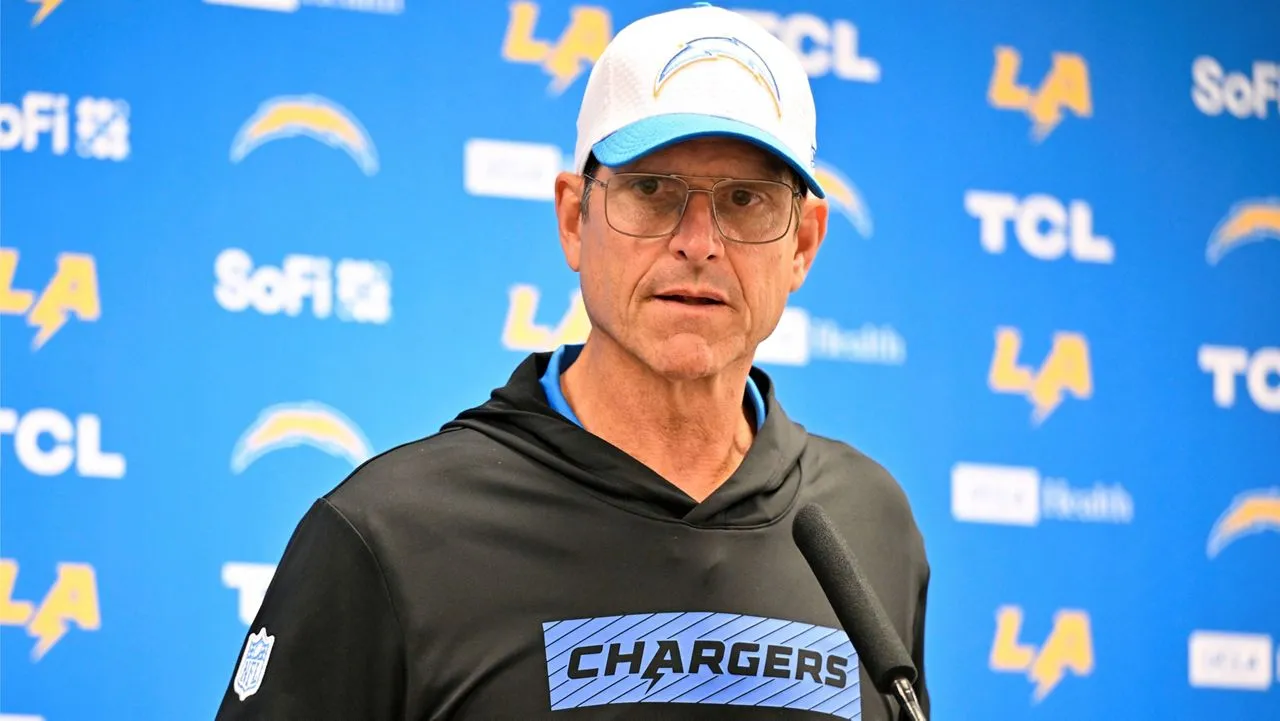
Chargers Coach Jim Harbaugh Shares New Details on Justin Herbert’s Hand Injury and What It Means Moving Forward
The Los Angeles Chargers head coach Jim Harbaugh addressed the media with crucial updates regarding the status of starting quarterback Justin Herbert after the latter suffered a broken bone in his left, non-throwing hand during their recent win over the Las Vegas Raiders. The news immediately sparked concern among fans and analysts alike as the club prepares for a crucial upcoming game.
Herbert’s injury occurred during the team’s 31-14 victory over the Raiders. According to reports, the fracture happened late in the first quarter on a scramble attempt. Despite the blow, the Chargers remained aggressive on offense. Remarkably, Herbert returned with a protective glove and completed a 10-yard touchdown pass to Quentin Johnston on the next play. The visible toughness and determination caught the attention of teammates, coaches and opposing defenders alike.
Soon after the game, the team confirmed that Herbert would undergo surgery to stabilize the fracture. The procedure took place promptly, involving a plate and screws to repair the damage to his left hand. The club declared his status as “day-to-day,” leaving open the possibility he could play in the upcoming Monday Night Football game against the Philadelphia Eagles.
Herbert himself has expressed optimism. He has stated that he is preparing as if he will play, noting that having extra days before the next game gives him a chance to see how recovery progresses. Nonetheless, the week ahead remains critical. The main variables are whether swelling reduces sufficiently and whether he can safely grip the football — factors that will determine whether he can handle snaps, especially under center.
What Happened: Injury, Surgery, and the Immediate Fallout
The sequence that led to the injury began in a standard offensive drive for the Chargers. Herbert scrambled on a designed or broken play and was hit in a manner that caused a fracture to the back of his left hand. That hand is not the one he uses to throw, but it plays a critical role for balance, ball security, handing off, and catching snaps cleanly.
Despite the pain and uncertainty, Herbert returned to action. He re-entered the game wearing a heavy glove and what appeared to be splints or protective padding on some fingers. He played exclusively out of shotgun formation from that point forward. Snap counts under center were eliminated to limit strain on his injured hand.
Statistically, Herbert finished solidly. He completed 15 of 20 passes for 151 yards, threw two touchdowns, and had one interception. The offensive balance leaned heavily on the running game to limit his risk. Running backs and design plays accounted for many carries and kept pressure off Herbert’s injured hand.
After the game, Harbaugh confirmed the need for a “medical procedure” to repair the break. He praised Herbert’s toughness and said he was unsure if Herbert would miss any games. The team planned to evaluate his condition day by day.
The surgery reportedly went as planned. Herbert underwent the procedure on Monday following the game and the team announced that it was successful. Despite the repair, his availability for the next game remains uncertain.
What the Chargers and Herbert Are Considering Ahead of Next Game
With less than a full week before the next matchup, the Chargers are balancing optimism with caution. Harbaugh has publicly said the team is “optimistic” that Herbert will play Monday. Backup quarterback Trey Lance has prepared with the first team in practice as insurance, especially in case Herbert cannot handle full snaps or needs to be limited.
Herbert’s own comments suggest he is ready to fight. He has admitted that the swelling will be a key factor. The medical team has indicated the cast and protective glove might be used again if he plays. As he said, the goal is to treat every day like he will play but rely on medical advice.
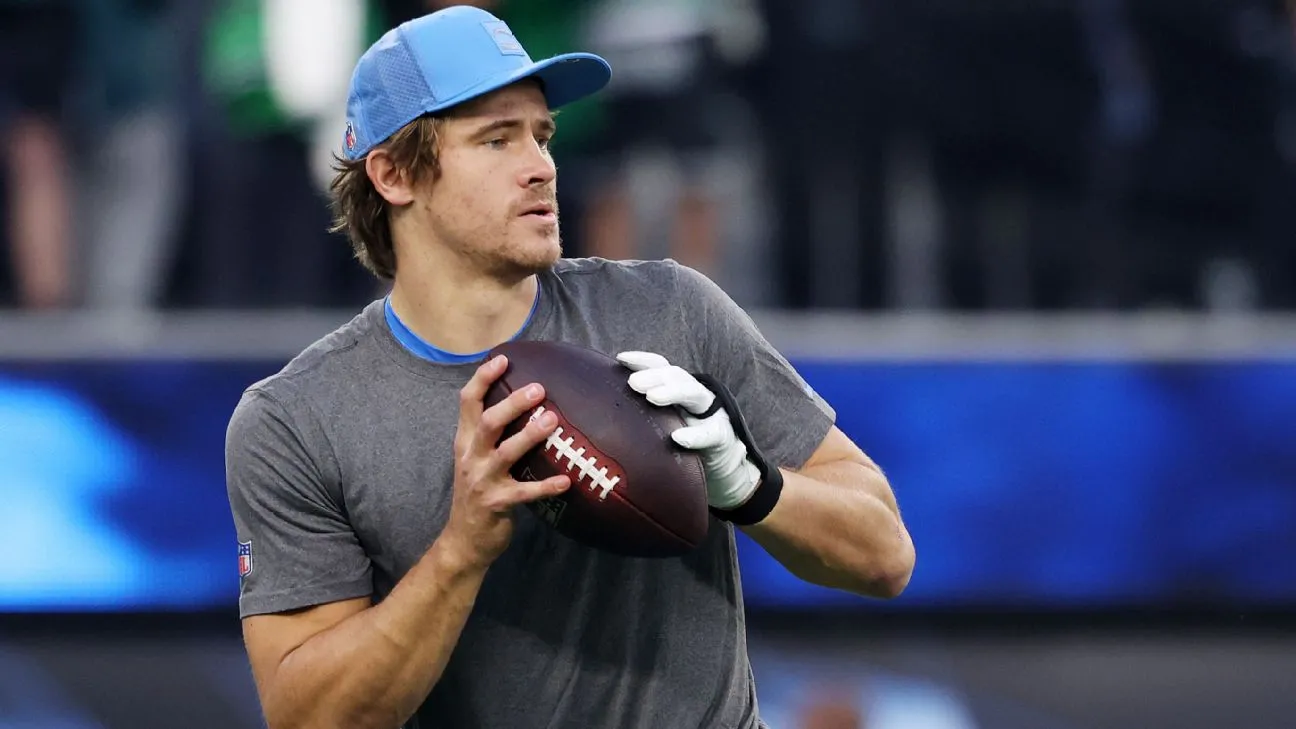
If he does take the field, the Chargers may limit certain types of plays. Running plays, shotgun snaps, quick passes, and formations designed to minimize stress on his left hand are likely. The coaching staff seems ready for that adaptation.
It is also possible that if conditions worsen or if Herbert cannot grip the ball reliably, the Chargers might give Trey Lance the start. That decision would likely hinge on practice performance, medical clearance, and how confident the staff feels about Herbert’s stability during snaps.
Why This Injury Matters More Than Just One Hand
On the surface, a fracture to the non-throwing hand might seem less serious than one to the throwing arm or shoulder. But in football, especially at quarterback, both hands play critical roles. The non-throwing hand helps with ball security, handing off, pocket balance when absorbing hits, and controlling motion during a scramble or slide. A compromised hand can affect all those aspects.
For Herbert, who is used to a high-velocity passing offense and mobility in the pocket, any limitation could reduce effectiveness. If he cannot catch snaps cleanly from center or struggle to protect the ball in pressure situations, that could lead to increased turnovers or a conservative game plan.
Moreover, the physical toll of hits, especially on a repaired hand, raises the risk of re-injury. The medical staff and coaches must decide whether the benefit of having Herbert play outweighs the long-term risk.
At this stage of the 2025 season, with playoff hopes on the line, that balance is delicate. The Chargers must weigh short-term gain against long-term stability and strategy.
What This Could Mean for the Chargers’ Playoff Push and Season Outlook
The outcome of Herbert’s recovery and the team’s handling of his injury could have major repercussions. If Herbert suits up and performs well, the Chargers preserve their identity and keep momentum going. If the injury hampers him or forces a prolonged leave, the offense could stall.
Given the expanded importance of preparation, the coaching staff may lean more heavily on the running game. That strategy could offer short-term protection but might limit explosive plays through the air, which is a big part of the Chargers’ identity.
Backup quarterback Trey Lance could see action. That would test the depth of the roster and the readiness of the offensive scheme to adapt to different quarterback play styles.
The schedule ahead matters. Facing a team like the Eagles in a Monday Night primetime game puts extra spotlight on the decision. A loss or poor offensive performance could stall momentum and hurt playoff seeding.
On the other hand, a strong performance by Herbert under protection and adaptation could highlight his toughness and the resilience of the Chargers. It could strengthen confidence in both the team and its coaching staff’s ability to manage adversity.
Broader Reflections: Risk, Reward, and What It Means for Players With Injuries
This situation underlines a broader issue in the NFL: how teams manage serious injuries during a competitive season. There is always tension between short-term necessity and long-term health. Players often want to play. Coaches want their best athlete on the field. Fans expect stars to fight through pain.
But broken bones, even in non-throwing limbs, are more complicated than they appear. Recovery, re-injury risk, performance compromise, and long-term durability must be considered. Teams must trust medical staff and sometimes accept that resting a player might be the smarter long-term choice.
For Herbert, opting to wear a glove, cast, and adjust formations shows toughness and commitment. But it also highlights how careful the Chargers must be not just for one game but for a season and possibly several seasons ahead.
How the Chargers and Herbert handle this injury could become a case study in balancing ambition and prudence in professional sports.
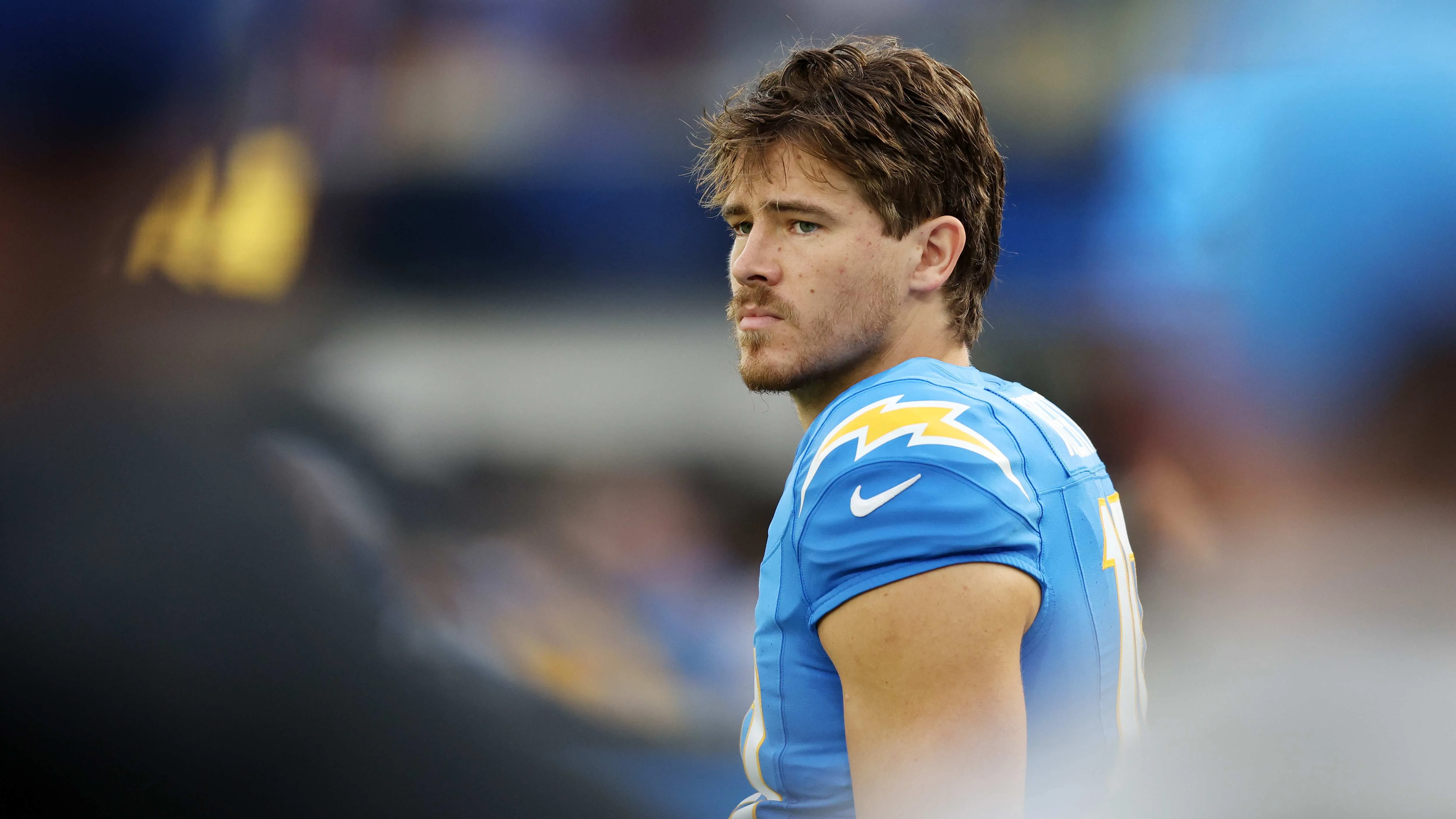
Justin Herbert’s fractured left hand and the quick surgery that followed have placed the Los Angeles Chargers at a crossroads. Head coach Jim Harbaugh has described the situation as serious yet manageable, and the team is preparing as if Herbert will take the field for the next game. The final decision depends on his recovery over the week.
If Herbert plays, the offense must adapt. Snap decisions, play design, protection schemes — everything may shift to protect his hand while maintaining competitiveness. If he sits out or is limited, backup Trey Lance will be pressed into action, testing the team’s depth and flexibility.
The next few days, practices, medical reports, and how Herbert feels will determine not just one game, but potentially the trajectory of the Chargers’ season. It is a reminder that in the NFL, health, timing, and fortune often matter as much as talent.







