

 Vietnamese
The Moment That Ignited a Storm of Online Reaction
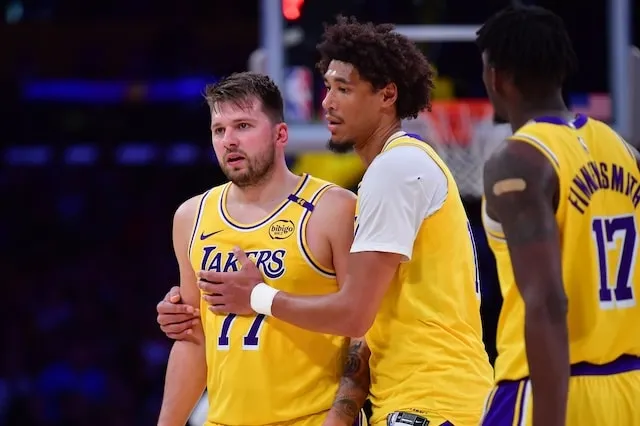
A regular season in the NBA can produce countless plays worth remembering yet every so often one moment captures far more attention than any box score could justify. This week during the NBA Cup quarterfinal between the Los Angeles Lakers and the San Antonio Spurs, such a moment occurred not because of a clutch basket or a dazzling highlight but because of an unexpected celebration between Lakers teammates Jaxson Hayes and Luka Dončić.
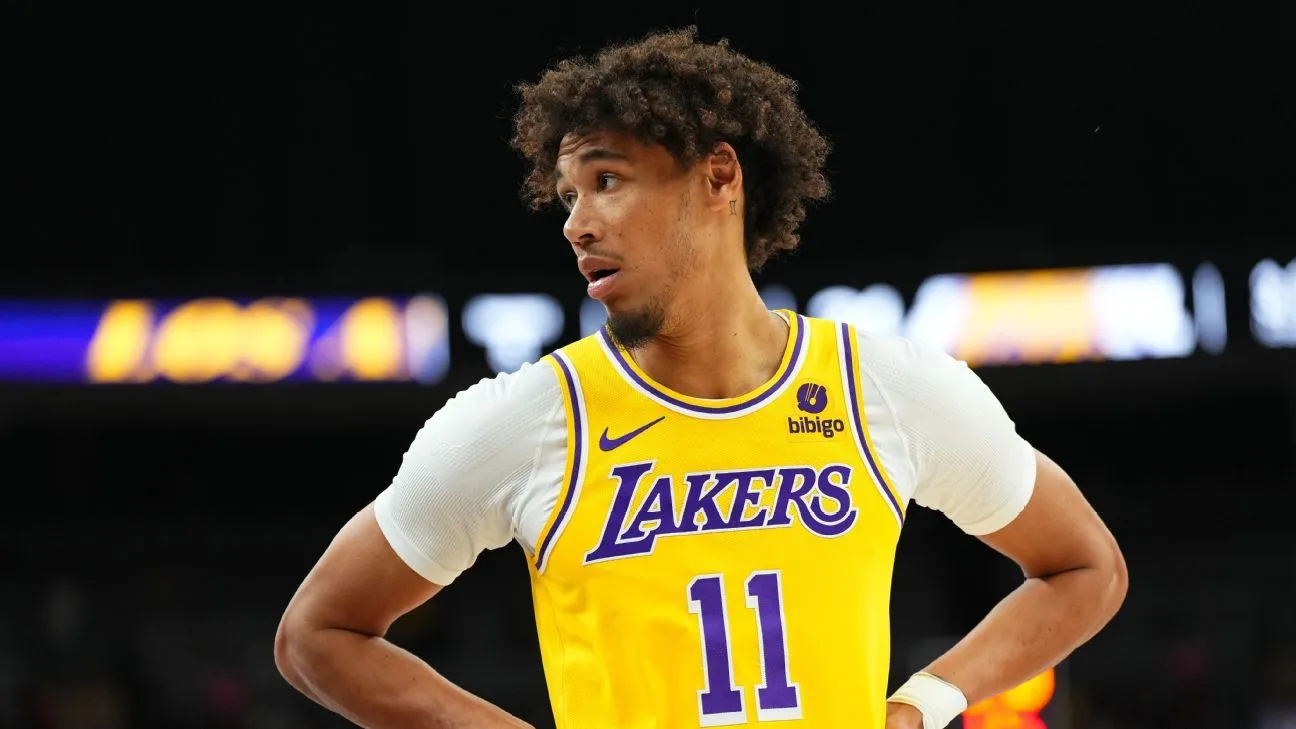
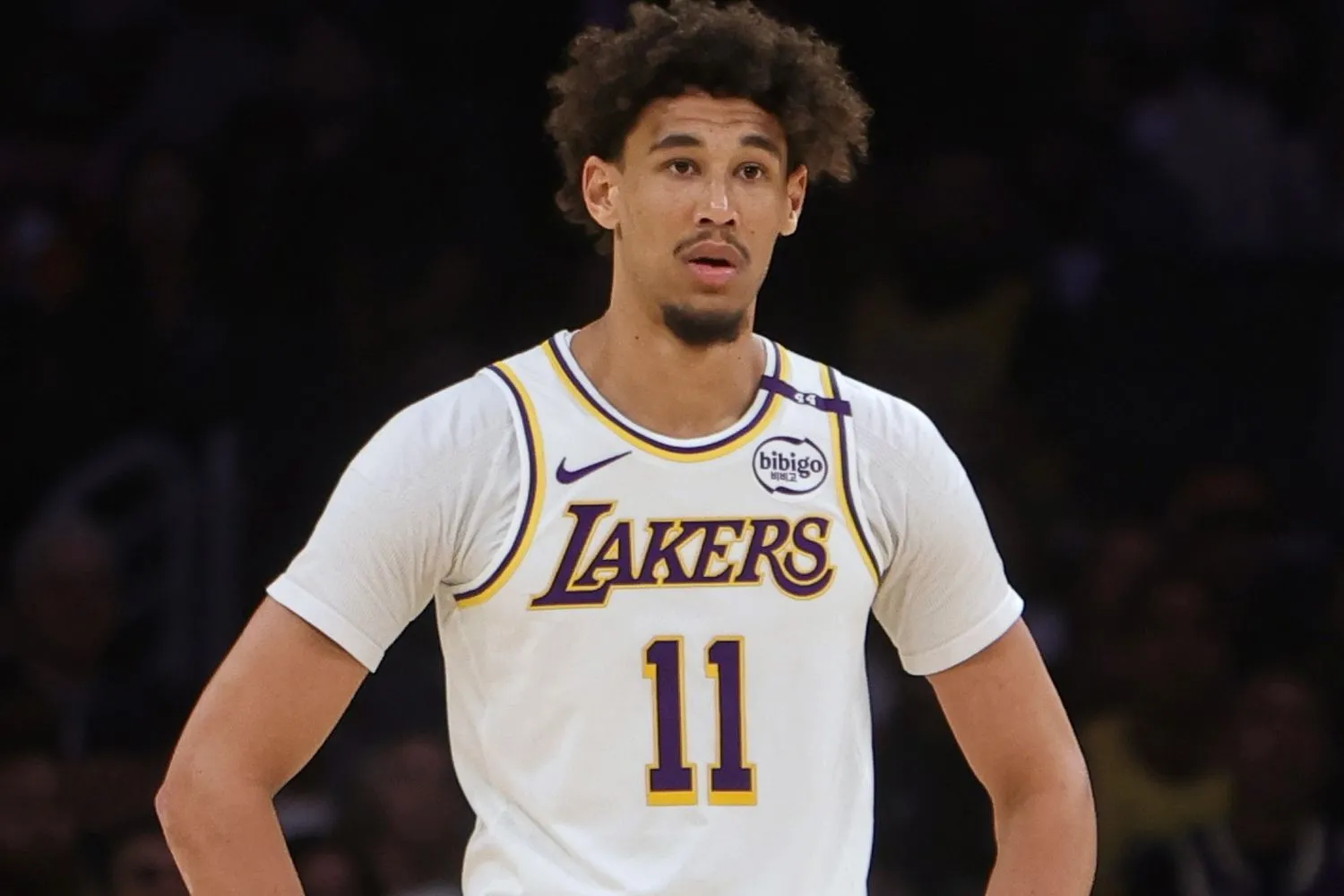
In the first quarter of the nationally televised game, Dončić calmly drilled a step back three pointer that drew applause from the crowd and prompted a Spurs timeout. What followed the timeout call would soon circulate across social platforms around the world. With just under four minutes remaining in the opening quarter, Hayes approached Dončić to congratulate him on the long range shot. Their traditional handshake turned into something else entirely when both players briefly raised their middle fingers toward one another in what appeared to be a playful exchange.
At first glance it may have looked like two teammates joking around, a private gesture of camaraderie that they never expected a live broadcast camera to catch. Yet within minutes of the clip being posted online, it had gone viral. Fans, analysts, social media personalities and casual viewers began debating the nature of the exchange and whether it could attract scrutiny from the league. That discussion quickly grew beyond the moment itself to touch on broader issues about what conduct is acceptable for NBA players and how much personality and spontaneity the league will tolerate.
When Celebration Becomes Conversation
The reaction to the Hayes Dončić exchange was immediate and intense. Once the clip began circulating it was shared and re shared across platforms. On TikTok and Instagram basketball related pages turned the gesture into memes and short highlight reels. On Twitter viewers debated whether the moment was harmless fun or something that could attract discipline from NBA officials.
What made this moment ripe for debate goes beyond the actual gesture itself. Historically the NBA has taken a firm stance when it comes to on court gestures that are deemed inappropriate. This year earlier in January, for example, Minnesota Timberwolves star Anthony Edwards was fined fifty thousand dollars for making obscene gestures toward a referee, following a previous fine of thirty five thousand dollars just months earlier for a similar offense. In other seasons players like Kyrie Irving and Russell Westbrook were fined for directing middle finger gestures toward fans and opposing benches. In those situations the league made clear that intent would not lessen the penalty.
The context of those past incidents is important when considering the Hayes and Dončić moment. The gestures in those fines were directed outward toward others whether fans or officials and were clearly perceived as hostile or disrespectful. In the Lakers Spurs game however the exchange was directed at a teammate and seemed rooted in humor rather than aggression. That distinction has been a key part of the online conversation with fans and basketball insiders arguing both sides of whether the moment should be treated the same as past fines.
How the Exchange Spread Like Wildfire
Moments like this are prime examples of how social media has transformed the way we consume sports. What once would have been a background moment that only keen viewers noticed became a trending clip within minutes. On multiple platforms the short video attracted hundreds of thousands of views. Fans added captions, slow motion replays and comedic commentary, turning a single gesture that lasted barely a second into a topic of endless discussion.
This rapid spread underscores how the NBA’s global audience operates today. Millions of fans around the world are tuned in not just to the action on the court but also to every gesture, expression and microinteraction between players. A playful exchange between teammates can be viewed and reinterpreted by someone who was not even watching the live game. The accessibility of these moments has changed the stakes for players and teams alike because anything captured can be broadcast worldwide in seconds.
Lakers Spurs Game Action Beyond the Viral Clip
While the Hayes Dončić moment dominated conversations online, the actual game delivered its own story. The San Antonio Spurs came out with energy and determination, establishing control early and never letting the Lakers fully recover. San Antonio went on a significant scoring run bridging the late first quarter into the second, taking momentum and forcing Los Angeles out of its comfort zone. Stephon Castle and De’Aaron Fox led the offensive charge for the Spurs, attacking gaps and keeping the Lakers defense off balance even in the absence of their star center Victor Wembanyama.
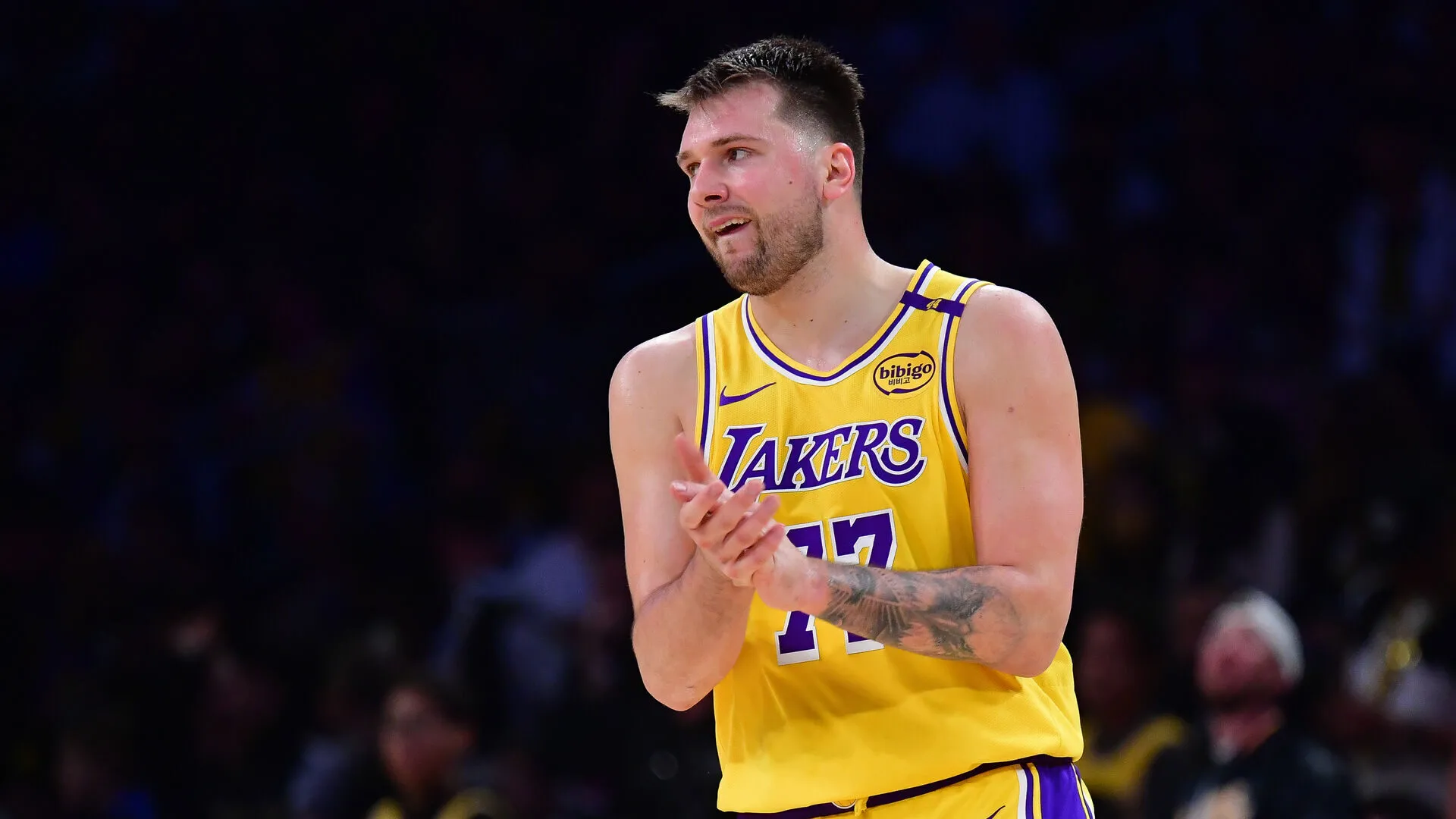
For the Lakers Dončić and Marcus Smart provided much of the offensive production. Dončić scored thirty five points, showcasing his signature blend of patience, creativity and precision. Smart added twenty six points in his first game back from injury, offering much needed defensive energy and vocal leadership. Austin Reaves also contributed with clever drives and a timely three point play late in the fourth quarter that briefly gave the Lakers a chance at an unlikely comeback. However the Spurs maintained their composure and pushed the lead back out whenever Los Angeles threatened to close the gap.
Despite strong individual performances, the Lakers defense struggled throughout the night. Rotations were often late, communication faltered on switches and the Spurs consistently exploited open lanes with crisp passing and decisive movement. As time wound down a late three by Castle effectively sealed the Spurs victory and confirmed their advancement to the NBA Cup semifinals.
League Rules and What Might Happen Next
At this point the NBA has not issued any statement regarding whether it will review the Hayes Dončić moment. The league has historically reviewed on court gestures that attract significant public attention and reserves the authority to issue fines for actions it considers inappropriate. What complicates this situation is the mutual and playful nature of the exchange. It was not hostile, nor directed at a third party, which may influence how the league interprets it.
Critics of the league’s approach note that intent is seldom considered in disciplinary decisions. Past fines have been issued even when gestures were fleeting or made in moments of emotional intensity. Supporters of strict conduct enforcement argue that a consistent standard must be maintained regardless of whether gestures are meant jokingly or seriously because broadcasts reach audiences of all ages.
Fans themselves remain divided. Some insist that the league should recognize the difference between friendly interactions and disrespectful gestures. Others say that the gesture should be ignored altogether to avoid policing harmless team dynamics. A third group believes that consistency requires at least a review, even if no fine is issued. This conversation reflects the broader challenge of applying universal conduct rules in a league where emotion and personality play such significant roles in entertainment.
The Role of Social Media in Modern NBA Culture
The viral spread of the Hayes Dončić moment illustrates how dramatically social media has changed the viewing experience. Every camera angle and every reaction on the bench becomes potential content. Players, coaches and teams are constantly aware that anything they do may be shared online within seconds, regardless of intent or context.
This environment places new pressures on players. They no longer perform only for the arena crowd or national television audience but also for millions of viewers who will analyze even the smallest gestures long after the game ends. Some fans celebrate this level of access and consider it part of the charm of modern sports culture. Others worry that it subjects players to excessive scrutiny and misunderstanding. A gesture meant as a joke can suddenly be interpreted negatively by people who know nothing about the relationship between the players involved.
Team Chemistry and What the Gesture Reveals
One aspect of the Hayes Dončić exchange that analysts repeatedly pointed out is that it offers insight into the chemistry between the two players. Teammates often develop their own jokes, routines and symbolic gestures that reflect a deeper bond. These unspoken interactions can be part of what keeps team morale high and relationships strong throughout the long season.
Hayes and Dončić have spoken publicly about their respect for one another. Their exchange during the Spurs game suggested a level of comfort and camaraderie that is valuable for team cohesion. While the gesture may have been surprising to viewers, it appeared natural between the two players. This authenticity, ironically, is part of what made the moment so widely shared. Fans crave glimpses of genuine player interactions in a league that often emphasizes polished public image.
What This Means Moving Forward for the Lakers
As the Lakers regroup after the loss, the team must focus on addressing basketball issues while navigating the attention generated by the viral clip. Coaches and players alike acknowledge that alterations in defensive schemes and clearer communication will be critical if they hope to compete more consistently. The bench performance also highlighted areas for improvement, particularly in scoring support and defensive stability.
For the Spurs the game offered proof of their resilience and adaptability. Their ability to perform at a high level even without Wembanyama impressed analysts and demonstrated that their system can succeed through collective effort rather than reliance on a single star.
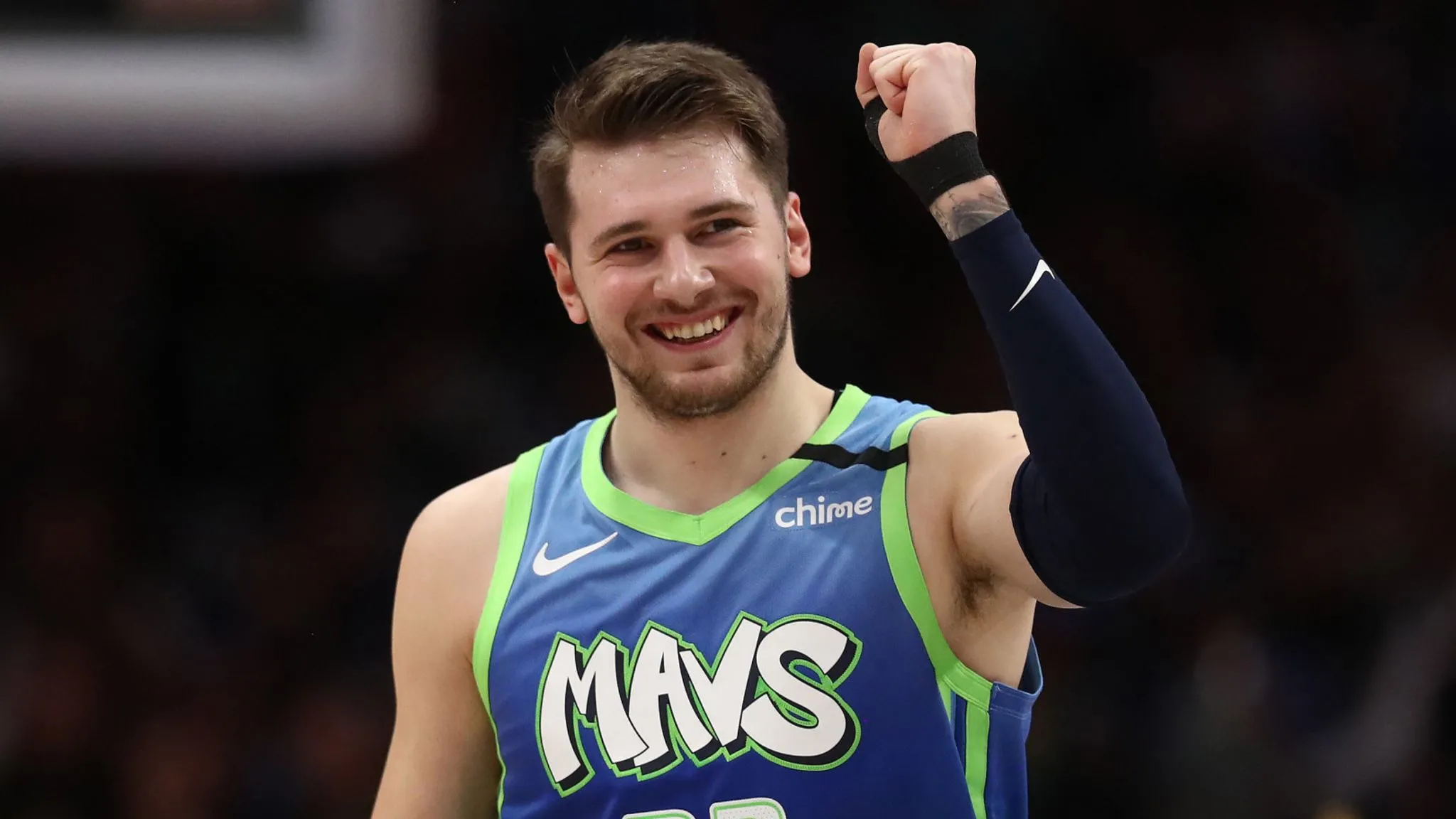
In a sport fueled by high intensity, emotion and entertainment, it is no surprise that small on court moments can take on massive life once they reach the internet. What happened between Jaxson Hayes and Luka Dončić was a fleeting playful exchange not intended to offend anyone. Yet it became a global talking point, raising questions about league policies, player expression and the role of social media in shaping modern sports narratives.
Whether or not the NBA chooses to act, the moment stands as a clear example of how even the quickest gestures can generate long conversations in today’s hyperconnected sports environment. It reminded fans that behind the competitive fire and global spotlight, players are human beings who joke, laugh and share private moments that sometimes spill into public view.







