

 Vietnamese
A Rookie Class That’s Already Changing the League
If the NBA season were to end today, the Rookie of the Year debate would be anything but settled.
According to NBA insiders and scouts, the race has evolved into a three-headed battle featuring Kon Knueppel, Cooper Flagg, and Dylan Harper—each representing a different archetype of modern basketball excellence.
What’s fueling the conversation even more is a growing consensus around the league: this rookie class may be special enough to redefine expectations, not just for first-year players, but for the future of the NBA itself.
Why This Rookie of the Year Race Feels Different
Most seasons produce a clear frontrunner by midyear. This one hasn’t.
Instead, insiders describe a rare scenario where:
-
Multiple rookies are contributing immediately
-
Impact is felt on both ends of the floor
-
Winning, efficiency, and maturity all factor into evaluations
Executives, scouts, and coaches alike have reportedly struggled to separate production from potential—an unusual challenge in a league that prizes immediate results.
Kon Knueppel: The Polished Scorer With a Pro’s Game
A Rookie Who Looks Anything But New
Kon Knueppel’s case for Rookie of the Year rests on consistency and efficiency. From opening night, he’s played like someone who already understands NBA spacing, timing, and shot selection.
Key strengths cited by insiders include:
-
Advanced shooting mechanics
-
Off-ball movement that creates gravity
-
Calm decision-making under pressure
Knueppel isn’t flashy—but he’s effective, and that matters in award voting.
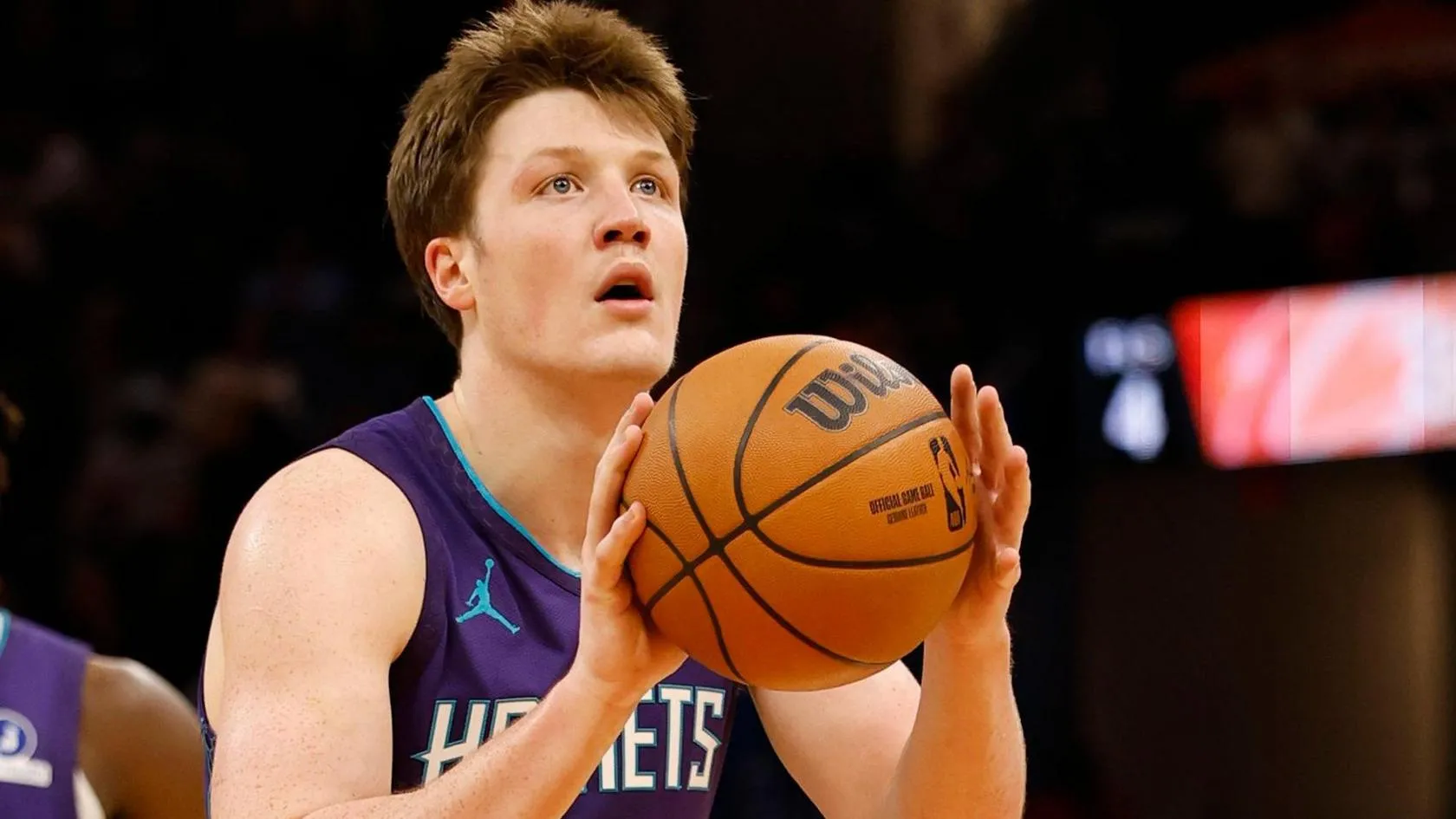
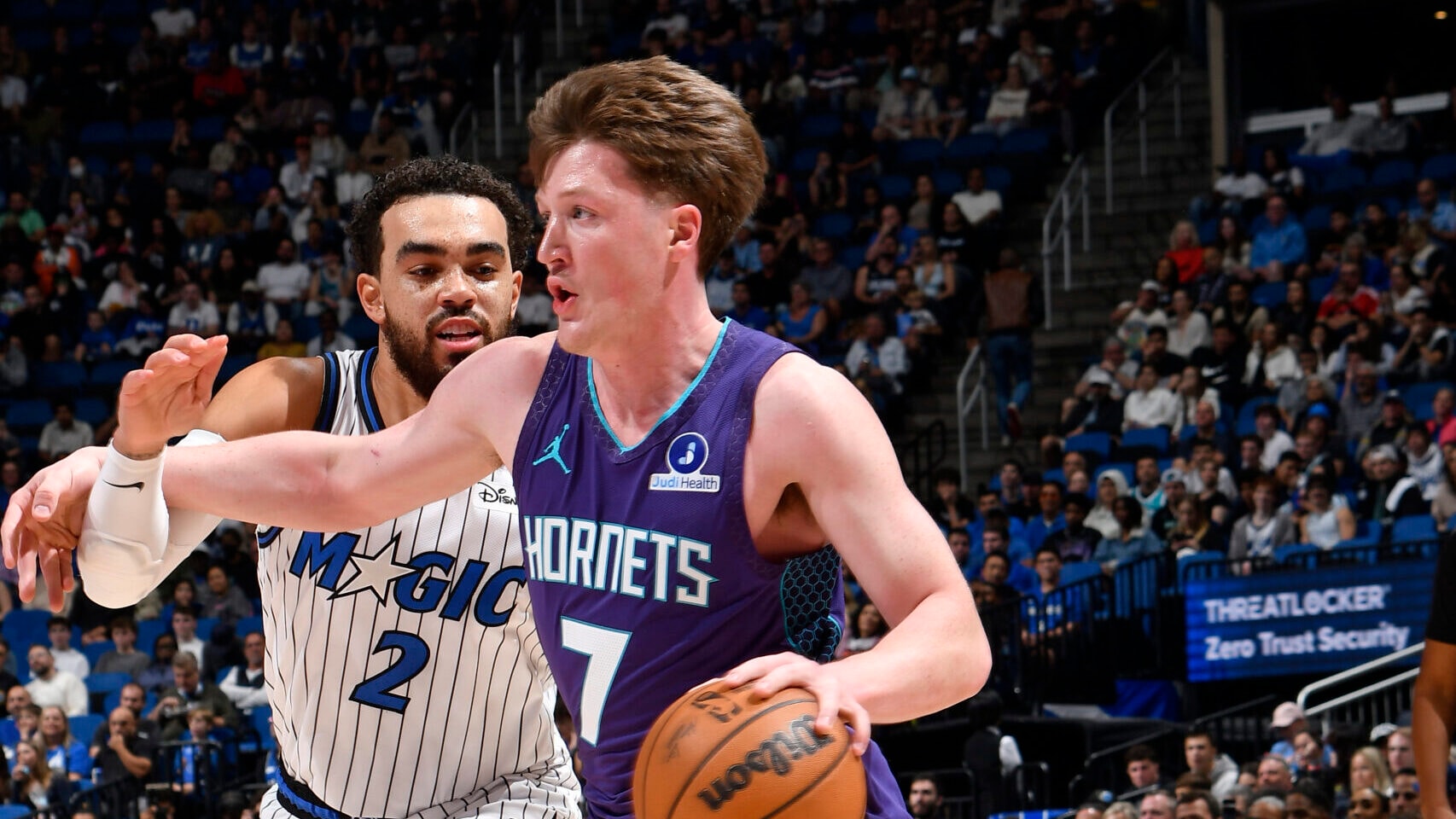
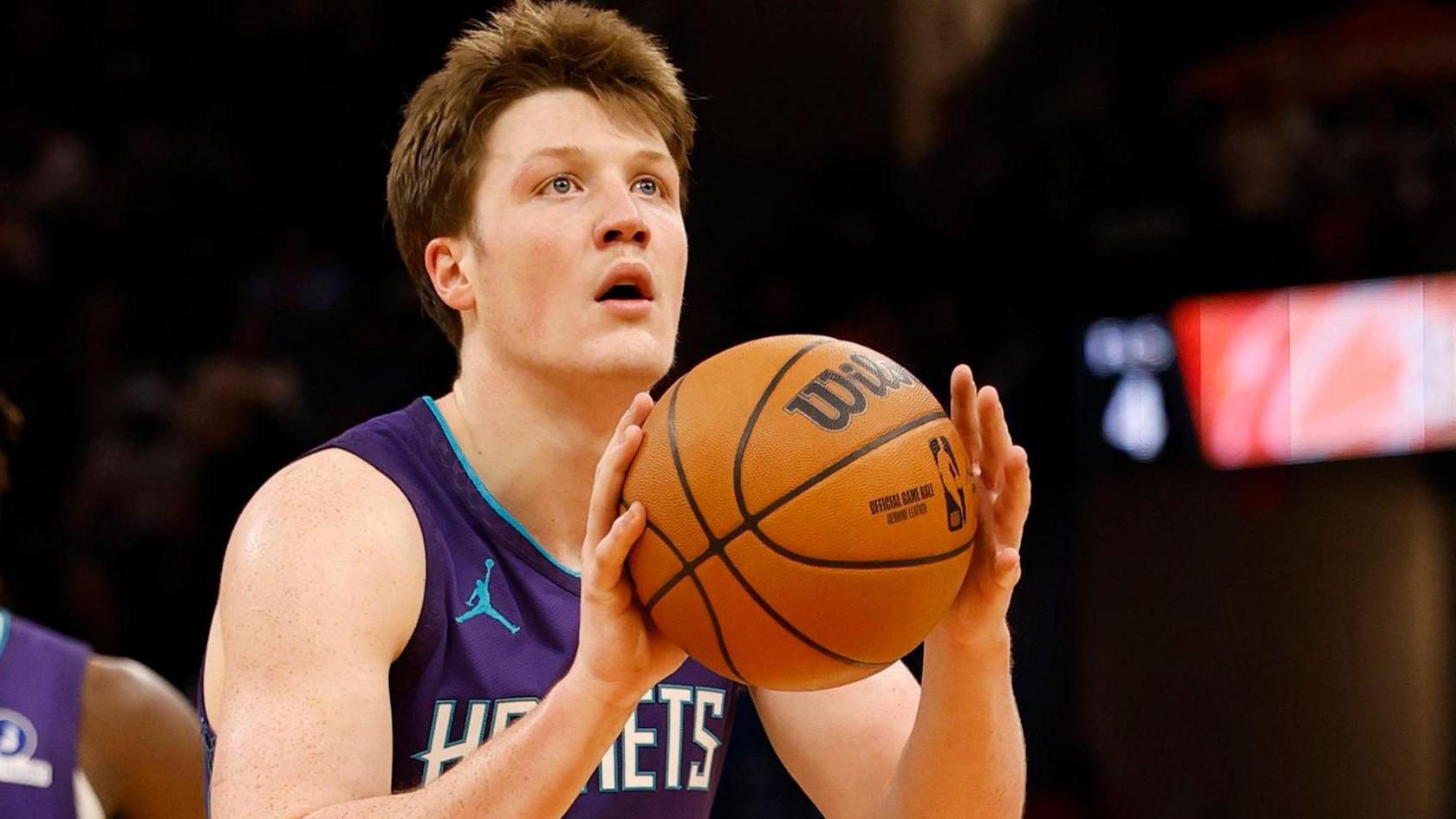
Image: Kon Knueppel shooting during an NBA game

Why Insiders Take Him Seriously
Several league scouts have compared Knueppel’s rookie season to seasoned role players who:
-
Immediately earn trust from coaches
-
Close games despite limited experience
-
Fit seamlessly into winning systems
In a league obsessed with efficiency, Knueppel’s numbers and on-court impact quietly speak volumes.
Cooper Flagg: The Two-Way Phenom With Star Energy
Defensive Impact That Pops on Film
If Rookie of the Year were decided by defensive versatility and energy, Cooper Flagg would be a runaway favorite.
Flagg’s influence shows up in:
-
Weak-side shot blocking
-
Perimeter switches
-
Transition defense turning into offense
At just 18, Flagg already looks comfortable guarding NBA athletes—something few rookies can claim.
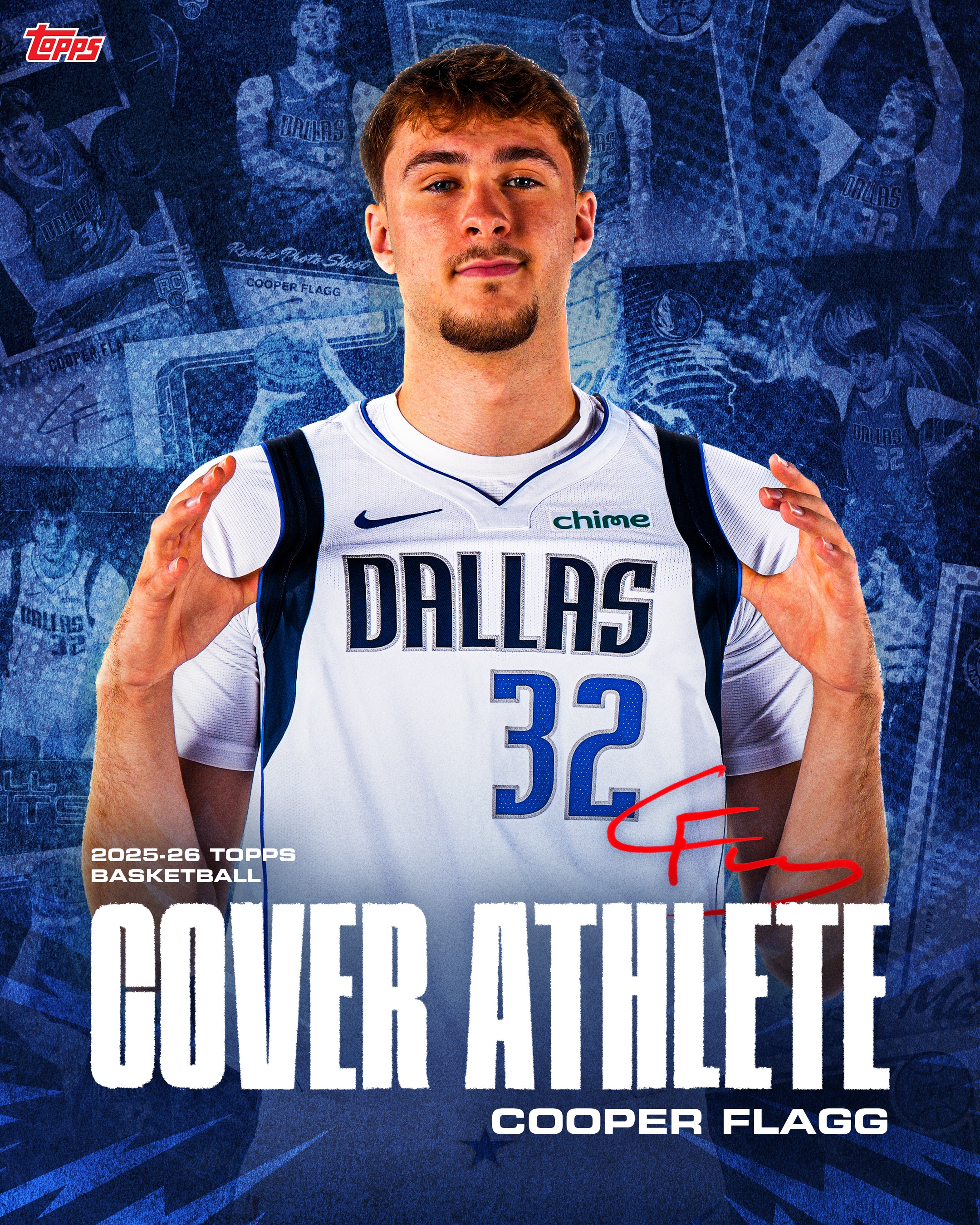
Image: Cooper Flagg defending at the rim


Why Some Insiders Think He Has the Edge
Flagg’s argument is built on impact beyond the box score. Coaches rave about:
-
His anticipation
-
His motor
-
His willingness to do the dirty work
Add in flashes of offensive growth—especially as a cutter and transition finisher—and Flagg begins to look like a future franchise cornerstone.
Dylan Harper: The Lead Guard Who Changes Pace
Commanding the Game as a Rookie
Dylan Harper’s case centers on control. Few rookies are trusted to run an NBA offense, yet Harper has already shown:
-
Advanced pick-and-roll reads
-
Poise late in games
-
The ability to score or facilitate as needed
He doesn’t just play fast—he plays smart.
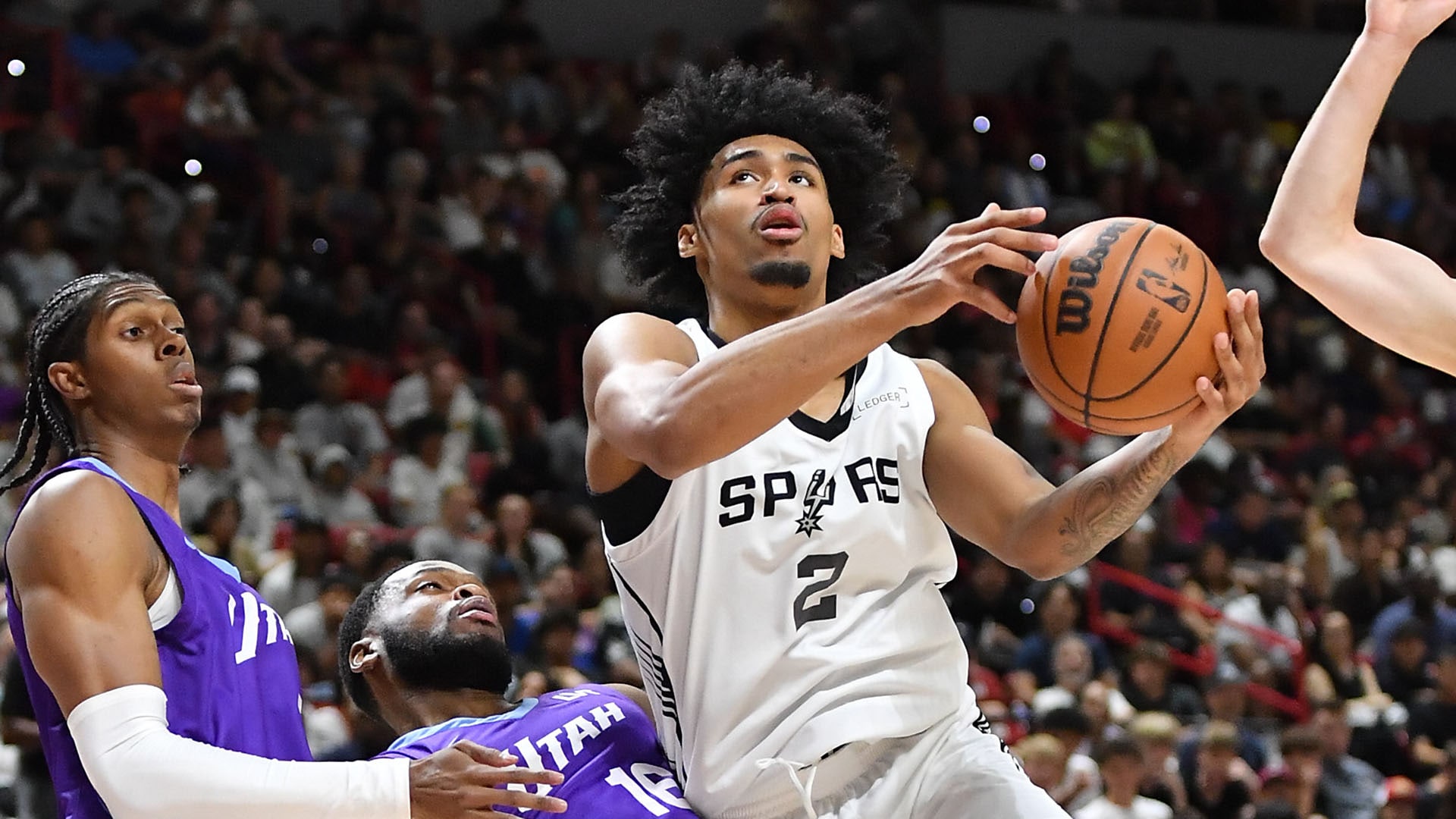
Image: Dylan Harper dribbling and creating offense


Why Guards Always Have a Strong ROY Case
Historically, ball-dominant guards often gain an edge in ROY voting because:
-
Their impact is highly visible
-
They control usage and tempo
-
Their stats reflect responsibility
Harper’s blend of scoring and playmaking places him firmly in that tradition—while his defensive effort keeps him from being one-dimensional.
NBA Insiders: “This Draft Class Is Different”
Beyond individual awards, executives are buzzing about the collective strength of the class.
Several league voices have described it as:
-
“One of the most NBA-ready groups in years”
-
“Positionless, skilled, and fearless”
-
“A class with multiple future All-Stars”
What separates this group is not just talent—but how quickly it’s translating.
The Analytics vs. Eye Test Debate
Knueppel Wins Efficiency Metrics
Advanced stats favor Knueppel in:
-
True shooting percentage
-
On/off impact
-
Offensive rating
Flagg Dominates Defensive Metrics
Flagg leads rookies in:
-
Defensive win shares
-
Opponent field-goal suppression
-
Hustle stats
Harper Owns Usage and Creation
Harper tops the class in:
-
Usage rate among rookies
-
Assist potential
-
Ball-handling responsibility
Each profile appeals to a different voter philosophy.
Team Context Matters—A Lot
Rookie of the Year is rarely judged in isolation.
Voters consider:
-
Team success
-
Role difficulty
-
Expectations entering the season
A rookie contributing to meaningful wins often gains an edge—especially if their team outperforms preseason projections.
What Coaches Are Saying (Unofficially)
While public praise is cautious, behind the scenes coaches reportedly agree on one thing:
“You don’t coach effort and instincts like this. These guys already get it.”
That sentiment alone elevates the class beyond typical rookie hype.
Could the Race Shift Before Season’s End?
Absolutely.
Factors that could swing the vote:
-
A late-season scoring surge
-
Increased minutes due to injuries
-
Defensive assignments against elite stars
-
Performance in nationally televised games
Rookie races are often decided in the final 20 games—not the first 40.
Why the League Is Thrilled About This Class
From a league-wide perspective, this rookie group delivers:
-
Marketable young stars
-
High-level competition
-
Storylines that extend beyond one franchise
In an era where star power fuels engagement, this class arrives at the perfect time.
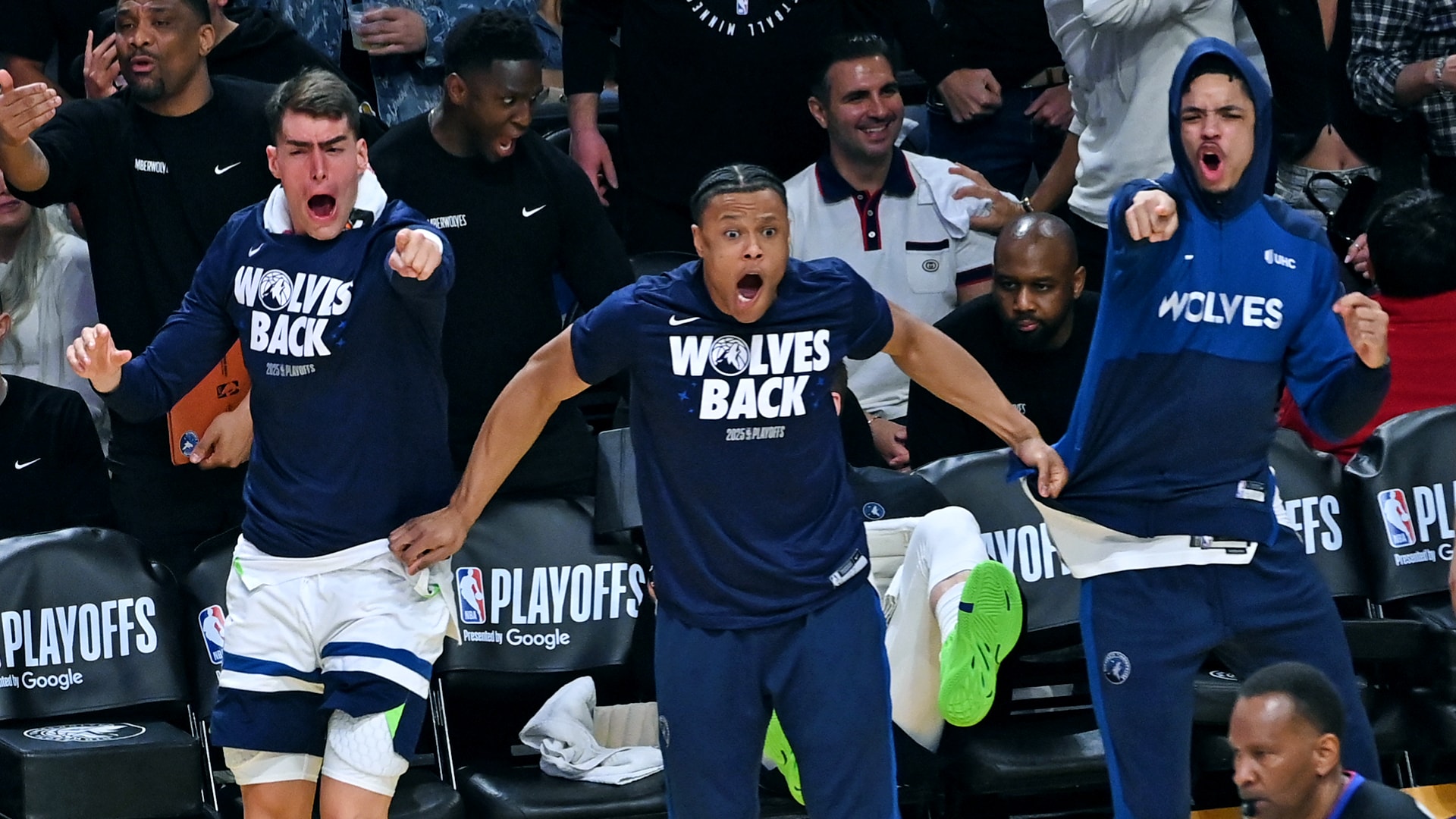
Image: NBA rookies celebrating during a game

Final Thoughts: No Wrong Answer—Only Big Futures
If the season ended today, the Rookie of the Year race would spark fierce debate—and that’s a good thing.
Whether voters lean toward:
-
Knueppel’s polish
-
Flagg’s two-way dominance
-
Harper’s command and creativity
The bigger takeaway is undeniable: this draft class is already shaping the NBA’s next era.
And for fans, that might be even more exciting than the trophy itself.







