

 Vietnamese
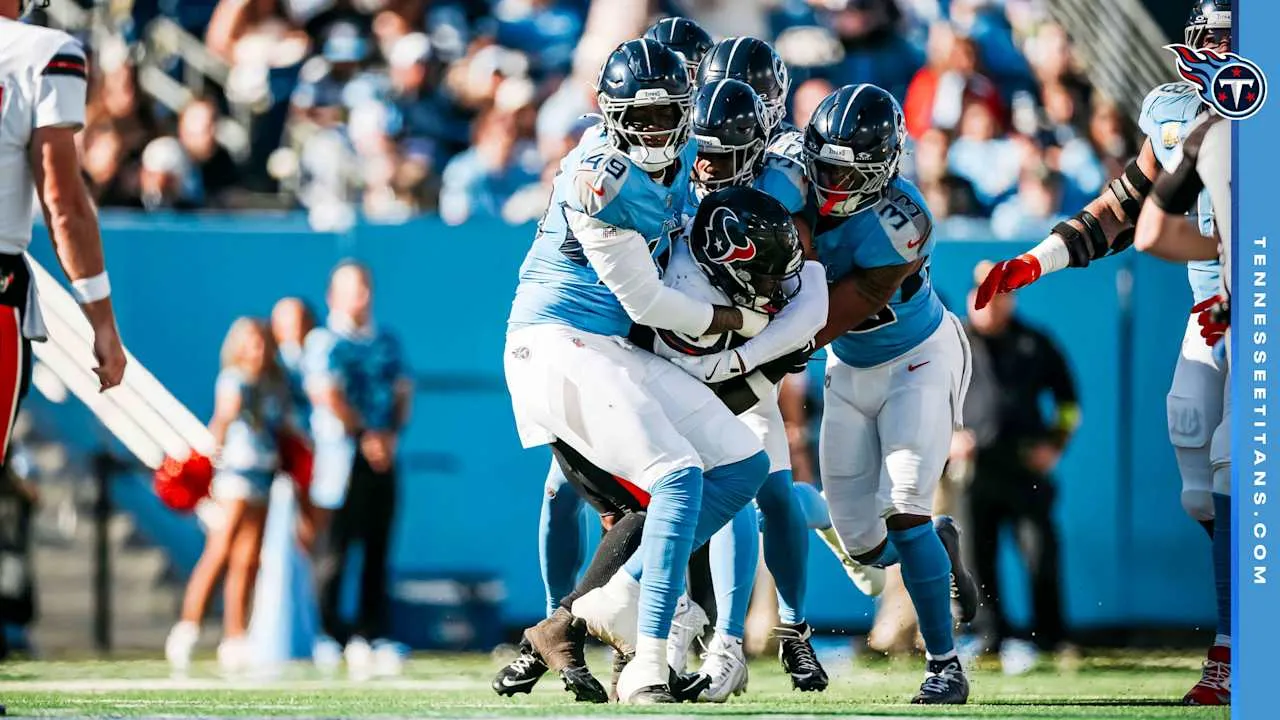
In a league built on controlled messaging, honesty like this is impossible to ignore.
The NFL is no stranger to controversy, but every so often a player’s words cut through the noise and ignite a much bigger conversation. That’s exactly what happened when Dre’Mont Jones of the Tennessee Titans revealed that he was not informed about a trade involving him, a revelation that gained even more traction after a fellow Titans player suggested the NFL is “scripted.”
What initially appeared to be a routine roster move quickly turned into a debate about transparency, player respect, and trust between athletes and league decision-makers.
What Dre’Mont Jones Actually Said
Jones’ comments were direct and measured—but powerful.
According to his account, he learned about the trade after it had already happened, rather than through direct communication from team officials. For a veteran player who has navigated the business side of football for years, the lack of notice was more than just frustrating—it was eye-opening.
Why This Matters
-
Trades impact housing, family, and career trajectory
-
Players expect at least basic communication
-
Silence from a team can damage trust
Jones didn’t accuse the Titans of wrongdoing outright, but his honesty resonated with fans and players alike.
The “NFL Is Scripted” Claim That Changed the Conversation


The situation escalated when another Titans player publicly claimed that the NFL is scripted, a phrase that immediately went viral across social media.
While the comment was likely emotional rather than literal, it struck a nerve in a league already battling:
-
Gambling transparency concerns
-
Officiating controversies
-
Fan skepticism
When paired with Jones’ claim of being kept in the dark, the narrative shifted from a simple trade to systemic issues in how the league handles its players.
How Trades Usually Work in the NFL
To understand why this story hit so hard, it’s important to look at how trades typically unfold.
Standard NFL Trade Process
-
Front offices negotiate terms
-
League office approves paperwork
-
Player is informed (timing varies)
-
Media announcement follows
Legally, teams are not required to inform players in advance. But culturally, many teams choose to do so out of respect.
That’s where Jones’ situation raised eyebrows.
Why Players Expect Transparency—Even If the Rules Don’t Require It
NFL contracts give teams broad power, but modern players increasingly expect:
-
Honest communication
-
Professional courtesy
-
A heads-up before life-changing moves
For veterans like Jones, silence feels less like “business as usual” and more like a breakdown in professional respect.
The Titans’ Perspective
So far, the Titans have not publicly disputed Jones’ account. From a front-office standpoint, teams often argue that:
-
Trades can fall apart quickly
-
Premature communication risks leaks
-
Business efficiency must come first
Still, silence can be costly in the court of public opinion.
Fans React: Sympathy, Skepticism, and Support


Online reaction was swift and divided:
-
Supporters of Jones praised his honesty
-
Skeptics argued trades are part of the job
-
Conspiracy-minded fans latched onto the “scripted” comment
What united them all was one thing: engagement. The story dominated NFL discourse far beyond Tennessee.
Is the NFL Really “Scripted”? Context Matters
It’s important to clarify what players usually mean when they say this.
Most aren’t claiming games are literally pre-written. Instead, they’re expressing frustration with:
-
Inconsistent officiating
-
League narratives favoring stars
-
Business decisions overriding competition
In that context, the comment becomes less about conspiracy and more about disillusionment.
How This Impacts Dre’Mont Jones’ Reputation
Jones’ willingness to speak openly could have mixed consequences.
Potential Upsides
-
Seen as authentic and player-first
-
Earns respect from peers
-
Gains fan support
Potential Risks
-
Labeled “outspoken”
-
Front offices may see him as blunt
-
Media scrutiny increases
In today’s NFL, though, authenticity often resonates more than silence.
A Growing Pattern of Player Candor
Jones isn’t alone. Across the league, players are speaking out more about:
-
Trades
-
Contracts
-
Mental health
-
League governance
Social media and podcasts have given athletes platforms that didn’t exist a decade ago.
What This Means for the Titans Going Forward
For the Titans, the controversy arrives at a sensitive time. Roster moves are already under the microscope, and maintaining trust inside the locker room is critical.
Even if no rules were broken, perception matters—and this episode may prompt:
-
Better internal communication
-
Clearer trade protocols
-
Stronger player relations efforts
The Business of Football vs. the Human Side



At its core, this story highlights a tension the NFL has wrestled with for decades:
Football is a business—but players are people.
Trades aren’t just transactions. They affect families, stability, and identity.
Jones’ comments pulled back the curtain on that reality.
League-Wide Implications
While this is a Titans-centered story, executives around the league are paying attention. Public player dissatisfaction can:
-
Influence future CBA negotiations
-
Shape fan perception
-
Affect locker room morale
Ignoring those signals is increasingly risky.
Could This Change How Trades Are Handled?
Short term, probably not. Long term, possibly.
If more players echo Jones’ experience, teams may begin to:
-
Inform players earlier when possible
-
Provide clearer explanations post-trade
-
Prioritize communication as a cultural value
Small changes can prevent big controversies.
Why Fans Should Care
For fans, this isn’t just gossip—it’s insight.
Understanding the human cost of trades adds depth to:
-
Roster debates
-
Front-office decisions
-
Player loyalty discussions
It reminds us that jerseys change, but people remain.
Final Thoughts
Dre’Mont Jones didn’t accuse the NFL of being rigged. He didn’t attack the Titans. He simply told his truth.
And in doing so, he sparked one of the most revealing conversations of the NFL season.
Whether you believe trades are just business or think the league needs reform, one thing is clear: transparency matters—and players are no longer afraid to demand it.







