

 Vietnamese

Women’s college basketball has officially become a global showcase.
What was once a largely domestic pipeline has evolved into an international stage, with elite players arriving from Europe, Africa, South America, and Oceania to leave their mark on the NCAA. This season, international athletes are not just role players—they are centerpieces, difference-makers, and in some cases, the very faces of their programs.
From dominant post players to skilled guards with professional-level polish, here’s a closer look at the top international stars to watch in women’s college basketball this season, and why their presence is reshaping the sport.
Why International Talent Is Transforming the NCAA
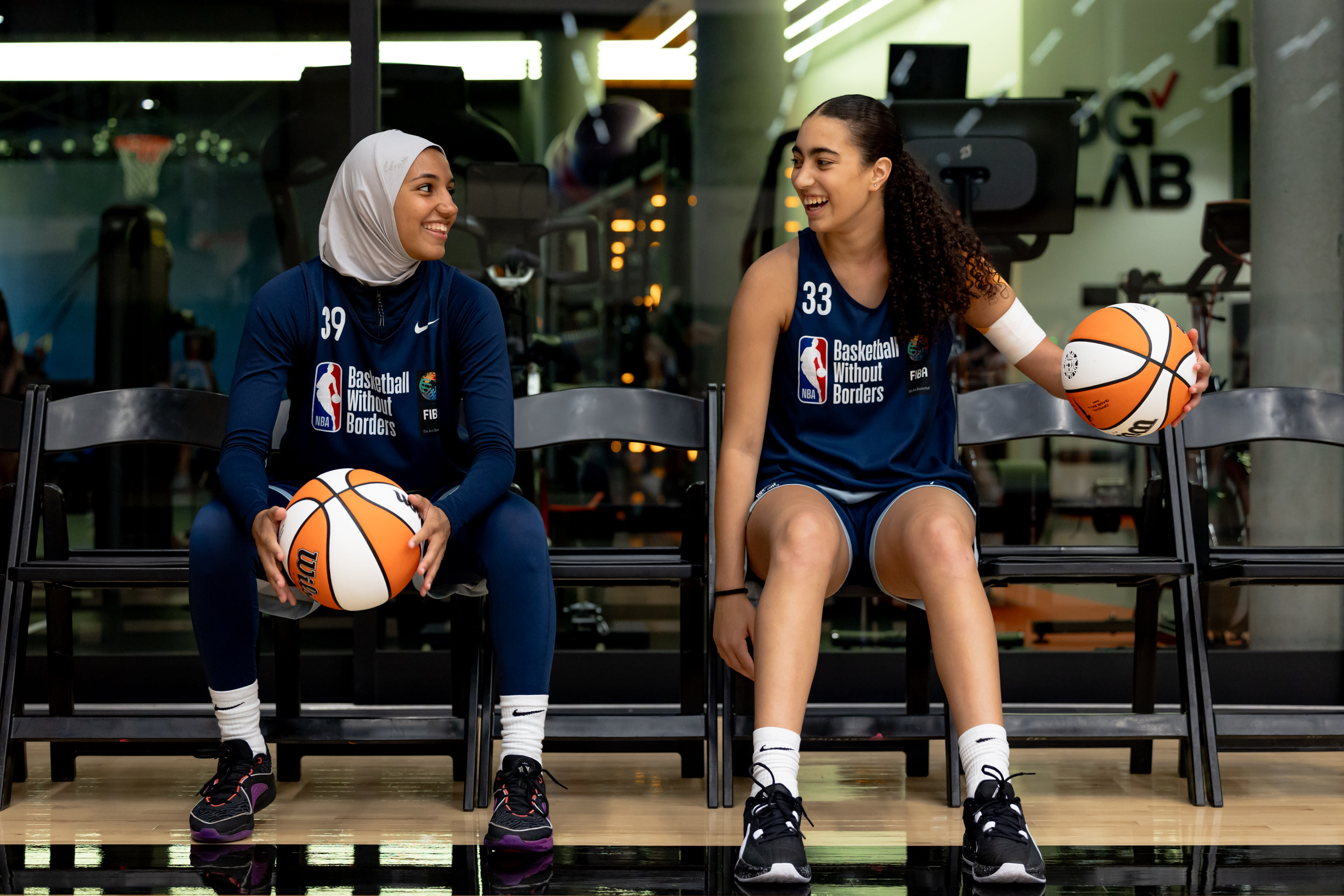


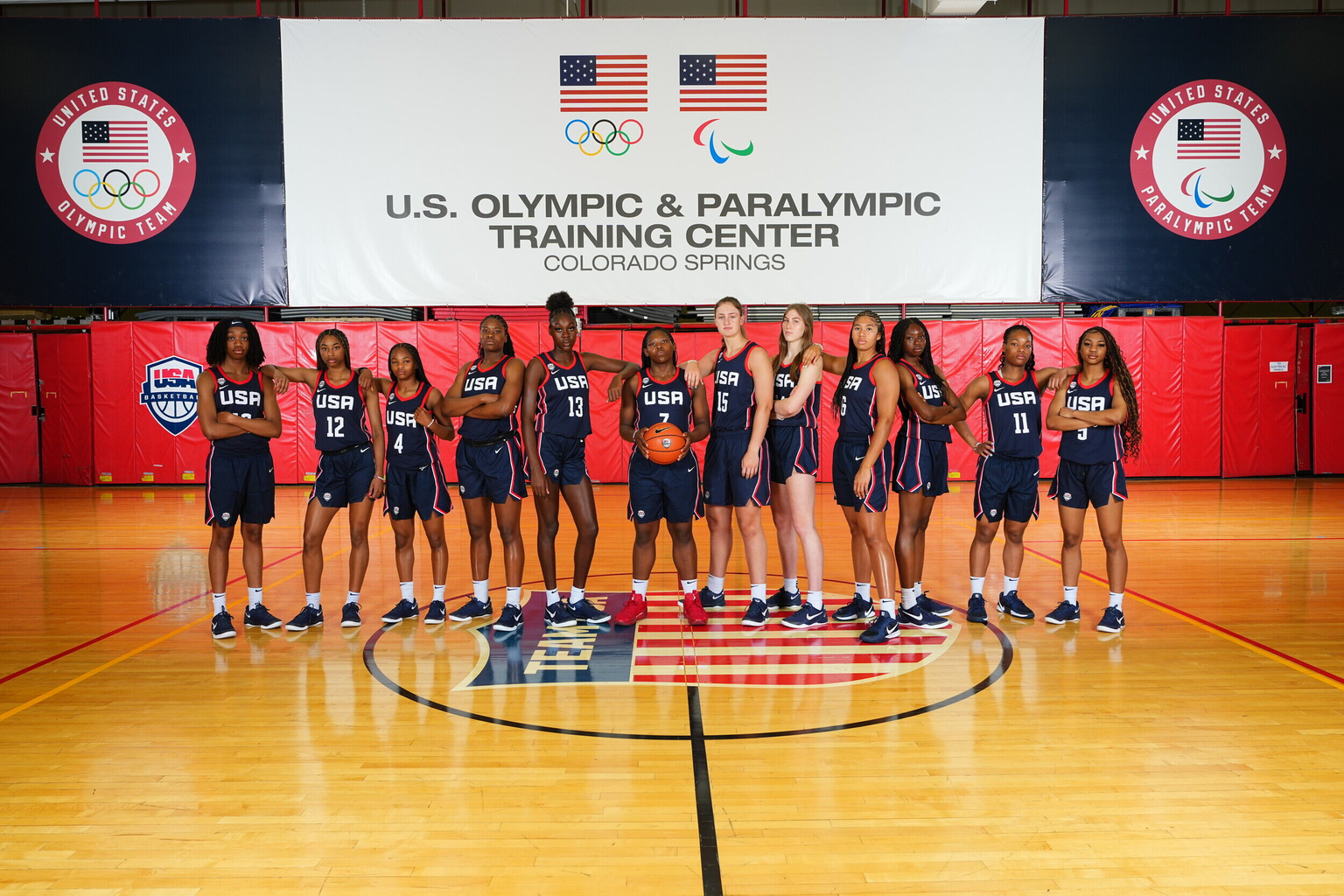
Over the past decade, the NCAA has become a magnet for international prospects—and the reasons are clear:
-
Advanced youth development systems abroad
-
FIBA-style fundamentals and tactical awareness
-
Earlier exposure to professional competition
-
Growing global investment in women’s basketball
These players often arrive with a maturity beyond their years, comfortable with physical play, spacing, and high-pressure moments. The result? A faster, smarter, and more competitive college game.
Kamilla Cardoso (Brazil) – Power Meets Precision

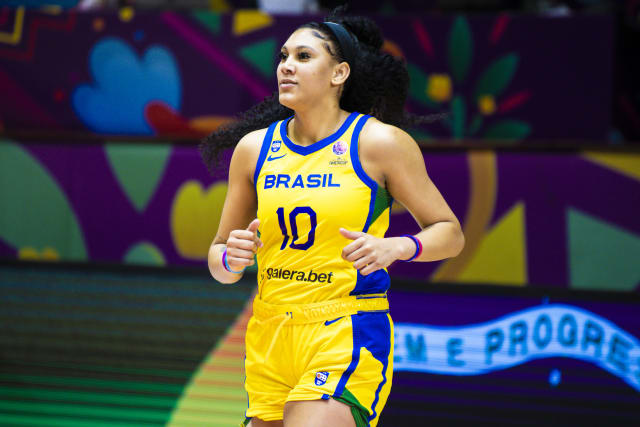
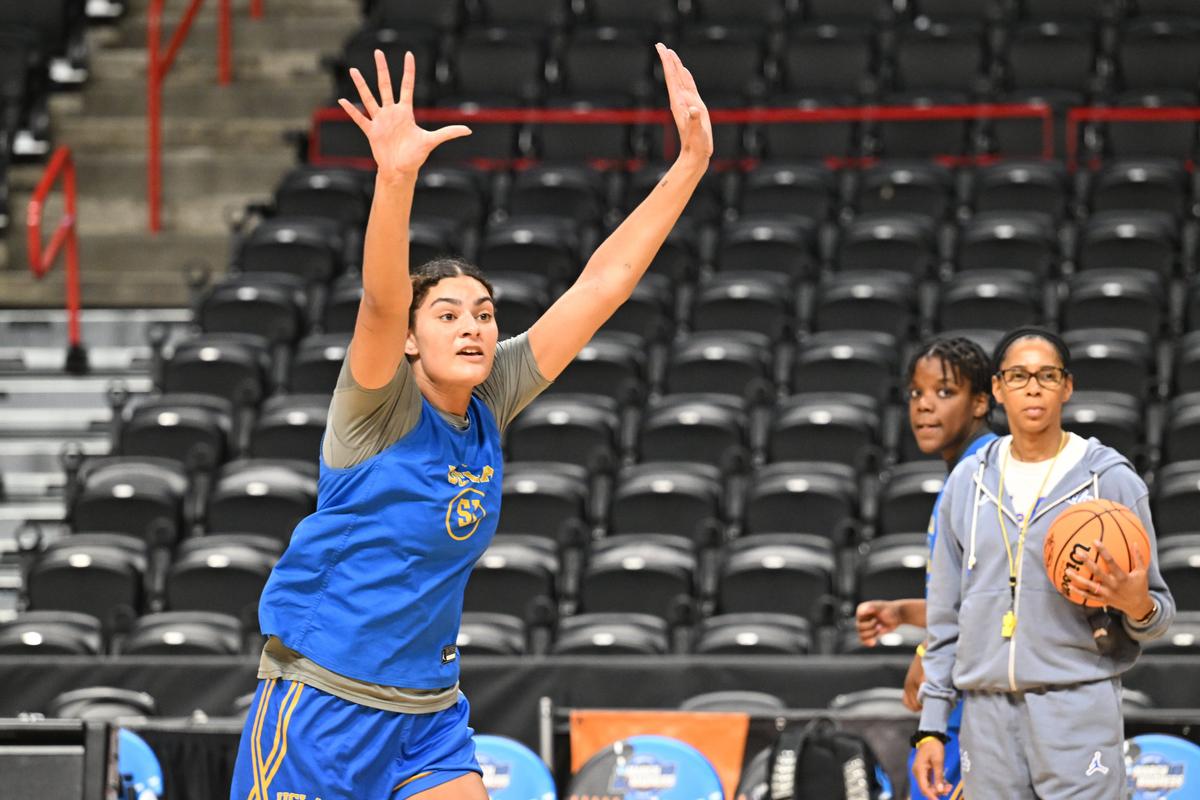

One of the most recognizable international forces in women’s college basketball, Kamilla Cardoso represents the new era of dominant global bigs.
Standing tall with elite rim protection and a refined offensive touch, Cardoso brings:
-
Professional-level physicality
-
Strong defensive instincts
-
Experience against elite international competition
Her presence in the paint changes game plans instantly, making her one of the most impactful international players in the NCAA.
The Rise of European Guards: Skill Over Flash

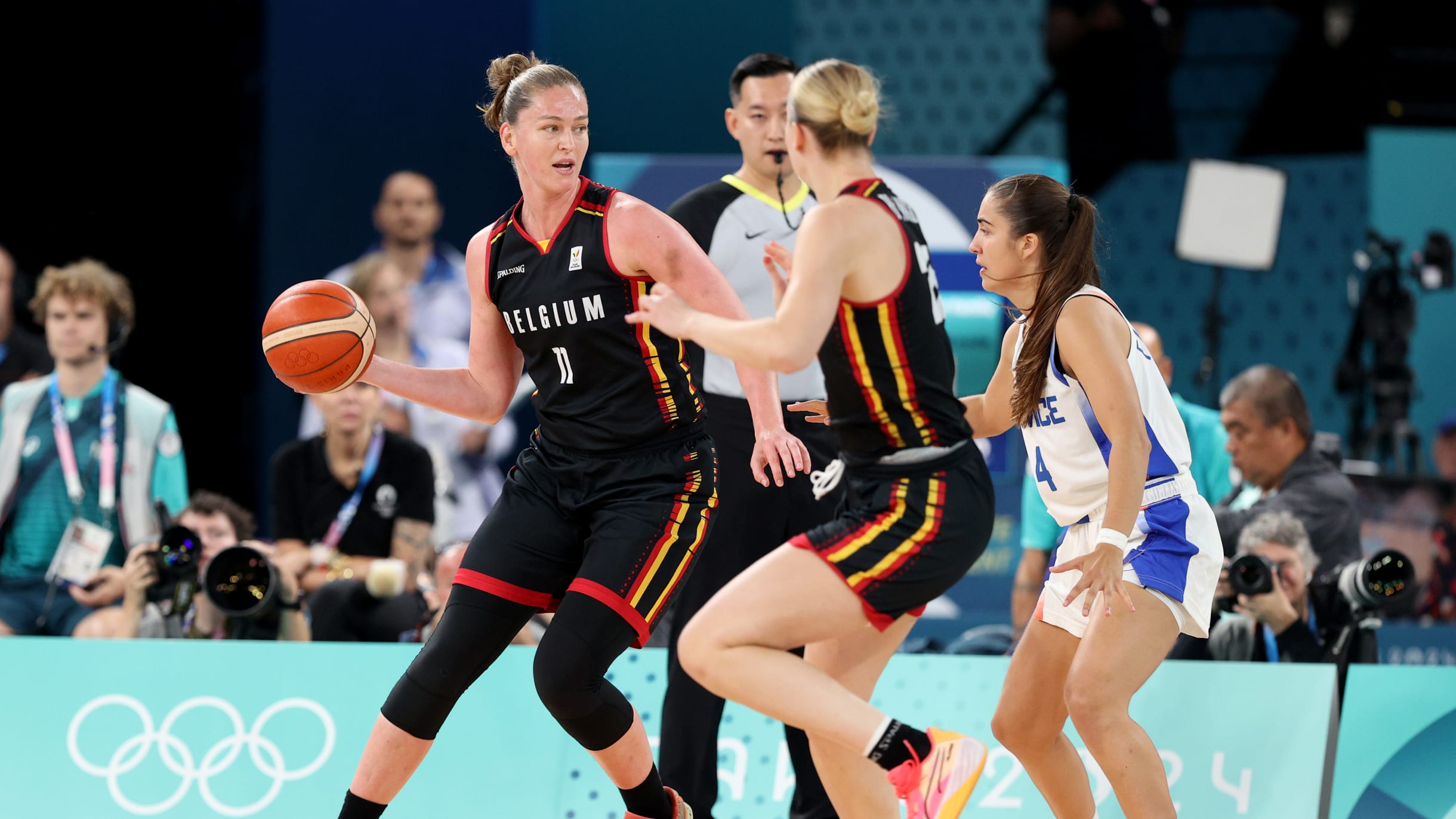

European guards have become some of the most reliable floor generals in college basketball.
What sets them apart:
-
Exceptional court vision
-
Comfort in half-court offenses
-
High basketball IQ
-
Composure under pressure
These players may not always dominate highlight reels, but they control tempo, limit turnovers, and elevate teammates—qualities coaches value deeply in March.
African-Born Bigs: Athleticism and Upside
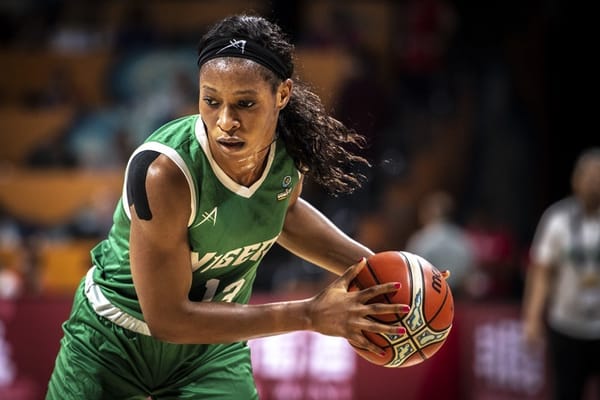


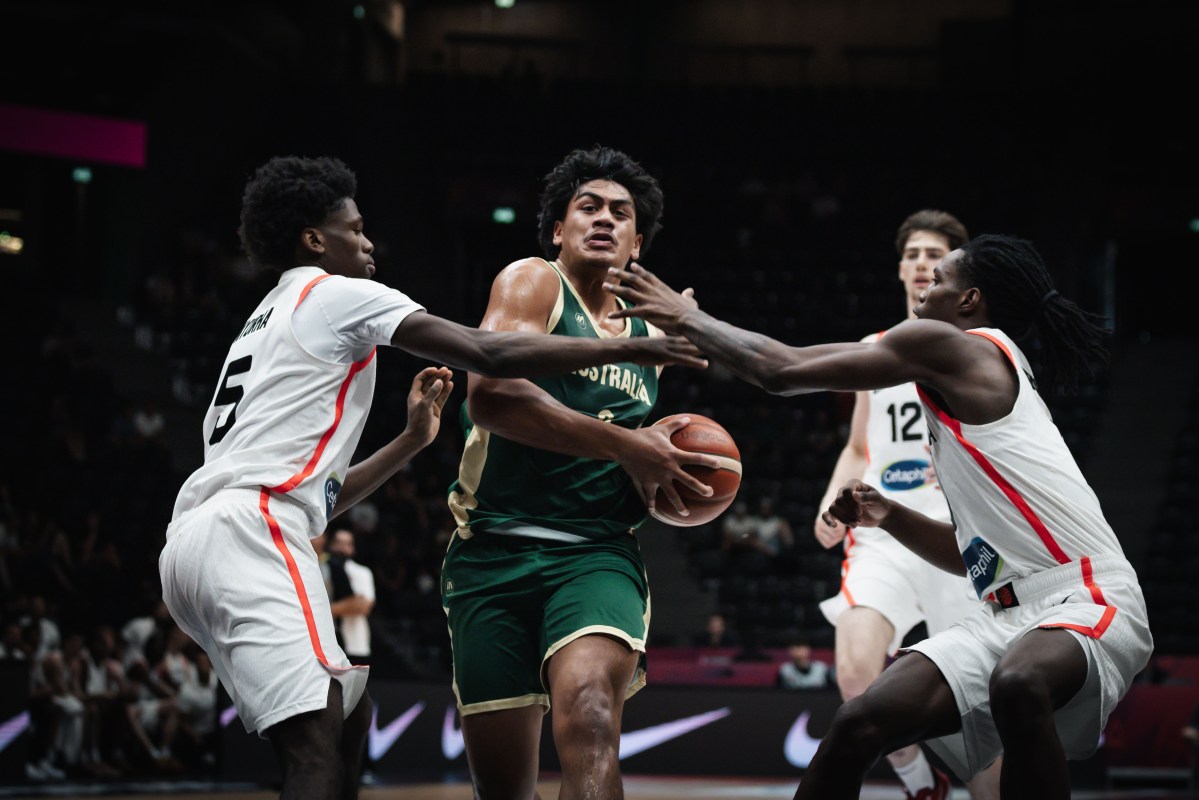
Athletes from African nations continue to bring rare combinations of size, agility, and defensive range to the college game.
Common traits include:
-
Explosive rebounding ability
-
Shot-blocking instincts
-
Rapid development curves
Many of these players arrive with limited exposure to U.S. systems but quickly adapt—often becoming breakout stars by midseason.
Australian and New Zealand Players: Toughness and Versatility


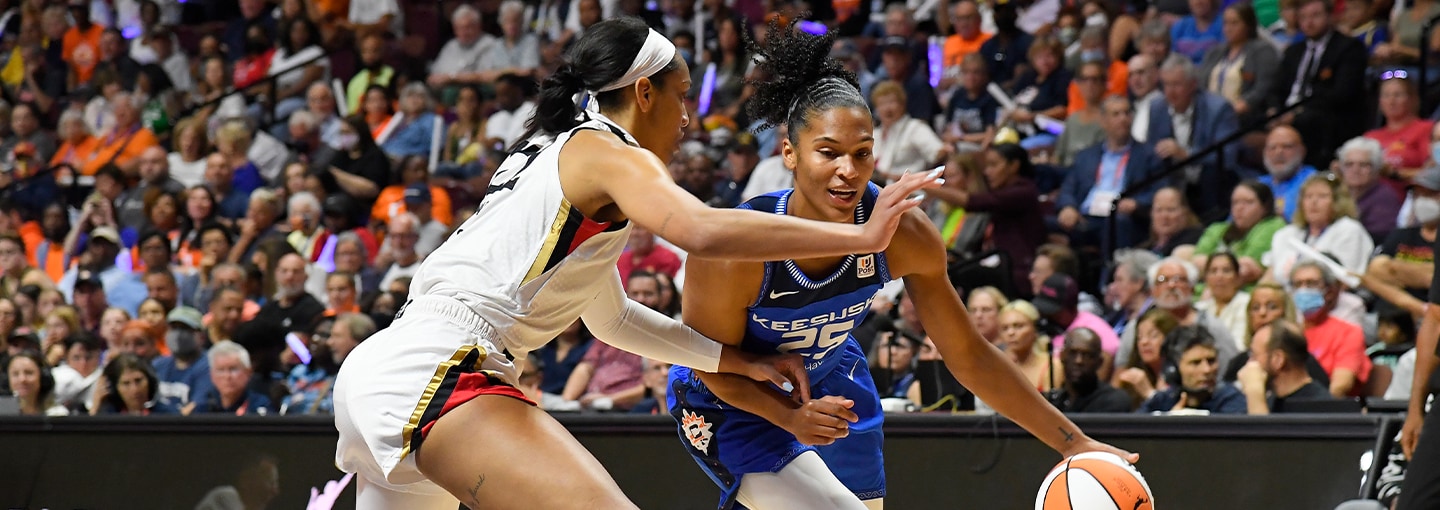

Players from Australia and New Zealand have earned a reputation for toughness, versatility, and fearlessness.
They often excel as:
-
Combo forwards
-
Defensive specialists
-
High-motor rebounders
Their experience in physical, senior-level competition back home translates seamlessly to the NCAA’s intensity.
International Freshmen to Watch Closely


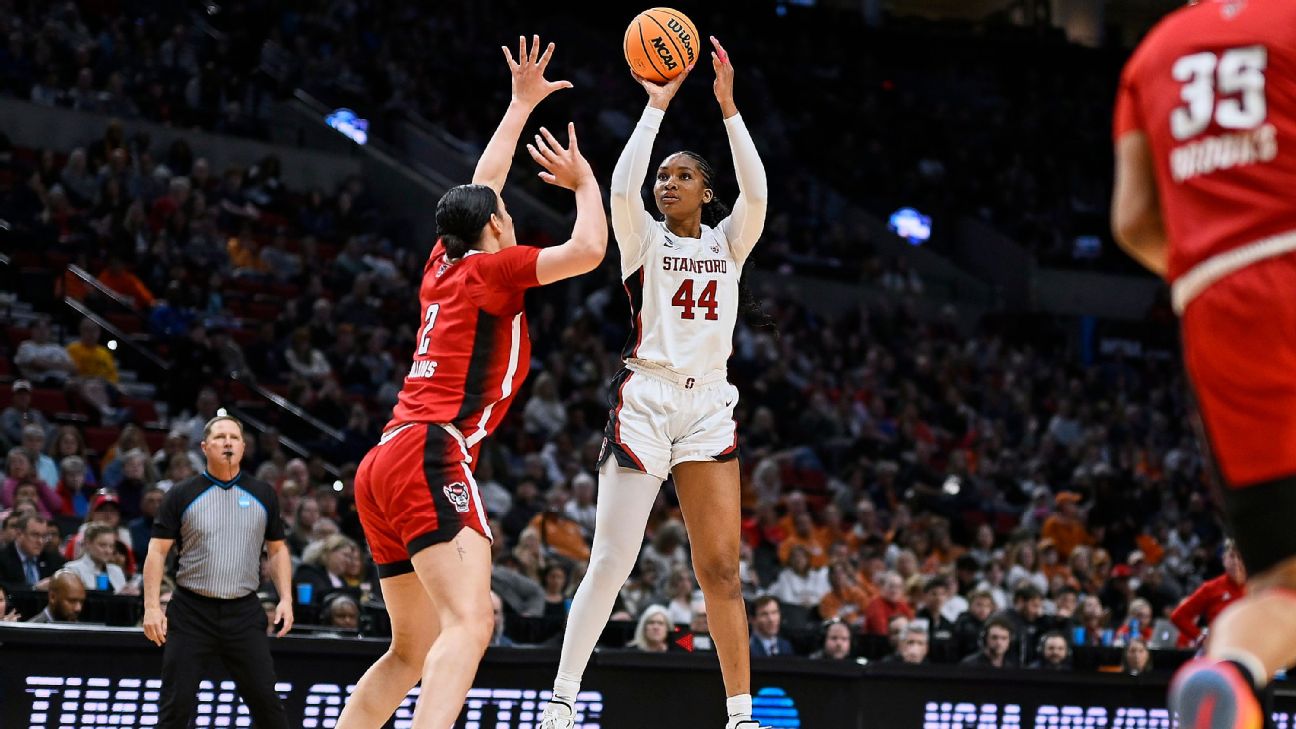

Each season introduces a new wave of international freshmen who arrive relatively under the radar—and quickly make noise.
What to watch for early:
-
Rapid adjustment to pace
-
Defensive impact before offensive confidence
-
Increased minutes as the season progresses
These players often peak late, becoming invaluable assets during conference play and postseason runs.
Why Coaches Are Prioritizing International Recruits


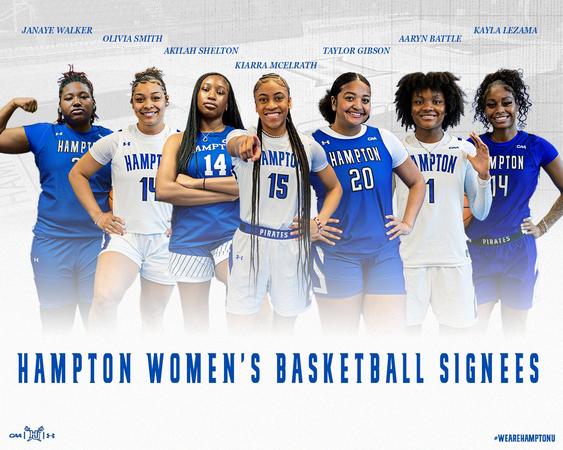
College coaches increasingly look overseas because international prospects often:
-
Understand team concepts earlier
-
Accept defined roles more readily
-
Bring unique matchup challenges
In an era where the transfer portal adds volatility, international recruits can offer stability and long-term development.
How International Stars Change Game Strategy
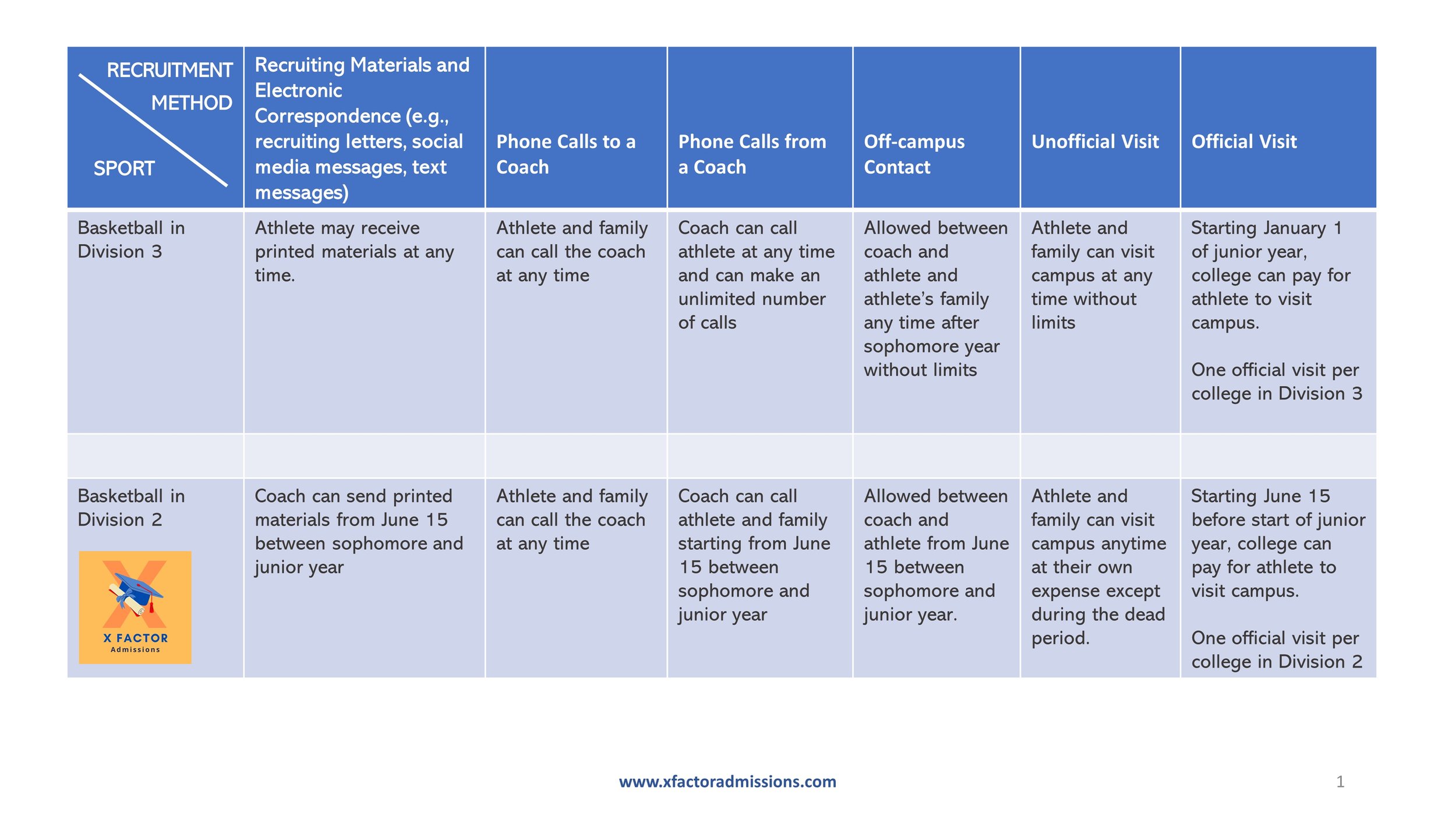


The influence of international players is also tactical.
Their presence encourages:
-
More ball movement
-
Better spacing
-
Increased use of the high post
-
Defensive schemes influenced by FIBA concepts
This stylistic evolution is helping women’s college basketball grow more sophisticated—and more entertaining.
The Path From NCAA to the Global Pro Game


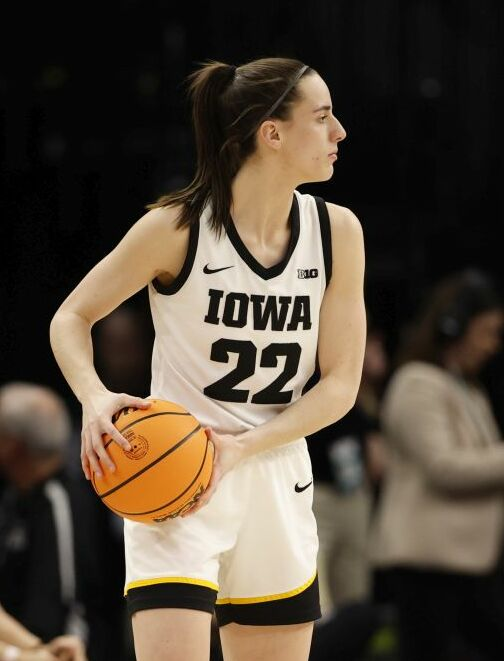
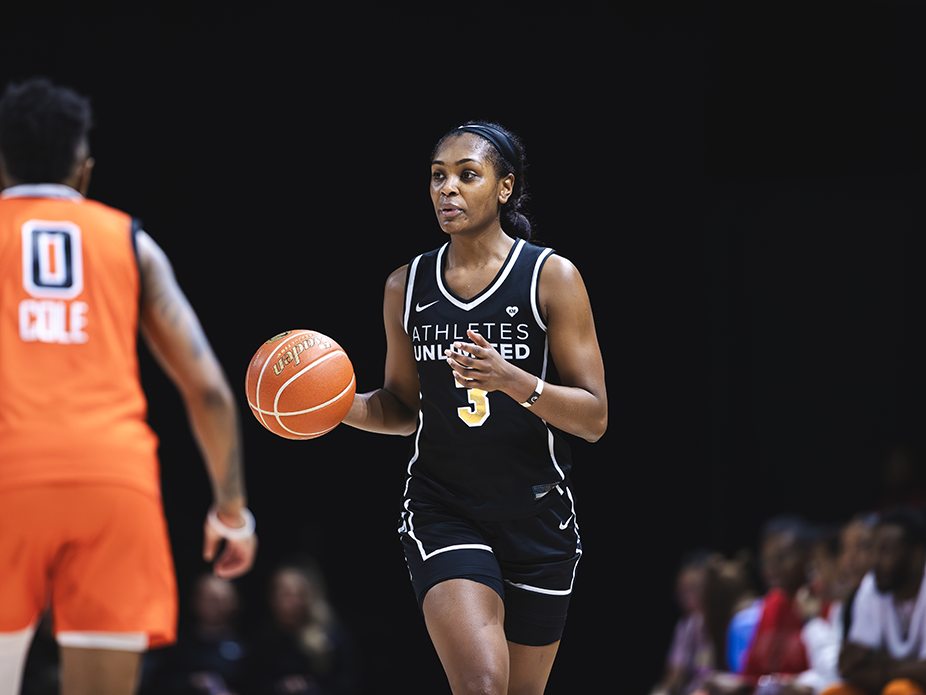
For many international athletes, the NCAA is not the destination—it’s the launchpad.
After college, they often:
-
Enter the WNBA Draft
-
Play professionally in Europe or Asia
-
Represent their national teams in major tournaments
The NCAA’s global pipeline now feeds directly into the world’s top professional leagues.
What Fans Should Watch This Season
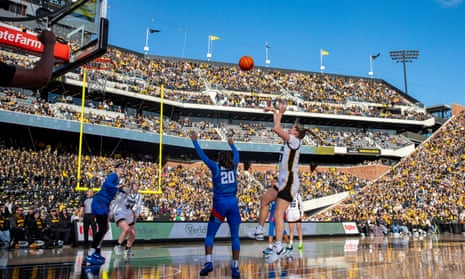


When watching women’s college basketball this season, pay attention to:
-
International matchups within games
-
How coaches deploy global talent late in close contests
-
The poise of international players in hostile road environments
These moments often reveal who is truly built for championship pressure.
Final Takeaway
Women’s college basketball is no longer just an American showcase—it’s a global proving ground.
International stars are raising the level of play, expanding tactical depth, and redefining what elite college basketball looks like. This season, many of the most impactful performances will come from players who learned the game far from U.S. gyms—but now command the biggest stages in the NCAA.
The future of women’s college basketball isn’t coming from one place.
It’s coming from everywhere.







