

 Vietnamese

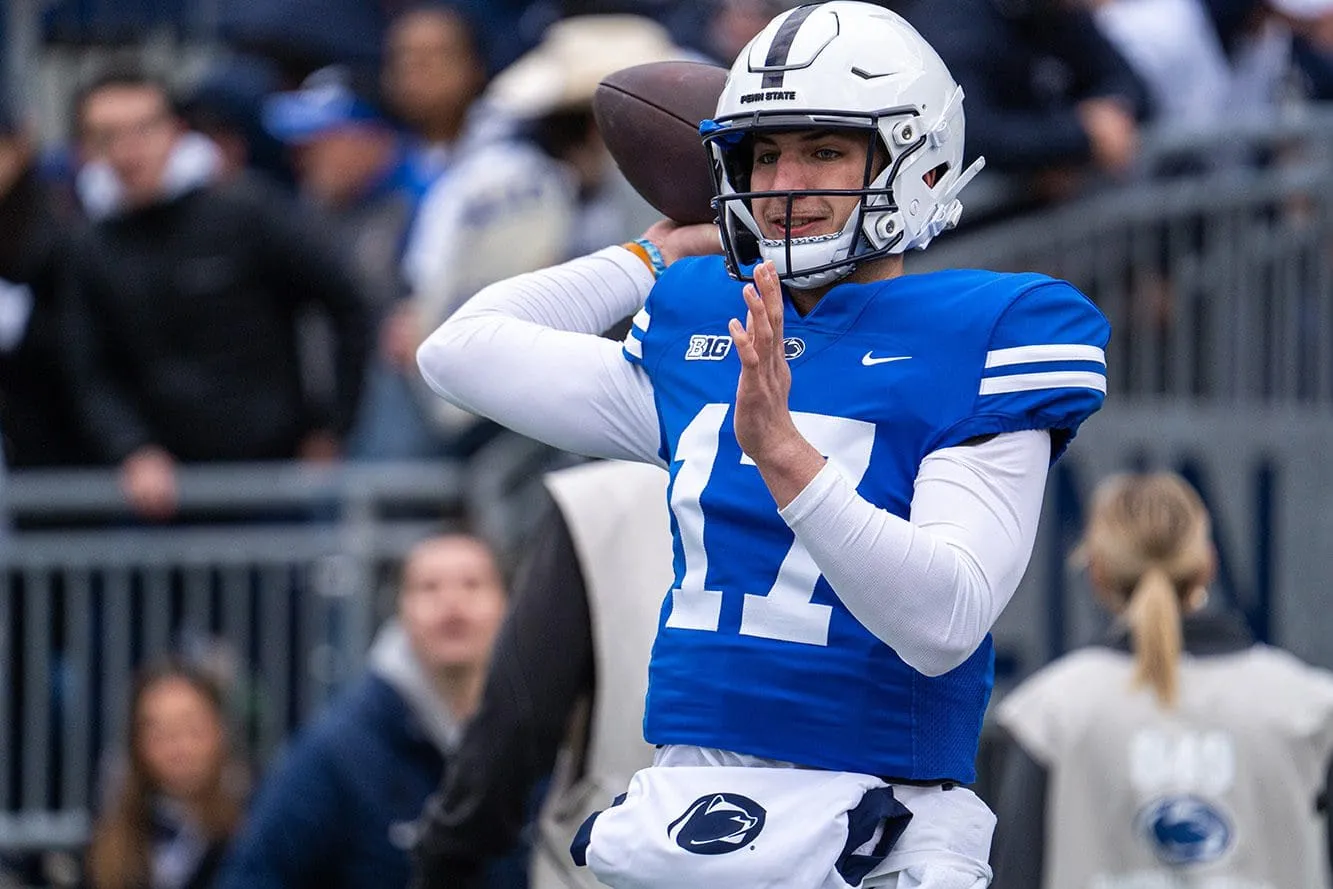
Penn State football is entering a defining period of transition, and amid coaching changes, roster uncertainty, and rising expectations, quarterback Ethan Grunkemeyer has emerged as a steady voice inside the program. As speculation grew around former Penn State star Trace McSorley’s involvement with the team and head coach Matt Campbell encountered early setbacks in reshaping his staff, Grunkemeyer stepped forward to clarify the situation and provide perspective from inside the locker room.
His comments offered a clearer picture of how the Nittany Lions are handling change at both the leadership and player levels, while also highlighting the challenges Campbell faces as he attempts to establish stability during his early days at Penn State.
A Program in Transition
The arrival of Matt Campbell marked a significant shift for Penn State football. Known for building disciplined, competitive teams, Campbell was brought in with the expectation that he could guide the program through its next era. However, the early phase of his tenure has been anything but smooth.
Several staffing adjustments happened faster than expected, forcing the program to adapt on the fly. Key assistants moved on or retired, disrupting the continuity Campbell hoped to bring from his previous coaching experiences. These changes have created uncertainty, particularly on the defensive side of the ball, where leadership and scheme continuity are crucial.
Despite the turbulence, players have largely responded with professionalism, and Grunkemeyer’s comments suggest that the locker room remains focused on development rather than distraction.
Trace McSorley’s Return and Its Impact
Trace McSorley’s presence around the program sparked immediate interest among fans and analysts alike. As one of the most accomplished quarterbacks in Penn State history, McSorley represents a bridge between the program’s recent success and its current rebuilding phase.
Grunkemeyer addressed the situation directly, emphasizing that McSorley has embraced his role as a mentor and assistant within the quarterback room. According to Grunkemeyer, McSorley’s approach has been hands on, supportive, and grounded in experience rather than authority.
He described McSorley as someone who understands the pressures of playing quarterback at Penn State and uses that understanding to help younger players navigate expectations, preparation, and game management.
Leadership Through Experience
McSorley’s value goes beyond his technical knowledge. His experience as a former starter, team leader, and professional athlete gives him credibility that resonates with players. Grunkemeyer highlighted how McSorley’s insight into reading defenses, handling adversity, and managing big game moments has already made a difference in practice and preparation.
Rather than creating tension or confusion, McSorley’s presence has added another layer of stability at a time when the team is adjusting to new leadership. Grunkemeyer made it clear that the quarterback room views McSorley as an asset, not a distraction.

Matt Campbell’s Early Setbacks
While McSorley’s involvement has been largely positive, Campbell has had to contend with several unexpected challenges. Departures within the coaching staff forced him to rework his original plan sooner than anticipated.
The loss of experienced defensive coaches created a gap not only in scheme continuity but also in player development. Campbell now faces the task of identifying replacements who can quickly integrate into the program while aligning with his overall vision.
These changes come at a time when the college football landscape is increasingly volatile, with transfer portal decisions, recruiting timelines, and NIL considerations adding pressure to every coaching move.
Financial and Structural Constraints
Another layer of complexity comes from financial realities. Like many major programs, Penn State must balance investment in coaching staff with other priorities such as facilities, stadium upgrades, and athlete resources.
Campbell’s contract, combined with ongoing infrastructure projects, limits flexibility when it comes to making high cost hires. This financial context explains why some staffing decisions have been conservative rather than aggressive.
Grunkemeyer acknowledged that players understand these challenges and recognize that building a successful program requires patience, even when expectations are high.

Grunkemeyer’s Emergence as a Leader
Grunkemeyer’s rise into the spotlight came after he stepped into a starting role during a critical stretch of the season. His performance not only stabilized the offense but also demonstrated his ability to lead under pressure.
Since then, questions about his future have naturally followed. Transfer portal speculation is common for quarterbacks in similar situations, but Grunkemeyer has taken a measured approach.
He stated that his focus remains on finishing the season strong and continuing to grow within the system. His comments suggest that while he is aware of his options, he is not rushing into decisions based on short term uncertainty.
Relationship With the New Coaching Staff
Grunkemeyer spoke positively about his early interactions with Campbell and the offensive staff. He noted that communication has been open and that expectations have been clearly defined.
This transparency has helped ease concerns about fit and direction. Grunkemeyer indicated that he appreciates Campbell’s emphasis on accountability and preparation, values that align with his own approach to the game.
Such alignment could play a significant role in Grunkemeyer’s long term decision making as he evaluates his future with the program.
The Quarterback Room Dynamic
The quarterback position is often the most scrutinized role on any football team, and Penn State is no exception. With multiple players at different stages of development, maintaining harmony and clarity is essential.
Grunkemeyer emphasized that the quarterback room has remained cohesive despite uncertainty. He credited McSorley and the coaching staff for fostering an environment where competition and support coexist.
This internal stability is particularly important as the offseason approaches and roster movement becomes more likely.
Navigating the Transfer Portal Era
The transfer portal has fundamentally changed college football, giving players more agency but also increasing roster volatility. For programs undergoing coaching changes, the portal can either accelerate progress or deepen instability.
Campbell has been clear that he values players who buy into the program’s culture. Grunkemeyer’s comments reflect an understanding that decisions will be made carefully, with long term fit prioritized over short term gains.
For Penn State, managing portal decisions effectively could determine how quickly the program regains national relevance.
Team Response to Change
Beyond individual players, the broader team response to Campbell’s leadership has been cautiously optimistic. Veteran players have noted his willingness to listen and his respect for the program’s history.
Rather than imposing change abruptly, Campbell has taken steps to understand existing dynamics before reshaping them. This approach has helped maintain trust during a period of uncertainty.
Grunkemeyer’s willingness to speak openly about these changes reflects a locker room that feels heard rather than marginalized.
Why Grunkemeyer’s Voice Matters
In times of transition, player leadership often becomes just as important as coaching direction. Grunkemeyer’s comments carry weight not only because of his position but also because of his timing.
By addressing questions about McSorley and Campbell directly, he helped control the narrative and reduce speculation. His calm, balanced tone contrasts with the noise that often surrounds high profile programs during change.
For fans and analysts, his perspective offers reassurance that the program remains united internally.
The Bigger Picture for Penn State
Penn State’s current situation mirrors challenges faced by many top tier programs navigating leadership change in a rapidly evolving sport. Expectations remain high, but the path forward requires adaptability and patience.
McSorley’s presence represents continuity. Campbell’s leadership represents transformation. Grunkemeyer stands at the intersection of those forces, embodying both the program’s present and its potential future.
How these elements come together will shape Penn State’s trajectory over the next several seasons.
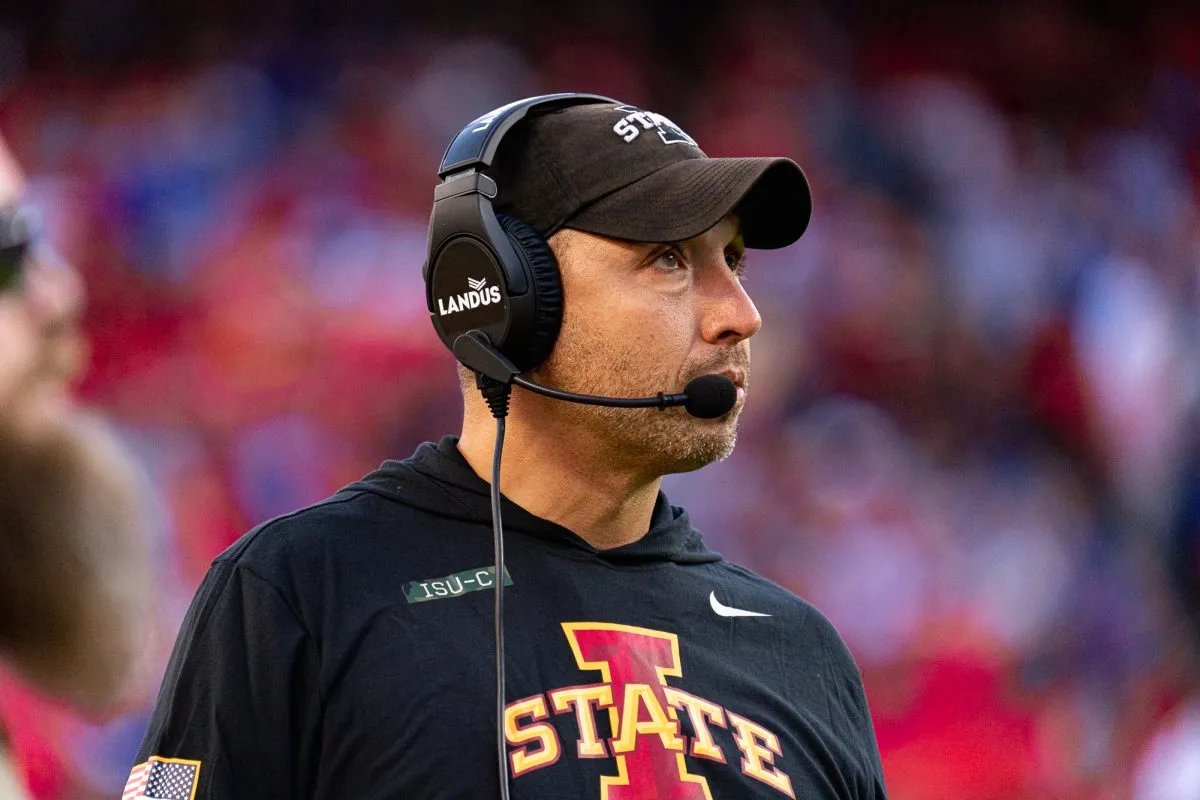
As bowl season concludes and the offseason begins, Penn State faces critical decisions regarding staffing, recruiting, and roster management. Campbell’s ability to stabilize his staff and define a clear identity will be tested quickly.
Grunkemeyer’s development and decision making will also remain a focal point. Whether he ultimately stays or explores other opportunities, his current leadership has already left a positive mark on the program.
For now, Penn State football remains a work in progress, balancing tradition with transition and experience with evolution.
Ethan Grunkemeyer’s clarity regarding Trace McSorley’s role and his thoughtful assessment of Matt Campbell’s early challenges provide a valuable snapshot of Penn State football at a crossroads.
Rather than signaling chaos, his comments suggest a program working through change with intention and resilience. With experienced voices guiding younger players and a new coaching staff laying the groundwork for the future, Penn State’s next chapter is still being written.
The coming months will determine whether early obstacles become defining setbacks or necessary steps toward long term success.







