

 Vietnamese
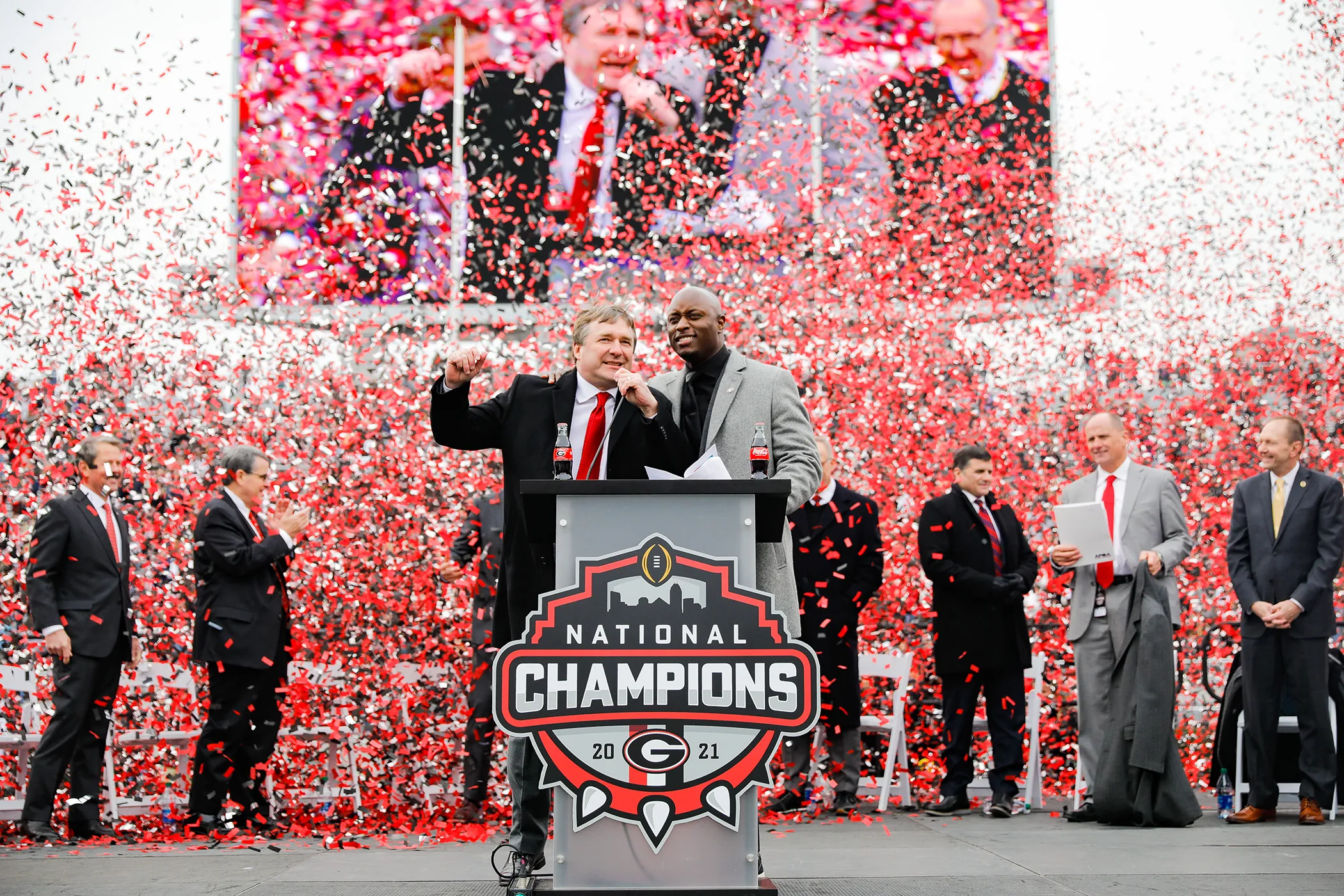
When a college football powerhouse like Georgia is left out of a Top 10 all-time programs list, the reaction is immediate—and explosive. That’s exactly what happened when national analyst Colin Cowherd released his ranking and excluded the Georgia Bulldogs, despite their dominant recent run under head coach Kirby Smart.
For a program that has won national championships, dominated the SEC, and consistently sent players to the NFL, the omission raised eyebrows across the college football world. Was this a bold, data-driven take—or an intentional provocation designed to spark debate?
Let’s unpack the controversy, examine Cowherd’s reasoning, and explore what this snub really says about Georgia’s place in college football history.
The List That Lit the Fuse
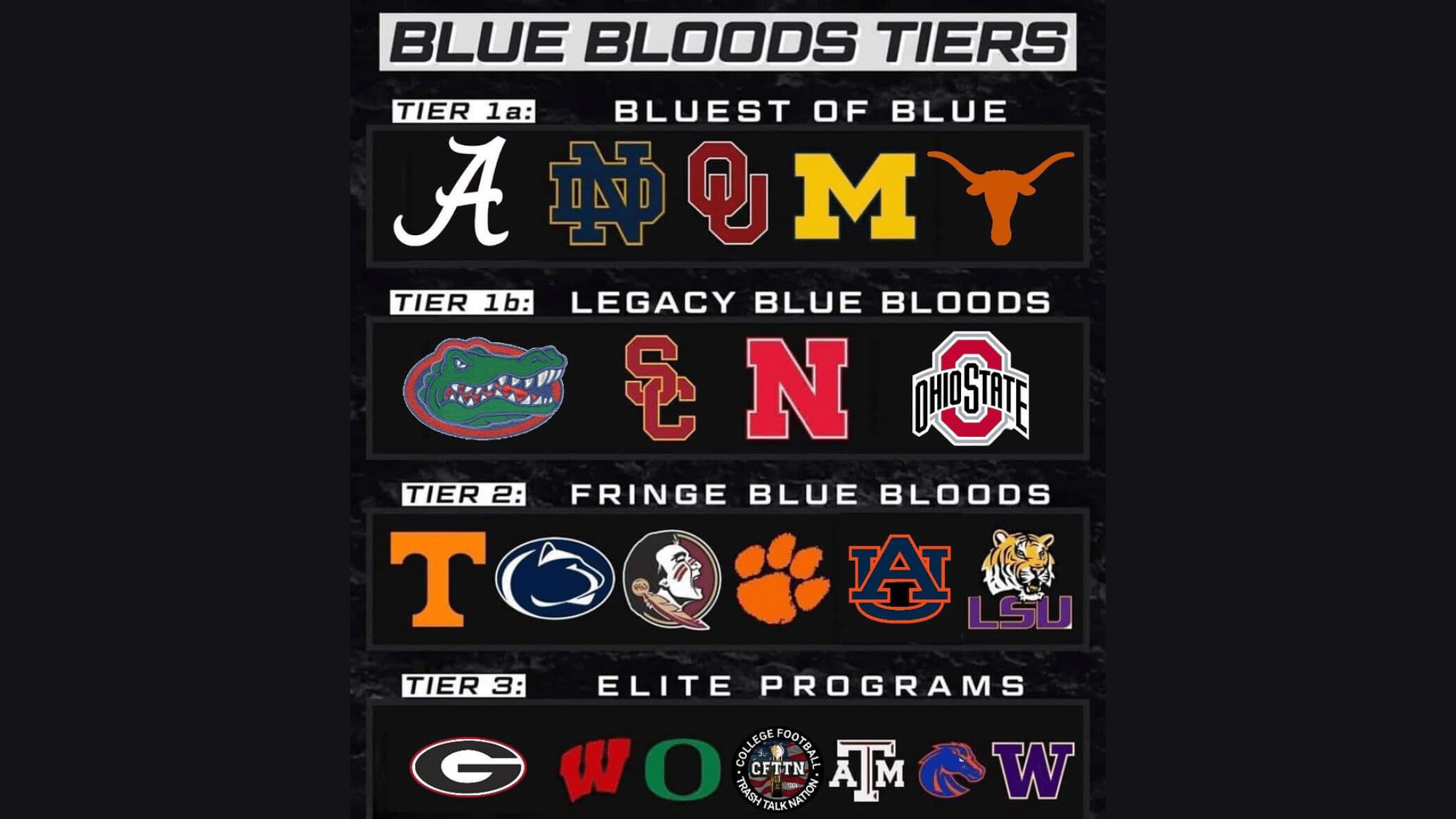
Cowherd’s list aimed to rank the top 10 college football programs of all time, weighing historical dominance, championships, cultural impact, and sustained excellence. Programs like Alabama, Ohio State, Notre Dame, and USC were unsurprising inclusions.
Georgia, however, was nowhere to be found.
For Bulldogs fans, this felt less like analysis and more like disrespect.
Georgia’s Modern Dominance Under Kirby Smart

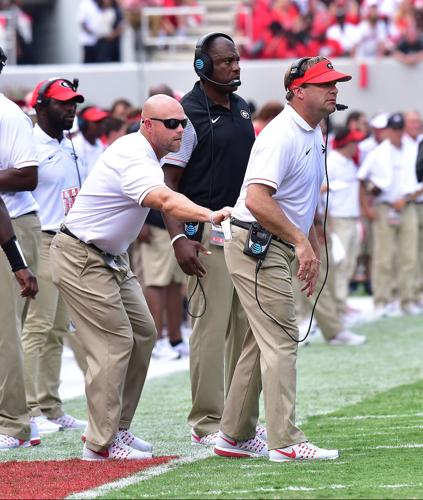

Since taking over in 2016, Kirby Smart has transformed Georgia into one of the most feared and consistent programs in the nation. Under his leadership, Georgia has:
-
Won multiple national championships
-
Reached the College Football Playoff several times
-
Dominated recruiting rankings
-
Produced elite NFL talent at an unprecedented rate
Few programs have matched Georgia’s week-to-week dominance, particularly on defense. For many fans and analysts, Georgia’s recent run rivals the best stretches in college football history.
So why the snub?
Cowherd’s Argument: History Over Recency
Colin Cowherd’s rankings lean heavily on decades-long dominance, not just modern success. His perspective suggests that while Georgia is currently elite, it lacks the multi-generational consistency of programs like:
-
Alabama (multiple dynasties)
-
Ohio State (near-constant relevance since the 1940s)
-
Notre Dame (iconic national brand)
-
Oklahoma (historic conference dominance)
Cowherd has often argued that greatness isn’t defined by a great decade—but by relevance across generations.
In his view, Georgia’s recent dominance, while impressive, hasn’t yet translated into century-spanning prestige.
Is Georgia Being Held to an Impossible Standard?
That logic has sparked fierce pushback.
The Changing College Football Landscape
College football today looks nothing like it did in the 1970s or 1990s. With:
-
Scholarship limits
-
Transfer portals
-
NIL deals
-
Expanded playoffs
Sustained dominance is arguably harder now than ever before.
Critics argue that Georgia should be judged within the modern era, not penalized for not being elite in decades when the sport operated under entirely different rules.
Comparing Georgia to the “Untouchables”


Let’s compare Georgia to programs that did make the list:
| Program | Championships | Era-Spanning Dominance | Modern Success |
|---|---|---|---|
| Alabama | Numerous | Yes | Yes |
| Ohio State | Numerous | Yes | Yes |
| Georgia | Fewer historically | Emerging | Elite |
Georgia may not match Alabama’s century-long dominance, but its current peak rivals or surpasses many programs historically labeled as “blue bloods.”
Kirby Smart’s Recruiting Machine
One factor Cowherd’s list doesn’t fully account for is recruiting dominance.
Under Kirby Smart, Georgia has become:
-
A consistent Top 3 recruiting program
-
A pipeline for elite defensive talent
-
A destination for five-star prospects
This isn’t a flash-in-the-pan success—it’s a sustainable system.
Recruiting rankings don’t lie, and Georgia’s talent base suggests this dominance isn’t ending anytime soon.
The SEC Factor: Georgia’s Toughest Argument
Another point often overlooked is Georgia’s environment.
Competing in the SEC means facing:
-
Alabama
-
LSU
-
Auburn
-
Florida
-
Texas (soon)
Dominating the SEC carries a different weight than success in weaker conferences. Georgia hasn’t just survived the SEC—it has controlled it.
What Georgia Fans Are Saying


Social media reactions ranged from disbelief to defiance:
“If winning national titles in the toughest conference isn’t enough, what is?”
Others welcomed the disrespect:
“Keep doubting us. Kirby thrives on it.”
If history is any guide, perceived slights often fuel Georgia’s best seasons.
Could This Snub Actually Help Georgia?
Kirby Smart is known for leveraging external doubt as internal motivation. Whether intentional or not, Cowherd’s ranking provides:
-
Bulletin-board material
-
A rallying point for players
-
Reinforcement of the “us vs. the world” mindset
Georgia has often played its best football when doubted.
The Bigger Question: What Defines a Top 10 Program?
This controversy ultimately exposes a deeper issue:
How should college football greatness be measured?
Is it:
-
Total championships?
-
Longevity?
-
Cultural impact?
-
Modern dominance?
-
Difficulty of competition?
Different analysts weigh these factors differently—and that’s why lists like Cowherd’s spark endless debate.
Georgia’s Place in the All-Time Conversation
Even critics concede one thing: Georgia is not done.
If Kirby Smart continues at this pace for another decade:
-
More championships will follow
-
Historical gaps will close
-
The “blue blood” label will become unavoidable
Georgia may not have the longest résumé yet—but it’s writing one of the strongest chapters in college football history right now.
Final Verdict: Snub or Snapshot?
Colin Cowherd’s list reflects a historical snapshot, not a prediction of future dominance. Georgia’s exclusion says more about how greatness is defined than about the Bulldogs themselves.
If anything, the snub highlights how far Georgia has come—and how close it is to undeniable, all-time status.
And knowing Kirby Smart, the response won’t come through words or rankings—but through wins.
Because in college football, the scoreboard always seeps into history.







