

 Vietnamese
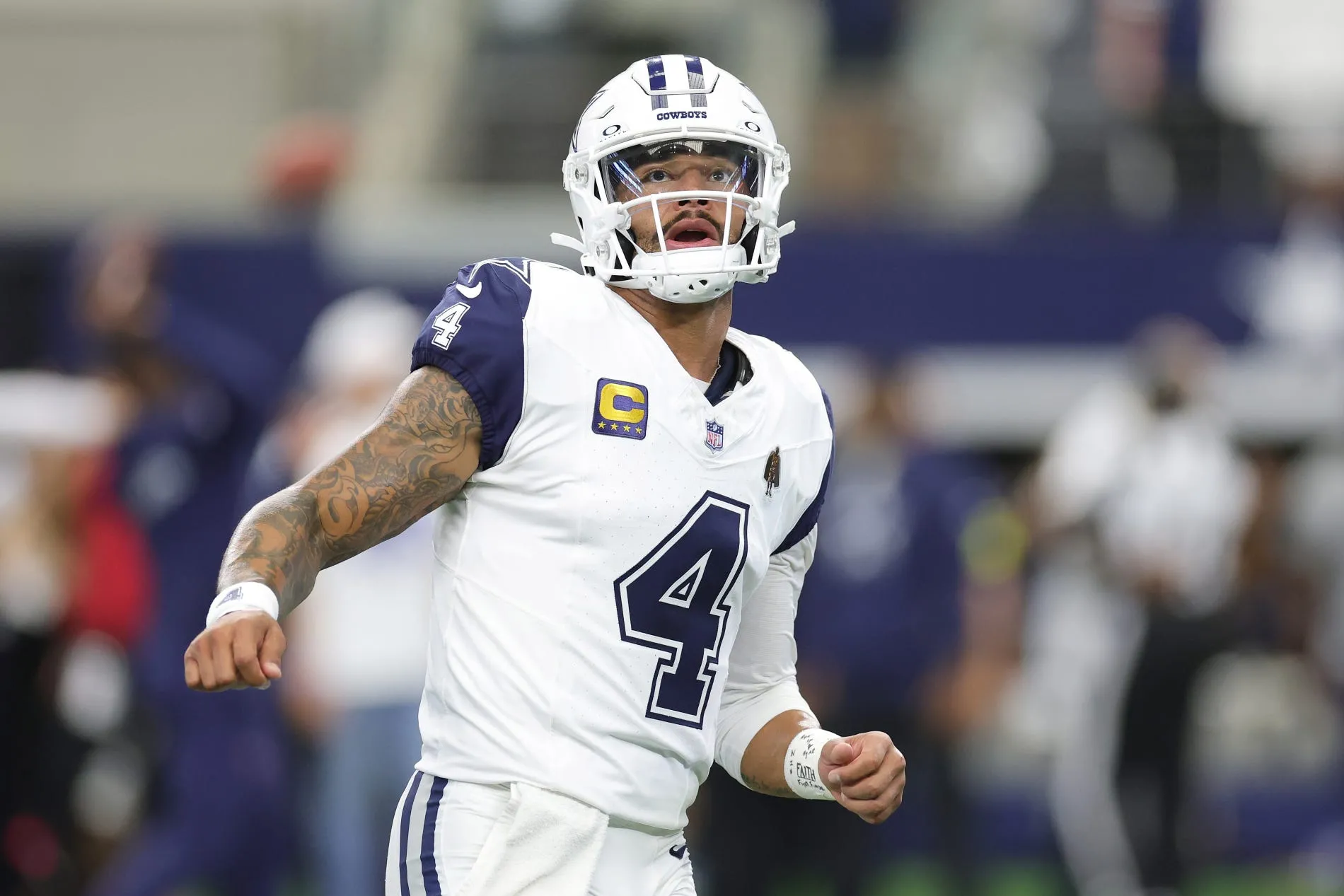
As the NFL regular season approaches its decisive stretch, the Dallas Cowboys once again find themselves walking a familiar tightrope. High expectations, national attention and postseason urgency have converged into a moment that defines franchises and careers alike. At the center of it all stands Dak Prescott, the face of the Cowboys, who has chosen composure and accountability over panic as the pressure intensifies.
For Dallas, the margin for error has evaporated. A season that once promised dominance has evolved into a relentless week by week survival test. The Cowboys now face a scenario where winning out may be their only realistic path to January football. While fans debate coaching decisions and analysts scrutinize every play call, Prescott has remained publicly steady, addressing the playoff pressure head on without deflection.
A Season at a Crossroads
The Cowboys entered the season with Super Bowl aspirations. A talented roster, a veteran quarterback and a defense capable of taking over games fueled optimism across the league. Early wins reinforced that belief. However, as the weeks passed, inconsistency crept in. Close losses replaced comfortable victories, and execution in critical moments became an issue.
A particularly costly defeat against Detroit altered the trajectory of Dallas’ playoff chances. What made the loss sting was not just the final score, but the missed opportunities and questionable decisions that accompanied it. The defeat snapped momentum and exposed lingering concerns about late game management.
From that point forward, the Cowboys no longer controlled their destiny. Their playoff hopes became tied to both their own performance and the outcomes of rival teams. For a franchise accustomed to being in the spotlight, this shift intensified scrutiny at every level of the organization.
Dak Prescott Addresses the Pressure
When asked about the mounting playoff pressure, Prescott offered a response that reflected maturity rather than anxiety. He rejected the idea that the situation felt overwhelming, instead framing it as a reality shaped by the team’s earlier performance.
According to Prescott, the pressure is not something external being imposed on the Cowboys. It is the natural consequence of games already played. He emphasized that the solution is simple, even if execution is not. Win every remaining game and let the rest take care of itself.
This mindset has long defined Prescott’s leadership style. He rarely dramatizes circumstances or shifts blame. Instead, he focuses on preparation, consistency and accountability. In doing so, he sends a message to the locker room that panic has no place in the final stretch of the season.
Leadership Beyond the Stat Sheet
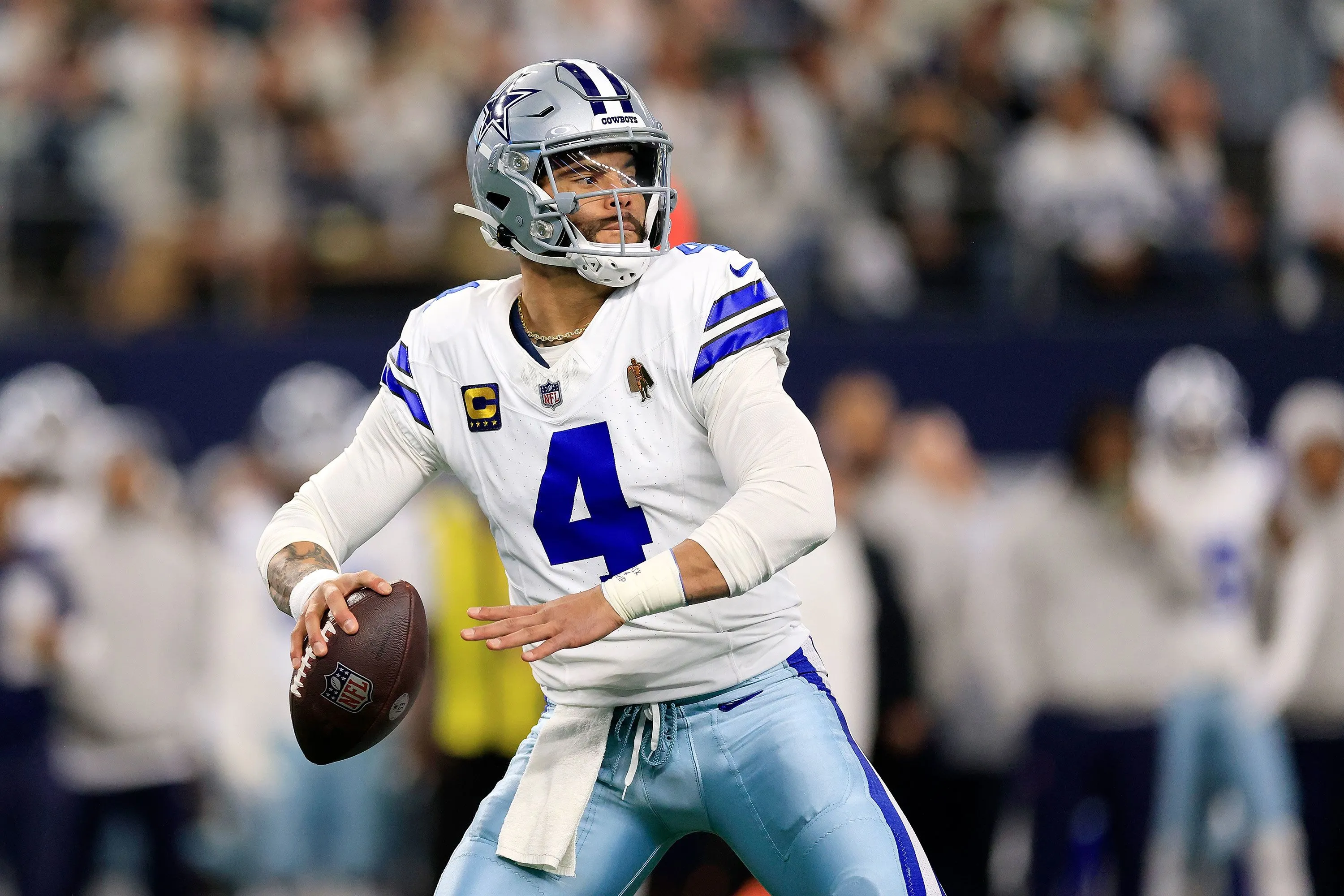
Statistically, Prescott has delivered one of the strongest seasons of his career. His command of the offense, accuracy under pressure and ability to read defenses have placed him among the league’s elite quarterbacks. Yet his value to the Cowboys extends beyond numbers.
Prescott’s presence stabilizes a team navigating uncertainty. When external noise grows louder, his calm approach helps keep players grounded. Teammates frequently point to his preparation habits and communication as examples of how to handle adversity.
In moments when the playoff picture becomes complicated and narratives turn negative, Prescott acts as a buffer between the team and distraction. His refusal to dwell on hypotheticals reinforces a culture focused on immediate execution rather than long term fear.
The Tight NFC East Landscape
The NFC East has been anything but predictable this season. Division rivals have traded wins and losses, creating a standings picture that remains fluid deep into December. For the Cowboys, this volatility represents both opportunity and frustration.
While Dallas no longer holds a commanding lead, the door to a division title remains slightly open. However, walking through that door requires near perfection. Every game from this point forward carries playoff implications, and there is little room for mistakes.
Prescott has acknowledged the complexity of the situation without letting it dominate his thinking. His message remains consistent. Control what can be controlled. Prepare for the next opponent. Execute on Sunday.
This approach allows the Cowboys to simplify an otherwise chaotic scenario. By narrowing focus to each individual game, Dallas avoids being consumed by scoreboard watching and speculation.
Coaching Decisions Under the Microscope
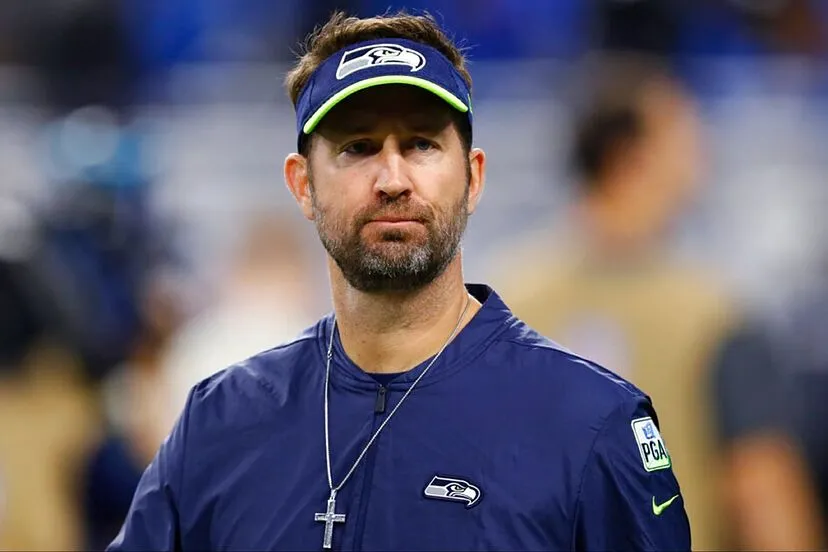
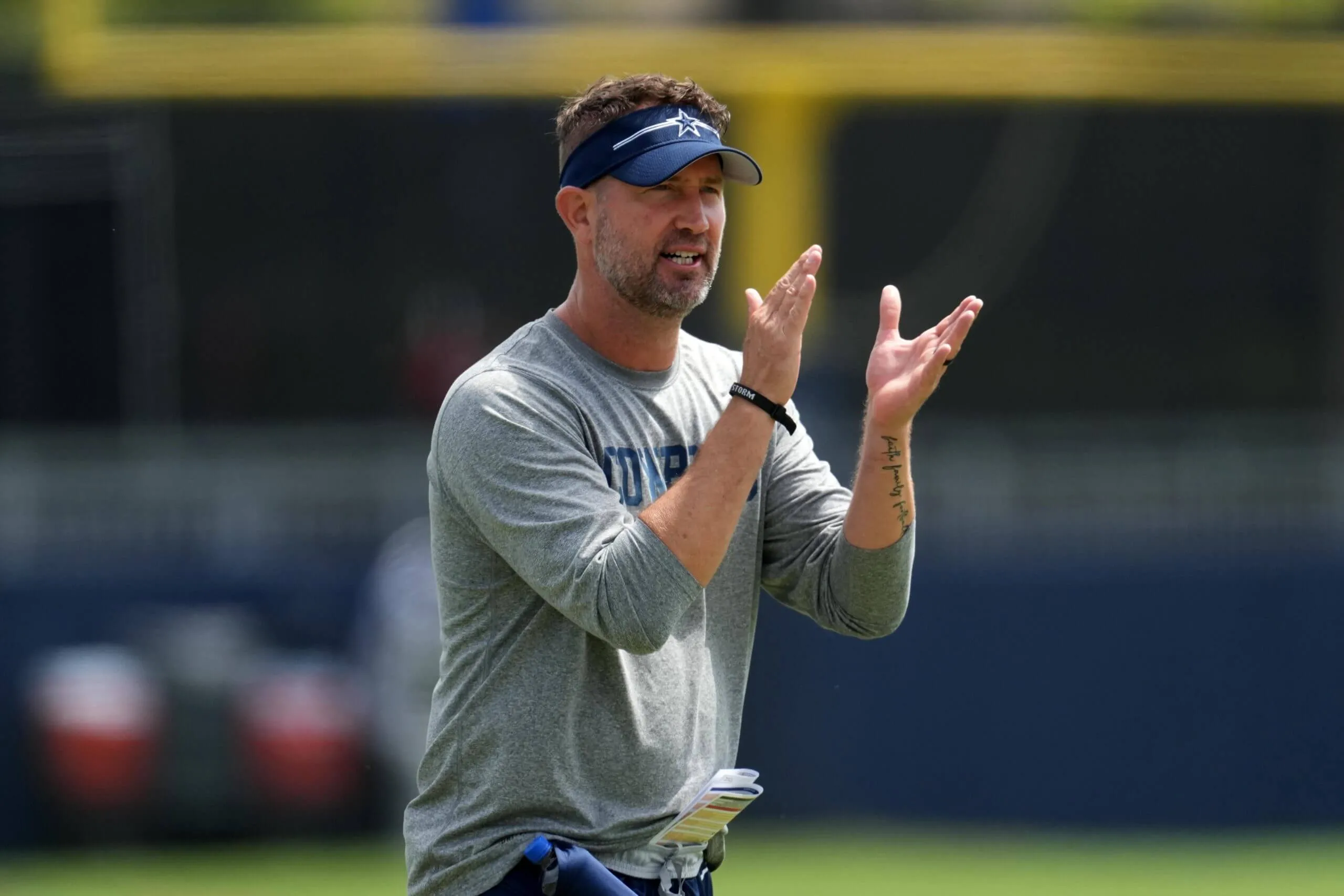
As pressure intensifies, attention has increasingly shifted toward head coach Brian Schottenheimer and his decision making. Several late game situations have sparked debate among fans and analysts alike.
One particular moment against Detroit drew widespread criticism. Despite having a reliable kicker capable of extending the game, Dallas opted against attempting another field goal late in the contest. The decision fueled questions about game management and risk assessment.
While coaching decisions are often judged harshly in hindsight, repeated instances have created a narrative of uncertainty. Some within the Cowboys community believe that overly conservative or inconsistent strategies have contributed to narrow losses.
These concerns do not necessarily imply a lack of belief in Schottenheimer’s football knowledge, but they do raise questions about trust during critical moments. In playoff races, confidence in leadership becomes as important as talent on the roster.
Balancing Trust and Accountability
Prescott has been careful not to publicly criticize coaching decisions. As a leader, he understands the importance of unity, especially late in the season. His comments remain focused on execution and shared responsibility.
At the same time, the quarterback’s comments suggest an awareness of the stakes. He acknowledges that everyone within the organization, players and coaches alike, must be at their best. No single group operates in isolation.
This balance between loyalty and accountability is delicate. Prescott’s approach reflects an understanding that internal conversations matter more than public commentary. By maintaining professionalism, he helps preserve stability even when external criticism escalates.
Mental Toughness in High Stakes Football
Playoff races test more than physical ability. They challenge mental resilience. For Prescott, the ability to compartmentalize pressure has been essential throughout his career.
Rather than viewing must win games as burdens, he treats them as opportunities. Each contest becomes a chance to prove growth, both individually and collectively. This reframing allows pressure to fuel performance rather than hinder it.
Such mental discipline does not develop overnight. It is built through years of navigating expectations, injuries and criticism. Prescott’s journey has included all three, shaping a quarterback who understands that adversity is inevitable in professional football.
The Cowboys’ Path Forward
Looking ahead, the Cowboys’ remaining schedule offers no easy reprieve. Each opponent brings its own challenges, and every mistake could be magnified.
Success will require alignment across all phases of the game. Offense must sustain drives. Defense must continue generating turnovers and limiting explosive plays. Special teams must deliver when opportunities arise.
Above all, decision making will be crucial. In close games, strategic choices can determine outcomes. Whether the coaching staff adapts and whether players execute under pressure will define Dallas’ fate.
Prescott’s role in this process remains central. His ability to lead, communicate and perform will influence not only results, but also the confidence of the entire roster.
A Familiar Narrative, A New Response
The Cowboys are no strangers to late season drama. Year after year, expectations collide with reality, creating narratives of unfulfilled potential. Yet this season feels different in subtle ways.
Prescott’s evolution as a leader has reshaped how the team responds to adversity. There is less visible frustration and more emphasis on preparation. While results ultimately determine success, the internal response to pressure has matured.
This does not guarantee a playoff berth. Football remains unpredictable. However, it does suggest that Dallas is approaching the challenge with greater emotional discipline than in previous years.
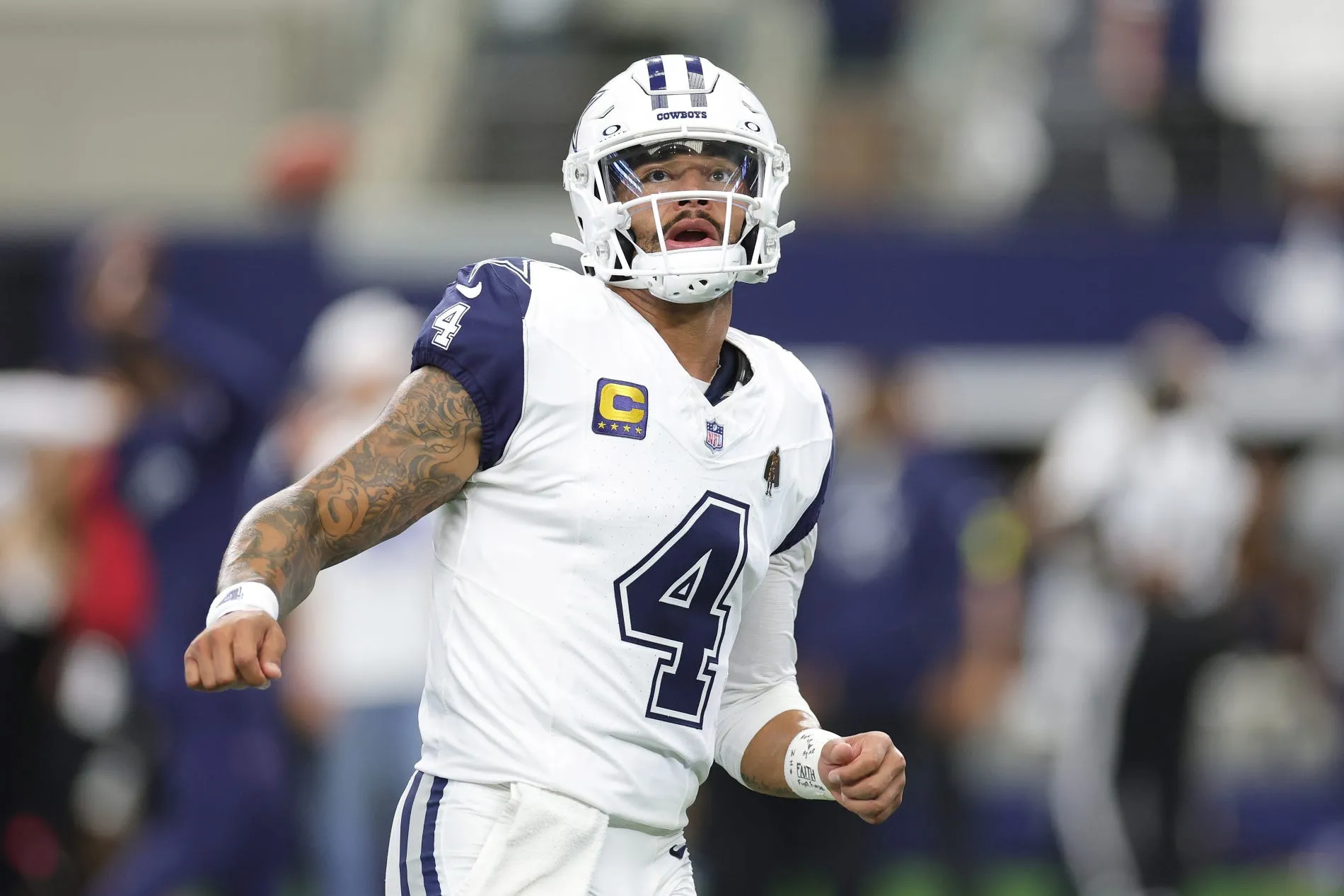
As the postseason race tightens, Dak Prescott stands as the steady voice guiding the Cowboys through uncertainty. He does not deny the pressure. He acknowledges it, accepts it and refuses to let it dictate performance.
Meanwhile, questions surrounding coaching decisions add complexity to an already demanding situation. Trust, strategy and execution must align if Dallas hopes to extend its season.
For now, the Cowboys remain alive, fighting for relevance in a crowded playoff picture. Their fate rests on preparation, belief and the ability to perform when it matters most.
And as Prescott has made clear, the only way forward is simple in theory, even if difficult in practice. Win the next game, then do it again.







