

 Vietnamese
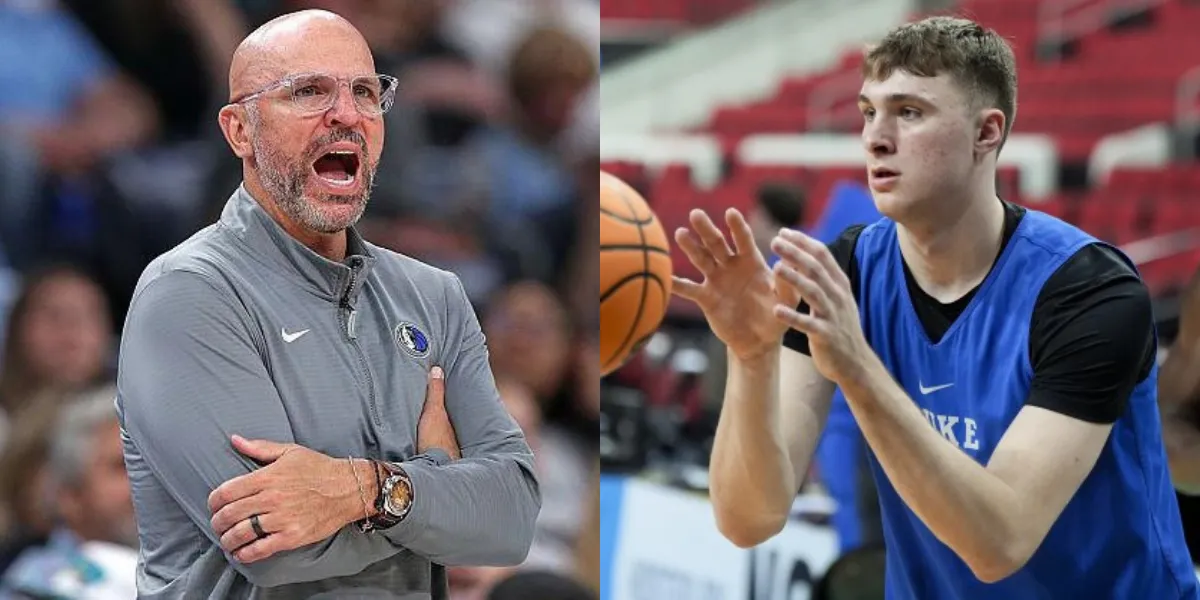
The Dallas Mavericks have been navigating a challenging stretch of the season, and much of the attention has centered on rookie sensation Cooper Flagg. Widely regarded as one of the most promising young talents in recent NBA history, he has already shown flashes of elite ability. At the same time, he has had to push through a nagging thumb injury that has left fans wondering about his long term health and immediate availability.
Following a practice session earlier this week, Flagg addressed the media and confirmed that his right thumb is still bothering him. The injury, which has required him to wear taped support during games, has not fully healed. Flagg chose to speak openly about how the issue affects his play. He admitted that it continues to cause discomfort but made it clear that he has no intention of sitting out unless the medical team insists. His mindset reflects both determination and a desire to help the Mavericks stay competitive during a difficult stretch of the regular season.
Despite dealing with pain, Flagg’s recent performances suggest that the rookie is adapting well. Since the thumb injury first appeared on the injury report in mid November, he has averaged close to twenty points per game while shooting over fifty percent from the field. He has also contributed impressive numbers in rebounds, steals and overall defensive activity. For someone still adjusting to NBA tempo and physicality, these performances demonstrate maturity and potential that have excited both coaches and fans.
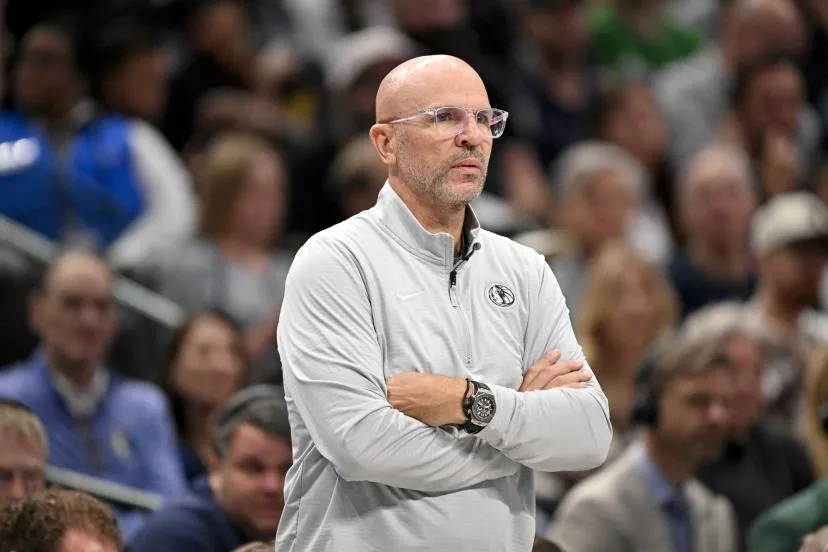
Head coach Jason Kidd has been vocal about his belief in Flagg. Kidd acknowledged that the injury may affect ball control and shooting touch, yet he praised the young forward for remaining efficient even while playing with protective support. Kidd’s remarks indicate confidence in Flagg’s ability to manage the pain and still contribute at a high level. At the same time, the coaching staff is carefully monitoring his workload to prevent further aggravation of the issue.
How the Injury Happened and Why It Matters
The thumb sprain occurred earlier this season when Flagg attempted an aggressive dunk during a game. The impact bent his thumb in an awkward direction. After medical evaluation, the staff confirmed there was no major structural damage. However, soft tissue injuries such as sprains can linger, especially for players who handle the ball frequently or rely on hand strength for finishing at the rim.
Flagg’s willingness to play through discomfort is admirable, yet it has raised conversations about risk management. The Mavericks are in a crucial developmental stage, and Flagg is expected to be a foundational piece for the next decade. A balance must be struck between allowing him to gain valuable experience and ensuring that his long term health is not compromised. The team has chosen to rely on supportive taping, reduced contact in practice and ongoing evaluation after each game.
Shoulder Concerns Add to the Challenge
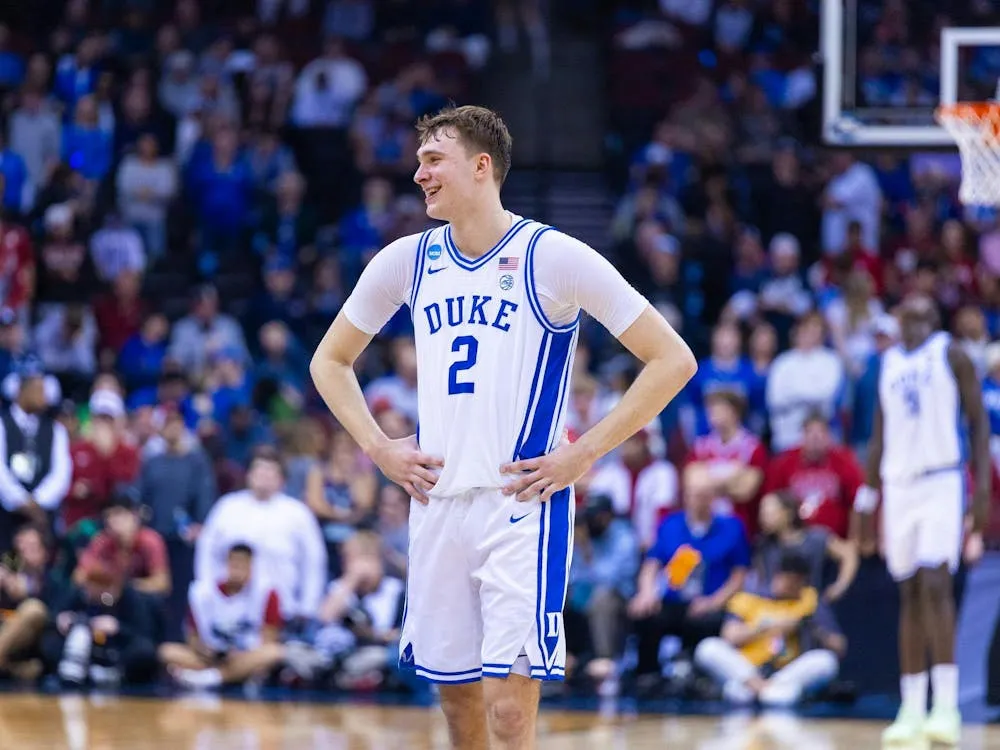
The thumb injury is not the only physical issue Flagg has dealt with. In a recent game against the Oklahoma City Thunder, he appeared to favor his shoulder after a hard fall. He stayed in the game for more than thirty minutes and contributed on both ends despite visible discomfort. After the contest he stated that the shoulder felt sore but not serious. This incident added another layer of complexity to his early NBA journey. At eighteen years old, managing multiple injuries while maintaining performance places him under unusual pressure.
With his combination of size, athleticism and versatility, Flagg often absorbs more contact than most rookies. His style of play, which includes attacking the rim aggressively, contesting rebounds and playing physical defense, naturally exposes him to more collisions. While this is typical for frontcourt players, it is less common for rookies who are still growing into their professional frames.
The Mavericks’ Strategic Adjustments
Beyond Flagg’s health, the Mavericks have had to adjust their lineup around him. Earlier in the season, Kidd made an unexpected decision by placing Flagg in a point guard role. This experiment was partly due to injuries in the backcourt and partly an attempt to unlock Flagg’s playmaking potential. The results were mixed. Flagg demonstrated impressive court vision in transition and showed promise initiating offense, but he struggled with efficiency and turnover control.
In the first group of games with him at point guard, he averaged under fourteen points per game and shot below forty percent from the field. His three point accuracy also dipped, and pressure from opposing guards created problems. Kidd later admitted that the experiment was challenging for both Flagg and the team. After evaluating the situation, the coaching staff decided to adjust his responsibilities. They returned him to a forward position that allows him to focus on scoring, defending and rebounding rather than directing the entire offense.
This modification appears to have benefited the rookie. Since the change he has looked more comfortable, more aggressive and more confident. His drives to the basket have become more decisive, and his defensive presence has improved. Even with the taped thumb, he has been able to finish through contact and create energy plays that shift momentum in Dallas’s favor.
Flagg’s Resilience on Full Display
One of the strongest examples of Flagg’s emerging confidence came during a matchup with the Portland Trail Blazers. Wearing his thumb support, he delivered a standout performance that included more than twenty points, several rebounds and multiple assists without committing a turnover. He played a major role in the Mavericks’ overtime victory and demonstrated composure uncommon for someone his age. Statisticians noted that he became the youngest player in league history to record such a complete stat line in a high pressure game.
During postgame interviews, Flagg explained that the medical staff recommended taping his thumb for at least a month until the ligaments regain full stability. He did not shy away from the challenge. Instead, he said he would continue playing as long as the pain remained tolerable. His attitude reflects the hunger and competitiveness that have been associated with him since his high school career.
Kidd’s Assessment and Long Term Vision
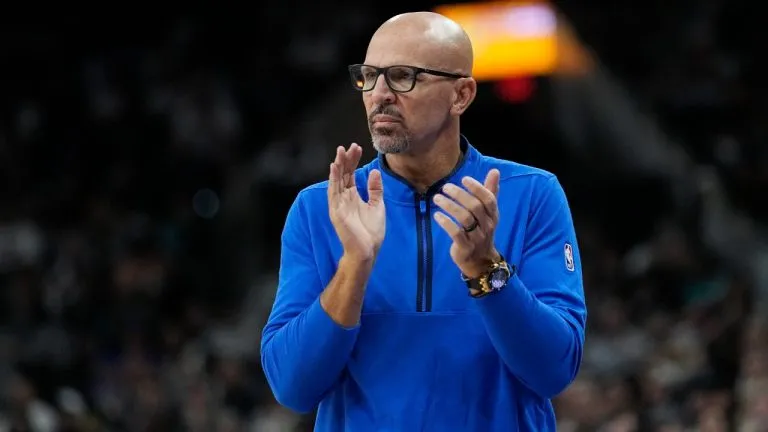
Jason Kidd continues to offer measured praise for Flagg. The head coach recognizes the difficulties that come with being a top draft pick. Expectations are enormous, and scrutiny comes from every direction. Kidd noted that Flagg has handled the pressure well, absorbing coaching guidance and showing genuine desire to improve. He highlighted Flagg’s basketball IQ as one of his strongest assets and believes that his willingness to adapt is a rare quality for a player so young.
Kidd also emphasized that the Mavericks do not want to overwhelm Flagg with too many responsibilities too early. While his versatility is a major strength, it is important to allow him to grow at a healthy pace. The coaching staff is focused on using his strengths strategically rather than placing excessive burdens on him. This approach not only supports his development but also protects his long term physical well being.
What the Injury Means for the Mavericks
The Mavericks are currently dealing with several absences in their frontcourt. Flagg’s ability to stay on the court, even while managing pain, has provided stability. With his combination of length, agility and effort, he is able to defend multiple positions and contribute on the glass, areas where the team desperately needs help. Offensively, his cutting, finishing and mid range potential give Dallas another scoring option when defensive attention collapses on their primary stars.
At the same time, the injury highlights concerns about depth. Relying too heavily on an eighteen year old rookie, especially one playing through pain, may place the team in a vulnerable position. The Mavericks may need to explore additional roster moves or strategic adjustments to avoid overloading Flagg. Maintaining his health must remain a priority if the franchise hopes to maximize his long term value.
Outlook for Flagg’s Development
For Flagg, the current stretch of the season could be a defining period. Many young players experience slumps or injuries during their first months in the league. How they respond often shapes their NBA identity. Flagg appears to be choosing resilience, discipline and improvement even while injured. His growing confidence, along with his ability to remain effective while taped and sore, suggests a mental toughness that coaches admire.
With continued support from Kidd and the Mavericks staff, Flagg has the opportunity to mature into one of the league’s most impactful young players. If he stays healthy, refines his shooting mechanics and gains more experience defending veteran players, he has the potential to develop into a cornerstone for the franchise.
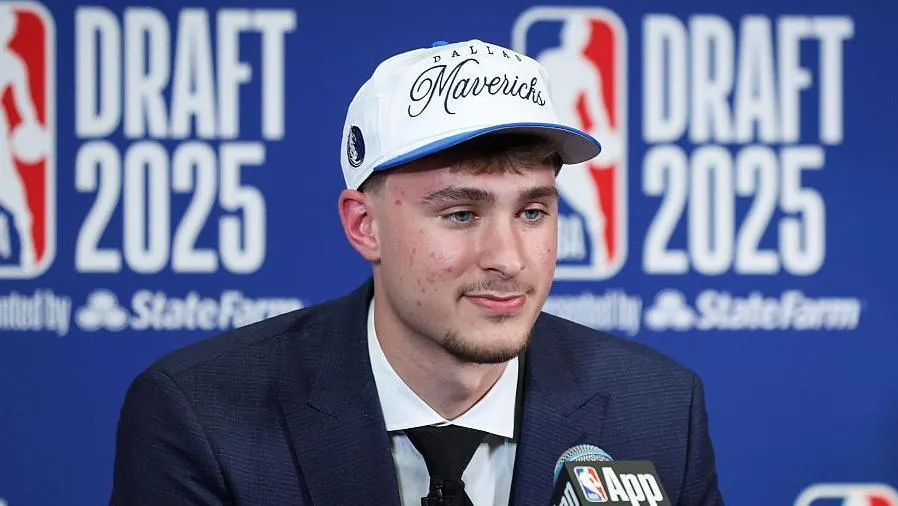
The ongoing thumb injury has not slowed Cooper Flagg as much as many expected. He continues to produce strong numbers, help the Mavericks in critical moments and display maturity far beyond his age. Jason Kidd’s thoughtful comments reveal a coaching staff committed to protecting his long term development while still allowing him to compete at a high level.
For Dallas, Flagg’s resilience is both encouraging and essential. As the season progresses, his health management, evolving role and continued growth will be central to the team’s success. His injuries have introduced challenges, but they have also highlighted his toughness, intelligence and potential to become one of the NBA’s most important young stars.







