

 Vietnamese
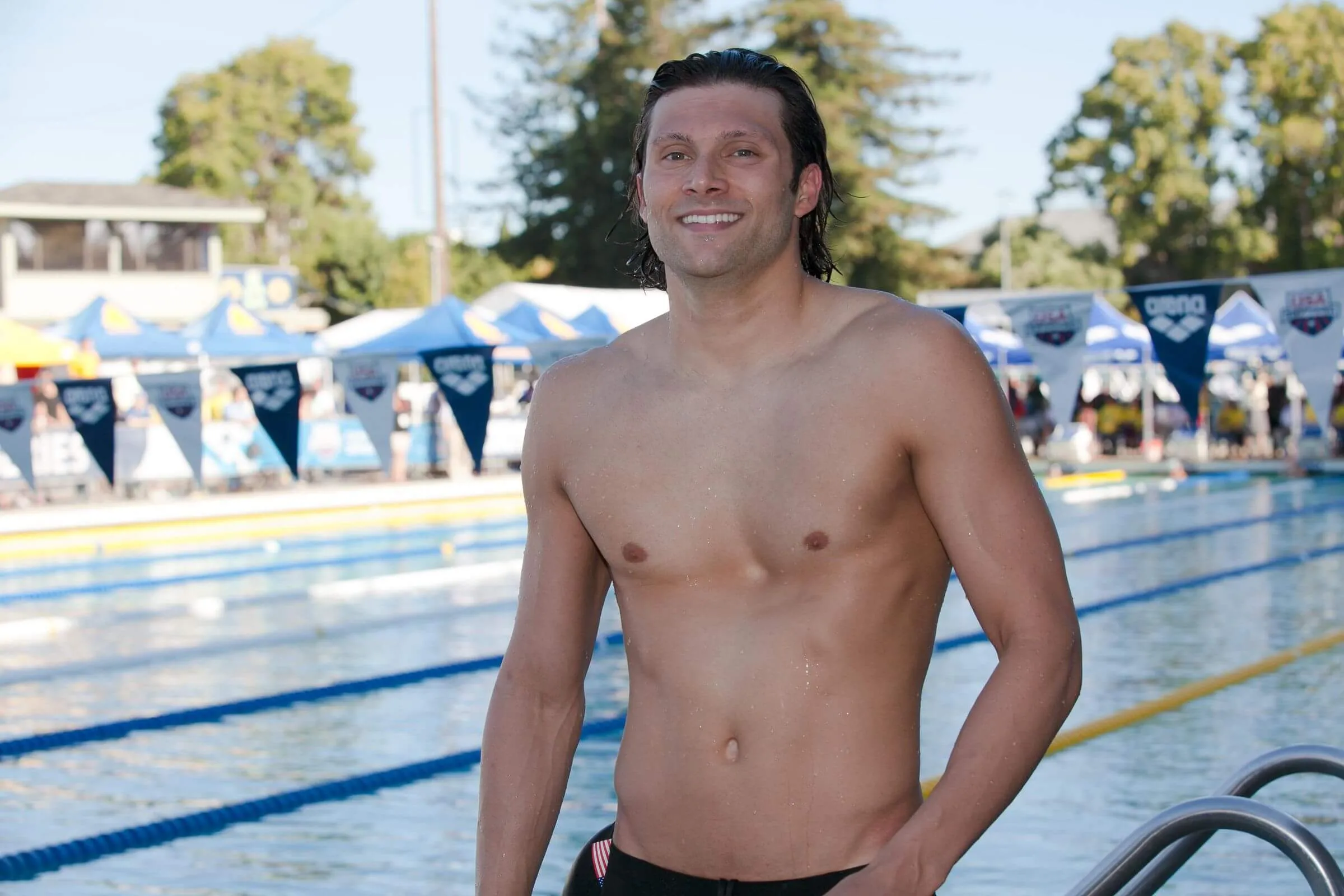
The world of competitive swimming is no stranger to controversy, but few debates have divided athletes, fans, and governing bodies quite like the rise of the Enhanced Games. At the center of the latest discussion is Olympic swimming legend Cody Miller, whose unexpected support for the controversial competition has sparked intense conversation across the sporting world.
Rather than offering a simplistic endorsement or rejection, Miller’s perspective is nuanced, forward-looking, and deeply rooted in his experience as an elite athlete. More importantly, he has used this moment to deliver candid advice to the next generation of swimmers—advice that goes far beyond medals, records, or podium finishes.
Image: Cody Miller speaking during a swimming panel discussion
A Sport at a Crossroads
Swimming, like many Olympic sports, is undergoing a period of identity crisis. Advances in sports science, nutrition, recovery, and technology have blurred the lines between natural progression and artificial enhancement. The Enhanced Games, which openly allow certain performance enhancements under medical supervision, challenge the traditional Olympic model head-on.
For many athletes, this shift raises uncomfortable questions:
-
What does “fair competition” truly mean in modern sports?
-
Are current anti-doping systems outdated or inconsistent?
-
Should athletes have more autonomy over their bodies and careers?
Cody Miller’s willingness to engage with these questions—rather than dismiss them—has positioned him as one of the most thoughtful voices in the debate.
Who Is Cody Miller—and Why His Voice Matters
Cody Miller is not just another retired swimmer with an opinion. He is an Olympic medalist, a world-class relay performer, and one of the most recognizable personalities in modern swimming. Known for his analytical mindset and openness, Miller has long bridged the gap between elite competition and fan accessibility.
Throughout his career, he has:
-
Competed at the highest international level
-
Experienced the physical and mental toll of elite training
-
Witnessed firsthand the pressures surrounding performance and results
When Miller speaks, the swimming community listens—not because he seeks controversy, but because he speaks from lived experience.
Why Miller Supports the Enhanced Games
Miller’s backing of the Enhanced Games does not stem from a desire to undermine the Olympics. Instead, it reflects his belief that honest conversation is long overdue.
His key arguments include:
-
Transparency over hypocrisy: Miller has pointed out that performance enhancement already exists in subtle forms—advanced recovery tech, supplements, altitude training, and experimental methodologies. The Enhanced Games, he argues, remove the pretense.
-
Athlete autonomy: He believes athletes should be trusted to make informed decisions about their own bodies, provided safety and medical oversight are prioritized.
-
Innovation in sport: By creating an alternative platform, the Enhanced Games force traditional institutions to reevaluate outdated systems.
Rather than seeing the Enhanced Games as a threat, Miller views them as a mirror—reflecting uncomfortable truths about modern sport.
Image: Competitive swimmers preparing behind the blocks
Not an Endorsement of Recklessness
Importantly, Miller has been clear that support does not equal blind approval. He has emphasized that safety, education, and ethics must remain central.
He has cautioned against:
-
Unregulated experimentation
-
Pressure on young athletes to take risks prematurely
-
Commercial exploitation of competitors
Miller’s stance is not about glorifying enhancement—it’s about acknowledging reality and demanding responsible frameworks.
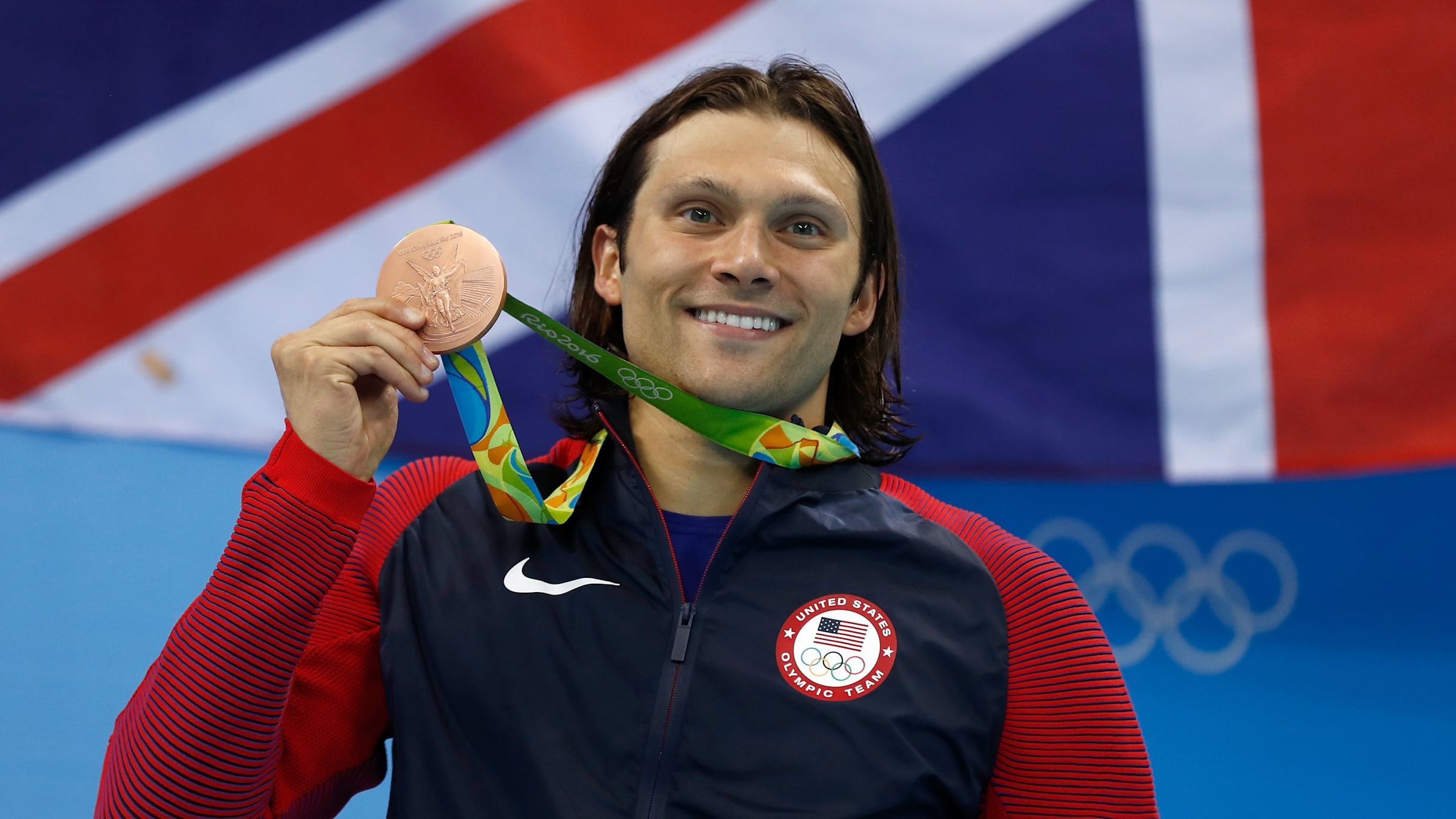

Advice to the Next Generation: Beyond the Headlines
Perhaps the most impactful part of Miller’s commentary has been his direct message to young swimmers. In an era dominated by social media, viral highlights, and record obsession, he has urged athletes to slow down and think long-term.
His core advice includes:
1. Define Success for Yourself
Miller encourages swimmers to look beyond medals. Careers are long, unpredictable, and deeply personal. Success may mean:
-
Longevity in the sport
-
Mental well-being
-
Financial stability
-
Positive post-competition transitions
Image: Young swimmers training during early morning practice
2. Understand the Cost of Elite Performance
Elite swimming demands sacrifice—early mornings, physical pain, missed social moments, and emotional strain. Miller urges young athletes to ask themselves:
-
Why am I doing this?
-
What am I willing to give up?
-
What lines will I not cross?
Clarity early on can prevent burnout later.
3. Educate Yourself Relentlessly
Whether it’s training methods, nutrition, recovery, or enhancement debates, Miller stresses the importance of education. Athletes who understand the science behind their sport are less likely to be misled or exploited.
The Mental Health Angle Often Ignored
One of the most compelling aspects of Miller’s stance is his openness about mental health. He has spoken candidly about anxiety, pressure, and identity loss after competition—issues many athletes quietly endure.
The Enhanced Games debate, he suggests, is also about:
-
Reducing stigma around difficult conversations
-
Acknowledging that athletes are humans first
-
Building systems that support life beyond sport
Image: Swimmer sitting poolside after a grueling session


Swimming’s Unequal Playing Field
Miller has also highlighted a less-discussed issue: inequality. Access to elite coaching, technology, and recovery resources varies dramatically across countries and programs. In this context, he argues, the idea of a perfectly “level” playing field is already flawed.
The Enhanced Games expose this imbalance, forcing the swimming world to confront uncomfortable disparities.
Reaction From the Swimming Community
As expected, Miller’s comments have drawn mixed reactions:
-
Supporters praise his honesty and courage
-
Critics worry about normalizing enhancement
-
Neutral observers appreciate the conversation but remain cautious
What’s undeniable is that his voice has elevated the debate from emotional outrage to substantive discussion.
What This Means for the Future of Swimming
The Enhanced Games may or may not become a lasting institution, but their impact is already being felt. Governing bodies, coaches, and athletes are being pushed to:
-
Reevaluate anti-doping strategies
-
Improve transparency in athlete development
-
Address mental and physical sustainability
Miller believes swimming will emerge stronger if it embraces dialogue rather than denial.
Image: Olympic pool illuminated during a major final
Lessons for Coaches and Parents
Miller’s message isn’t just for athletes. He has urged coaches and parents to:
-
Prioritize athlete well-being over short-term results
-
Encourage critical thinking rather than blind obedience
-
Foster environments where questions are welcomed
The future of swimming, he insists, depends on healthier ecosystems—not just faster times.
The Bigger Picture: Sport in the Modern Age
At its core, the Enhanced Games debate reflects a broader societal shift. From technology to medicine, humanity is constantly redefining limits. Sport, Miller argues, cannot remain frozen in the past while everything else evolves.
This doesn’t mean abandoning values—but it does mean updating them.
Final Thoughts: Courage in Complexity
Cody Miller’s support for the Enhanced Games is not about provocation. It’s about courage—the courage to question long-held assumptions, to acknowledge gray areas, and to prepare young athletes for a future that will look very different from the past.
By combining thoughtful analysis with genuine care for the next generation, Miller has reframed a polarizing issue into an opportunity for growth.
Whether one agrees with him or not, his message is clear:
Swimming’s future will belong to those who think critically, act responsibly, and value the human behind the athlete.
And in a sport defined by milliseconds, that perspective may prove more important than any world record.


