

 Vietnamese
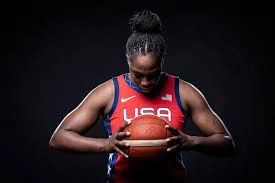
The WNBA is entering one of the most defining moments in its history as the league and the players union continue to negotiate the next collective bargaining agreement. With the current deal expired and no final resolution in sight, star guard Chelsea Gray has stepped forward to clarify what players truly want in the next phase of the league’s development. Her insights highlight the growing divide between the rising visibility of the league and the reality of how players are compensated and supported.
In a recent exclusive interview, Gray explained that players are united around a set of core principles. While salaries often dominate public discussion, she made it clear that the demands extend far beyond a simple pay increase. According to her, players want a compensation model that is aligned with league revenue, improved workplace conditions, access to proper facilities and long term support systems that reflect the value they bring to the sport. Her comments have added clarity during a period filled with uncertainty and speculation about what the next CBA may look like.
The Context Behind Growing Frustration
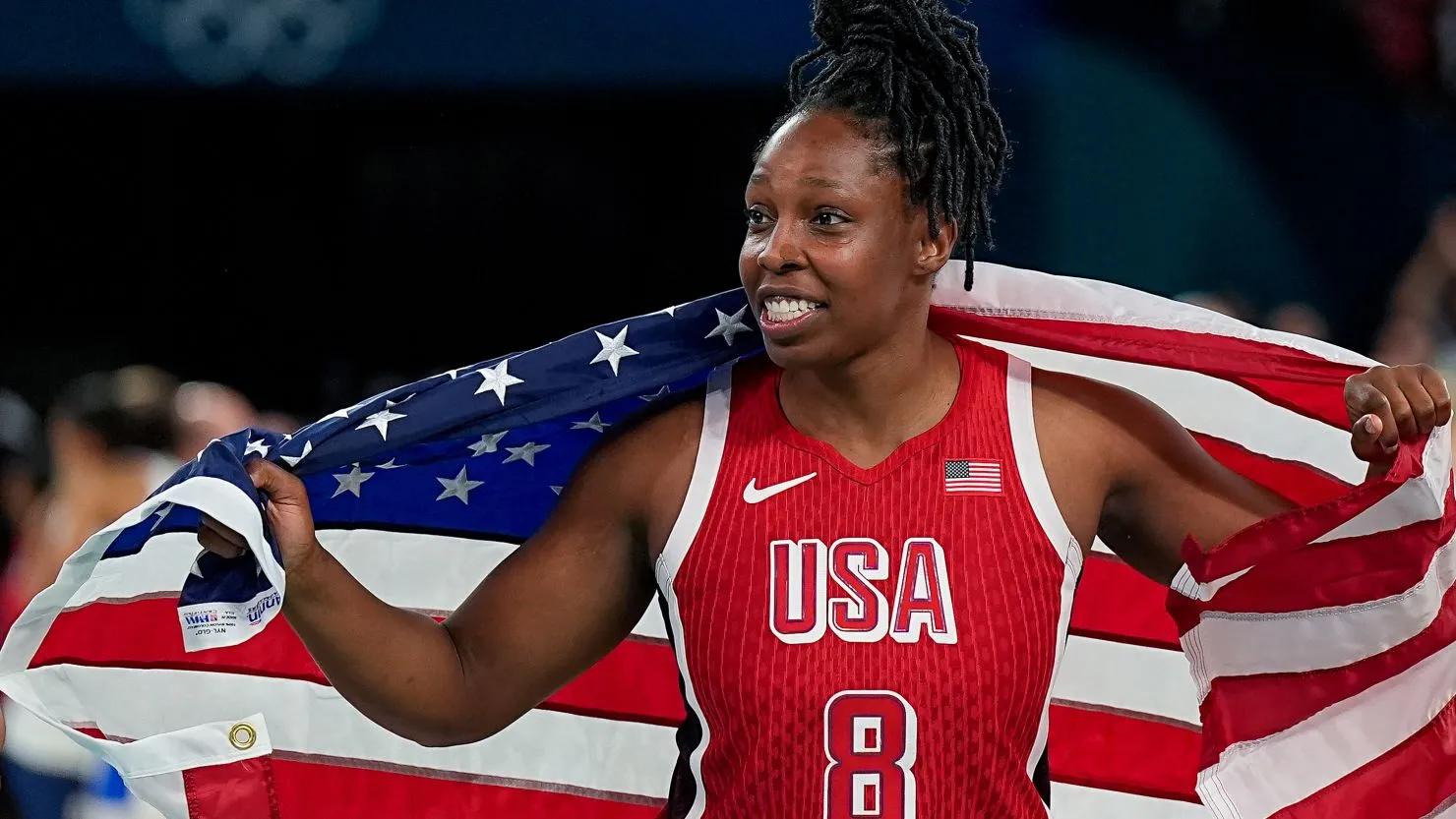
The WNBA has experienced a dramatic surge in popularity, viewership and sponsorship interest in recent years. With increased mainstream sports coverage and new investment from media partners, the product on the court is reaching larger audiences than ever before. However, players argue that economic growth has not been matched by structural improvements in their compensation and working environment.
Gray pointed to a disconnect between the momentum of the league and the terms under which players operate. Under the previous CBA, salary increases were tied to predetermined cap jumps rather than the actual financial success of the league. This means that even if revenue grows significantly, player salaries do not automatically rise at the same pace. For many players, this approach feels outdated and does not reflect modern standards of professional sports economics.
Another source of frustration stems from team facilities. Some players have access to professional grade locker rooms, treatment spaces and practice courts. Others reported inconsistent access or shared venues that lack privacy and proper equipment. Gray emphasized that for the league to grow, every team and every player must be supported equally. She felt that proper facilities should not be considered a luxury or a perk for select franchises but a basic standard for the entire league.
The League’s Proposed Salary Model and Why It Is Not Enough
The league has floated proposals that appear attractive at first glance. One of the suggestions includes a substantial jump in team salary caps. Projected figures include a minimum salary around two hundred twenty five thousand dollars, an average salary near half a million dollars and a possible maximum salary reaching as high as one million dollars with additional performance based bonuses. The league has presented these increases as evidence of commitment to improving players’ financial conditions.
Still, many athletes have expressed hesitation. According to Gray, the problem is not the size of the numbers themselves. Instead, it lies in the absence of a revenue based formula. Without a direct link between the league’s financial performance and compensation, players believe the proposed structure will eventually become outdated again. Their concern is that the league may present generous figures now but leave players with limited bargaining power in the future when revenues increase further.
Another controversial part of the proposal includes potential reductions in team provided housing. Many players, especially those joining the league on rookie contracts, rely on housing support because wages have historically been lower than those in other professional sports. Removing housing would place additional financial pressure on players, especially in cities with high costs of living. Gray and many others believe that living expenses must be taken into account when determining what truly constitutes fair compensation.
Players Are United Around a Core Philosophy
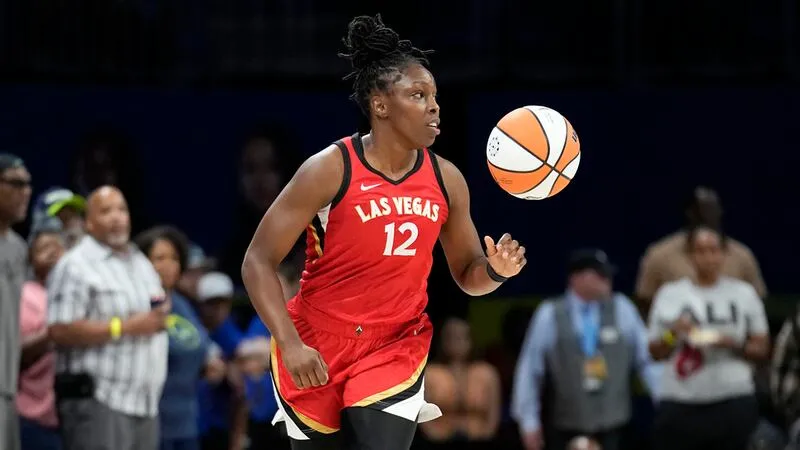
As one of the most respected veterans in the league, Chelsea Gray has become an important voice in the ongoing negotiations. She made it clear that players are aligned in their vision for what the next CBA should accomplish. They want transparency regarding revenue, a structure that adjusts as the league grows, access to equal resources across all teams and improved long term protections that support players during and after their athletic careers.
Gray declined to state a specific target salary number because the players’ goal is structural, not numerical. For her and for many others, the real victory would be the creation of a sustainable system that rewards players proportionally as the league thrives. She explained that relying on fixed caps and selective bonuses does not provide the longevity or fairness players seek.
Beyond compensation, Gray and fellow WNBPA leaders have been vocal about the need for stronger retirement benefits. The current system offers limited support for players once they leave the court. Considering the physical demands of the sport, a more comprehensive retirement structure is a top priority for the players.
The Importance of This Moment for the Future of the League
Industry experts believe that the outcome of these negotiations will have major implications for the league’s long term stability. If the WNBA and the players union reach an agreement that reflects the players’ concerns, it could set a new standard for professional women’s sports. A forward thinking CBA could attract more global talent, encourage higher levels of investment and create a more competitive and appealing product for fans.
However, if negotiations stall and the players feel their voices are not being heard, the league may face significant challenges. Players have already hinted that they are prepared to hold out if necessary. A prolonged dispute could affect the upcoming season and limit the league’s ability to build on recent momentum.
Sponsors, media companies and fans are paying close attention. The embrace of women’s sports is stronger than ever, but stakeholders want to see commitment from the league itself. By addressing fundamental issues such as pay equity, facility standards and player welfare, the WNBA has an opportunity to demonstrate leadership in the sports world.
The Road Ahead and What Gray’s Comments Reveal
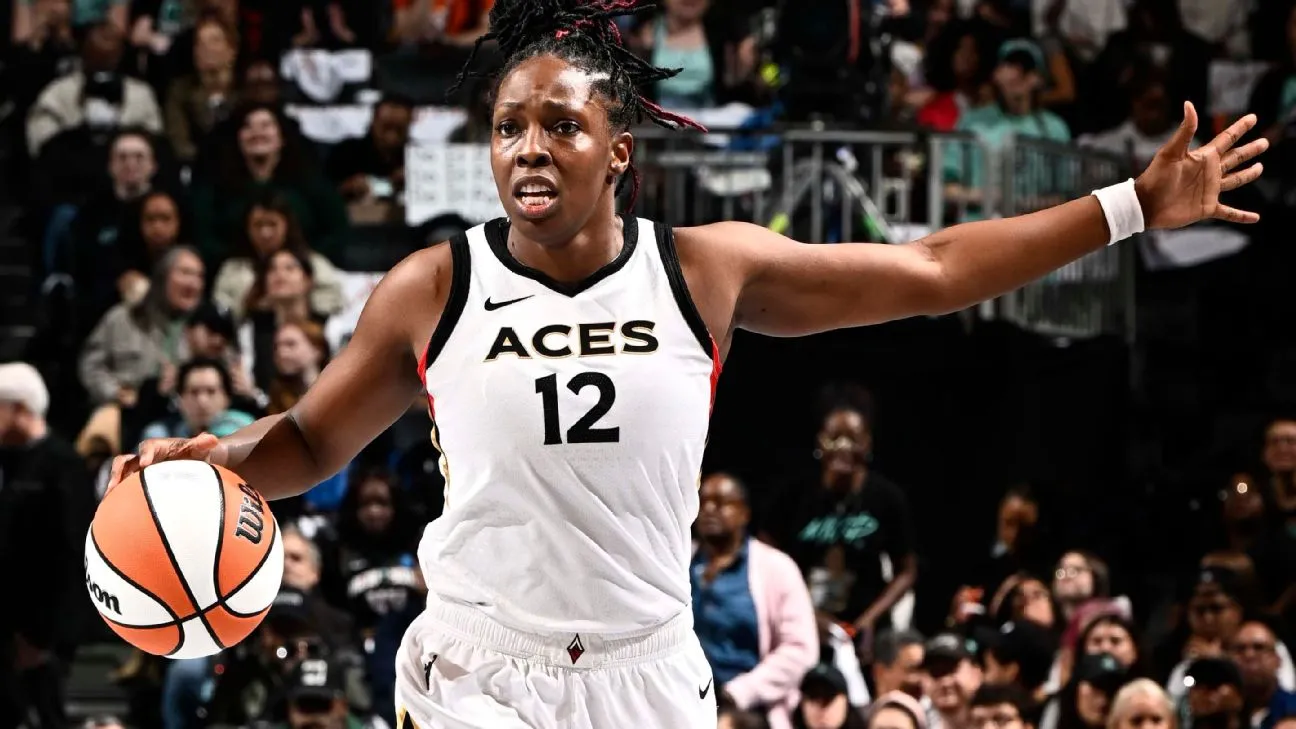
Chelsea Gray’s comments reflect a measured yet firm tone. She acknowledged the progress that has already been made in the WNBA but stressed that the next step must be meaningful and lasting. Her clarification comes at a time when fans are trying to understand why players are pushing so hard and why the salary proposals presented by the league have not satisfied them.
Her statement helps clarify the situation for the public. Players are not rejecting higher salaries. They are asking for a model that aligns incentives and places players on the same trajectory as the league’s financial success. They are also advocating for better working conditions and consistent standards across all teams. This unified perspective demonstrates a growing sense of organization and leadership within the WNBPA.
As negotiations continue, it is clear that players are prepared to stand firm until they see a CBA that meets their expectations. The next weeks and months will shape the future of the league, potentially marking a turning point that determines how women’s basketball evolves at the professional level.
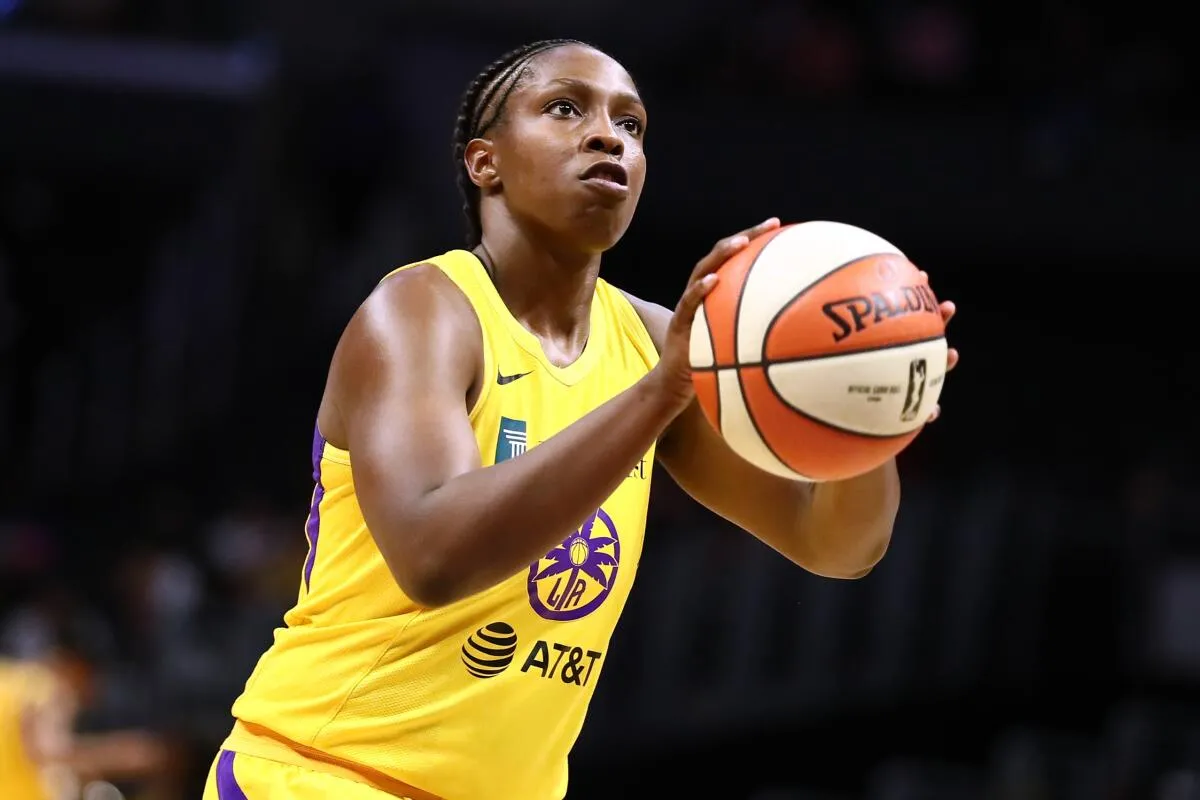
Chelsea Gray’s recent remarks highlight a pivotal moment in the development of the WNBA. With rising popularity and increasing investment, the league is on the brink of major growth. But without a CBA that reflects this growth, players fear the opportunity for progress may be lost.
Gray’s firm yet thoughtful explanation of the players’ priorities has added clarity to an emotionally charged debate. Compensation is important, but so are long term security, revenue sharing, consistent facility standards and overall player welfare. The players want to be partners in the league’s success rather than passive recipients of predetermined caps.
The success of the ongoing negotiations will determine more than salary figures. It will influence how the league is viewed by future players, investors and fans. If the WNBA embraces a modern approach that values transparency and fairness, the future of women’s basketball could be stronger than ever.







