

 Vietnamese
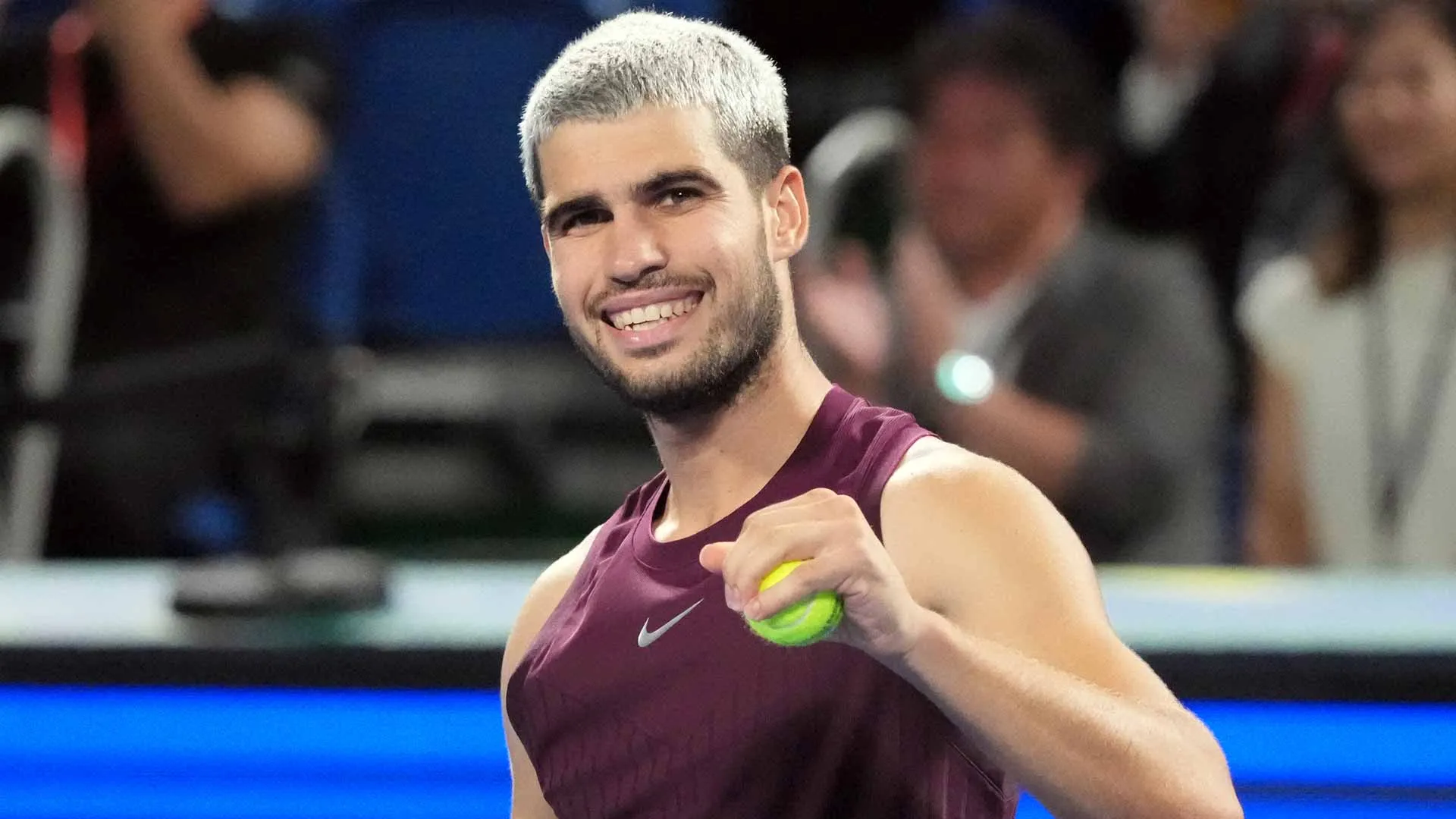
Carlos Alcaraz’s split with longtime coach Juan Carlos Ferrero sent shockwaves through the tennis world at the end of 2025, closing a remarkable seven-year partnership that produced multiple Grand Slam titles, a period at world number one and one of the most compelling player-coach stories of the modern era. In the days following that separation, Ferrero has now spoken publicly about his future and whether he might consider joining forces with another of men’s tennis’ biggest stars, Jannik Sinner, offering his candid perspective on the possibility of such a move and what it would mean for both players and the sport.
Ferrero is not yet ready to rush into another coaching role after his emotional departure from Alcaraz, saying that the timing isn’t right to consider leading a new player’s team. Still, his comments have sparked significant conversation about the coach’s future, his motivations and what could lie ahead for one of tennis’ most respected mentors.
A Historic Partnership Comes to an End
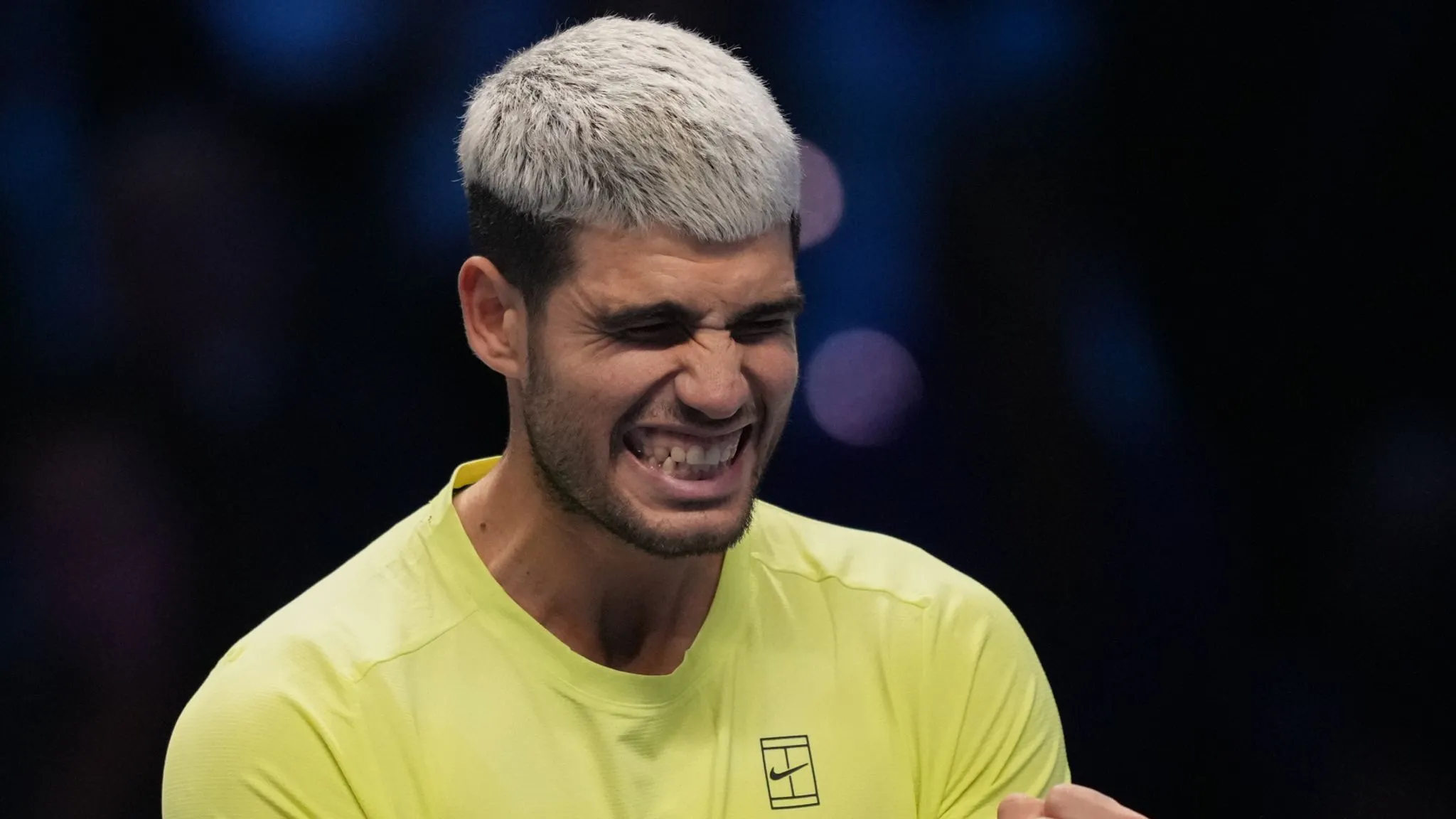
Before diving into Ferrero’s comments on mentoring Jannik Sinner, it’s important to understand the backdrop of his split with Carlos Alcaraz. Alcaraz and Ferrero had worked together for more than seven years, a partnership that began when Alcaraz was just a teenager. Throughout that time, they achieved extraordinary results, including multiple Grand Slam trophies and a rise to the top of the ATP rankings.
Their joint run changed expectations of coaching partnerships in men’s tennis, with Ferrero guiding Alcaraz’s raw talent into a refined game capable of challenging all surfaces and rivals. Their success was capped by Ferrero being named one of the ATP Coaches of the Year in 2025, testament to the duo’s influence on the tour.
Yet even after such success, the pair ultimately decided to end their collaboration. Ferrero has described the period after the split as difficult, saying that at the moment he is still processing everything and isn’t ready to make decisions about future coaching commitments.
Ferrero’s Take on Coaching Sinner
Jannik Sinner, the Italian star who currently ranks among the top players in the world and one of Alcaraz’s most intense rivals on court, was mentioned directly when Ferrero was asked if he would consider coaching him. Darren Cahill, Sinner’s current coach, has signaled his own departure from the role at the end of 2025, although he agreed to stay on through the 2025 season after an understanding made earlier in the year.
In response to the question of whether he would coach Sinner, Ferrero was honest and reflective. He explained that his thoughts are still very much with Alcaraz and his own need to step back and recharge after years on tour. While he called Sinner an “extraordinary player” and said he would take such an opportunity seriously if it arose, he also stressed that now simply isn’t the right time to make such a commitment.
Ferrero admitted that he needs “two or three months of peace and quiet” before considering any new coaching venture. That breaks from the expectation that a coach of his stature would immediately step into another headline-making role, yet it shows the emotional toll and deep personal investment he poured into his relationship with Alcaraz.
The Emotional Aftermath of a Legendary Collaboration
Ferrero’s comments weren’t purely pragmatic; they also revealed a coach still processing a profound personal and professional shift. His words make clear that he isn’t simply retiring from coaching entirely but rather taking necessary time before engaging a new project. He acknowledged that the partnership with Alcaraz was filled with deep emotion, growth and memories that are still close to his heart.
He spoke about how everything initially seemed fine before the split, and that without an actual direct conversation with Alcaraz about the decision, it left a lingering sense of unresolved connection. While the formal coaching relationship may be over, the human bonds and shared experiences have not simply evaporated.
That emotional weight is part of what makes Ferrero cautious about jumping straight into another major commitment like coaching Sinner, who is widely considered one of the very best players on tour and a constant challenger to Alcaraz’s continued dominance.
Jannik Sinner’s Path and Why Ferrero Matters
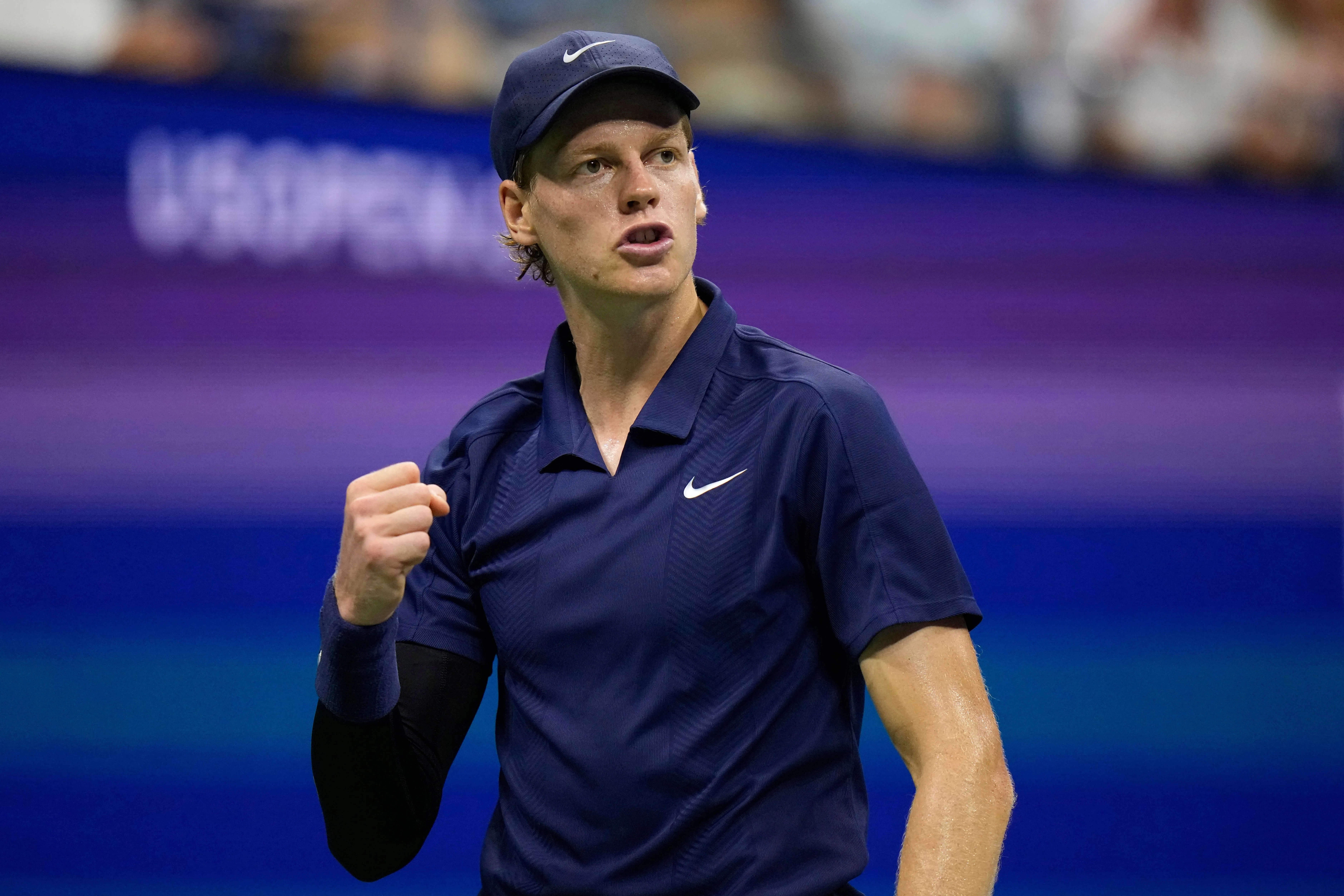
Sinner and Alcaraz have defined one of the most compelling rivalries in men’s tennis in recent years. Their matches, often thrilling on the biggest stages, have pushed each other to new heights, with Alcaraz’s dynamic athleticism and shot-making matched against Sinner’s precision, power and consistency. Their competitive relationship has not only captivated fans but also driven both players to refine every aspect of their games.
Sinner’s current coach, Darren Cahill, has indicated that he plans to stay through the end of 2025 but has spoken about stepping away afterward, raising questions about who might lead Sinner’s team into the 2026 season and beyond. Earlier reports in the tennis world suggested that former world No. 1 Carlos Moyá, Rafael Nadal’s ex-coach, could be a candidate for that role, highlighting how valuable top-tier mentoring is perceived for elite players.
The idea of Ferrero working with Sinner isn’t purely speculative. Ferrero’s experience guiding a young phenom like Alcaraz to the top would be highly valuable to any top player. Yet Ferrero seems acutely aware that such a move would mean a fresh start and requires a clear mind free from the emotional baggage of the recent split.
The Strategic Fit and Philosophical Alignment
Part of the conversation around a potential Ferrero–Sinner partnership centers on how well their styles and personalities would mesh. According to Ferrero’s own comments, he believes that his coaching philosophy may in fact align closely with Sinner’s approach to tennis and life. Some reports suggest that he finds Sinner’s lifestyle and values more in line with what he naturally supports as a coach, although he also made clear that this realization doesn’t yet translate into an immediate commitment.
When coaching Alcaraz, Ferrero often adapted his style to match his prodigy’s intensity, athleticism and evolving game. With Sinner, a different balance of strategic patience and technical focus could suit both coach and player if they were to work together. This kind of philosophical alignment can be crucial in modern tennis, where the mental and emotional components of performance are as important as physical and tactical skill.
Alcaraz’s Continued Rivalry with Sinner
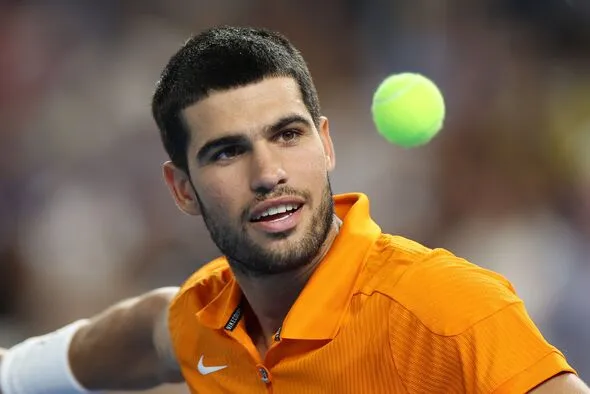
Ferrero’s remarks come as the broader narrative of the Alcaraz–Sinner rivalry continues to evolve. Both players have shown incredible levels of tennis throughout 2025 and into the end of the season, playing multiple high-stakes matches against each other, including finals and deep runs at major tournaments. Their head-to-head contests are among the sport’s most anticipated events, and their interplay pushes each to raise his game even higher.
Alcaraz himself has expressed respect for Sinner’s level of play in interviews, acknowledging the intensity and quality of their encounters. These public statements show not just competitive fire but mutual acknowledgement of what each has brought to modern men’s tennis.
Given this context, Ferrero’s openness to coaching Sinner in the future isn’t just about a job opportunity; it’s about the possibility of shaping one of tennis’ leading forces during a critical phase of his career. This could have ripple effects through the sport, influencing how rivalries develop and who sets the standard for elite performance in the coming years.
What This Means for Tennis Fans
For followers of men’s tennis, Ferrero’s comments add an intriguing subplot to an already dramatic period in the sport. The departure of such a high-profile coach from the game’s top player and the prospect of him eventually joining forces with another superstar widens the narrative possibilities for the future.
Fans will be watching closely for how Sinner transitions after Cahill’s departure, who he ultimately selects as his next coach, and whether Ferrero’s sabbatical turns into a new partnership later in the year. This kind of uncertainty and reshuffling is rare at the top of the rankings and can lead to interesting storylines as the 2026 season unfolds.
The broader tennis community is deeply invested not only in match results and Grand Slam trophies but in the characters and relationships that drive them. Coaching changes among elite players have the power to reshape training approaches, match strategies and even the psychological dynamics between rivals.
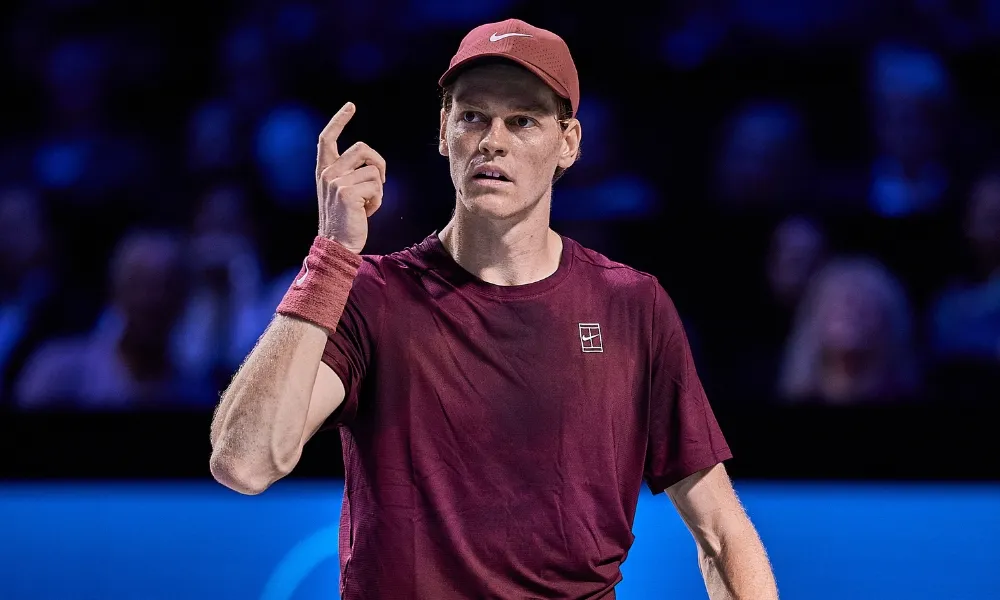
Juan Carlos Ferrero has made it clear that he is neither closing the door on coaching nor making promises about future collaborations. His decision to step back after a legendary partnership with Carlos Alcaraz reflects a thoughtful and deliberate approach to his career and personal well-being.
As the tennis world prepares for 2026, all eyes will be on how Sinner’s coaching situation develops and whether Ferrero ultimately decides to take on a new role with one of the sport’s brightest stars. If he does, it could mark one of the most fascinating coaching storylines of the next decade and reshape expectations for how champions are made in elite men’s tennis.







