

 Vietnamese
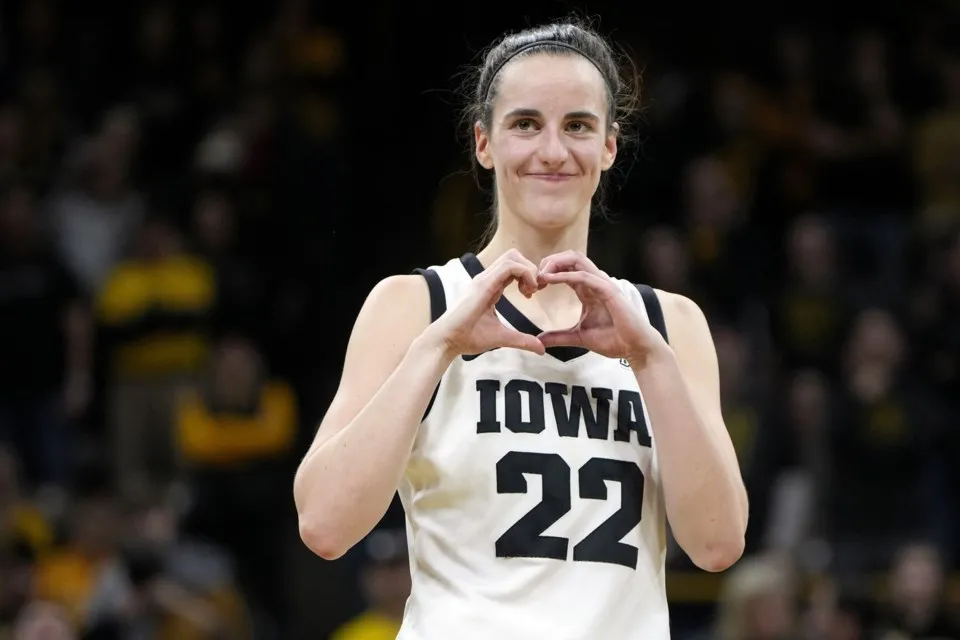
Caitlin Clark’s long-awaited return to competitive basketball is finally here, and she is stepping back into the spotlight with momentum already on her side. Ahead of the opening day of Team USA’s training camp at Duke University, the Indiana Fever guard received notable praise from one of the most respected figures in women’s basketball.
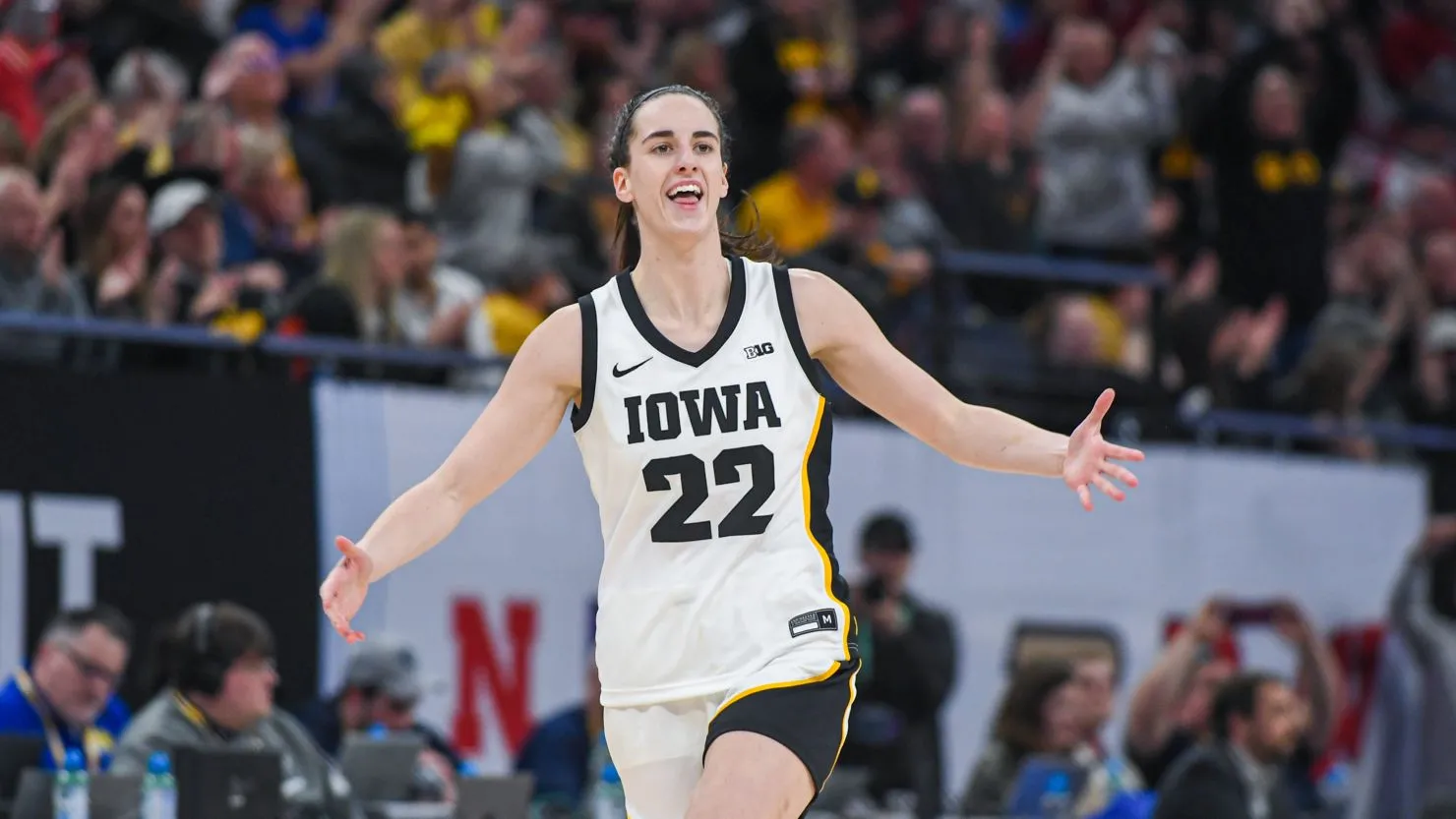
Sue Bird, the managing director of the U.S. women’s national team and a four-time Olympic gold medalist herself, publicly commended Clark for the way she handled a season cut short by injury. Before Clark even touched the floor, Bird made it clear that her impression went far beyond box scores or highlight reels.
What stood out most, according to Bird, was Clark’s maturity. Despite being sidelined, Clark remained fully engaged with her team, consistently present on the bench, vocal in huddles, and invested in the Fever’s progress night after night. In Bird’s eyes, that level of involvement spoke volumes about Clark’s mindset and readiness for the next stage of her career.
Maturity That Extends Beyond the Court
Clark last appeared in a game on July 15, closing her abbreviated 2025 season averaging 16.5 points, 5 rebounds, and 8.8 assists per contest. While the numbers confirmed her impact, the real story unfolded after she was forced to sit out.
Rather than retreating during recovery, Clark leaned into a leadership role. She frequently emphasized that being a leader does not stop when minutes do. Whether offering reads from the sideline, encouraging teammates after tough possessions, or keeping energy high during momentum swings, Clark stayed consistent with the identity she had built on the court.
That approach did not go unnoticed. Fans began referring to her as “Coach Clark,” a nickname she embraced with humor and authenticity. From animated reactions during games to constant communication with teammates and referees, Clark remained unmistakably herself.
Even during All-Star Weekend, her competitive edge was on display. Mic’d-up moments captured Clark joking about pulling up from half-court if she were healthy, a reminder that her confidence and range remain intact. The antics, while lighthearted, reinforced something deeper: Clark was locked in, even when she couldn’t play.
Why Team USA Is Paying Attention Now
Clark’s presence at this year’s Team USA training camp carries added significance. After being left off the 2024 Olympic roster, she made no secret of her desire to represent her country. Rather than dwelling on the disappointment, Clark used the time to recover, refine her body, and expand her understanding of the game from a different perspective.
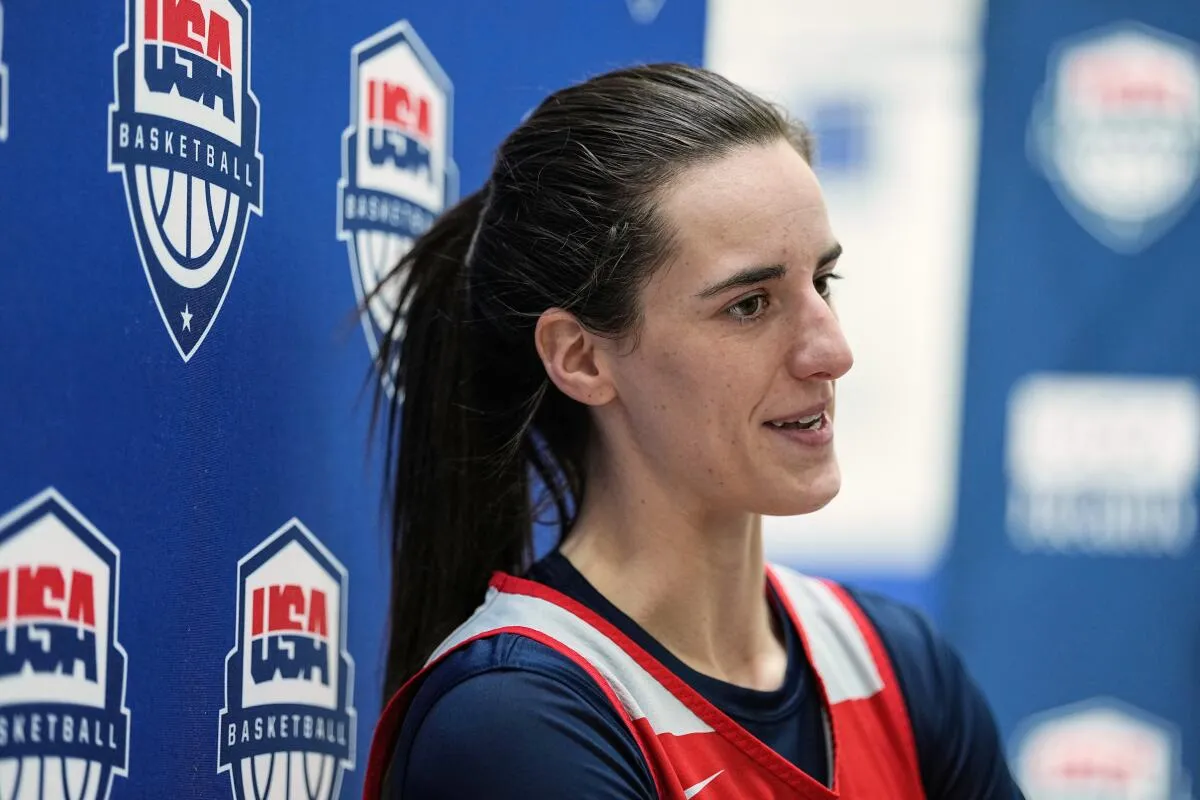
Now, she enters camp as one of 18 players competing in a highly competitive environment that blends established veterans with the next generation of stars. The roster includes elite names such as Brittney Griner, Chelsea Gray, Kelsey Plum, and Angel Reese, alongside rising talents like JuJu Watkins and Paige Bueckers.
For Clark, the opportunity is not just about individual recognition. It is about proving that she can adapt, contribute, and lead within a system filled with elite talent. Sue Bird’s endorsement suggests that Clark is already doing that before the first whistle.
Leadership Is Becoming Clark’s Calling Card
One of the most striking aspects of Clark’s development is how naturally leadership has become part of her identity. During her injury stretch, Indiana did not collapse as many expected. Instead, the Fever reached the semifinals, exceeding outside expectations and showcasing improved resilience.
Clark played a role in that success, even without logging minutes. She maintained sideline intensity, provided feedback, and helped teammates stay aggressive. In Los Angeles, teammates even had to rein her in to prevent technical fouls, a familiar scene for those who followed her fiery collegiate career.
While some of the moments were humorous—like sneaking snacks from her hoodie or matching staff outfits by accident—the underlying message remained consistent. Clark cares deeply, competes relentlessly, and refuses to disengage.
Reuniting With Familiar Faces Raises Expectations
Another layer to Clark’s return is her reunion with key Fever teammates, particularly Aliyah Boston. Boston carried Indiana during Clark’s absence and re-established herself as a dominant interior presence. Together, the duo’s pick-and-roll chemistry and spacing transformed Indiana into one of the league’s most intriguing young teams.
Clark recently shared her excitement publicly, posting photos with Boston on social media and expressing how eager she is to be back on the floor together. Their partnership represents more than just on-court production—it symbolizes the Fever’s broader trajectory from rebuilding project to legitimate threat.
With Clark healthy and Boston thriving, expectations around Indiana are rising. That growth mirrors what Team USA is hoping to cultivate on a larger scale: cohesion, trust, and leadership that extends beyond individual talent.
A Camp That Feels Bigger Than a Tryout
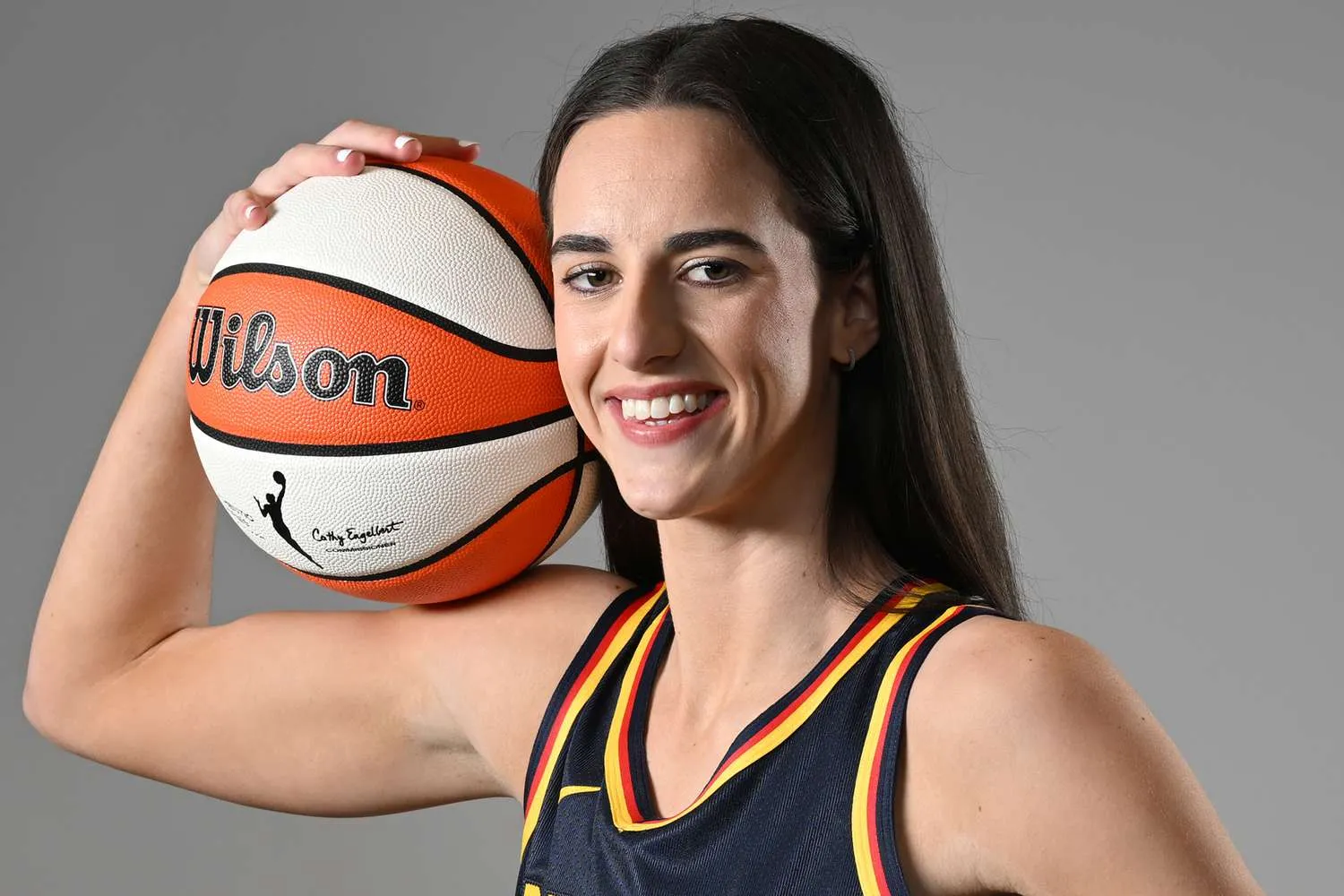
Team USA’s training camp is being led by head coach Kara Lawson, whose emphasis on accountability and basketball IQ aligns well with Clark’s strengths. Supported by a staff that includes respected WNBA coaches like Stephanie White and Natalie Nakase, the environment is designed to challenge players mentally as much as physically.
For Clark, this camp feels less like a trial run and more like a checkpoint. She has already proven she can score at will. Now, the focus shifts to how she reads the game, elevates teammates, and handles pressure among the best players in the world.
Sue Bird’s praise suggests that Clark is meeting those expectations early. Her engagement, professionalism, and adaptability indicate she is prepared not just to participate, but to belong.
What Comes Next for Caitlin Clark
As camp begins, the spotlight naturally turns to how Clark performs once competition resumes. Yet even before that happens, her reputation continues to evolve. No longer viewed solely as a high-volume shooter or viral sensation, Clark is being recognized as a leader with long-term value to the program.
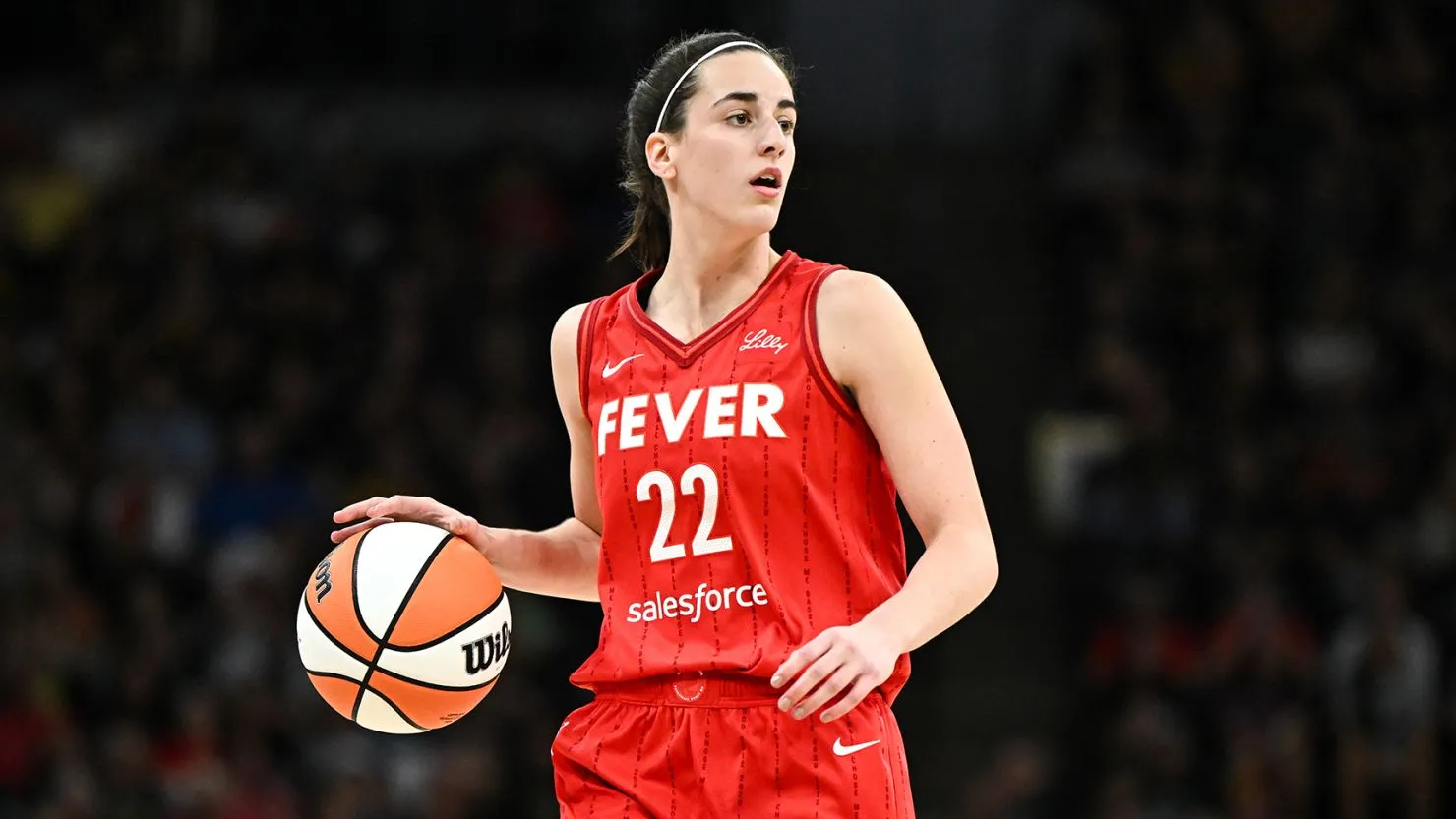
With her health trending in the right direction and her confidence intact, the timing feels right. For Clark, this moment represents more than a return—it is a statement that she is ready for the next era of women’s basketball.
And for Team USA, it may be the first real glimpse of a future core built not just on talent, but on maturity, accountability, and competitive fire.







