

 Vietnamese
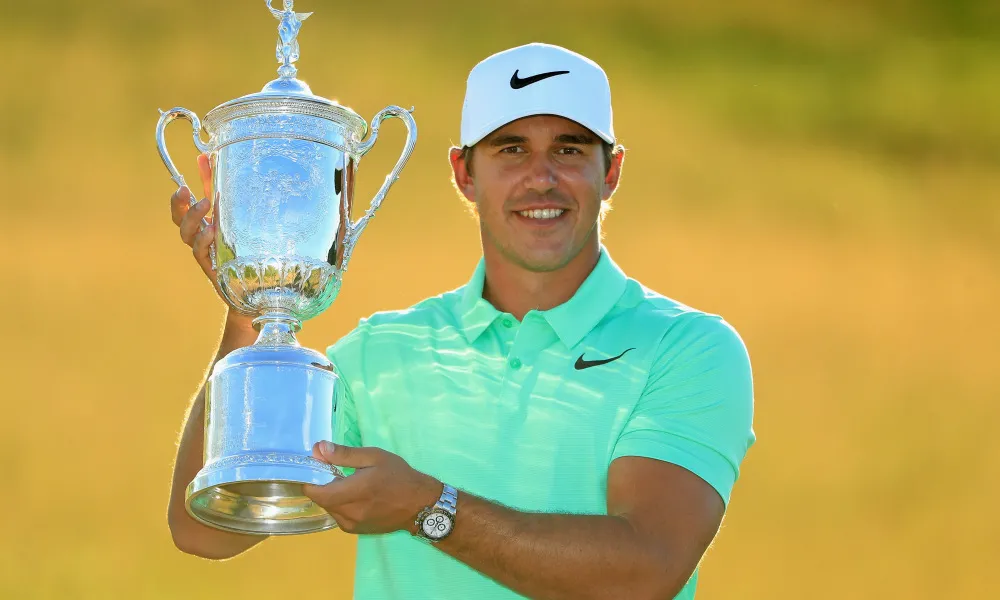
The future of professional golf remains deeply entangled in politics, power, and personalities—and few storylines capture that tension better than the growing speculation around Brooks Koepka. Once the undisputed major champion of his generation, Koepka’s career trajectory now appears tied less to scorecards and more to boardroom decisions.
At the center of it all stands Tiger Woods, whose influence over the PGA Tour has never been stronger. As Koepka’s intentions regarding a potential PGA Tour return become public, one reality is clear: Tiger Woods may hold the deciding vote over whether that door truly opens.
This article breaks down why Koepka’s fate could hinge on Woods, how golf’s fractured ecosystem created this moment, and what it means for the future of elite men’s golf.
Brooks Koepka: From Major King to Golf’s Most Watched Question Mark


At his peak, Brooks Koepka was the most feared player in major championships. His résumé includes:
-
Multiple PGA Championships
-
U.S. Open victories
-
A reputation for thriving under pressure
Koepka built his legacy on raw power, mental toughness, and a playoff-level mindset that separated majors from regular tour events.
Yet despite that dominance, Koepka’s career took a controversial turn when he joined LIV Golf, a move that reshaped his relationship with the PGA Tour—and potentially his long-term legacy.
Why Koepka Chose LIV Golf in the First Place
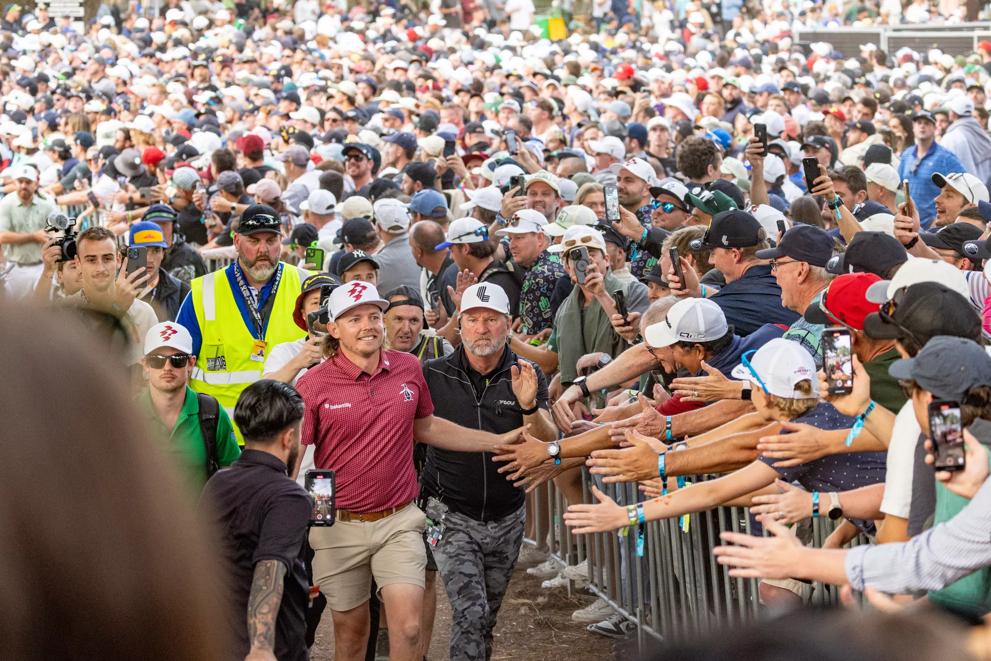


Koepka’s move to LIV Golf was driven by several factors:
-
A lighter schedule that suited his injury history
-
Massive guaranteed earnings
-
Reduced weekly grind compared to the PGA Tour
At the time, Koepka publicly downplayed tour politics, focusing instead on longevity and quality of life.
But golf, unlike most sports, never allows players to exist outside its politics for long.
The Problem: Majors, Legacy, and Limited Pathways


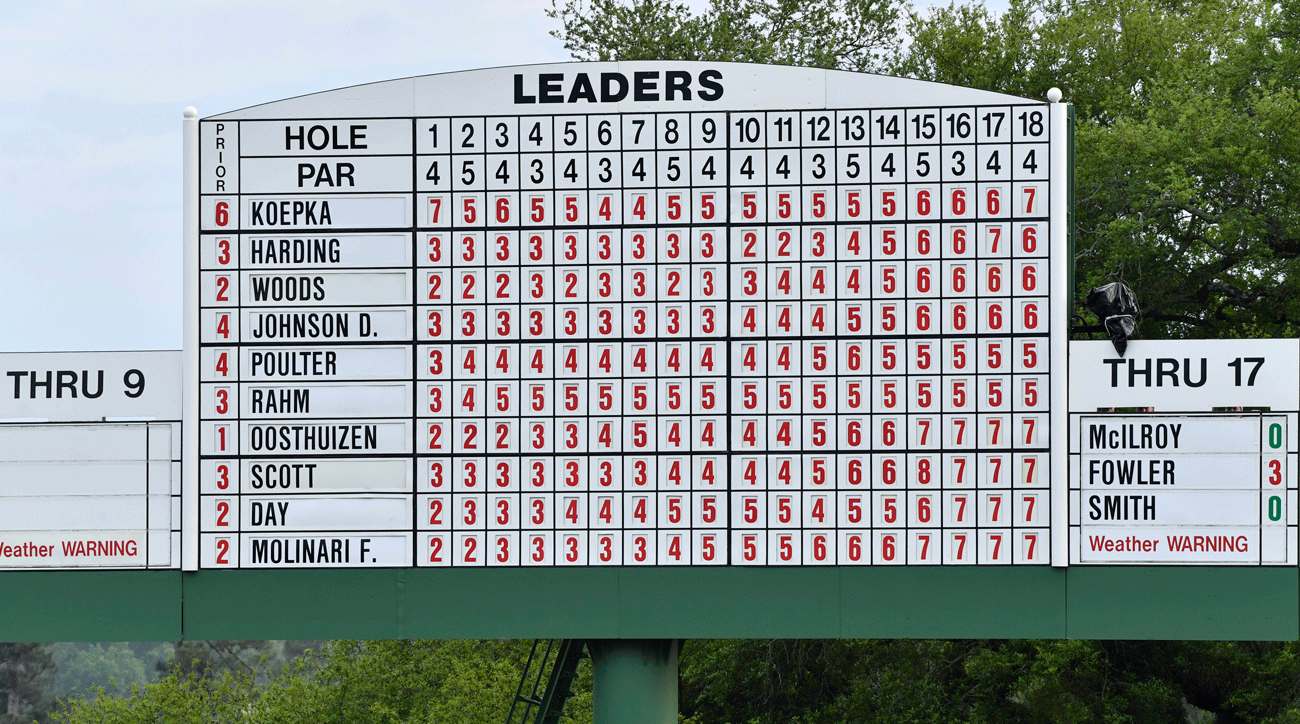
While LIV Golf offers financial security, it lacks:
-
Official world ranking points (historically)
-
Guaranteed major championship pathways
-
Long-term clarity about its place in golf history
For a player like Koepka—whose identity is deeply tied to majors—this creates tension.
Returning to the PGA Tour, or at least restoring access, could be crucial for:
-
Extending his major career
-
Cementing his historical standing
-
Maintaining competitive relevance
That’s where Tiger Woods enters the picture.
Tiger Woods: From Player to Power Broker
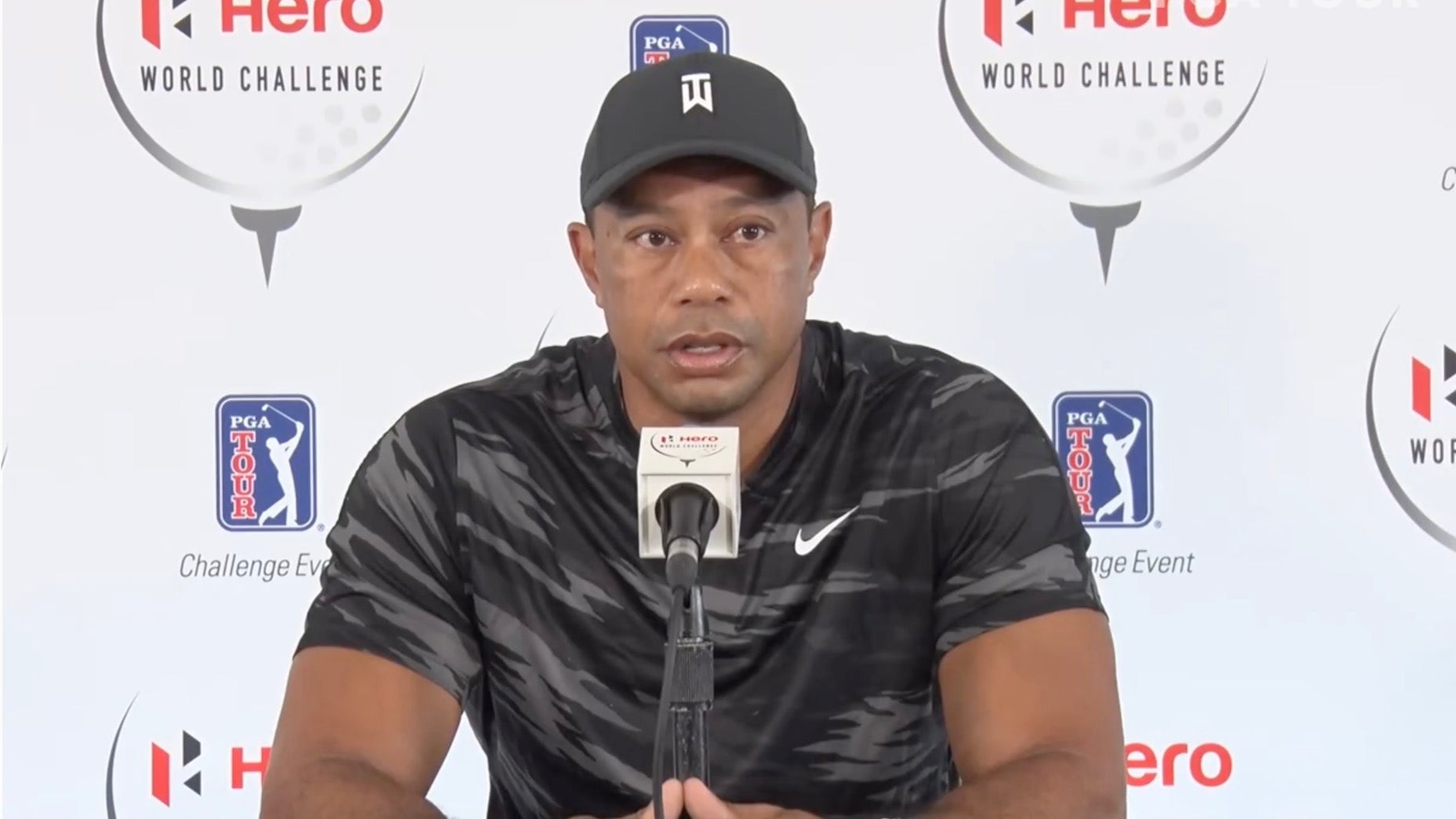


Tiger Woods is no longer just the face of golf—he’s one of its most powerful decision-makers.
In recent years, Woods has:
-
Joined the PGA Tour Policy Board
-
Become a central voice in negotiations with LIV-linked entities
-
Represented traditionalist values within the Tour
Few figures command the same respect, influence, and moral authority in golf.
If Tiger Woods opposes something, it carries real weight.
Why Woods’ Opinion Matters in Koepka’s Case


Koepka’s potential PGA Tour return isn’t just about eligibility—it’s about precedent.
Letting a high-profile LIV defector return without consequence could:
-
Undermine PGA Tour loyalty
-
Anger players who stayed
-
Weaken the Tour’s negotiating position
Woods has been vocal about protecting the Tour’s integrity, even while supporting eventual unity.
That makes him a gatekeeper.
What Koepka Has Said About a PGA Tour Return
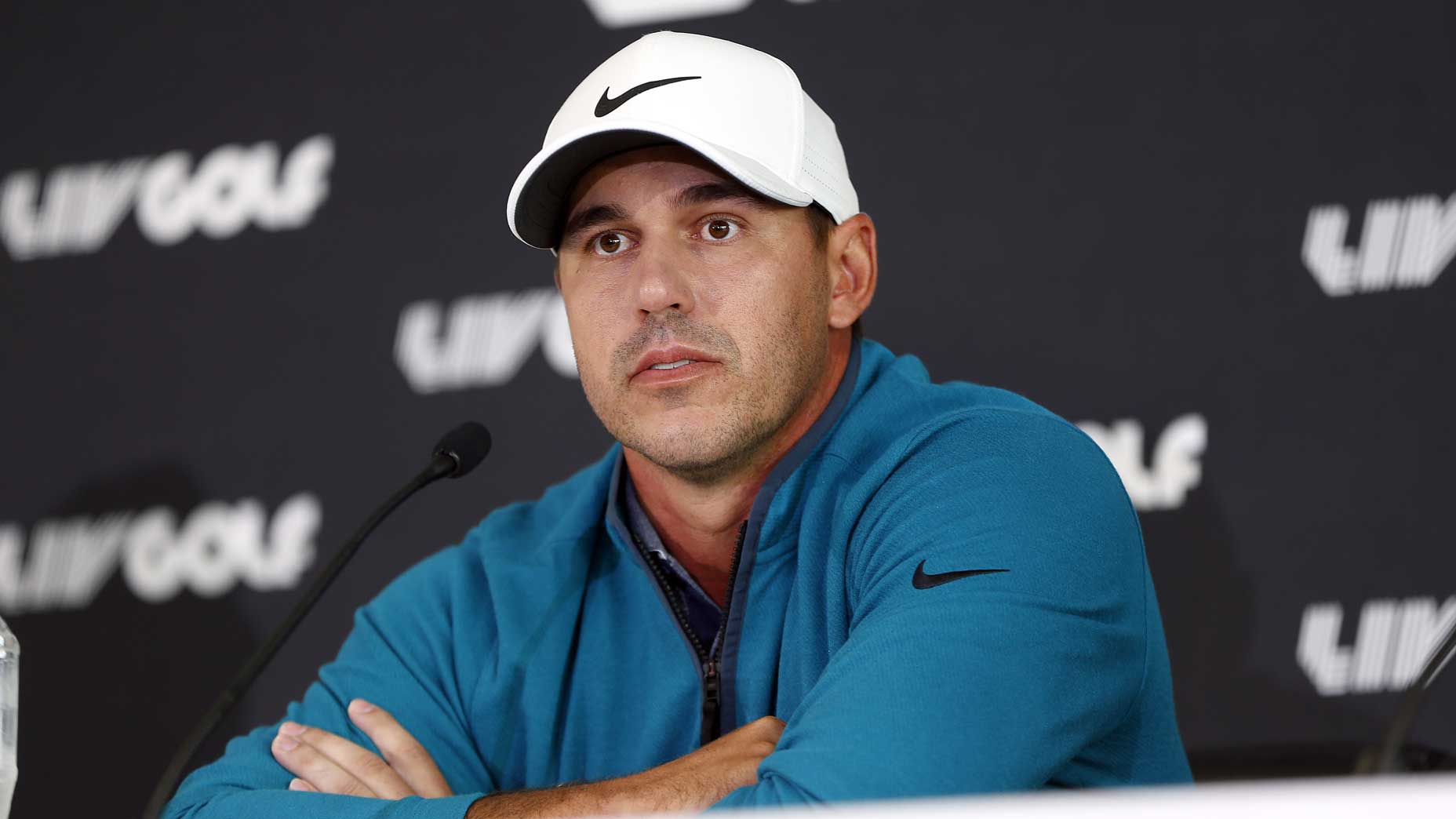

Koepka has stopped short of making definitive declarations, but recent comments suggest:
-
Openness to future changes
-
Acknowledgment of uncertainty
-
Focus on majors rather than tours
These remarks sparked speculation that Koepka may want options—not necessarily an immediate return, but a path back if circumstances change.
That path likely runs through Tiger Woods.
The Bigger Picture: Golf’s Civil War Isn’t Over




Despite merger talks and public statements, golf remains divided.
Key unresolved issues include:
-
Player reinstatement rules
-
Ranking points
-
Revenue sharing
-
Governance structure
Koepka’s situation represents a test case for how flexible—or firm—the PGA Tour intends to be.
Why Koepka Is Different From Other LIV Players

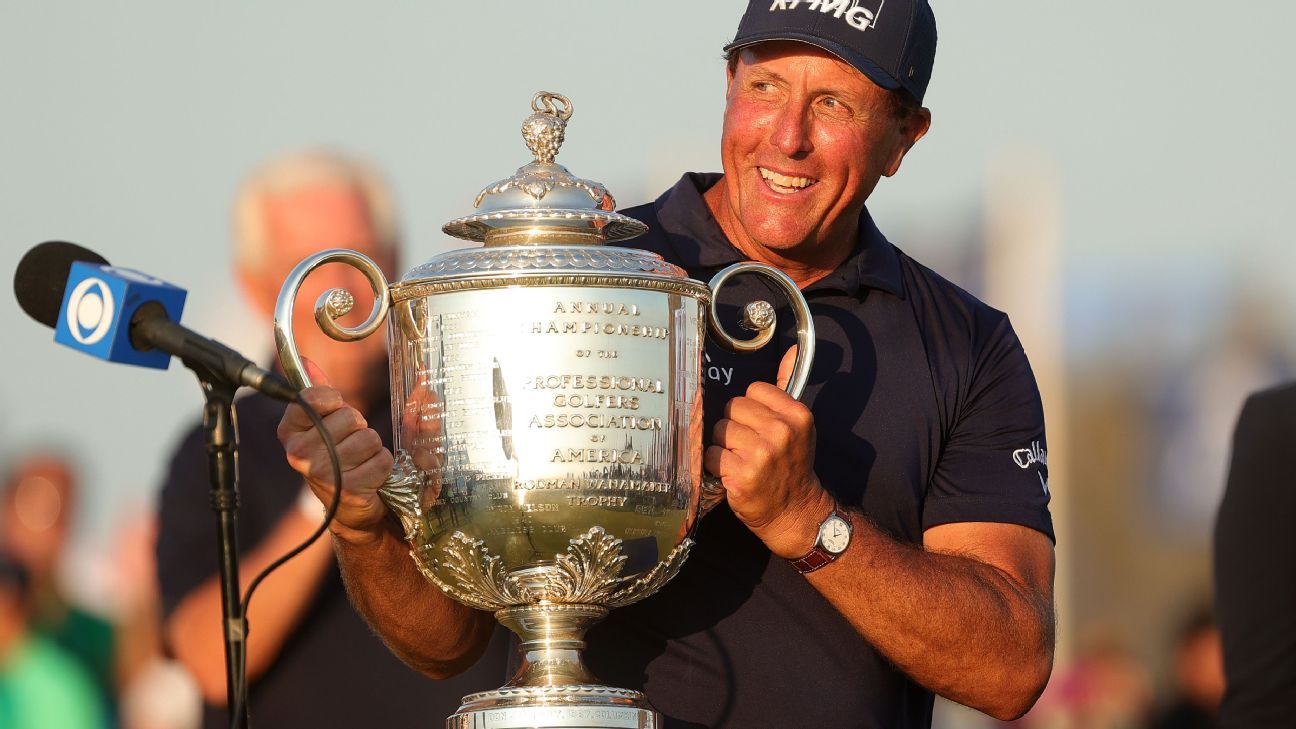


Not all LIV players are equal in stature.
Koepka offers:
-
Proven major dominance
-
Continued competitiveness
-
Massive fan recognition
If anyone could justify a return on merit alone, it’s him.
That makes the decision even more complicated.
The Tiger–Koepka Dynamic


There’s mutual respect between Woods and Koepka, but also philosophical differences.
Tiger built his career:
-
On PGA Tour loyalty
-
Relentless competition
-
Traditional golf structures
Koepka represents a newer generation willing to challenge those norms.
How Woods views Koepka’s choices may influence his stance.
Possible Outcomes for Koepka



Several scenarios are plausible:
1. Conditional Return
Koepka regains access under strict conditions, setting a precedent.
2. Major-Only Focus
He remains LIV-affiliated while chasing majors through exemptions.
3. Permanent Separation
The PGA Tour maintains a hard line, prioritizing principle over talent.
Tiger Woods’ influence looms over all three.
What This Means for the PGA Tour


How the Tour handles Koepka will signal:
-
Its willingness to forgive
-
Its strategy for reunification
-
Its long-term identity
Woods, as a symbol of PGA Tour legacy, embodies those values.
Fan Reaction: Divided but Passionate
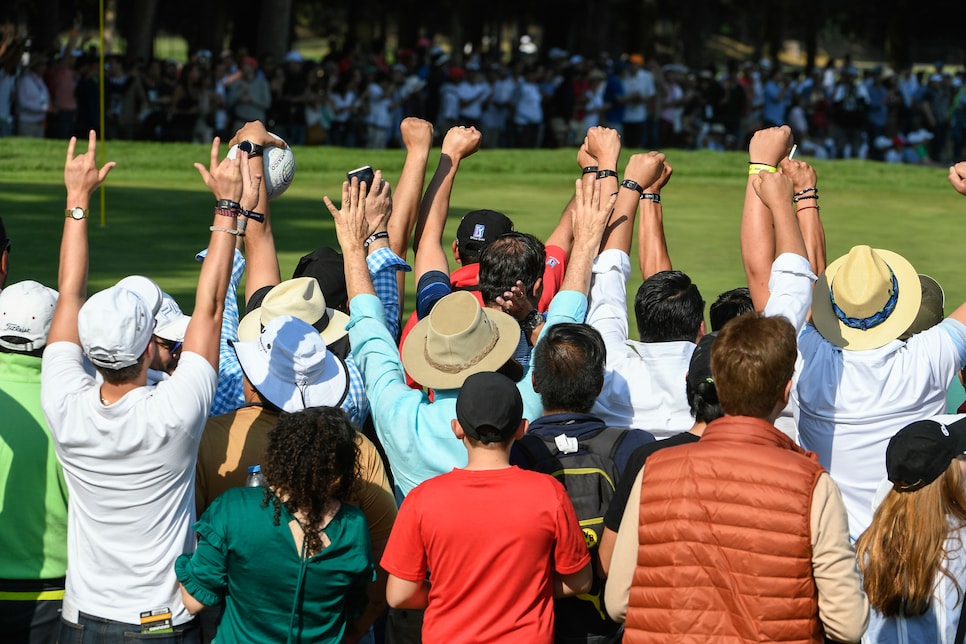



Fans remain split:
-
Some want the best players competing together
-
Others believe choices should carry consequences
Koepka’s popularity ensures the debate won’t fade quietly.
Why This Story Goes Beyond One Golfer



This isn’t just about Koepka.
It’s about:
-
Who controls professional golf
-
Whether loyalty still matters
-
How legacy is defined in a changing sports economy
Tiger Woods represents the past and present. Koepka symbolizes the future’s uncertainty.
Final Takeaway
Brooks Koepka’s golf destiny may no longer be decided solely by birdies and bogeys. As his PGA Tour return intentions surface, the spotlight shifts to Tiger Woods—golf’s most influential voice.
Whether Woods becomes a bridge-builder or a gatekeeper could shape not only Koepka’s future, but the future of professional golf itself.
In a sport built on tradition, this moment feels like a crossroads—and the next move may come not from the tee box, but the boardroom.


