

 Vietnamese
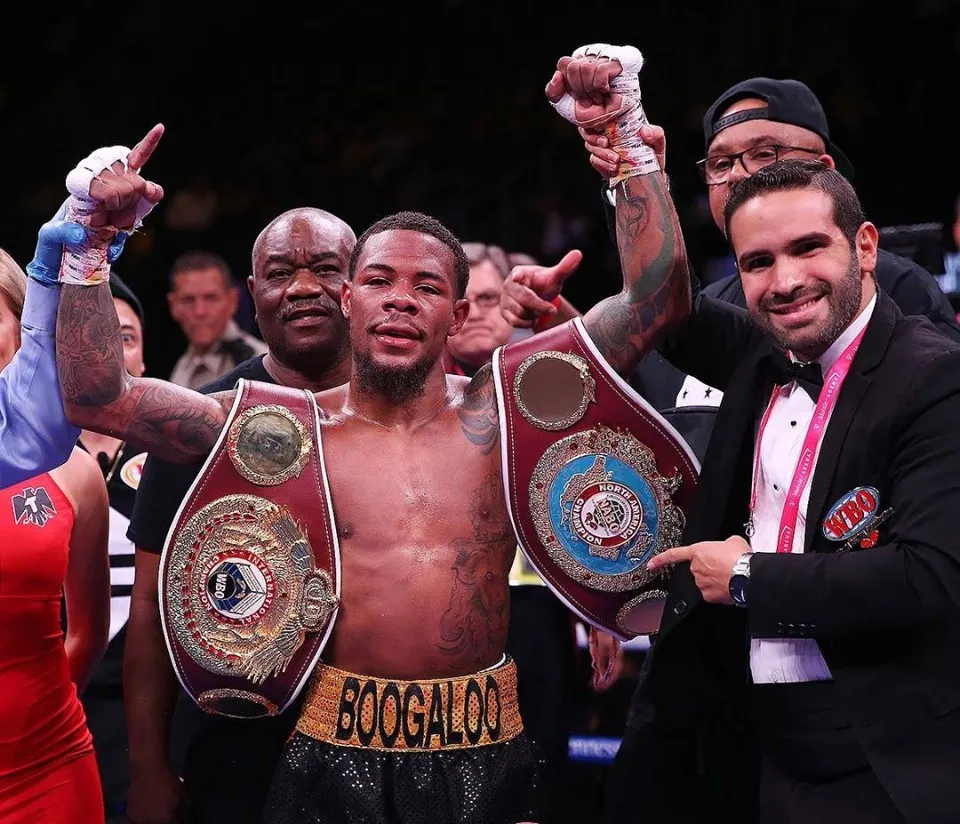
The boxing world has never been short on controversy. From disputed scorecards to heated press conferences, conflict often fuels the sport’s popularity just as much as the action inside the ring. But following the majority draw between Isaac “Pitbull” Cruz and Lamont Roach Jr., the spotlight unexpectedly shifted away from the fighters and onto one of boxing’s most recognizable media figures.
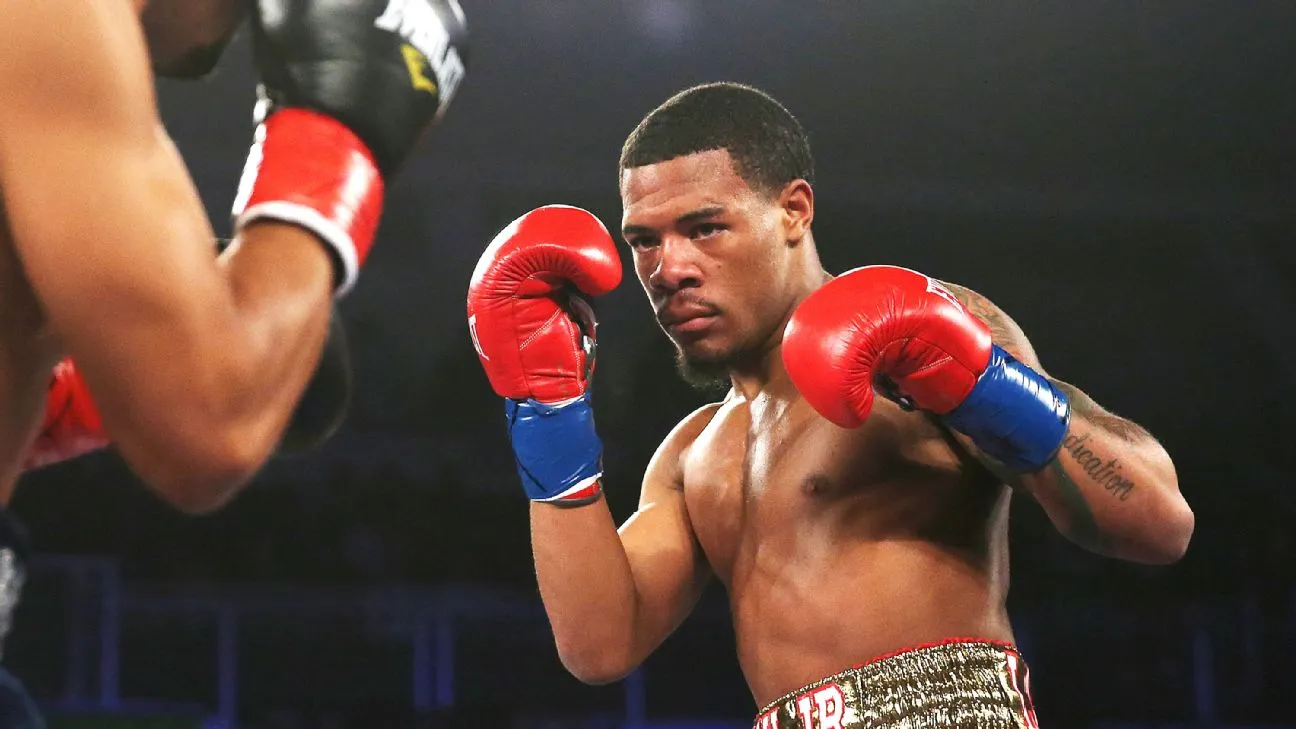
Elie Seckbach, a long-standing and highly visible reporter in the boxing community, found himself at the center of a growing backlash after a sharp, personal exchange with Roach Jr. on social media. What began as disagreement over a fight result quickly escalated into a public feud that has since raised uncomfortable questions about professionalism, bias, and the evolving role of boxing journalists in the digital age.
A Draw That Sparked More Than Debate
The Isaac Cruz vs. Lamont Roach Jr. bout delivered exactly what fans expected: intensity, pressure, and momentum swings that made scoring difficult. When the judges returned a majority draw, reactions were split almost instantly. Many viewers believed Cruz’s aggression and volume gave him the edge, while others felt Roach’s composure and counterpunching warranted more credit.
Among those dissatisfied with the outcome was Elie Seckbach. Known for his outspoken opinions and confrontational interview style, Seckbach did not hide his belief that Roach Jr. had benefited from the decision rather than earned it outright.
The tension escalated when Roach Jr. posted a cryptic celebratory message online following the fight. While the comment itself was vague, Seckbach interpreted it as arrogance rather than relief and responded bluntly, accusing Roach of losing the fight and receiving what he called a “gift” draw.
That reply reopened old wounds.
History Repeats Itself: The Gervonta Davis Factor
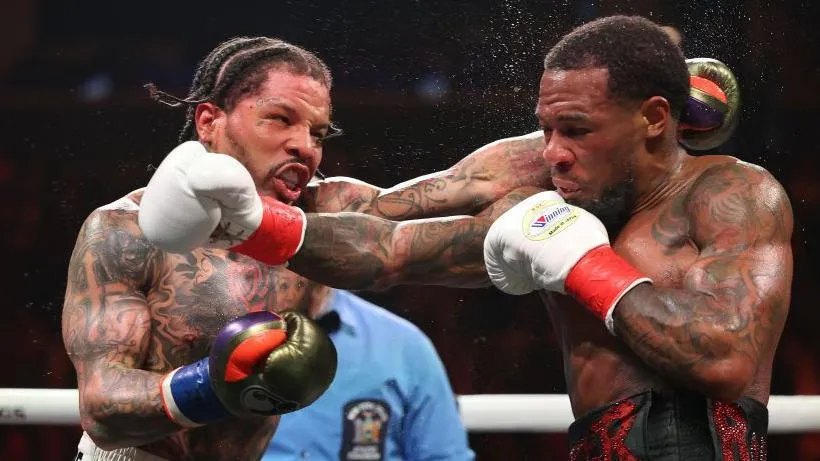
The friction between Seckbach and Roach Jr. did not originate with Isaac Cruz. Months earlier, Roach Jr. had faced Gervonta “Tank” Davis in a highly competitive fight that ended in a majority draw. While many fans argued Roach deserved the win for pushing Davis to the limit, Seckbach stood nearly alone among prominent voices in insisting Davis had done enough.
That stance did not go unnoticed.
To Roach Jr., Seckbach’s continued criticism felt less like analysis and more like personal targeting. So when Seckbach resurfaced after the Cruz fight with similarly harsh commentary, Roach responded directly mocking the reporter and suggesting his loyalty to Davis clouded his judgment.
The exchange quickly devolved from boxing debate into personal insults.
When a Reporter Becomes the Story
Seckbach, never one to back down, fired back with comments that many viewed as crossing a line. His response shifted focus away from fight analysis and toward Roach Jr.’s appearance, preparation, and perceived maturity.
At that moment, the dynamic changed.

What had started as a disagreement over scorecards turned into a public spectacle one where a reporter was no longer reporting but participating. And in boxing, where emotions already run high, that distinction matters.
Several figures within the boxing media community began to weigh in, warning Seckbach that his words could carry real-world consequences.
Warnings From the Boxing Community
The Boxing Heads Podcast was among the first to sound the alarm, pointing out the inherent risk of antagonizing an active fighter. Boxing is not a sport where heated online exchanges stay theoretical.
“This is wild knowing you may see this man again,” the podcast noted, emphasizing that words spoken online can echo loudly in gyms, arenas, and future press events.
Their concern wasn’t just about safety it was about credibility.
When reporters engage fighters with hostility rather than scrutiny, lines blur. Objectivity erodes. And once trust is lost, access often follows.
Calls to Drop the ‘Reporter’ Label
Perhaps the strongest criticism came from respected boxing analyst Dan Canobbio. While acknowledging Seckbach’s early contributions to YouTube boxing coverage, Canobbio argued that his recent behavior undermined the very role he claimed to represent.
“I respect what Elie did for YouTube boxing 15 years ago,” Canobbio said, “but he’s progressively become a joke. Just take ‘reporter’ out of your name because this is the behavior of a troll.”
That comment struck a nerve because it touched on a broader industry debate: What does it mean to be a boxing reporter in 2025?
In an era driven by clicks, virality, and personal brands, the traditional boundaries between journalist, commentator, and provocateur are increasingly blurred.
Was Seckbach Actually Wrong?
Despite the backlash, one inconvenient truth remains: Elie Seckbach was far from alone in thinking Isaac Cruz edged the fight. Numerous analysts, former fighters, and fans expressed similar opinions after the bout.
The difference wasn’t the take it was the tone.
Seckbach’s critics largely agree that disagreement is part of the job. What they objected to was the personalization of that disagreement, especially when aimed at an active fighter with a growing profile.
In boxing, criticism carries weight. Fighters sacrifice years of their lives, endure punishment, and stake their identities on results that are often subjective. When critique becomes dismissive or mocking, resentment is almost inevitable.
Errol Spence Jr. Adds Perspective
Adding another layer to the discussion, former unified welterweight champion Errol Spence Jr. offered his own assessment of the Cruz–Roach fight. Watching from ringside at the Frost Bank Center, Spence acknowledged the closeness of the contest while subtly siding with Cruz.
“It was a good fight,” Spence said. “Cruz lived up to his nickname, being Pitbull, coming forward and throwing a lot of punches. Lamont was trying to stay focused. I had it kind of close, but I did think Cruz edged it a little bit.”
Crucially, Spence delivered his opinion without controversy. No insults. No personal shots. Just analysis.
That contrast highlighted the issue many had with Seckbach: not what he said, but how he said it.
The Thin Line Between Access and Alienation
Boxing journalism is built on relationships. Reporters rely on access to fighters, trainers, promoters, and camps. Fighters, in turn, tolerate criticism as long as it feels fair.
When that balance breaks, consequences follow.
Seckbach’s style - direct, aggressive, and sometimes abrasive - has always polarized audiences. For years, that approach helped him stand out. But as the sport evolves and fighters become more media-savvy, tolerance for perceived disrespect is shrinking.
Lamont Roach Jr. is not a fringe contender. He is a skilled, confident fighter with momentum and visibility. Burning bridges with athletes like him can close doors quickly.
Bias, Branding, and the New Media Era
Another underlying issue exposed by this feud is bias: real or perceived. Whether or not Seckbach favors certain fighters is almost beside the point. What matters is how audiences interpret his behavior.
When a reporter repeatedly criticizes the same fighter while defending others, narratives form. In the social media age, those narratives spread faster than context ever could.
At the same time, many media figures now operate as brands rather than institutions. Engagement drives revenue. Controversy fuels visibility. And restraint often loses to reaction.
The Seckbach–Roach conflict may ultimately be a case study in what happens when those forces collide.
Where Does Boxing Go From Here?
The fallout from this exchange is still unfolding. Whether Seckbach adjusts his approach or doubles down remains to be seen. Whether Roach Jr. uses the criticism as motivation or as fuel for future confrontations also remains open.
What’s clear is that boxing media is at a crossroads.
Fans crave honesty, but fighters demand respect. Reporters want relevance, but credibility still matters. Navigating those tensions requires balance, something increasingly difficult in a digital-first ecosystem.
A Teachable Moment for the Sport
At its core, this controversy isn’t about one reporter or one fighter. It’s about boundaries. About how disagreement should look in a sport built on toughness but sustained by mutual respect.
Isaac Cruz and Lamont Roach Jr. gave fans a compelling fight. Unfortunately, the aftermath became louder than the bout itself.

As boxing continues to grow online, moments like this will likely become more common. The challenge for reporters and fighters alike is deciding whether escalation serves the sport, or distracts from it.
Because in boxing, words can hit almost as hard as punches.







