

 Vietnamese
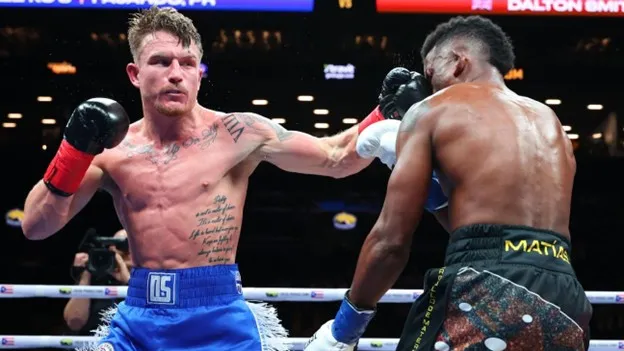
Boxing in 2026: Comebacks, Controversies, and the New Era of the Sweet Science
Boxing in 2026 is louder, faster, and more unpredictable than ever before. The sport is experiencing a unique blend of nostalgia and innovation, where legendary figures are teasing returns while a new generation of fighters is rapidly reshaping the landscape. From blockbuster comeback talks to shifting broadcasting deals and rising young stars, the fight game is evolving in ways fans haven’t seen in decades.
Whether you’re a longtime follower or just stepping into the ring as a fan, 2026 is delivering storylines that feel straight out of a Hollywood script.
The Comeback Era: Legends Refuse to Fade Away
One of the biggest narratives dominating boxing headlines this year is the return—or potential return—of legendary fighters.
The name on everyone’s lips? Mike Tyson.
Rumors of Tyson stepping back into the ring in 2026 have reignited global excitement. The former heavyweight champion, already known for holding a 40-year professional boxing timeline, could extend his legacy even further if he participates in another exhibition bout.
At the same time, veteran fighter Oliver McCall is also eyeing a return, potentially threatening Tyson’s longevity record. This unexpected twist highlights a fascinating trend—boxing legends are no longer retiring quietly. Instead, they’re finding new ways to stay relevant, whether through exhibitions, influencer bouts, or crossover events.
Meanwhile, Tyson Fury is preparing for a high-profile return to the ring after a brief retirement, with a scheduled bout already stirring excitement among fans.
This wave of comebacks reflects something deeper: boxing’s ability to blend legacy with entertainment. Fans aren’t just watching fights—they’re witnessing history stretch across generations.
Anthony Joshua and the Emotional Side of Boxing
Another compelling storyline comes from Anthony Joshua, who is preparing for a return following personal tragedy.
Joshua recently shared intense training footage, signaling his readiness to step back into competition. His comeback is fueled not just by ambition, but by emotional resilience after losing close friends.
In modern boxing, fighters are no longer just athletes—they are storytellers. Personal journeys, struggles, and triumphs have become just as important as titles and belts.

The Business of Boxing Is Changing Fast
Beyond the ring, boxing is undergoing a major transformation in how it is consumed.
A major development in 2026 is the multi-year deal between Top Rank and DAZN, which positions DAZN as a dominant platform for global boxing content.
This partnership signals a shift away from traditional pay-per-view models toward streaming-first experiences. Fans now expect instant access, global broadcasts, and high-quality production—all on demand.
At the same time, Zuffa Boxing is continuing to disrupt the industry. Backed by UFC leadership, the promotion is pushing for a system that prioritizes competitive matchups over protecting undefeated records.
This shift could redefine how fights are made—and more importantly, how champions are crowned.
Sanctioning Drama and Belt Confusion
While innovation is exciting, boxing still struggles with one of its oldest problems: too many belts and conflicting organizations.
Recently, controversy erupted when the WBO refused to sanction a fight due to disagreements over a newly created commemorative belt.
These kinds of disputes highlight ongoing fragmentation within the sport. For fans, it often becomes difficult to determine who the “real” champion is in any given division.
However, this chaos also creates opportunity. Promotions like Zuffa Boxing aim to simplify the system, potentially leading to a more unified and transparent future.
Rising Stars Ready to Take Over
While legends dominate headlines, the future of boxing belongs to its rising stars.
One name generating buzz is Ben Whittaker, an Olympic silver medalist who is quickly becoming one of the sport’s most exciting personalities. Known for his flashy style and confident persona, Whittaker represents the modern boxing superstar—part athlete, part entertainer.
Young fighters today understand the importance of branding. Social media presence, personality, and fan engagement are now just as critical as performance in the ring.
Other prospects across various promotions are also gaining traction, benefiting from increased exposure through streaming platforms and global events.
Women’s Boxing Continues to Rise
Women’s boxing is no longer a side attraction—it’s a central part of the sport’s growth.
Champions like Claressa Shields have already made history with record-breaking achievements and lucrative contracts, setting new standards for female fighters.
At the amateur level, Olympic champion Lin Yu-ting has recently been cleared to compete again, bringing renewed attention to women’s competitions and the evolving policies surrounding athlete eligibility.
As investment and visibility continue to grow, women’s boxing is expected to play an even bigger role in shaping the sport’s future.

Influencer Boxing and Crossover Fights
Another trend that refuses to slow down is influencer boxing.
Events organized by promotions like Misfits Boxing continue to attract massive online audiences, blending entertainment with competition.
Meanwhile, crossover fights between MMA fighters and boxers remain a hot topic. However, not all attempts succeed. For example, UFC veteran Dustin Poirier’s ambitions to enter boxing were recently blocked due to promotional restrictions.
These developments show that while crossover appeal is strong, the business side of boxing still controls who gets to step into the ring.
Global Events and the Olympic Influence
Boxing’s global presence remains strong, with major international competitions continuing to showcase top talent.
The 2026 Commonwealth Games, set to take place in Glasgow, will feature boxing as a core event, reinforcing its importance on the world stage.
Amateur competitions like these serve as a pipeline for future champions, many of whom will transition into the professional ranks in the coming years.

What Fans Can Expect Moving Forward
If 2026 has proven anything, it’s that boxing is far from predictable.
Fans can expect:
- More high-profile comebacks from legendary fighters
- Increased investment in streaming and digital platforms
- Continued rise of young, marketable stars
- Greater visibility for women’s boxing
- Ongoing debates over titles and regulations
In short, boxing is evolving into a hybrid sport—part competition, part entertainment spectacle.
Conclusion: A Sport Reinventing Itself
Boxing in 2026 stands at a crossroads between tradition and transformation.
Legends like Mike Tyson remind fans of the sport’s rich history, while rising stars like Ben Whittaker point toward its future. Meanwhile, business shifts involving DAZN and Zuffa Boxing are redefining how boxing is delivered to audiences worldwide.
The result? A sport that is no longer confined to the ring.
Boxing today is global, digital, and deeply personal—where every punch tells a story, and every fight shapes the next chapter of its legacy.
As the year unfolds, one thing is certain: the sweet science is entering one of the most exciting eras in its history.







