

 Vietnamese
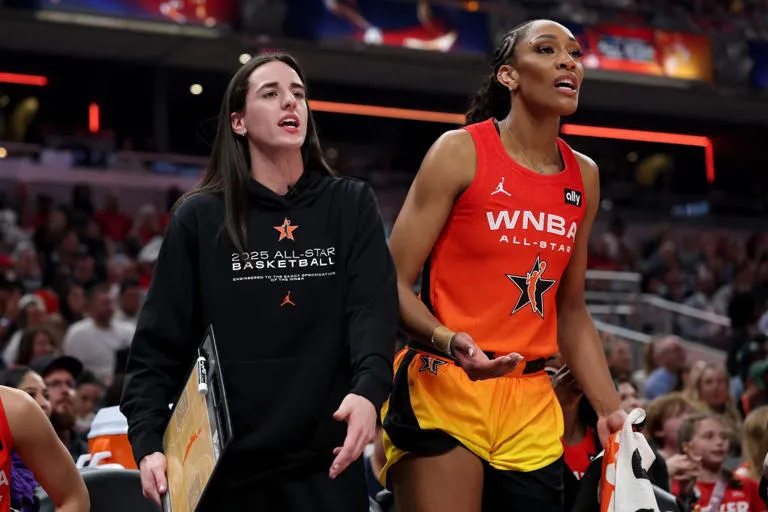
A’ja Wilson’s résumé now stands alone in women’s basketball history
At this point, excellence is the default expectation for A’ja Wilson. Season after season, she has redefined what dominance looks like in women’s basketball, to the point where even historic achievements barely register as surprises anymore. Wilson’s latest résumé line is one no player in WNBA or NBA history can match: winning a championship while simultaneously claiming the scoring title, Finals MVP, regular-season MVP, and Defensive Player of the Year in the same season. That unprecedented run cemented her status not just as the face of the Las Vegas Aces, but as the most complete basketball player on the planet.
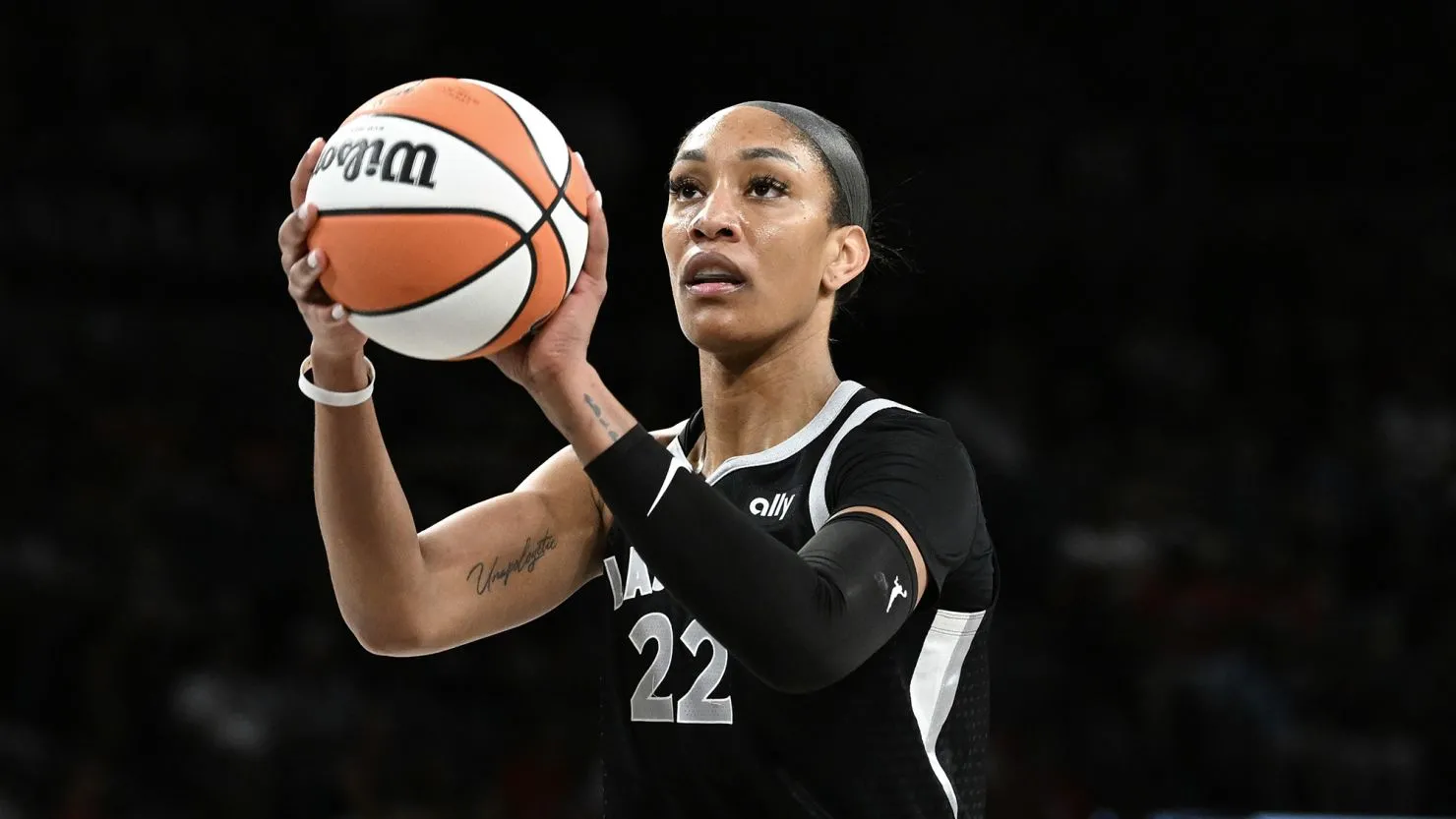
TIME Magazine’s decision to name Wilson its 2025 Athlete of the Year only reinforced what many within the sport already knew. Her impact goes beyond box scores, trophies, and advanced metrics. Wilson has become a cultural pillar for women’s basketball, representing both excellence and accountability at a time when the league is growing faster than ever before. Yet, despite her own towering legacy, much of the recent conversation around the WNBA has centered on another generational figure: Caitlin Clark.
Clark’s arrival triggered unprecedented attention, but it also unleashed narratives that forced veterans like Wilson to speak up about what the league should never lose in the process.
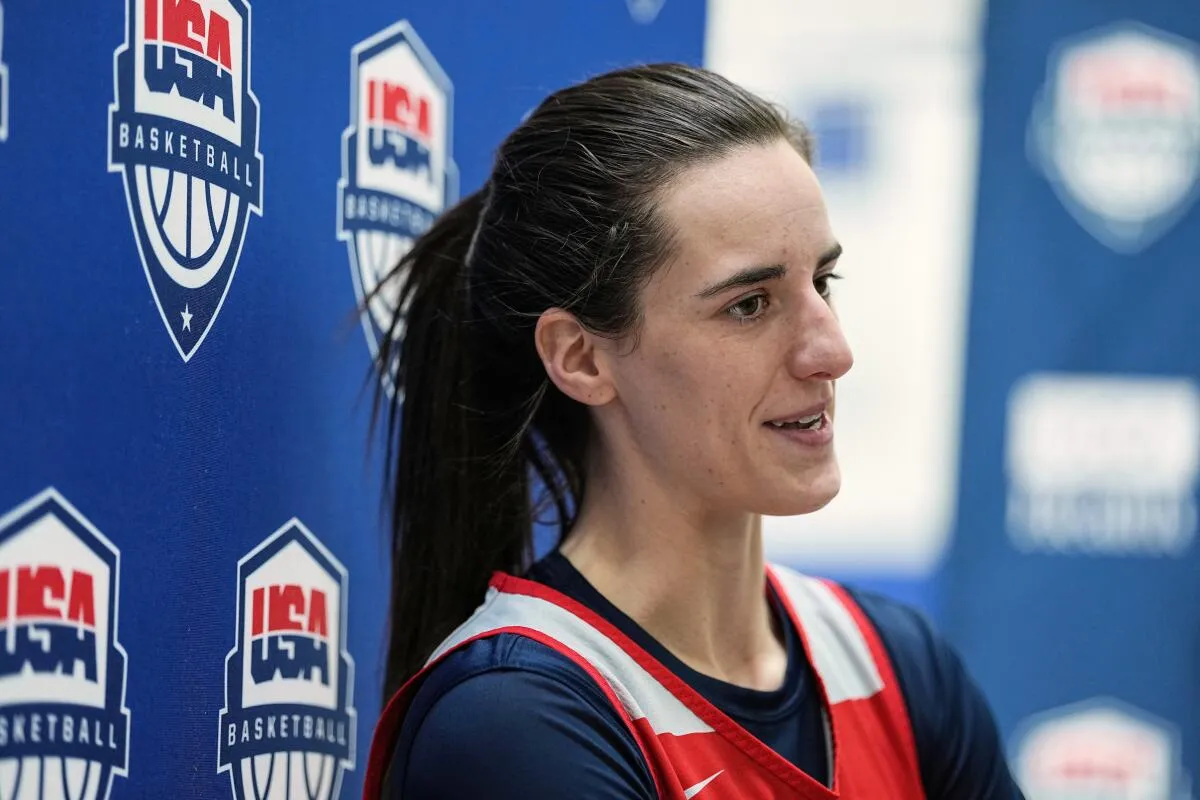
Caitlin Clark’s meteoric rise changed the conversation overnight
Few rookies in sports history have generated the level of attention Caitlin Clark brought to the WNBA. Her college dominance translated instantly into professional intrigue, driving record-breaking television ratings, sold-out arenas, and nonstop social media engagement. For the first time in years, the WNBA was no longer fighting for visibility. Instead, it was commanding national conversation on a nightly basis.
However, that surge of attention came with complications. Much of the media framing positioned Clark as the singular catalyst for the league’s success, often ignoring the decades of labor, sacrifice, and excellence that built the foundation she stepped onto. What should have been a celebration of collective growth frequently devolved into divisive debates, pitting Clark against established stars rather than acknowledging how the league thrives because of both.
For players like A’ja Wilson, the issue was never Clark herself. It was the narrative machinery surrounding her rise and how quickly history became an afterthought in the pursuit of viral storytelling.
A’ja Wilson explains why the noise never shook her confidence
Wilson made it clear that the controversy surrounding Clark’s rise never threatened her sense of self or her competitive focus. Having already built one of the strongest résumés in basketball history, Wilson understands that no fleeting media cycle can erase sustained greatness.
“It wasn’t a hit at me, because I’m going to do me regardless,” Wilson said, addressing the criticism and hostility that often accompanied conversations about Clark. “I’m going to win this MVP. I’ll win a gold medal. Y’all can’t shake my résumé.”
That confidence did not come from arrogance. It came from years of proof. Wilson’s concern was never about protecting her own status, but about protecting the integrity of the league’s story. She warned against losing sight of the players who endured underfunded seasons, limited exposure, and minimal support long before the spotlight arrived.
Her message was simple but firm: growth should not come at the expense of erasing the past.
The history of the WNBA nearly faded amid the hype
Wilson acknowledged that for a brief moment, the league’s collective memory seemed to disappear under the weight of constant comparisons and social media outrage. The conversation shifted from celebrating excellence to arguing over credit, identity, and legitimacy.
“It was erased for a minute, and I don’t like that,” Wilson admitted. “Because we have tons of women that have been through the grimiest of grimy things to get the league where it is today.”
Those words resonated deeply within the WNBA community. Many veterans felt the same frustration, watching their contributions minimized in favor of simplified narratives designed for clicks. Wilson’s willingness to say this publicly mattered. As the league’s most decorated active player, her voice carries authority, and she used it to redirect the conversation toward respect and continuity rather than division.
The numbers prove the league’s growth goes beyond one player
While Clark’s rookie season undoubtedly boosted interest, the idea that the WNBA’s momentum would collapse without her proved false almost immediately. During the 2025 season, viewership across ESPN platforms continued to rise by five to six percent per game, even though Clark missed most of the year due to injury.
For Wilson and her peers, those numbers were validation. They demonstrated that fans were staying because the product itself had reached a new level of quality, competitiveness, and emotional investment. The league had crossed a threshold where sustained growth no longer depended on a single storyline.
That reality strengthened the players’ position as they entered one of the most critical phases in league history: labor negotiations.
The WNBA now faces a defining economic crossroads
As attention around Clark dominated headlines, a far more consequential issue loomed behind the scenes. The WNBA’s collective bargaining agreement is set to expire on January 9, placing the league at a crossroads that could shape its future for decades.
Players have made it clear they are no longer willing to accept compensation models that lag far behind the revenue they generate. Franchise values are soaring, merchandise sales are booming, and the league has secured a lucrative new media rights deal. Yet player salaries remain a fraction of that growth.
Wilson, alongside fellow stars like Breanna Stewart and Napheesa Collier, is expected to be a central figure in the negotiations. Her message heading into those talks left no room for ambiguity.
“All of us are going to be at the table,” Wilson said. “And we’re not moving until we get exactly what we want.”
Tensions with the league office come into sharper focus
Wilson’s comments also shed light on underlying tensions between players and league leadership. Those tensions became public when Napheesa Collier openly criticized WNBA commissioner Cathy Engelbert, signaling a shift in how players are willing to engage with management.
Wilson addressed those reports with striking candor. Rather than sidestepping the controversy, she leaned into transparency.
“I only know Cathy by when she hands me trophies,” Wilson said. “If that’s her true self, thank you for showing that. Thank you for saying those things. Because now we see you for who you are, and now we’re about to work even harder at this negotiation.”
Her words suggested a turning point. The era of quiet compliance appears to be over. Players are now unified, informed, and prepared to leverage the league’s growth to demand structural change.
Revenue sharing becomes the core demand
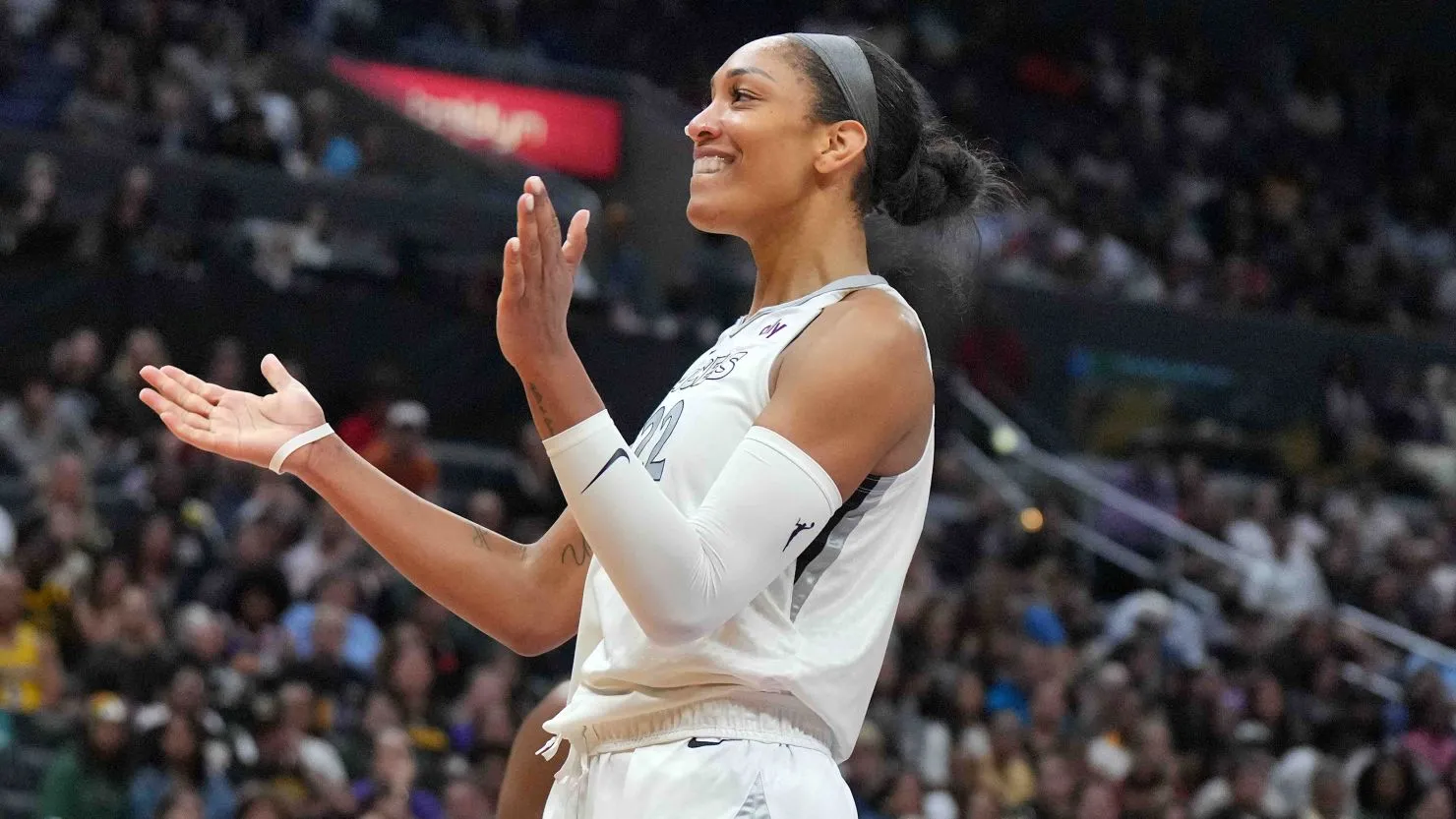
At the heart of the negotiations lies a straightforward principle: revenue-based compensation. Players are no longer asking for symbolic raises or incremental adjustments. They want a system that reflects their direct role in the league’s financial success.
Chelsea Gray articulated that position clearly, emphasizing that the issue goes beyond individual salaries.
“We just want a salary system based on the revenue that we generate,” Gray explained. “Like, it’s based on that, the working conditions for everyone.”
Reports suggest the league has proposed increasing the team salary cap from $1.5 million to $5 million, with future growth tied directly to revenue. Under the proposal, minimum salaries would rise to $225,000, average pay to $500,000, and maximum salaries to $1 million.
While that represents a significant improvement, players believe it still fails to capture the full value they provide.
The pay gap highlights the urgency for reform
The contrast between WNBA and NBA salaries continues to underscore the urgency of the moment. Wilson earned approximately $200,000 during her MVP season, despite being the most dominant player in the sport.
In the same year, NBA MVP Shai Gilgeous-Alexander earned $35.8 million and later signed a $273 million extension. While players understand structural differences between leagues, the gap has become increasingly difficult to justify as revenue and viewership climb.
For Wilson, the issue is not comparison for comparison’s sake. It is about fairness, sustainability, and ensuring future generations do not face the same limitations.
A lockout now threatens the league’s momentum
As negotiations intensify, the possibility of a WNBA lockout looms large. Such an outcome would stall the remarkable momentum the league has built over the past two seasons and risk alienating new fans who have only recently discovered the product.
Yet players appear willing to accept that risk if it means securing long-term change. Wilson’s stance reflects a broader shift in athlete empowerment, where stars recognize their collective leverage and are prepared to use it.
The message is clear: growth without equity is no longer acceptable.
TIME’s recognition places Wilson among cultural icons
Wilson’s TIME Athlete of the Year honor positions her alongside athletes whose influence extends far beyond sports. The magazine highlighted her leadership, resilience, and impact on young fans, including praise from LeBron James, who said Wilson gives his daughter “the kind of inspiration I got from Michael Jordan.”
That comparison captures Wilson’s unique role in this moment. She is both the league’s most accomplished player and one of its most thoughtful voices. As the WNBA navigates media narratives, labor negotiations, and cultural shifts, Wilson stands at the center of it all.
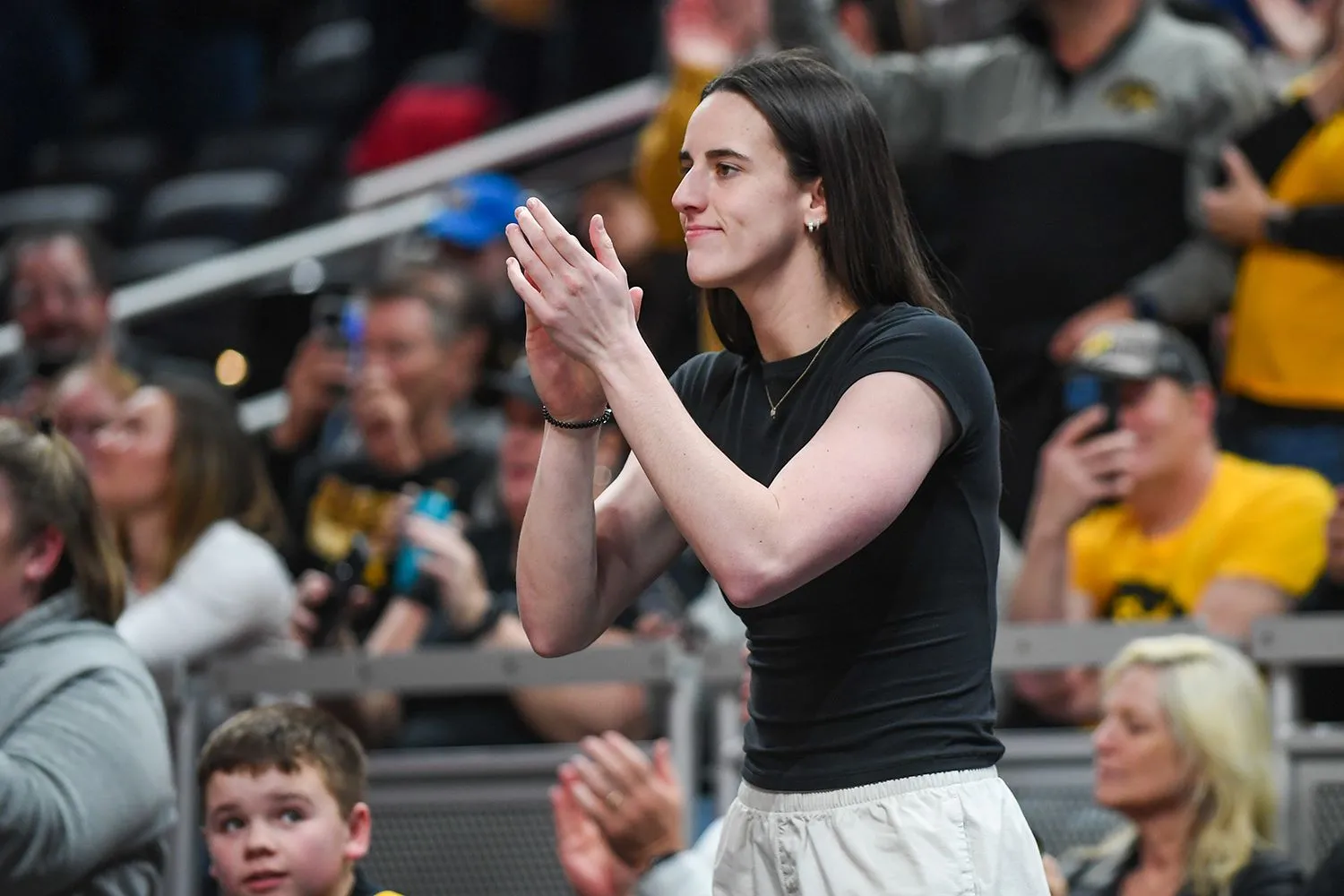
Her message regarding Caitlin Clark was never about diminishing a rising star. It was about ensuring that progress does not come at the cost of erasure.
As the league moves forward, one thing is certain: A’ja Wilson will not allow the WNBA to forget who built it or where it deserves to go next.







