

 Vietnamese
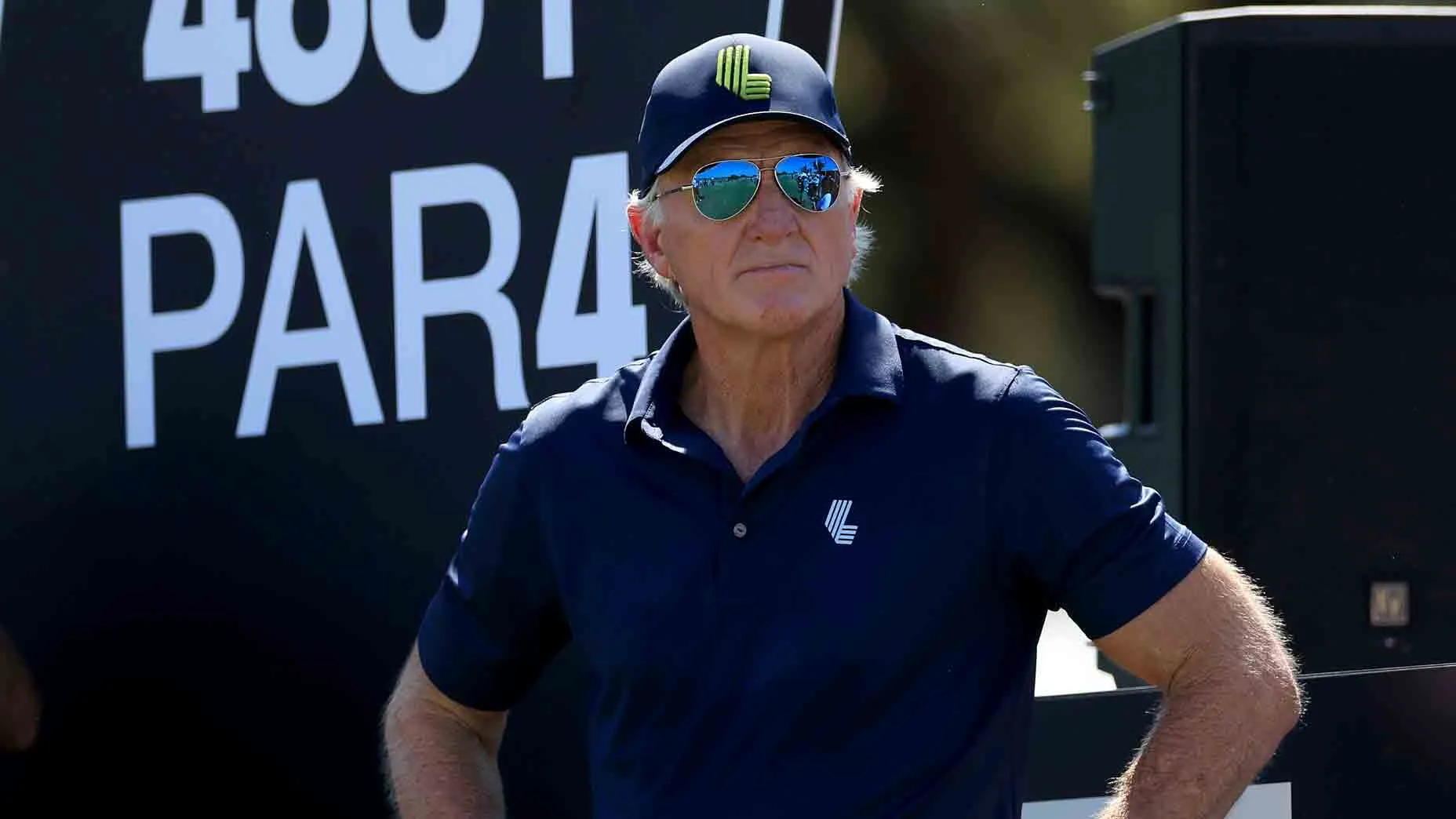
Greg Norman Thrown Under the Bus by Golf Insider After Alleging ‘Unfair’ Treatment
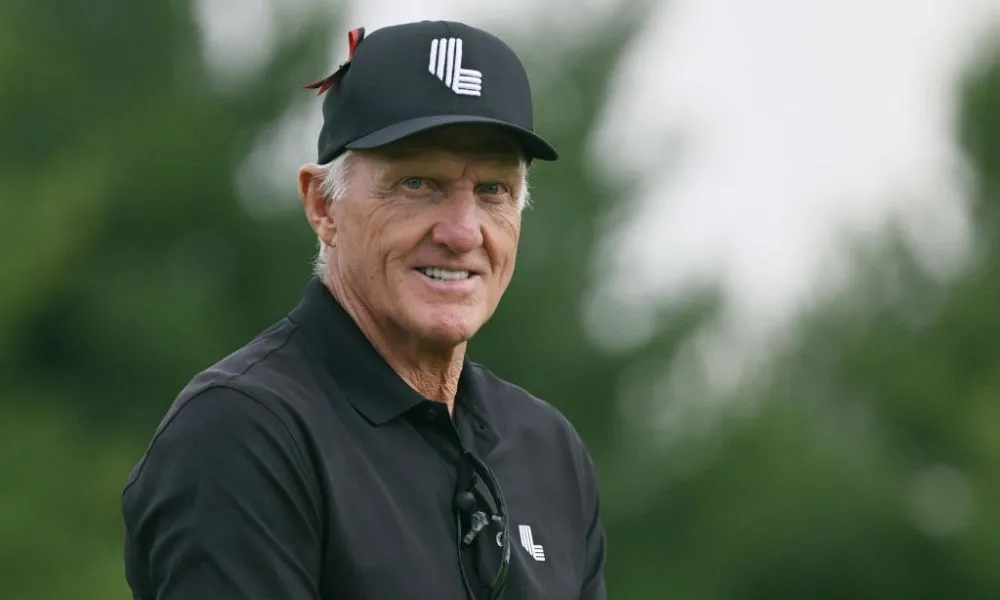
Greg Norman may no longer sit in the CEO’s chair at LIV Golf, but his voice continues to echo throughout the professional golf world. The Australian legend has repeatedly argued that elite golfers were subjected to “unfair” treatment under the PGA Tour’s long-standing system, particularly when it came to player autonomy and financial control. According to Norman, top players never truly owned their intellectual property rights, limiting their ability to maximize earnings beyond tournament purses. LIV Golf, in his view, was created as a necessary correction to that imbalance, a league designed to return power to the players themselves. However, as Norman continues to defend that legacy, the league he helped build is now being reshaped under a very different leadership philosophy.
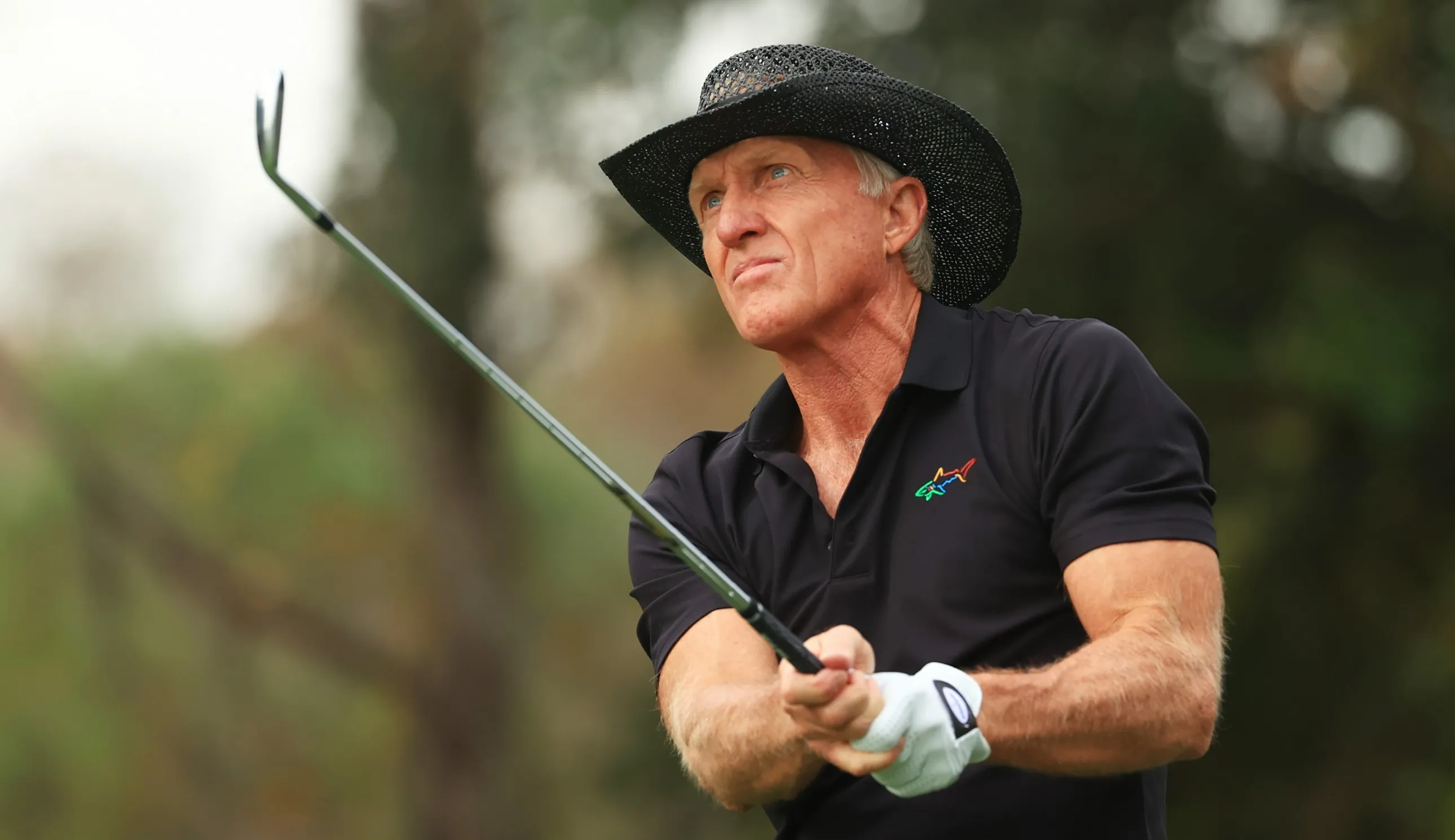
A Stark Contrast Emerges Between Greg Norman and His Successor
The changing tone inside LIV Golf has not gone unnoticed. Golf insider Gabby Herzig recently delivered a striking comparison that effectively placed Greg Norman’s leadership style under scrutiny while highlighting the contrast with current CEO Scott O’Neil. Speaking on a recent episode of 5 Clubs, Herzig was asked whether O’Neil would adopt a stronger public presence in 2026 after keeping a relatively low profile during his first year in charge. Her response revealed how sharply the two eras of LIV leadership differ, both in approach and philosophy.
Scott O’Neil’s Quiet First Year Was Strategic, Not Passive
According to Herzig, Scott O’Neil’s subdued media presence throughout 2025 was less about hesitation and more about intent. O’Neil “was new to his job” and “wasn’t doing a ton of media” during his inaugural year, choosing instead to operate behind the scenes. Herzig emphasized that O’Neil focused on executing concrete initiatives rather than engaging in public confrontation, citing key accomplishments such as securing the Fox Sports broadcast deal and overseeing the transition from LIV’s original 54-hole format to a more traditional 72-hole structure. These moves, she suggested, reflected a deliberate shift toward long-term stability rather than headline-grabbing controversy.
A Clear Break From Greg Norman’s Anti-Establishment Playbook
Herzig made it clear that O’Neil’s leadership marks a sharp departure from Greg Norman’s combative style. “He’s quite different from his predecessor in that he’s not taking this kind of anti-establishment approach,” she said. During discussions with O’Neil, Herzig and fellow journalist Brody Miller pressed him on whether LIV’s move to 72 holes represented genuine innovation or simply a return to golf’s traditional roots. O’Neil’s response signaled a tone rarely associated with LIV’s earlier messaging, stating that “there is a purity to the game that needs to be upheld.” Herzig did not mince words in assessing the significance of that comment: “I don’t think we would have ever heard a word like that come out of Greg Norman’s mouth in the previous administration at LIV Golf.”
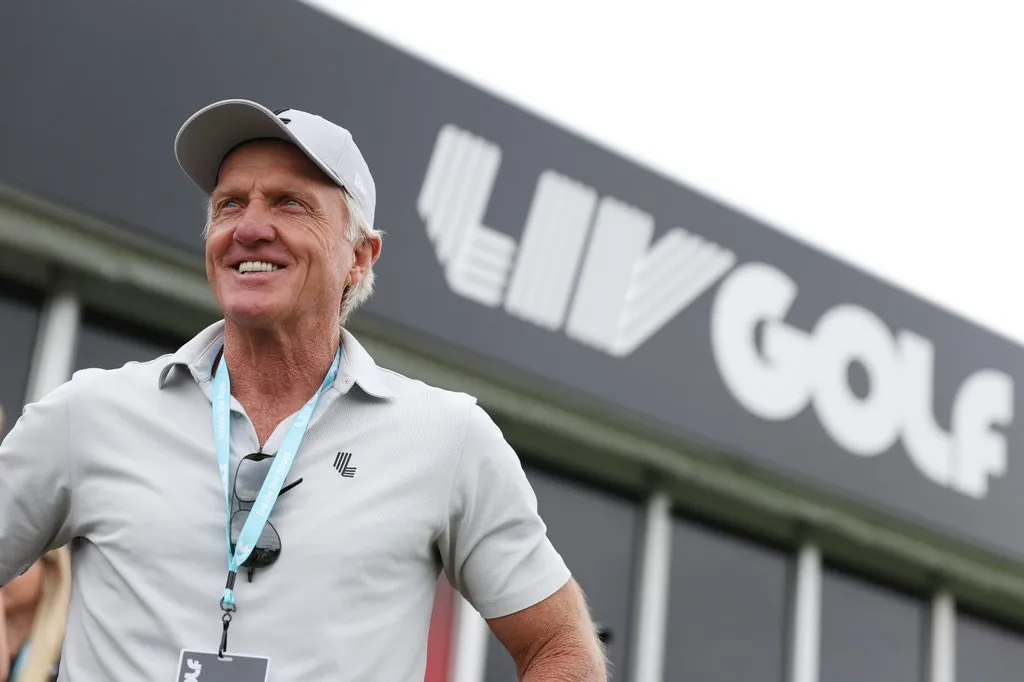
Why Insiders Believe O’Neil Will Fit Better Into Golf’s Ecosystem
Herzig believes that O’Neil’s flexibility and willingness to engage rather than confront will ultimately serve LIV Golf better in the long run. She suggested that his collaborative mindset means “he’ll probably mesh a little bit better in the grander ecosystem of golf and its leaders.” This represents a fundamental shift in LIV’s posture toward institutions like the PGA Tour, major championships, and governing bodies. While Norman’s tenure was defined by open conflict and public battles, O’Neil appears focused on dialogue and gradual integration.
Greg Norman’s Aggressive Legacy Still Divides the Sport
There is no denying that Greg Norman’s leadership left a lasting mark on professional golf. As commissioner, he positioned LIV Golf as a direct challenge to the PGA Tour’s authority, openly criticizing its control over players and its resistance to change. That aggressive stance galvanized supporters and accelerated disruption, but it also deepened divisions within the sport. Norman’s confrontational approach drew legal disputes, strained relationships, and heightened scrutiny from traditional golf institutions. While his role in reshaping the landscape is undeniable, insiders now question whether that same approach limited LIV’s ability to gain legitimacy.
The Fox Sports Deal Becomes Scott O’Neil’s Defining Achievement
One of the clearest examples of O’Neil’s behind-the-scenes effectiveness is LIV Golf’s partnership with Fox Sports. After struggling to gain traction on The CW, where viewership remained limited, LIV secured a deal with one of the most influential broadcasting giants in the United States. The agreement, finalized late in 2024, was a major breakthrough for a league seeking broader exposure and credibility. Though timing issues meant LIV occasionally received less favorable time slots early on, the deal itself represented a crucial step forward.
O’Neil Acknowledges the U.S. Market Reality Head-On
Scott O’Neil has been candid about the challenges LIV faces in the American market. “[The U.S. is] the dominant No. 1 TV and sponsorship market in the world, and there’s not a close second,” he said. “The scrutiny we get in the U.S. is well, well-deserved, and we certainly take the challenge.” This acknowledgment underscores a leadership philosophy rooted in realism rather than defiance. Instead of framing criticism as persecution, O’Neil appears intent on meeting expectations and earning credibility through structural improvements.
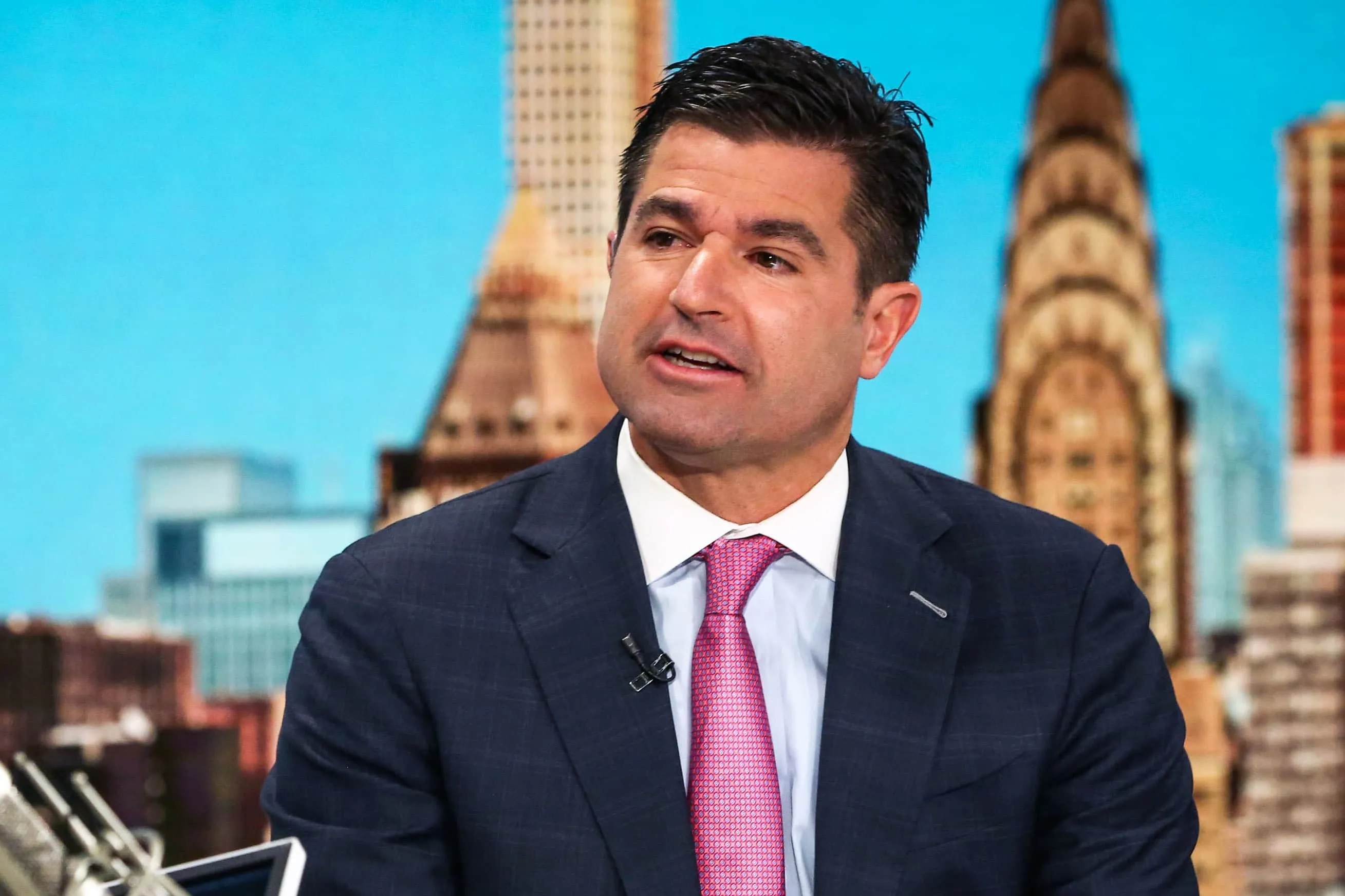
Building Trust With Fox Sports Despite Early Limitations
Despite early scheduling hurdles, O’Neil has spoken positively about LIV’s broadcast partner. He praised Fox Sports CEO Eric Shanks as an “extraordinary executive” and a “wonderful partner,” emphasizing the long-term value of the relationship. Under the agreement, LIV events will air across Fox, FS1, FS2, Fox Business Network, and the Fox Sports App throughout 2025. This level of distribution provides LIV with unprecedented access to mainstream audiences and represents a tangible win for O’Neil’s pragmatic approach.
A Leadership Shift That Could Define LIV Golf’s Future
Whether Scott O’Neil’s cooperative style will translate into sustained growth remains uncertain. However, his willingness to work within golf’s existing ecosystem rather than wage war against it marks a clear philosophical break from Greg Norman’s era. As LIV Golf looks ahead to 2026, the league’s priorities have shifted from disruption alone to integration, legitimacy, and long-term viability. Nowhere is that shift more evident than in LIV’s renewed push for Official World Golf Ranking recognition.
Scott O’Neil Pushes for World Ranking Points as LIV Eyes Legitimacy
One of Scott O’Neil’s primary objectives as LIV Golf CEO is securing Official World Golf Ranking (OWGR) points for the league’s events. Since LIV’s launch in 2022, its tournaments have been excluded from the ranking system due to their 54-hole format and lack of cuts. This exclusion has had significant consequences, limiting players’ ability to qualify automatically for major championships and diminishing LIV’s standing within the broader competitive structure of professional golf.
Why OWGR Points Matter More Than Ever for LIV Players
World ranking points are essential currency in modern golf. Without them, LIV players must rely on performances outside the league or special exemptions to gain entry into majors, creating an uneven playing field. O’Neil understands that without OWGR certification, LIV risks being perceived as a parallel circuit rather than a fully integrated tour. Securing ranking points would not only enhance competitive fairness but also validate LIV’s place within the sport’s global hierarchy.
Productive Talks Signal a Change in Tone From the Past
O’Neil has indicated that discussions with OWGR leadership have been constructive, a notable contrast to earlier breakdowns in communication. He confirmed that LIV is working closely with OWGR chairman Trevor Immelman and the board to address prior concerns. “We are working very closely with [chairman] Trevor Immelman and the board,” O’Neil said, emphasizing the league’s desire to find a solution before the next season. This collaborative approach reflects a broader commitment to compromise and reform.
Structural Changes Point Toward a New LIV Identity
The planned shift to a traditional 72-hole format in 2026 is central to LIV’s OWGR application and signals a willingness to adapt while preserving the league’s unique identity. These adjustments represent more than cosmetic changes; they demonstrate a recognition that legitimacy requires alignment with established standards. LIV’s new application and structural reforms suggest a league evolving beyond its rebellious origins toward a more sustainable future.
A New Era Begins as LIV Redefines Itself Without Greg Norman
As LIV Golf prepares for 2026, the contrast between past and present leadership could not be clearer. Greg Norman’s legacy remains intertwined with disruption and defiance, while Scott O’Neil’s vision centers on collaboration, credibility, and growth. Whether this strategic pivot will deliver the long-term success LIV seeks remains to be seen. But one thing is certain: the league is no longer fighting the golf world head-on. Instead, it is learning how to exist within it.







