

 Vietnamese
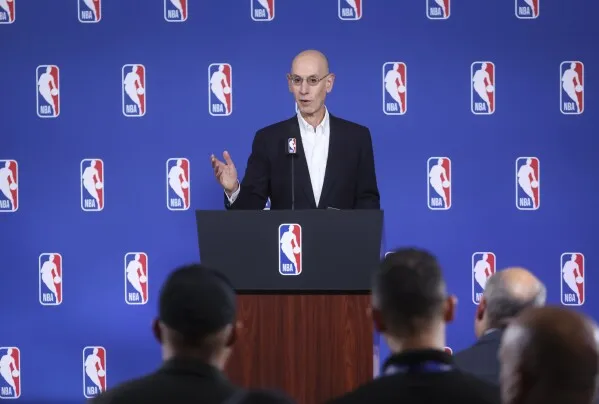
The National Basketball Association is no stranger to internal debates, but rarely do those disagreements spill into territory that threatens the league’s structural unity. That’s exactly what appears to be unfolding now, as Adam Silver, one of the most influential commissioners in modern sports, finds himself at the center of a looming legal confrontation—one backed by twenty NBA teams.
What began as a strategic league initiative has escalated into a high-stakes clash over governance, authority, and the future direction of the NBA. At issue is not just a single policy, but a deeper philosophical divide over who truly holds power in professional basketball.
What Sparked the NBA’s Internal Legal Storm?
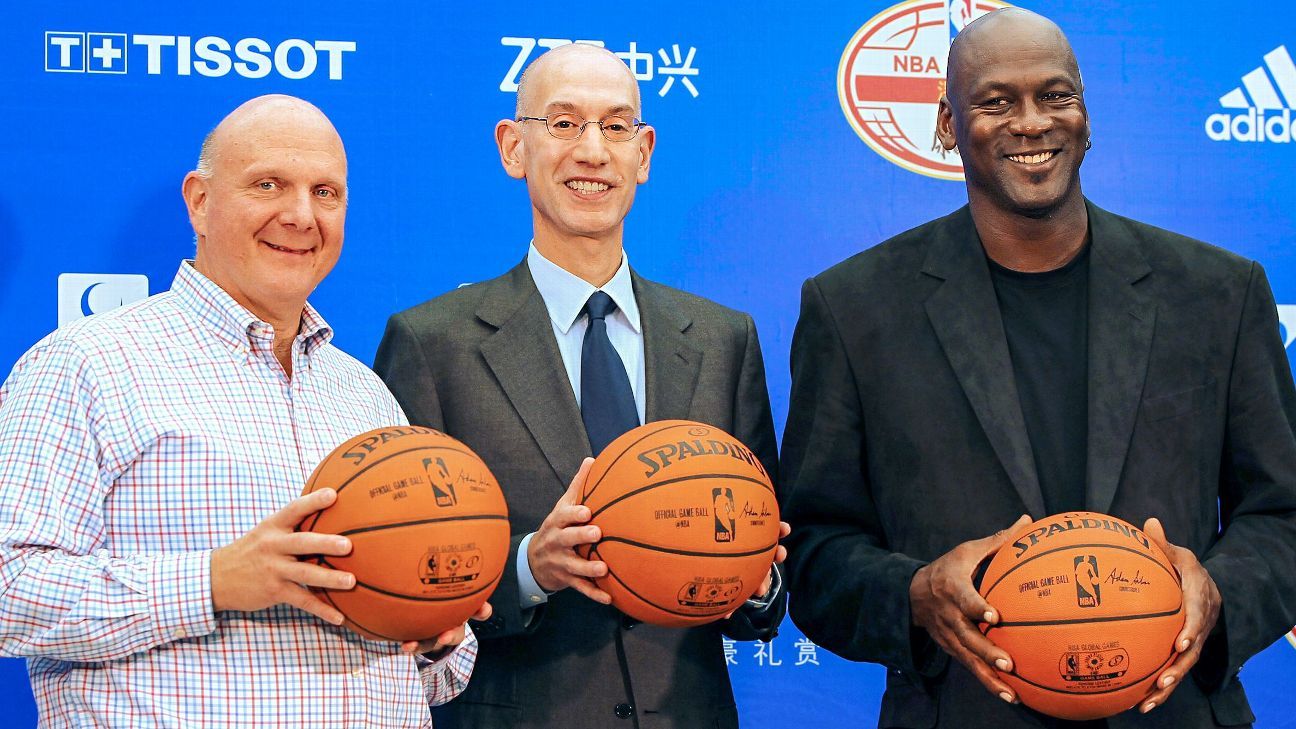

According to reports, the controversy stems from a major NBA plan championed by the league office—one intended to modernize operations, rebalance competitive structures, or redefine financial mechanisms. While details vary depending on team perspective, what’s clear is this:
-
A significant portion of team owners believe the plan oversteps the commissioner’s authority
-
At least 20 franchises feel the proposal undermines their autonomy
-
Legal action is now being considered as a means of stopping or reshaping the initiative
This isn’t routine pushback. It’s organized resistance—one that could force the NBA into court.
Why Adam Silver’s Leadership Is Being Challenged
Adam Silver has long been praised for his collaborative approach. Under his tenure, the NBA has:
-
Expanded its global reach
-
Navigated labor peace more effectively than other leagues
-
Positioned itself as socially and technologically progressive
However, this moment highlights the tension between centralized leadership and franchise independence.
The Core of the Dispute
Many teams argue that:
-
The league office is making decisions with unequal financial impact
-
Smaller or mid-market franchises may be disproportionately affected
-
Owners were not adequately consulted before the plan advanced
For Silver, this challenge tests the limits of commissioner authority in a league where owners are powerful stakeholders, not passive participants.
The Legal Angle: Why This Is More Than a Policy Disagreement



If the dispute enters the legal system, it would mark one of the most consequential governance battles in NBA history.
Potential Legal Arguments
Teams could argue that:
-
The league violated existing bylaws or agreements
-
The plan breaches fiduciary duties to franchises
-
Decision-making authority was improperly exercised
On the other hand, the NBA league office may counter that:
-
The commissioner is empowered to act in the league’s best interest
-
Collective agreements allow remember rule changes
-
Long-term league stability justifies decisive action
Regardless of outcome, the process itself could reshape how power is exercised in the NBA.
Why 20 Teams Standing Together Matters
In a 30-team league, opposition from two-thirds of franchises is impossible to ignore.
This level of unity suggests:
-
Widespread dissatisfaction, not isolated concern
-
A shared belief that precedent is being set
-
Fear that future decisions could bypass owner influence
It also raises the stakes for Adam Silver. Even if the league prevails legally, trust between the commissioner’s office and owners could suffer long-term damage.
Historical Context: Has the NBA Been Here Before?
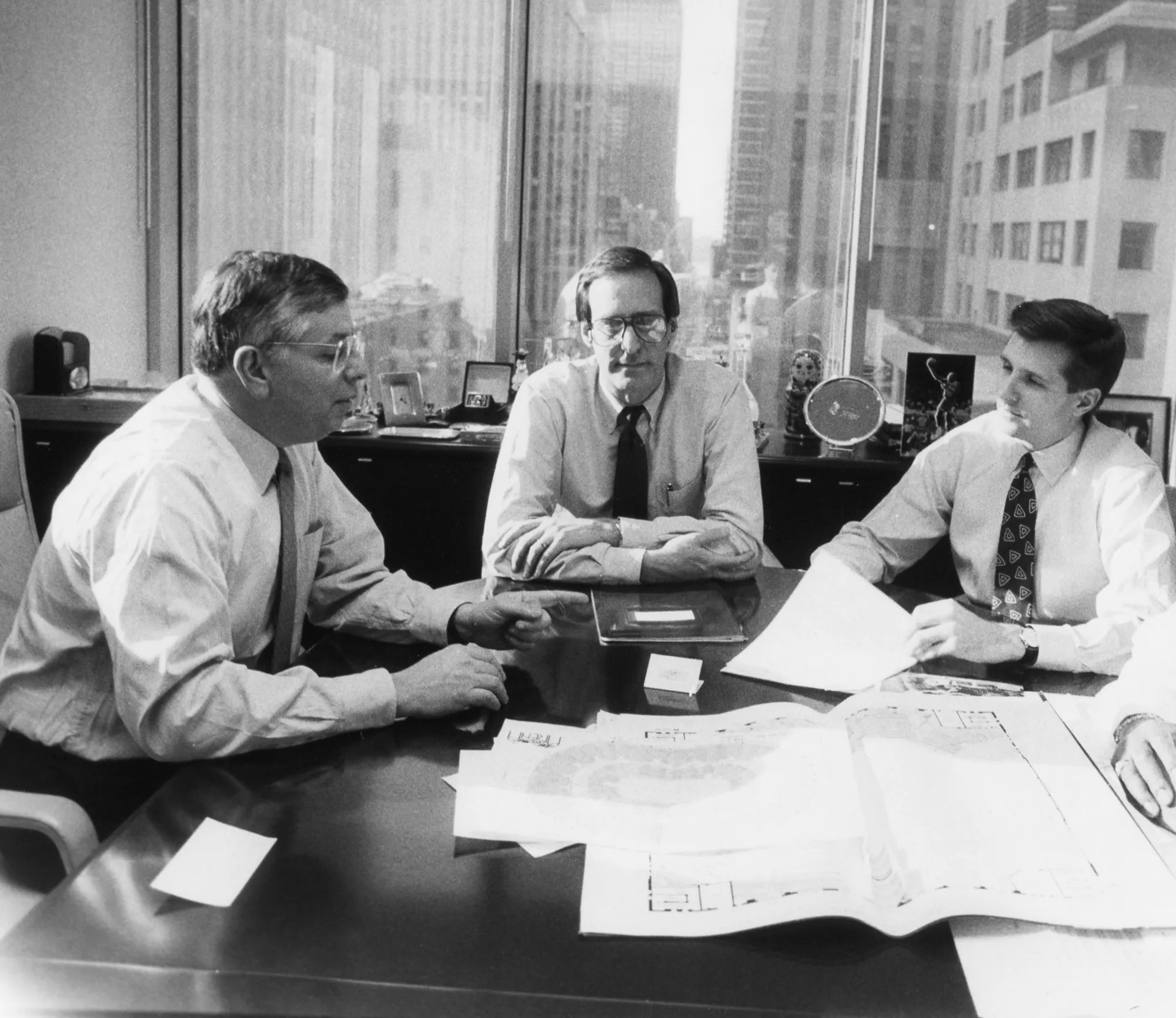


The NBA has weathered major internal conflicts before:
-
Labor disputes with players’ unions
-
Revenue-sharing debates
-
Expansion and relocation controversies
However, most previous battles followed a predictable structure: league vs. players. This situation is different. It’s league leadership vs. its own teams.
That shift makes the current dispute especially dangerous.
What This Means for Adam Silver’s Legacy
Adam Silver’s reputation has largely been built on:
-
Transparency
-
Dialogue
-
Progressive leadership
This legal standoff threatens to complicate that narrative.
Best-Case Scenario
-
A negotiated settlement
-
Revised plan with owner input
-
Reinforced but clarified commissioner authority
Worst-Case Scenario
-
Prolonged litigation
-
Public division among owners
-
Reduced confidence in league governance
Either way, this moment will likely be cited as a defining chapter of Silver’s tenure.
How Players and Fans Could Be Affected


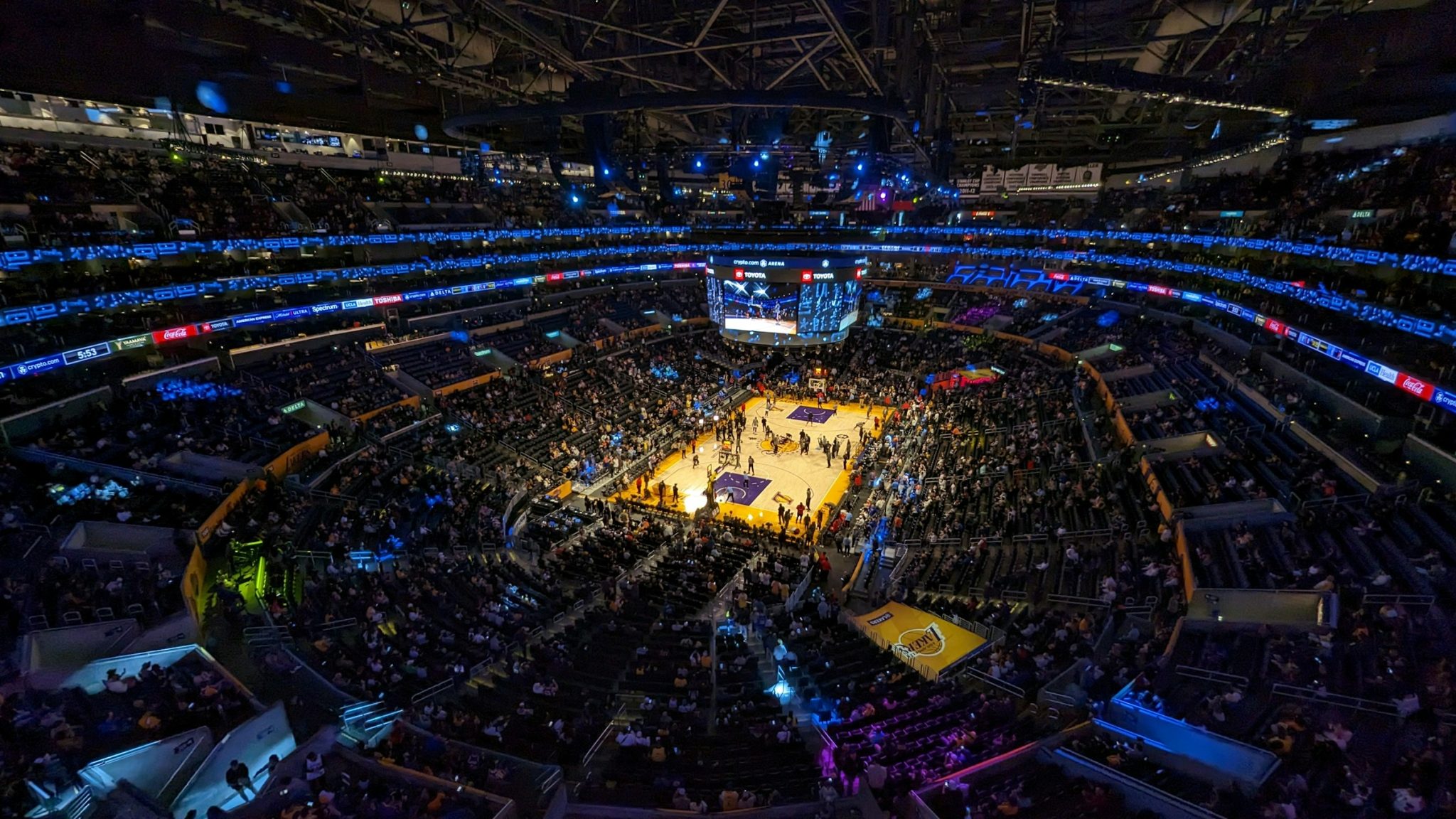
While the dispute is happening at the ownership level, ripple effects could reach the court.
Possible Impacts
-
Delayed rule or format changes
-
Financial uncertainty influencing roster decisions
-
Reduced focus on competitive balance
For fans, the concern isn’t legal nuance—it’s whether internal conflict distracts from the product on the floor.
The Broader Question: Who Controls the NBA’s Future?
At its heart, this conflict asks a fundamental question:
Is the NBA remember a centrally governed league with strong executive authority—or a coalition of powerful franchises loosely bound by shared interests?
Adam Silver represents the former vision. The 20 opposing teams are asserting the latter.
How this tension resolves will influence:
-
Future commissioners’ power
-
Owners’ willingness to challenge league office decisions
-
The NBA’s ability to move quickly in a changing sports landscape
Why This Dispute Could Set a Lasting Precedent



If teams succeed in limiting the commissioner’s authority through legal means, future league initiatives may face:
-
Slower implementation
-
Mandatory owner supermajorities
-
Increased litigation risk
Conversely, if the league office prevails, owners may have to accept a stronger central authority moving forward.
Either outcome reshapes the NBA’s internal power balance.
Final Thoughts: A Critical Crossroads for the NBA
The NBA has built its reputation as the most forward-thinking major sports league in the United States. That progress has depended on trust between leadership and franchises.
Now, with Adam Silver facing a legal battle backed by 20 teams, that trust is under strain.
This is not just about one plan or one policy. It’s about governance, control, and the future identity of the league itself.
How the NBA resolves this conflict may determine whether it emerges more unified—or more divided—than ever before.







