

 Vietnamese
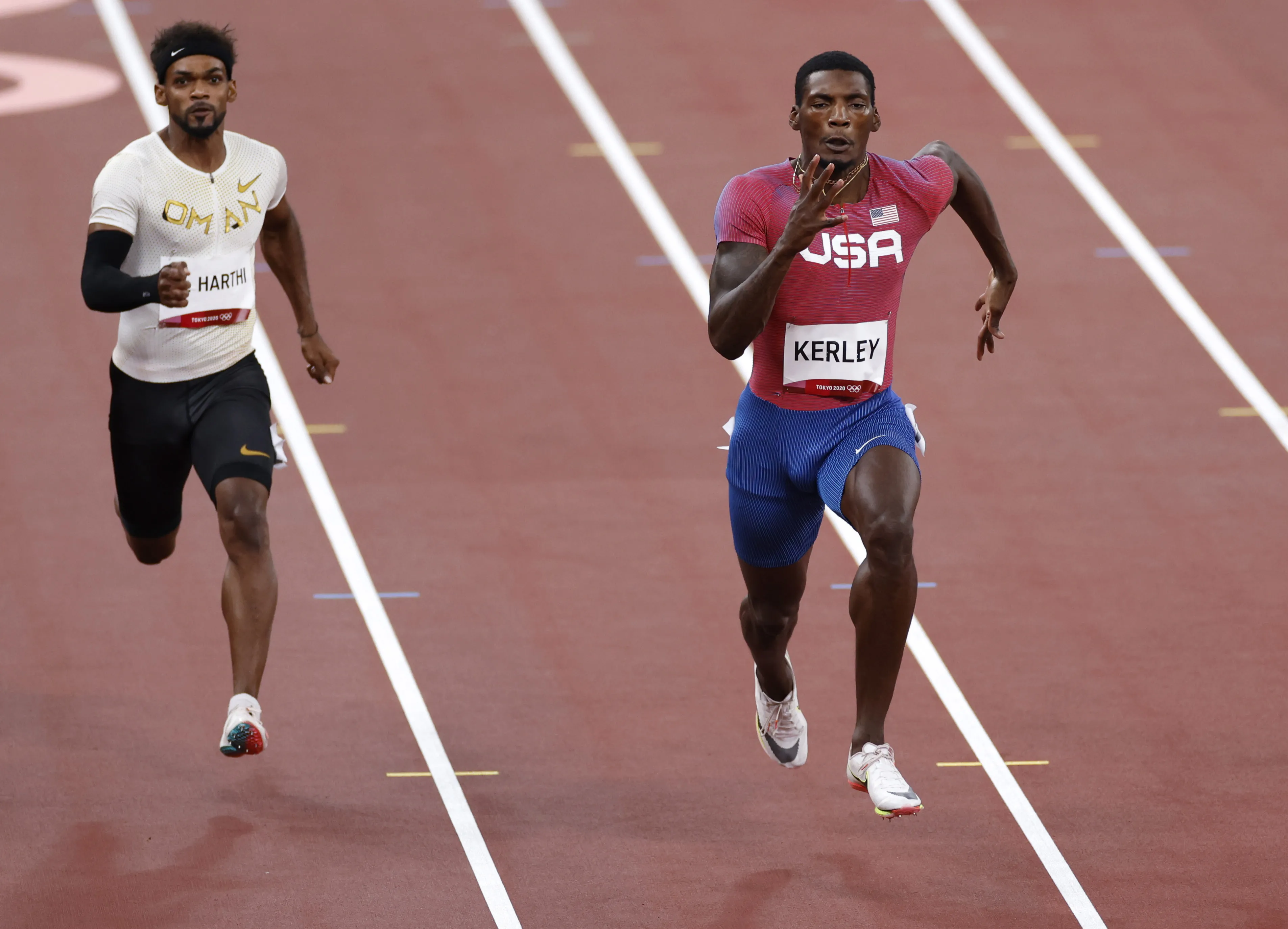
The world of American track and field has been rocked once again after a U.S. athlete was handed a 45-month ban, a punishment that not only halts an Olympic career but also highlights the growing divide between traditional athletics and the controversial rise of the Enhanced Games.
The decision, which echoes recent headlines surrounding Fred Kerley, has ignited debate about anti-doping enforcement, athlete autonomy, and whether elite competitors are losing faith in the Olympic system.
What Happened: The 45-Month Ban Explained
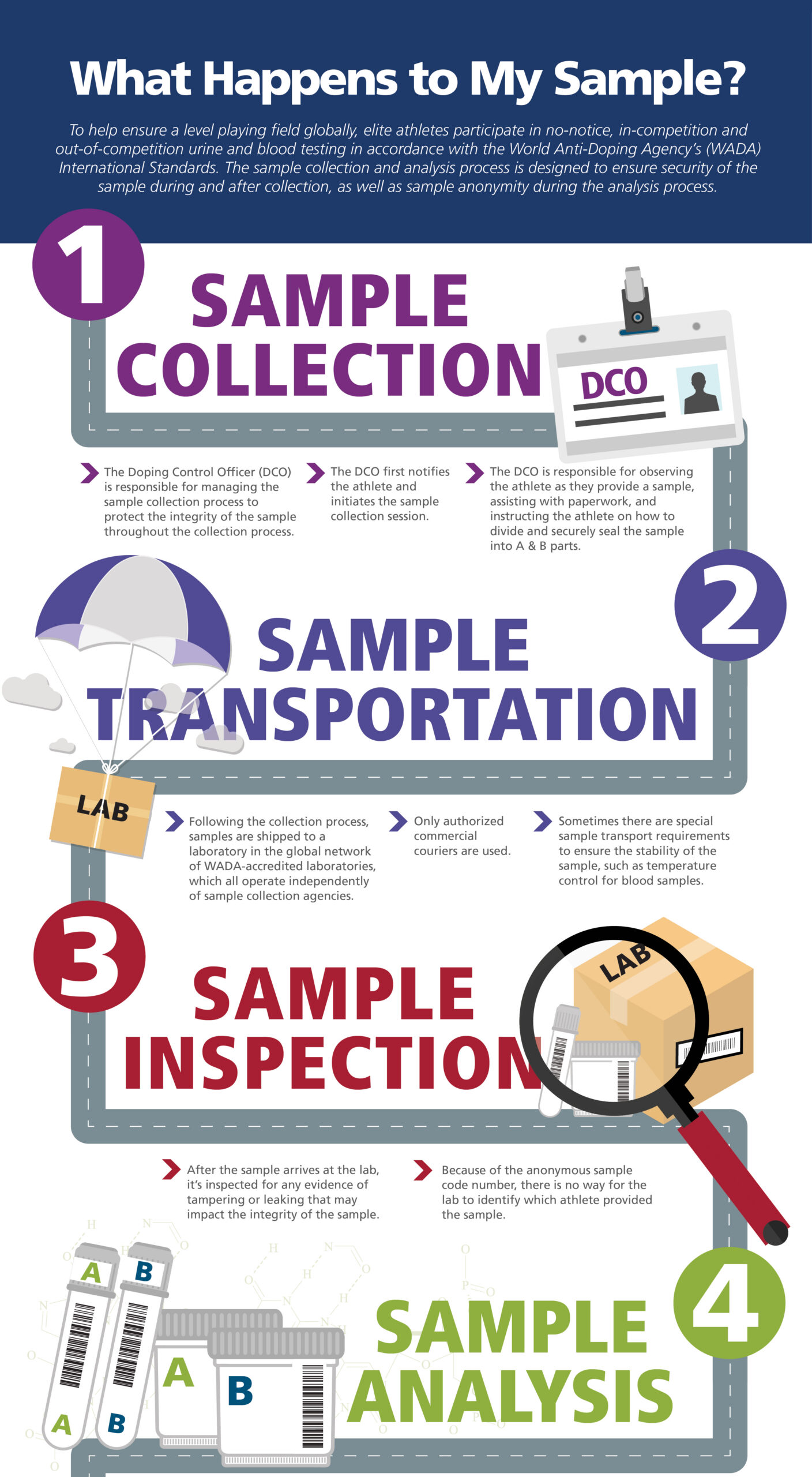


According to reports, the American track and field athlete received a 45-month suspension following violations tied to anti-doping regulations. While such bans are not unprecedented, the length of the suspension places it among the most severe penalties handed to U.S. athletes in recent years.
Key Details of the Ban
-
Length: 45 months (nearly four years)
-
Scope: All sanctioned track and field competitions
-
Governing bodies involved: International and national anti-doping authorities
-
Olympic impact: Effectively rules out near-term Olympic participation
For an athlete in peak competitive years, a ban of this length can be career-altering—if not career-ending.
Why This Case Feels Different
Doping bans are sadly familiar in elite sports, but this case stands out because of what followed.
Instead of retreating from the spotlight, the athlete’s situation quickly became linked to the Enhanced Games, a proposed competition model that challenges traditional anti-doping philosophy.
This same path has recently been associated with Fred Kerley, making the comparison unavoidable.
The Fred Kerley Connection
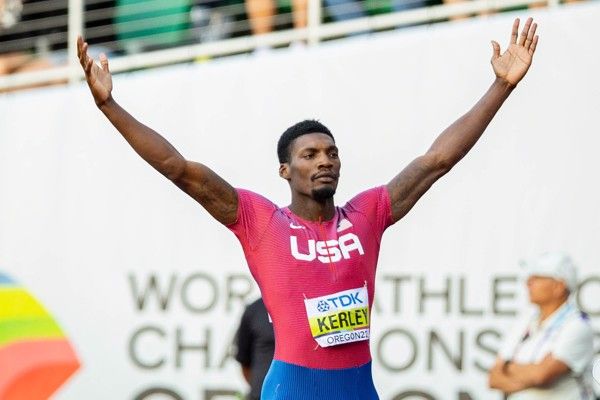
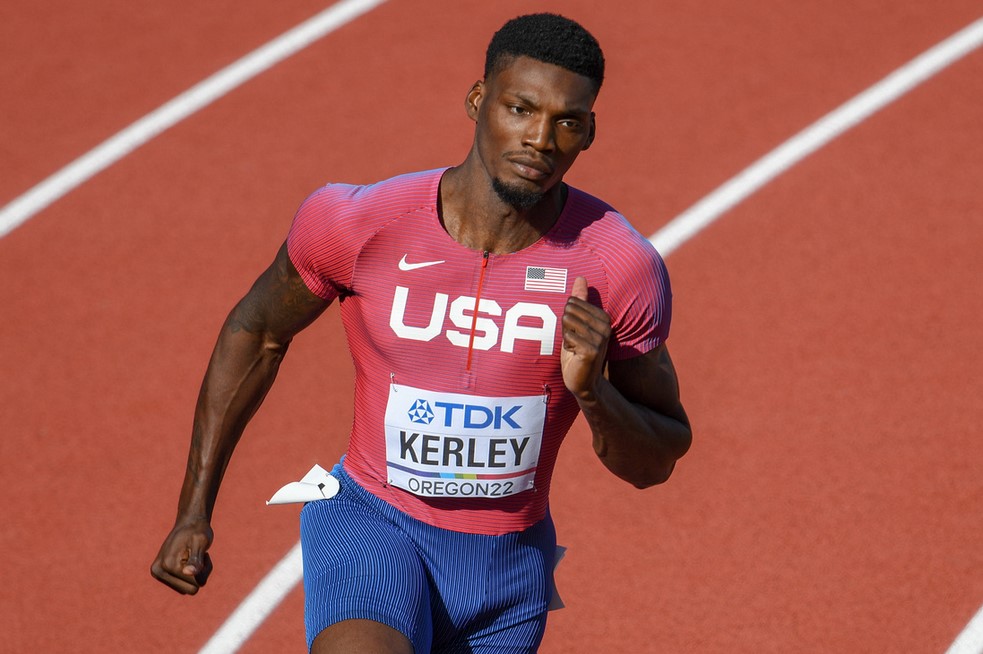


Fred Kerley, one of America’s most recognizable sprinters, has been at the center of conversations about the Enhanced Games, a concept that openly allows performance-enhancing substances under medical supervision.
While Kerley’s career includes Olympic medals and global recognition, his openness to alternative competitive formats has sparked fierce debate.
The newly banned athlete’s situation now mirrors Kerley’s in a troubling way:
-
Disillusionment with governing bodies
-
Frustration over lengthy bans
-
Willingness to explore non-traditional competition
What Are the Enhanced Games?
The Enhanced Games are positioned as a radical alternative to events governed by bodies like the Olympic Games.
Core Principles of the Enhanced Games
-
Athletes may use performance-enhancing substances
-
Medical supervision replaces prohibition
-
Transparency replaces testing secrecy
-
Focus on pushing human limits rather than regulating them
Supporters argue this approach is more honest. Critics call it dangerous.
Why Some Athletes Are Drawn to the Enhanced Games
For athletes facing long bans, the appeal is obvious.
Athlete Perspectives Often Include:
-
“The system is inconsistent.”
-
“Punishments don’t fit the violations.”
-
“Careers are destroyed by bureaucracy.”
A 45-month ban doesn’t just remove competition—it removes income, sponsorships, and identity. For some, the Enhanced Games feel like a second chance.
The Anti-Doping System Under Fire




Organizations like the World Anti-Doping Agency (WADA) exist to protect fairness and athlete health.
However, critics argue:
-
Enforcement is uneven
-
Appeals take too long
-
Minor infractions can result in career-ending bans
The latest U.S. athlete’s suspension has reignited concerns that the system may be losing athlete trust.
Health vs. Freedom: The Core Ethical Debate
The Enhanced Games challenge a fundamental assumption in sports: that banning substances protects athletes.
Traditional View
-
Doping endangers health
-
Creates unfair advantages
-
Undermines integrity
Enhanced Games View
-
Athletes already take risks
-
Medical oversight reduces harm
-
Fans want transparency, not hypocrisy
This philosophical divide is now playing out in real time, fueled by cases like this 45-month ban.
Olympic Dreams on Hold
For American athletes, the Olympics remain the pinnacle.
A ban of nearly four years effectively eliminates:
-
Olympic qualification cycles
-
World Championship appearances
-
National team consideration
For younger athletes, this can mean missing their prime entirely.
Public Reaction: Divided and Emotional


Reaction to the ban has been sharply divided.
Supporters of the Ban Say:
-
Rules are clear
-
Athletes accept consequences
-
Integrity must be protected
Critics Argue:
-
Punishment is excessive
-
System lacks nuance
-
Athletes are scapegoated
Social media has amplified both sides, with the athlete’s potential move toward the Enhanced Games adding fuel to the fire.
Could This Spark a Larger Shift in Track and Field?
This case may be more than an isolated incident.
If more banned or disillusioned athletes:
-
Publicly reject Olympic structures
-
Embrace alternative competitions
-
Attract sponsors and viewers
Then traditional governing bodies could face a legitimacy crisis.
What This Means for U.S. Track and Field
American track and field already struggles with:
-
Inconsistent funding
-
Limited mainstream attention
-
Post-Olympic visibility drop-offs
High-profile bans followed by defections to alternative competitions risk further fragmenting the sport.
Fred Kerley and the Power of Precedent
Kerley’s openness to new competitive models has normalized what once seemed unthinkable.
When Olympic-level athletes consider non-sanctioned events, it signals a shift in power:
-
From institutions to individuals
-
From rules to choice
-
From tradition to experimentation
The 45-month ban may accelerate that shift.
Is Reform Inevitable?
Many experts believe reform is unavoidable.
Possible future changes include:
-
Shorter, more proportional bans
-
Greater transparency in rulings
-
Athlete representation in policy decisions
Without reform, governing bodies risk pushing more athletes toward alternatives like the Enhanced Games.
What Happens Next for the Banned Athlete?
While details remain limited, several paths lie ahead:
-
Serve the full ban and attempt a comeback
-
Pursue legal appeals
-
Publicly align with Enhanced Games initiatives
-
Step away from elite competition entirely
Each option carries risk—but also opportunity.
A Turning Point for Modern Athletics
This 45-month ban is not just about one athlete.
It reflects:
-
Tension between control and freedom
-
Changing athlete priorities
-
A sport at a crossroads
Whether the Enhanced Games remain fringe or become mainstream may depend on how governing bodies respond to moments like this.
Final Thoughts
The American track and field athlete’s 45-month ban has done more than sideline a career—it has reignited a global conversation about fairness, autonomy, and the future of elite sports.
As the athlete’s path begins to resemble that of Fred Kerley, one thing is clear:
Track and field is no longer just racing against the clock—it’s racing against change.
How the sport adapts may define the next generation of competition.







