

 Vietnamese

When reports surfaced that the Miami Dolphins had allegedly received a staggering $15 billion offer, the sports world stopped to take notice. In an era where professional sports franchises are being valued like global tech giants, the number alone was enough to spark shockwaves across the NFL landscape.
But the real headline came shortly after—Stephen Ross, the longtime owner of the Miami Dolphins, made his position unmistakably clear: the Dolphins are not for sale.
This wasn’t just a business decision. It was a statement about legacy, vision, and the future of one of the NFL’s most storied franchises.
A Jaw-Dropping $15 Billion Valuation
To put things into perspective, a $15 billion valuation would make the Dolphins one of the most expensive sports franchises in history, rivaling — and possibly surpassing — the world’s most valuable teams across the NFL, NBA, and global soccer.
Just a decade ago, NFL franchises rarely crossed the $2–3 billion threshold. Today, thanks to:
-
Explosive media rights deals
-
Global betting markets
-
Streaming partnerships
-
International fan expansion
NFL teams have become financial powerhouses.
Still, $15 billion stands in a league of its own.
Stephen Ross’s Immediate and Firm Response
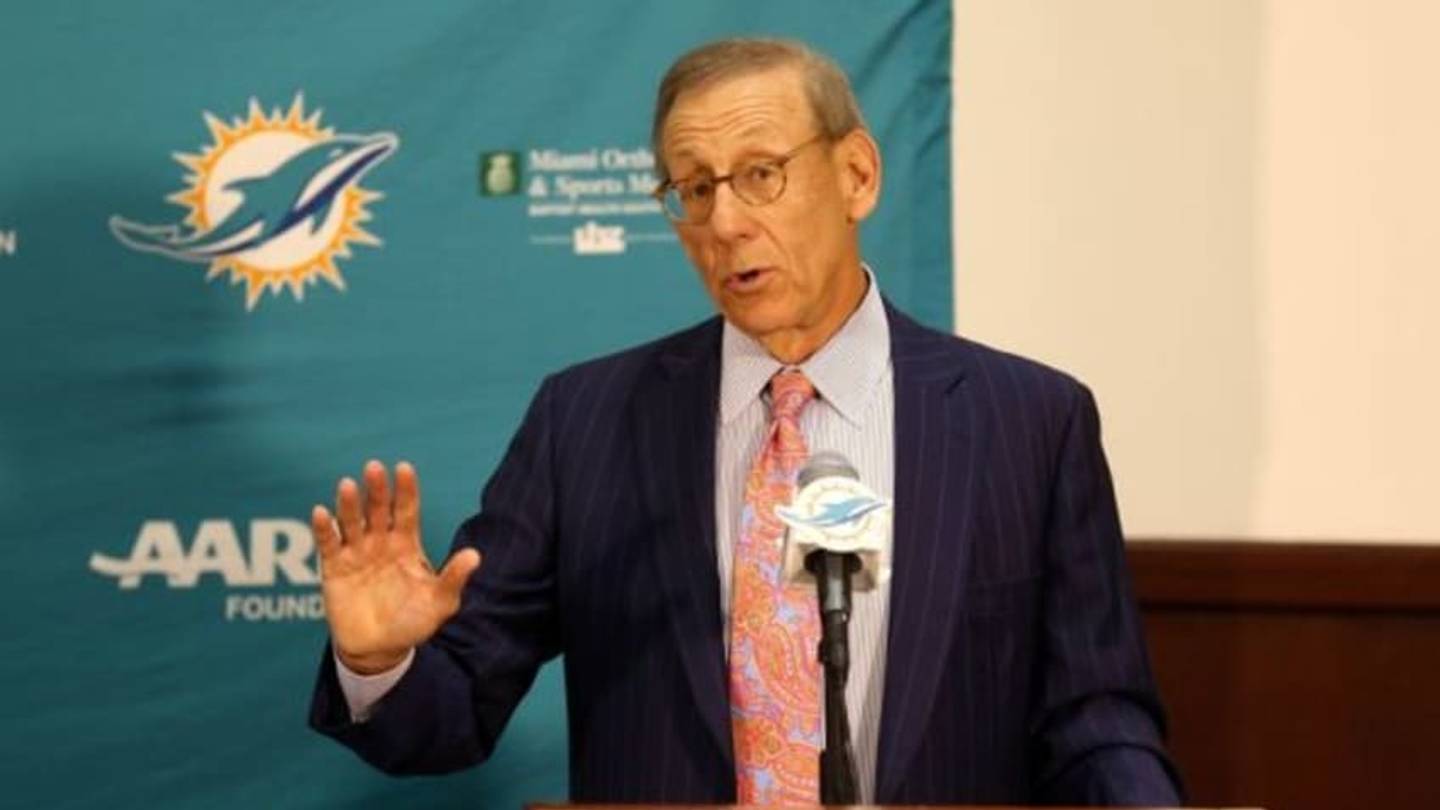


Rather than entertaining negotiations or issuing a vague statement, Stephen Ross took a decisive stance. Sources close to the situation indicate that Ross has no intention of selling, regardless of the price tag.
For Ross, the Dolphins are not just an asset — they are a long-term personal and professional commitment.
His message was clear:
The Miami Dolphins are part of a vision that goes far beyond short-term financial gain.
Why Stephen Ross Won’t Sell—Even at $15 Billion
1. Legacy Over Liquidity
At this stage of his career, Ross’s focus has increasingly shifted toward legacy. Owning an NFL team isn’t simply about balance sheets — it’s about shaping a franchise’s identity, culture, and future.
Ross has invested heavily in:
-
Hard Rock Stadium renovations
-
Miami Gardens community development
-
International NFL initiatives
Selling now would mean handing over a project he has spent nearly two decades building.
2. The Dolphins’ Competitive Window Is Opening


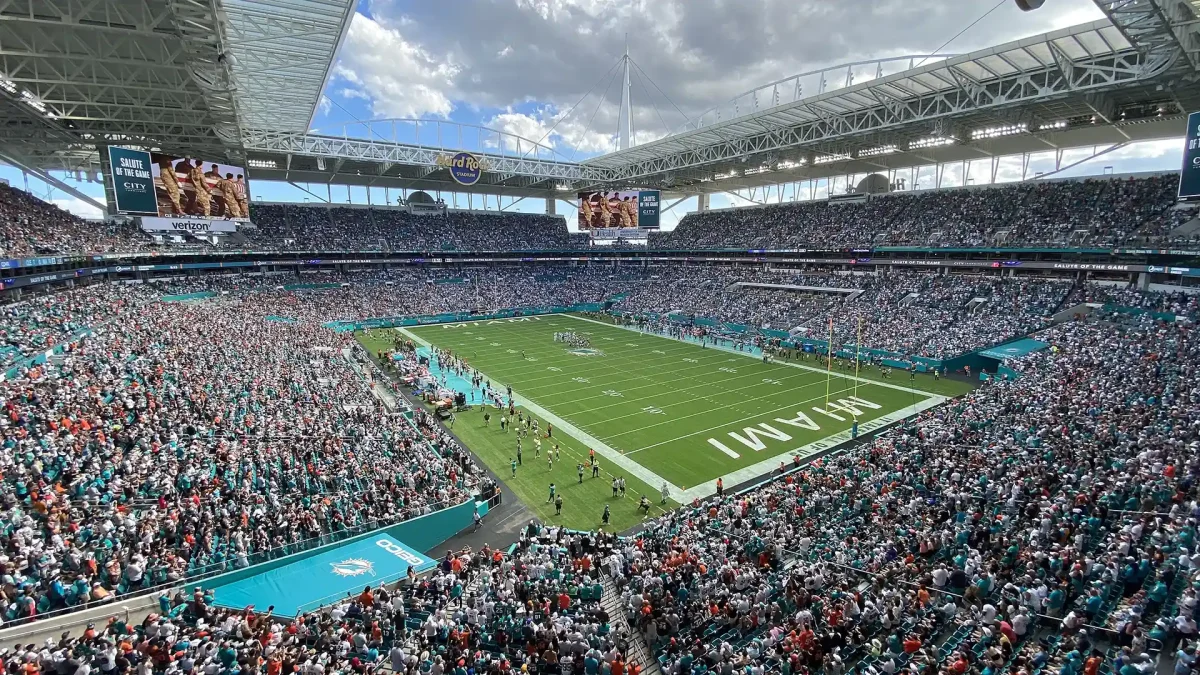
From a football standpoint, the timing matters.
The Dolphins have:
-
A dynamic offensive core
-
A franchise quarterback in his prime
-
A coaching staff aligned with modern NFL trends
Selling at the moment when the team is poised to contend would be counterintuitive for an owner who wants to see success through.
3. NFL Ownership Is Getting Rarer—and More Powerful
The NFL remains the most exclusive club in professional sports. There are only 32 teams, and ownership opportunities almost never arise.
Once sold, there is no way back in.
For someone like Ross, whose influence spans real estate, global business, and professional sports, retaining ownership ensures a continued seat at one of the most powerful tables in American sports.
What a $15 Billion Offer Says About the NFL
The reported figure isn’t just about the Dolphins—it reflects the explosive growth of the NFL itself.
Key Drivers of NFL Valuations
-
Media rights deals worth tens of billions
-
Streaming platforms entering live sports
-
Legalized sports betting nationwide
-
Global expansion into Europe and beyond
NFL franchises now resemble multinational corporations more than sports teams.
Could Anyone Actually Afford the Dolphins?
Even at $15 billion, the pool of potential buyers would be extremely small.
Possible buyer profiles include:
-
Ultra-high-net-worth individuals
-
Sovereign-backed investment groups
-
Consortiums of global investors
However, the NFL’s strict ownership rules — including debt limits and approval by fellow owners — make such a deal extraordinarily complex.
What This Means for Dolphins Fans


For fans, Ross’s refusal to sell brings stability.
In a league where ownership changes can mean:
-
Front office upheaval
-
Coaching resets
-
Cultural shifts
Continuity matters.
Ross staying in control means:
-
Long-term planning remains intact
-
Investments continue without disruption
-
The franchise avoids uncertainty
While fans may debate ownership decisions, many agree that organizational consistency is better than abrupt transition.
The Hard Rock Stadium Factor
One of Ross’s most visible achievements is the transformation of Hard Rock Stadium into a multi-purpose global venue.
It now hosts:
-
NFL games
-
College football championships
-
International soccer
-
Major concerts
-
Formula 1 Miami Grand Prix
Selling the Dolphins would also mean relinquishing control over a centerpiece of Miami’s sports and entertainment ecosystem.
Is This the End of the Sale Talk?
Probably not.
As NFL valuations continue to rise, offers — formal or informal — will likely keep coming. But insiders believe Ross’s stance is not about the number.
Even if the figure climbed higher, the underlying reality remains:
Stephen Ross doesn’t view the Dolphins as a commodity.
The Bigger Picture: Owners as Stewards, Not Sellers
This situation highlights a broader shift in sports ownership.
Modern owners increasingly see themselves as:
-
Stewards of institutions
-
Guardians of fan culture
-
Architects of long-term success
In that sense, Ross’s refusal sends a message across the league:
Not every franchise has a price.
Final Take: More Than Money
The reported $15 billion offer may dominate headlines, but the real story is what came next.
Stephen Ross’s decision underscores:
-
The unmatched value of NFL ownership
-
The importance of legacy in professional sports
-
The growing gap between financial worth and personal value
For the Miami Dolphins, it means continuity.
For the NFL, it confirms soaring valuations.
And for fans, it offers reassurance that the franchise’s future isn’t being auctioned off—no matter how high the bid.
In a league driven by money, this moment stands out as one driven by commitment.







